
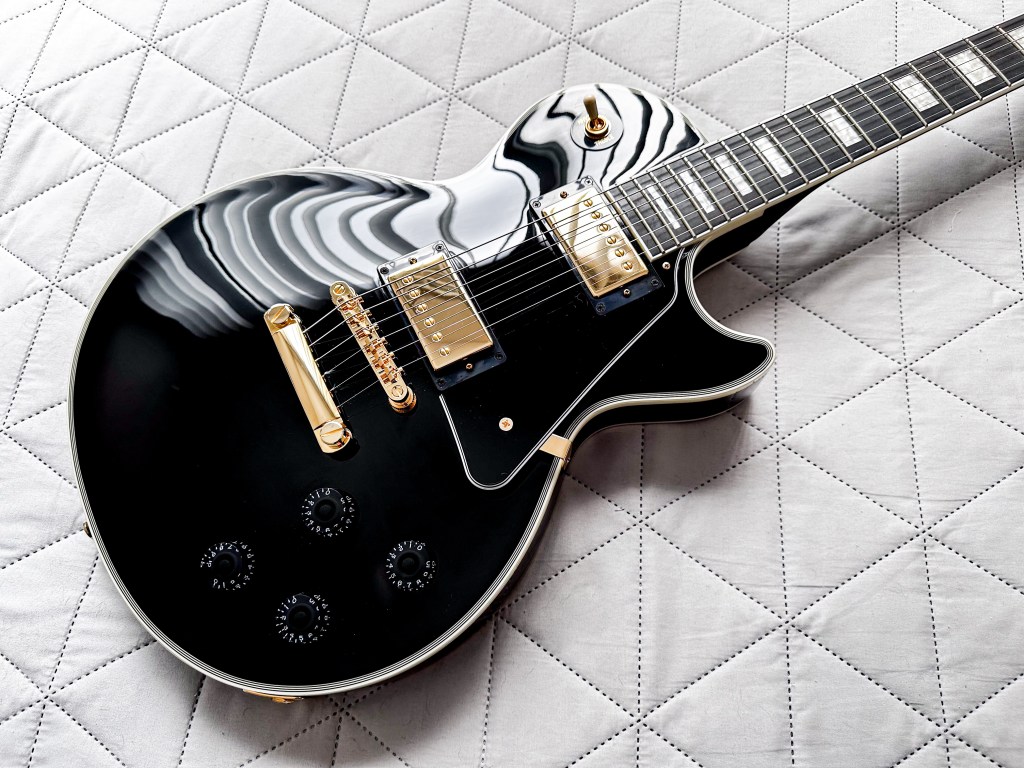
In the world of electric guitars, few models have achieved the near-mythic status of the Gibson Les Paul Custom. Launched during a time when guitar design was evolving rapidly, this model didn’t just aim to play well—it aimed to look and feel like an instrument fit for royalty. Musicians were drawn to its luxurious aesthetics and standout tone, but beyond that, it was a groundbreaking design that introduced innovations still seen in guitars today. The Les Paul Custom quickly earned its place among professional musicians and collectors, setting a high bar for what an elite instrument could offer.
By 1954, Gibson had already found success with its Les Paul line, driven in part by the endorsement of guitar virtuoso Les Paul himself. However, the brand aspired to go further, creating an instrument that was more luxurious and iconic. Enter the Gibson Les Paul Custom—designed as an elite version of the Les Paul Goldtop. Nicknamed the “Black Beauty” for its stunning black finish and gold-plated hardware, this model introduced several innovations that set it apart from its predecessors.


The Les Paul Custom boasted a solid mahogany body (omitting the maple cap seen on other models), an ebony fretboard for a sleek, smooth playing experience, and the signature split-diamond inlay on the headstock. It was also one of the first guitars to feature Gibson’s Tune-o-Matic bridge, enhancing both playability and intonation. The smaller frets earned it the nickname “fretless wonder,” further emphasizing its refined, effortless playability.
By the late 1950s, the Les Paul Custom had transitioned to humbucking pickups, giving it a powerful, versatile tone that became a hallmark of the model. The guitar’s combination of premium materials, craftsmanship, and aesthetic flair made it an immediate favorite among professional musicians and collectors alike.
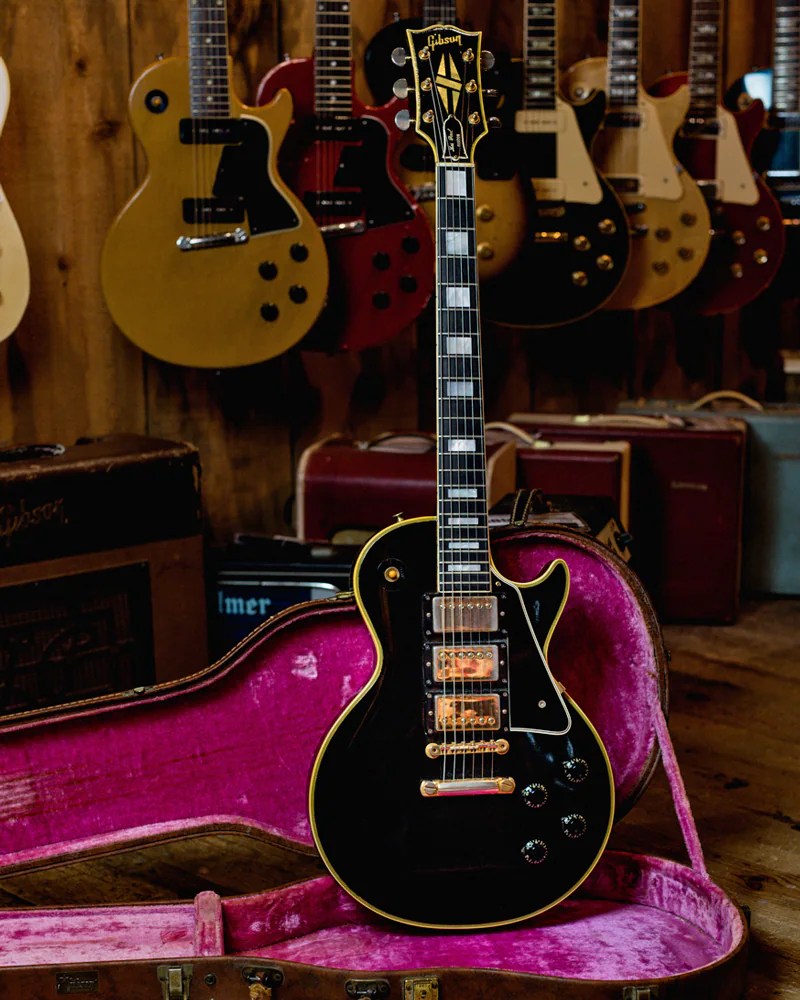
The Gibson Les Paul Custom stands out not just for its elegance but also for its groundbreaking innovations, many of which set standards in the guitar world. While the “Black Beauty” model is renowned for its luxurious gold hardware and sleek black finish, it was also among the first guitars to incorporate Gibson’s revolutionary Tune-o-Matic bridge. This design, which allows players to individually adjust the pitch of each string, significantly improved intonation and became a staple on many future guitar models.
Another notable evolution in the Les Paul Custom’s history is the shift to humbucker pickups in the late 1950s. This upgrade delivered a thicker, warmer sound with reduced noise—ideal for the blues and rock players who gravitated toward the model. Originally introduced as an upscale alternative to the Goldtop Les Paul, the Custom also took significant cues from Les Paul’s early experiments with solid-body guitar designs. His work with the “Log”—an early prototype featuring a central solid wood block flanked by hollow “wings” for a traditional shape—helped Gibson understand the balance between aesthetics and tone that would ultimately define the Custom model
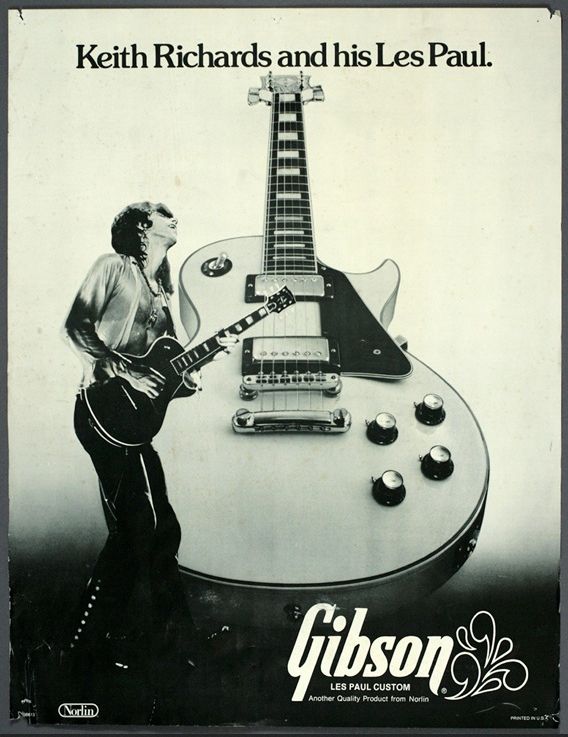
Since its debut, the Gibson Les Paul Custom has been embraced by iconic guitarists across genres, cementing its place as a symbol of luxury and innovation in electric guitar design. And with its opulent design and impeccable tone, the Les Paul Custom swiftly became a cultural icon. Embraced by legendary guitarists such as Jimmy Page, Keith Richards, and Randy Rhoads, it cemented its status as one of the most prestigious electric guitars ever created. Undoubtedly, the Les Paul Custom is the Cadillac of solid-body electric guitars. Its fusion of visual sophistication and sonic excellence has secured its lasting legacy in the music world.
The Les Paul Custom has always been on the pricier side. Back in 1960, it was sold for $395, which is about $4,000 in today’s money. Currently, a brand-new Gibson Les Paul Custom will set you back around $5,500.
In conclusion, the Gibson Les Paul Custom, or the “Black Beauty,” cemented its place as a luxury icon in the guitar world. Introduced as an elevated version of the Goldtop, it wasn’t just a visual statement—it embodied Gibson’s commitment to craftsmanship and innovation. With its sleek black finish, gold hardware, and advanced features, the Black Beauty became the go-to guitar for players seeking elegance and performance. Its legacy continues, influencing countless musicians and setting the standard for what a high-end electric guitar can be.

 oscaronguitars.com
Leave a comment