
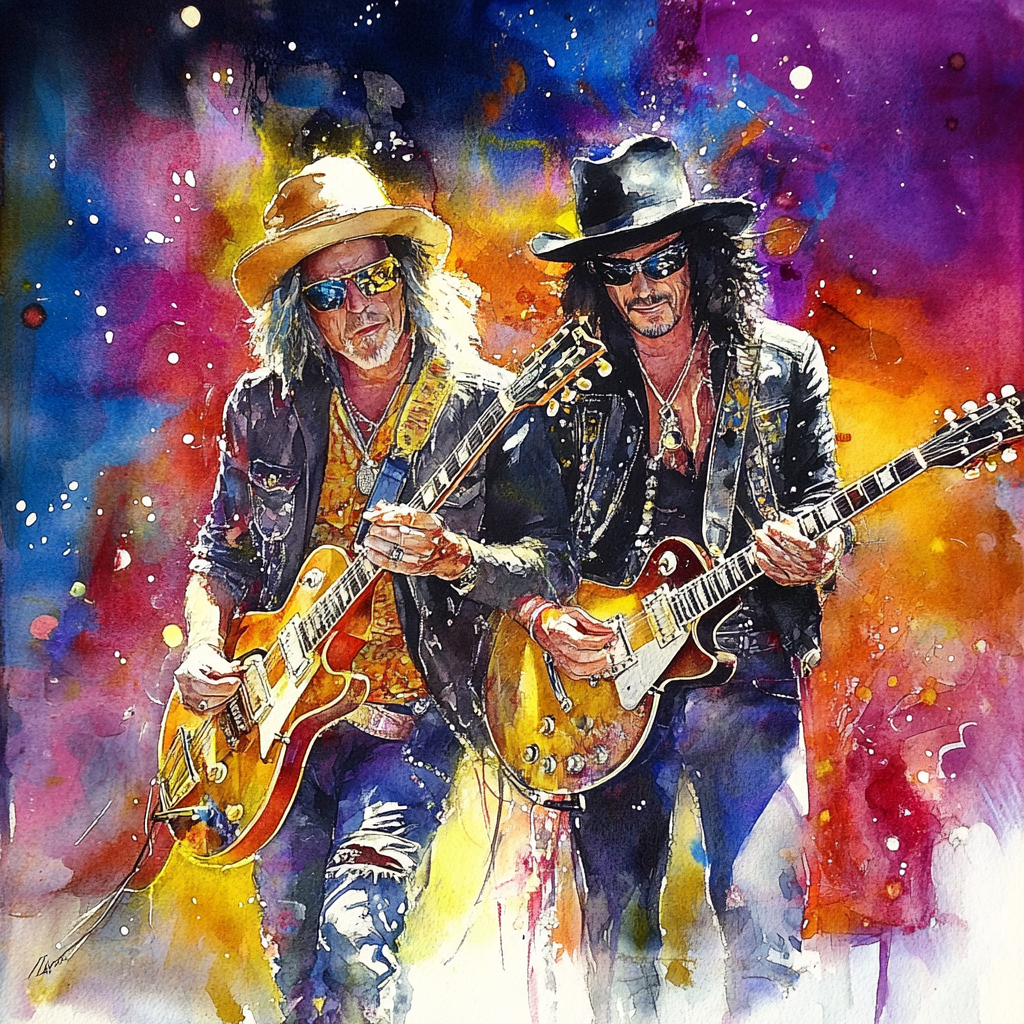
You know, there have been three big moments in my life that really hit me hard when I heard the news. The first one was when Michael Jackson passed away—it felt like the end of an era, losing one of the biggest icons in music. Then came the news of Prince’s death, another artist who left an unforgettable mark on pop and Rhythm & Blues music. And just recently, the announcement that Aerosmith, America’s greatest rock band, is calling it quits. You don’t have to be a music expert to understand how huge that is.
Aerosmith’s Two Major Phases
Aerosmith has had two major phases in their career. The first was in the ‘70s, when the band steadily grew in popularity. Then came a rough patch when Joe Perry left the band, shaking things up. But they bounced back stronger than ever, entering their second major phase, and they’ve been around for 50 years—like, that’s insane! It’s a bit like those long-term marriages where, after the honeymoon, reality kicks in, the adrenaline fades, and you have to deal with the not-so-glamorous sides of each other. Bands aren’t that different. Aerosmith is one of those totally legendary bands. They pretty much defined the whole ‘sex, drugs, and rock ‘n’ roll’ image, with all the fierce arguments and massive egos, especially Steven Tyler’s. From day one, he was like, ‘Either I’m the vocalist, or I’m out,’ which kind of set the tone for his role in the group.
The Challenges of Substance Abuse and Band Dynamics
And then there’s the whole thing with substance abuse, which definitely caused a ton of issues. Add to that a lack of emotional intelligence to resolve problems—just slamming doors, leaving things unresolved, no agreements made—it’s no wonder they were on the brink of disaster. Aerosmith could’ve easily been one of those bands that didn’t make it, like so many others. But somehow, despite everything, they survived. While Steven Tyler is the face of the band—no doubt about that—two other guys, Brad Whitford and Joe Perry, are the real backbone of Aerosmith. They brought different vibes to the table, and it’s tough living in the shadow of two such big personalities, who not only stand out musically but also visually.
The Crucial Contribution of Brad Whitford
Steven Tyler grabs all the attention, and when he doesn’t, Joe Perry does, with his wild charisma and rocker look. Then there’s Brad Whitford, the blond guy who studied music at Berklee—serious and skilled, but often overshadowed by the other two. But let’s not forget that Brad isn’t just a rhythm guitarist or Joe Perry’s sidekick. He’s crucial to the band’s sound. His riffs, his solos, and his ability to mesh perfectly with Joe Perry to create a solid groove—that’s all Brad. Aerosmith’s powerful sound comes, in large part, from having two guitarists.
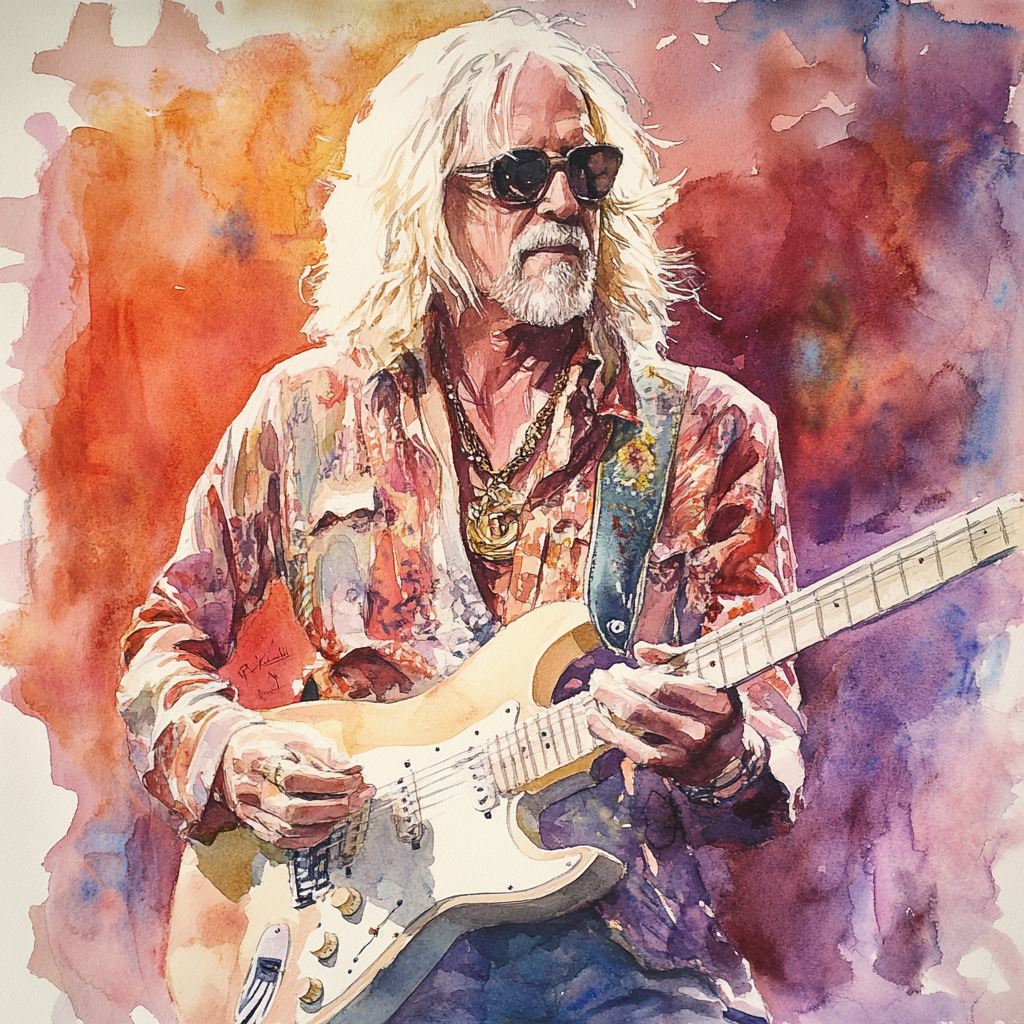
Take Queen, for example. Brian May was their only guitarist, and while he’s incredible, there wasn’t anyone to counterbalance him. Even John Deacon, their bassist, sometimes stepped in with the funky guitar parts, like in “Another One Bites the Dust.” That balance, that complementarity, is something Aerosmith had with Joe Perry and Brad Whitford. And when you think about how Queen blended their voices—Roger Taylor, Freddie Mercury, and Brian May—it’s kind of similar to how Joe and Brad blended their guitars in Aerosmith.
Joe Perry’s Dedication to Tone
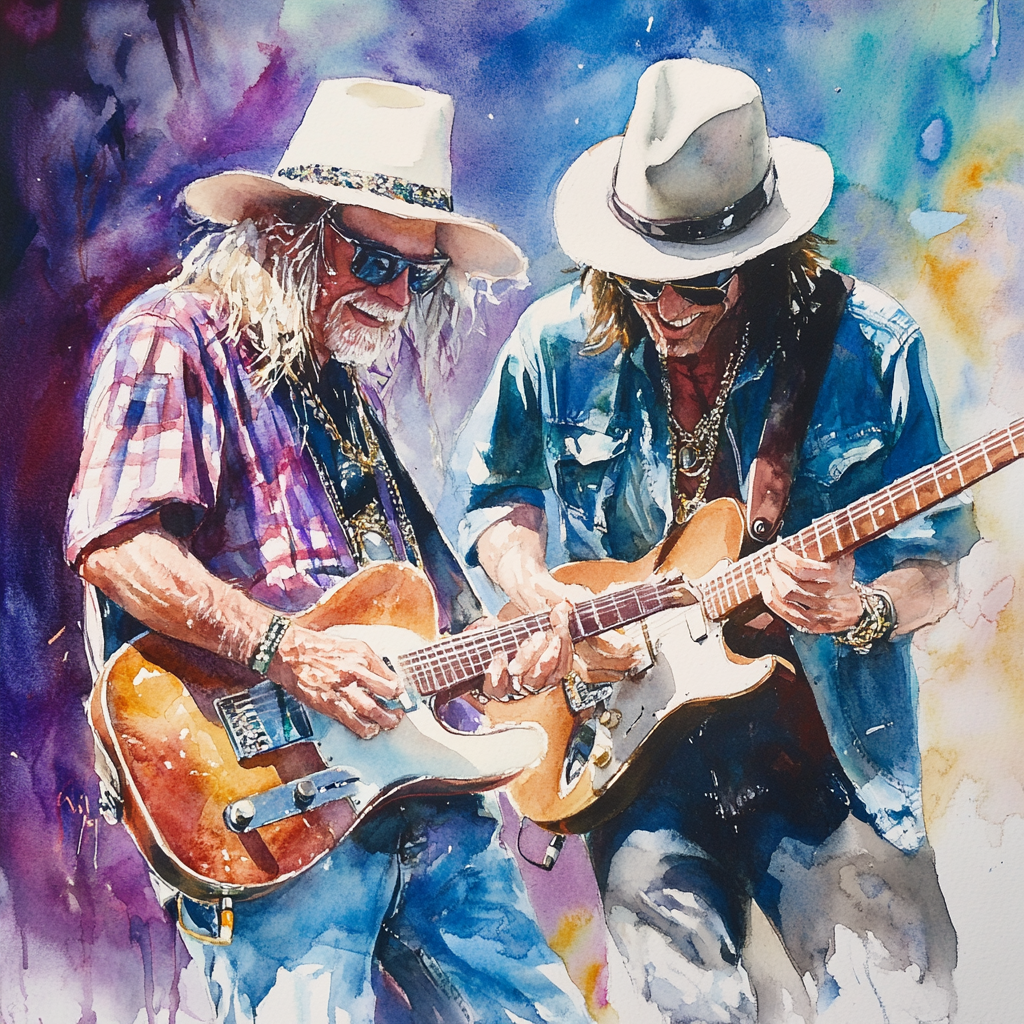
Now, something that deserves major props is Joe Perry’s obsession with tone. He’s talked about how he admired bands like The Beatles because you could really hear the guitars. Later on, as rock got grittier and more distorted, guitars started losing that clarity, but Joe always wanted to keep that tone alive. It’s funny, though, because even though he’s often associated with Gibson Les Paul guitars, he actually prefers playing Fenders, especially the Stratocaster. He loves the tone and the subtle nuances he can get from them. But when it comes to getting that big, aggressive rock sound that Aerosmith is known for, the Fender Stratocaster doesn’t always cut it, so he switches to the Les Paul.
The Legacy of Aerosmith: Inspiration and Influence
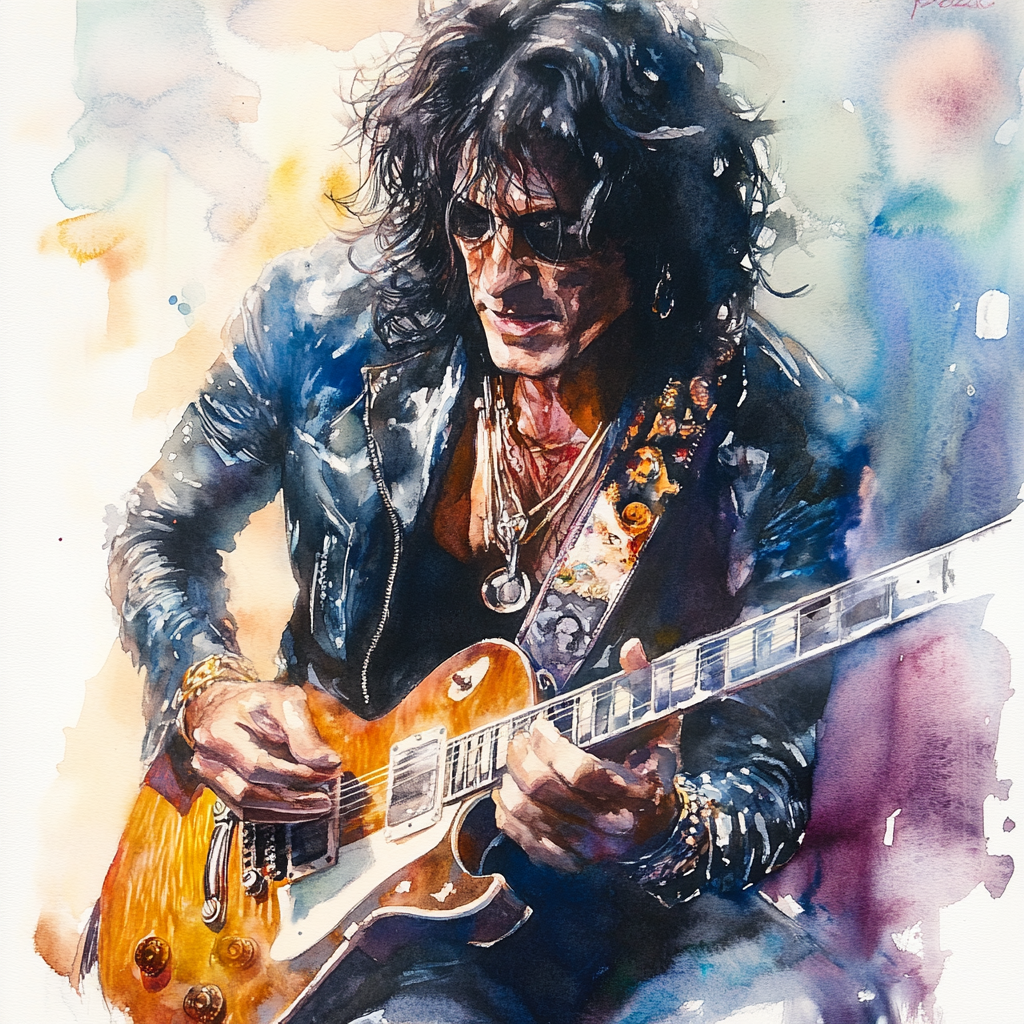
Joe Perry is big on making sure that, even with all the distortion and amps cranked up, you can still tell if he’s playing a Fender or a Gibson. That says a lot about how much he cares about tone and the subtleties of his sound. We could go on and on about all the iconic riffs Aerosmith has created over the years. They’re often compared to Kiss, which makes sense—they’ve both had a huge influence on rock and inspired generations of guitarists. But it’s not just about who influenced who; it’s about the legacy they leave behind. As John Lennon said, “Before Elvis, there was nothing.” And that shift from big orchestras to just a drummer, bass player, guitarist, and singer—that’s what Elvis did, and it hit the Beatles hard. Then, the Beatles influenced guys like Joe Perry and Brad Whitford, and eventually, Aerosmith became this legendary band that’s now saying goodbye.
Looking Forward: Brad Whitford and Joe Perry’s Next Chapter
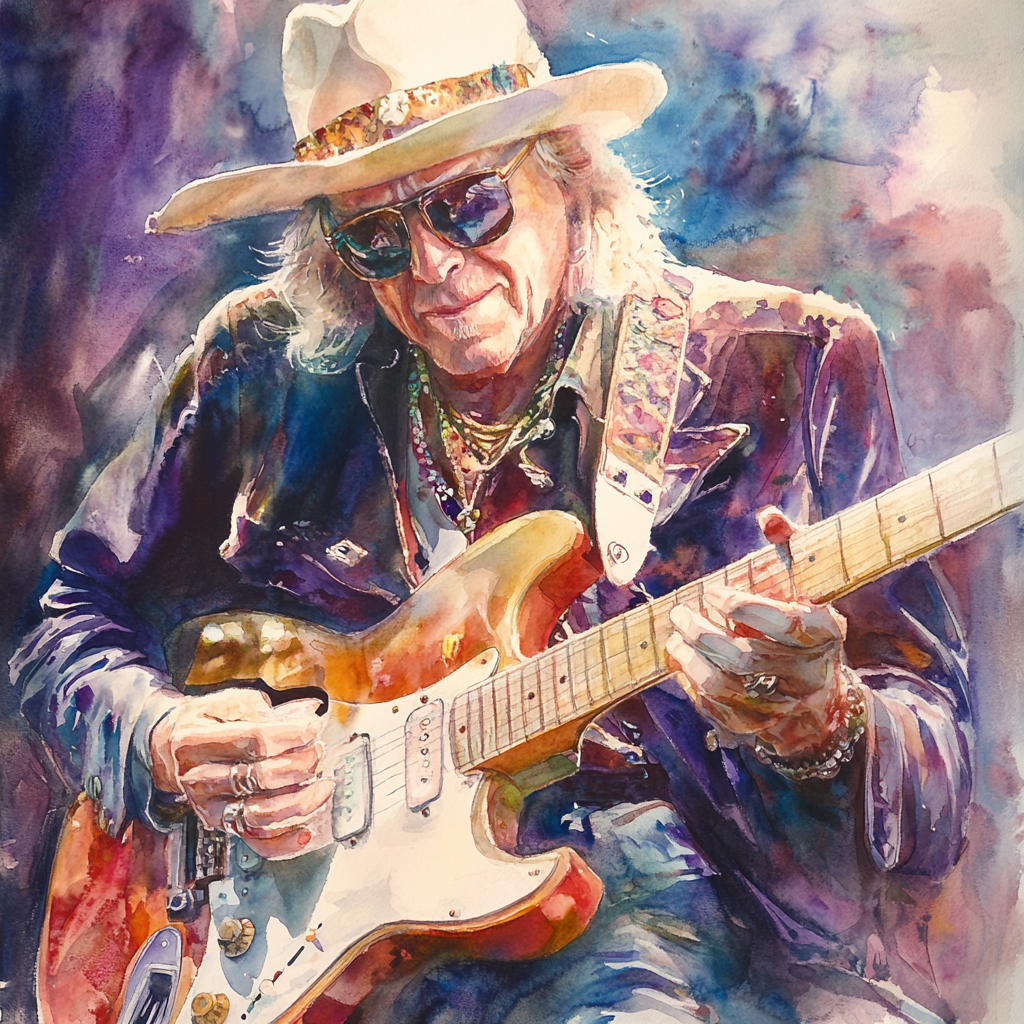
Brad Whitford is the more technically skilled of Aerosmith’s two guitarists. He has remarkable creativity and a deep understanding of music, and it would be awesome to hear more of that from him. As for Joe Perry, he has a wealth of riffs and ideas that might finally see the light of day. Without the pressure of million-dollar tours and with more creative freedom, we could see some real magic happen.
Revisiting Aerosmith’s Early Work
Sure, they had their big MTV hits and movie soundtracks, but there’s something raw and gritty about their early work that’s worth listening to again. Now’s the time to revisit Aerosmith’s music, especially their early stuff. Aerosmith’s been through it all—ups, downs, breakups, reunions—and now they’re finally closing this chapter for good. Unlike those bands that announce farewell tours only to come back a few years later, this really feels like the end for Aerosmith.
The End of an Era and the Beginning of New Possibilities
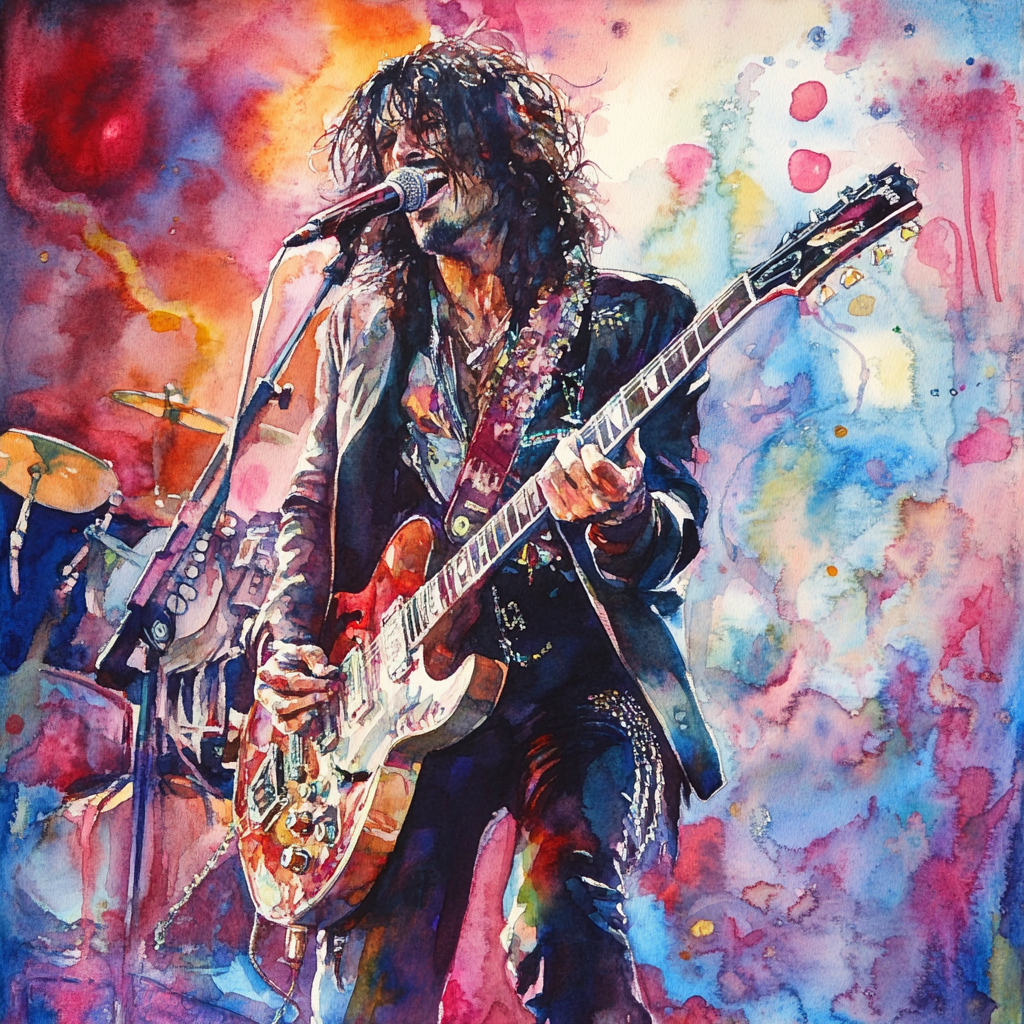
With Steven Tyler’s vocal cord issues, it’s truly the end of an era. But the good news is that new generations of rockers will take what Aerosmith did, learn from it, and create something new, inspired by that legacy. Aerosmith is a band that not only reached musical maturity but also a kind of intellectual and mental maturity over time. So, who knows? This might be a great opportunity for Joe Perry and Brad Whitford to finally step out of Aerosmith’s shadow and do their own thing. Joe Perry’s tried solo projects before, but the weight of Aerosmith always pulled him back. Maybe now they’ll have the freedom to create something new, something different—who knows, maybe even together.
The Opportunity for Reflection and Rediscovery
But maybe it’s also a time for reflection. Joe Perry and Brad Whitford could use this moment to reconnect with their roots, with each other, or to go their separate ways and explore new musical paths. It’s like that story about Pythagoras and his followers, who preferred to listen to him without seeing him—they believed in something called ‘acousmatic listening.’ Maybe we should take a page from that book and listen to Aerosmith’s music in a new way, without the distractions of stage lights and the rocker image. Let’s dive into their studio work, where Joe Perry used 15 different guitars on one album, and really try to hear the subtleties in his tone.”

Let’s also take the time to appreciate Brad Whitford’s guitar work—his riffs, his solos, his contributions to the band’s sound. Aerosmith’s legacy will live on, not just for 50 years, but probably much longer. They’ve carved out a huge chapter in rock history, and their influence is undeniable. Rock isn’t just a genre; it’s a fundamental part of contemporary culture, and bands like Aerosmith have made sure it’ll be around for a long, long time.
 oscaronguitars.com
Leave a comment