
Meet the Icon
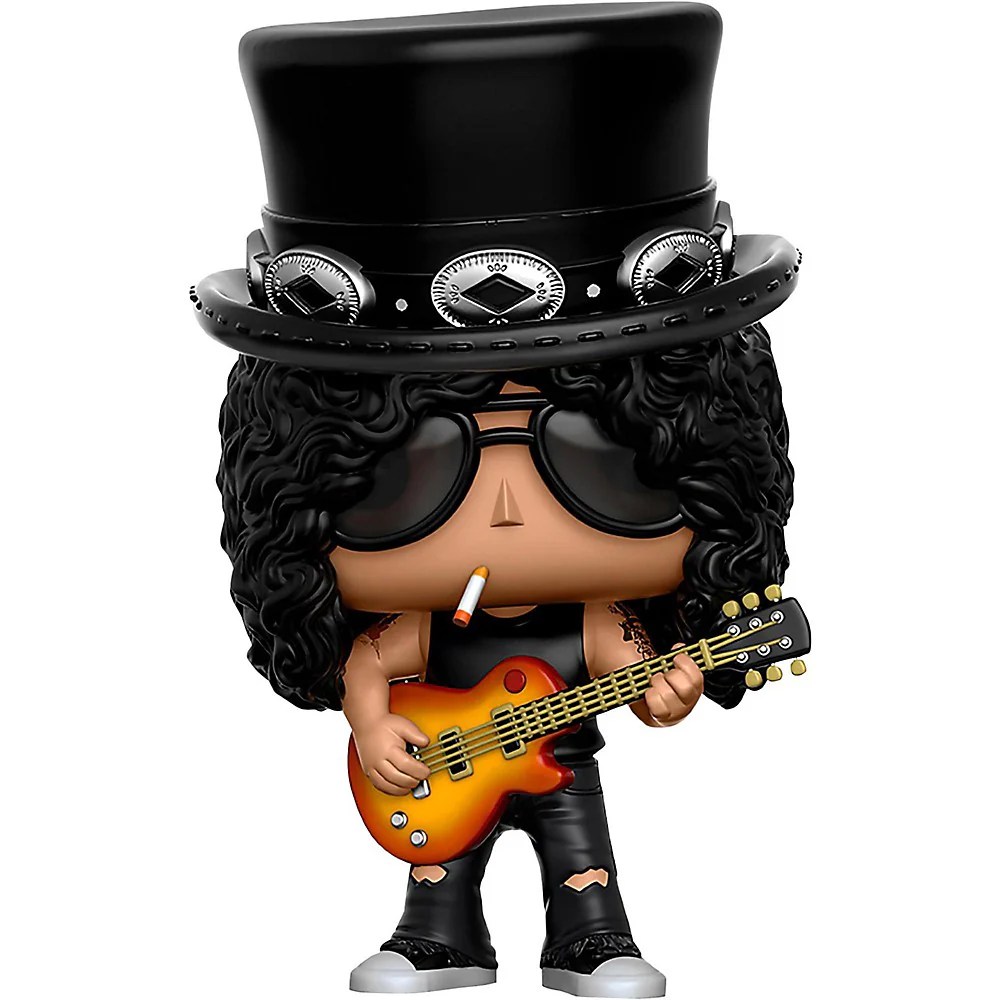
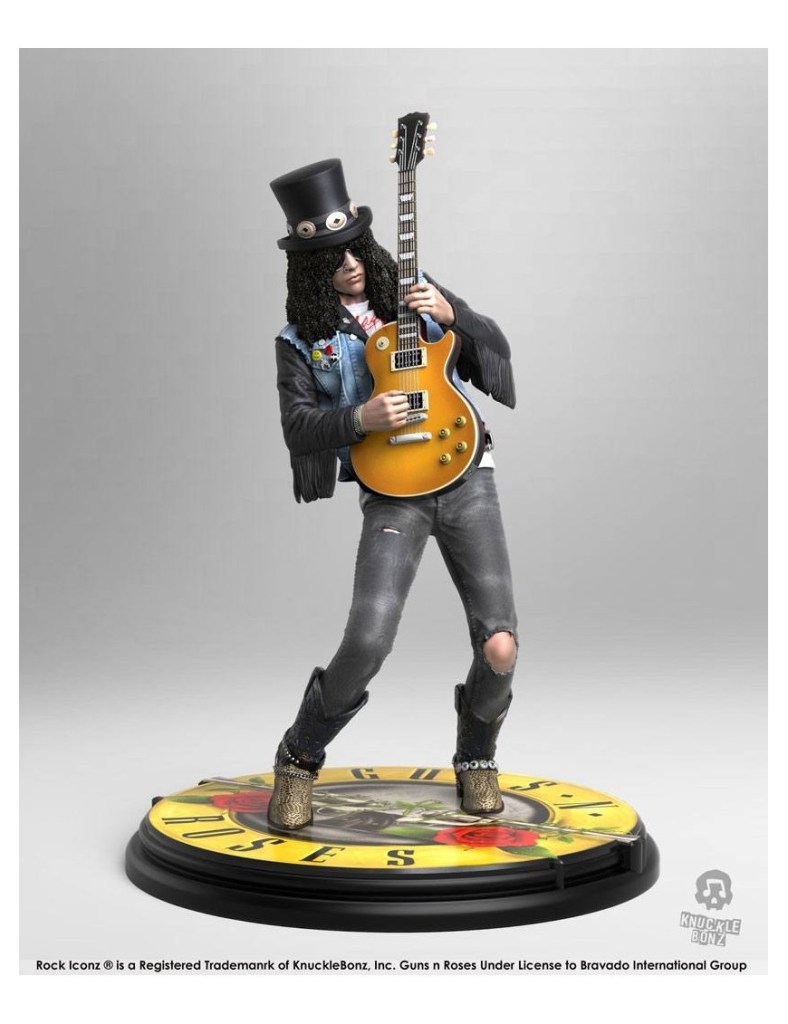
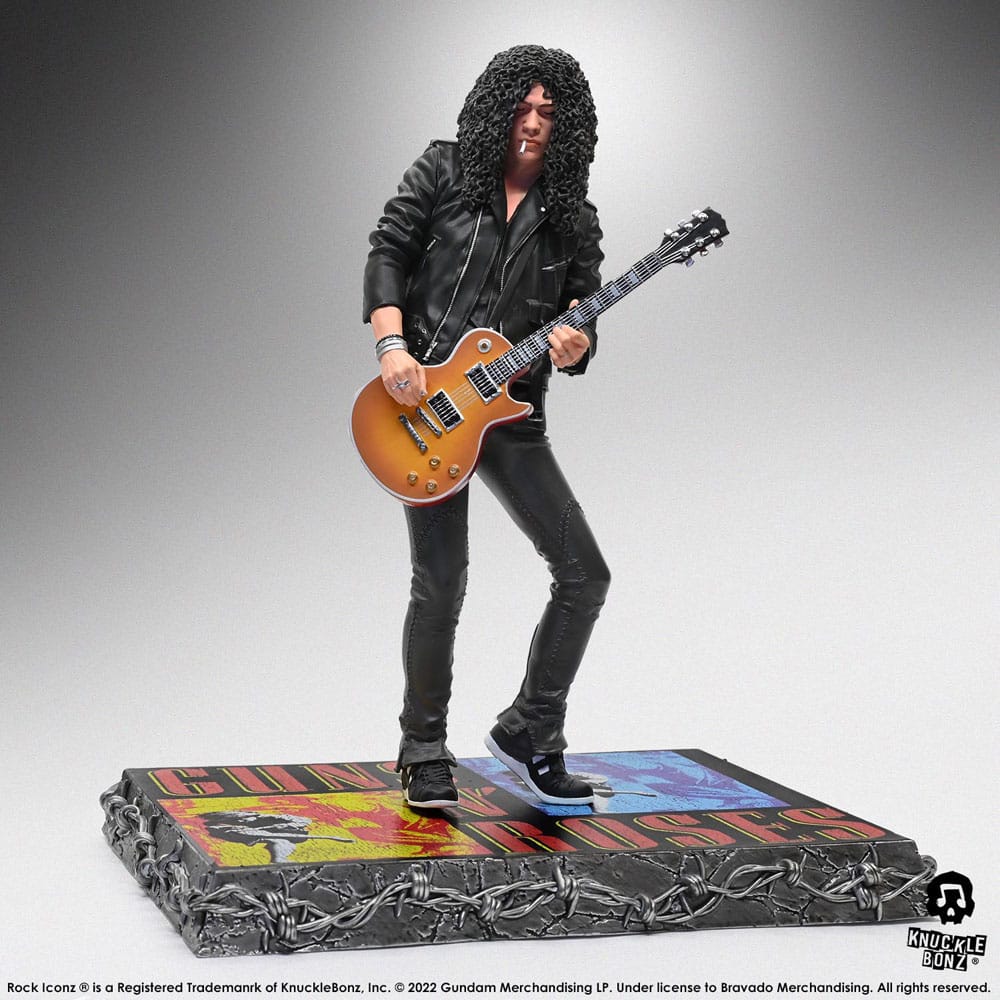
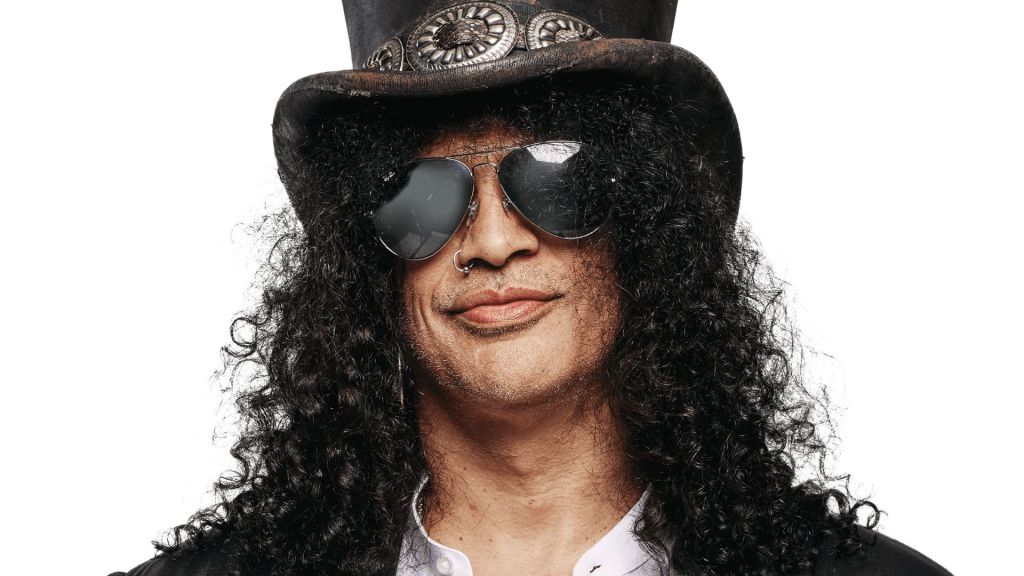
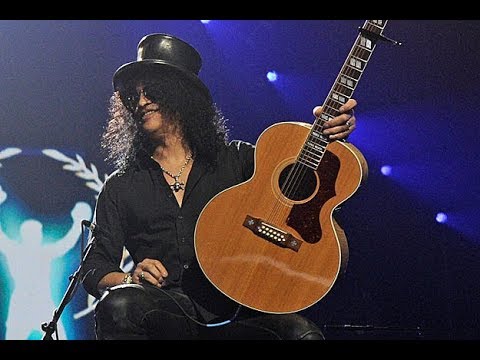
Picture this: it’s the late 80s, and hair metal bands are donning their spandex with guitar solos shredding through the airwaves. Amidst this glitzy chaos, a top-hatted figure with a mane wilder than a lion’s emerges, wielding not the then-popular superstrats, but a Les Paul. This isn’t just anyone—it’s Slash, the legendary guitar player he’s about to spin the guitar world on its head.
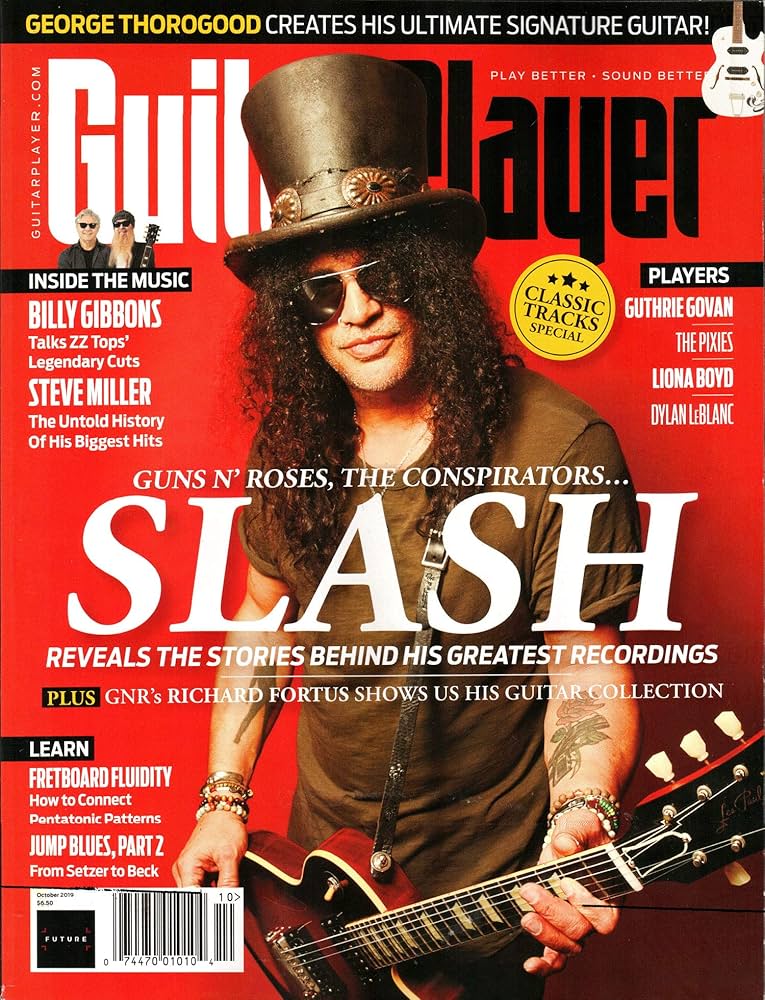
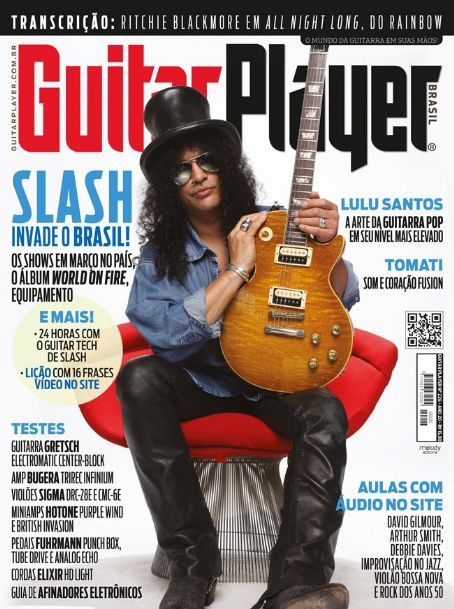
Slash became famous primarily due to his role as the lead guitarist of Guns N’ Roses, where his distinctive style, combining bluesy, hard rock riffs with iconic solos, set him apart in the rock world. His memorable guitar work on tracks like “Sweet Child O’ Mine” and “November Rain,” coupled with his trademark top hat, wild hair, and Les Paul guitar, made him an instantly recognizable figure. Beyond his technical skill, Slash’s ability to create emotionally resonant and melodically complex solos helped define the sound of an era, solidifying his place as a legendary guitarist in rock history.
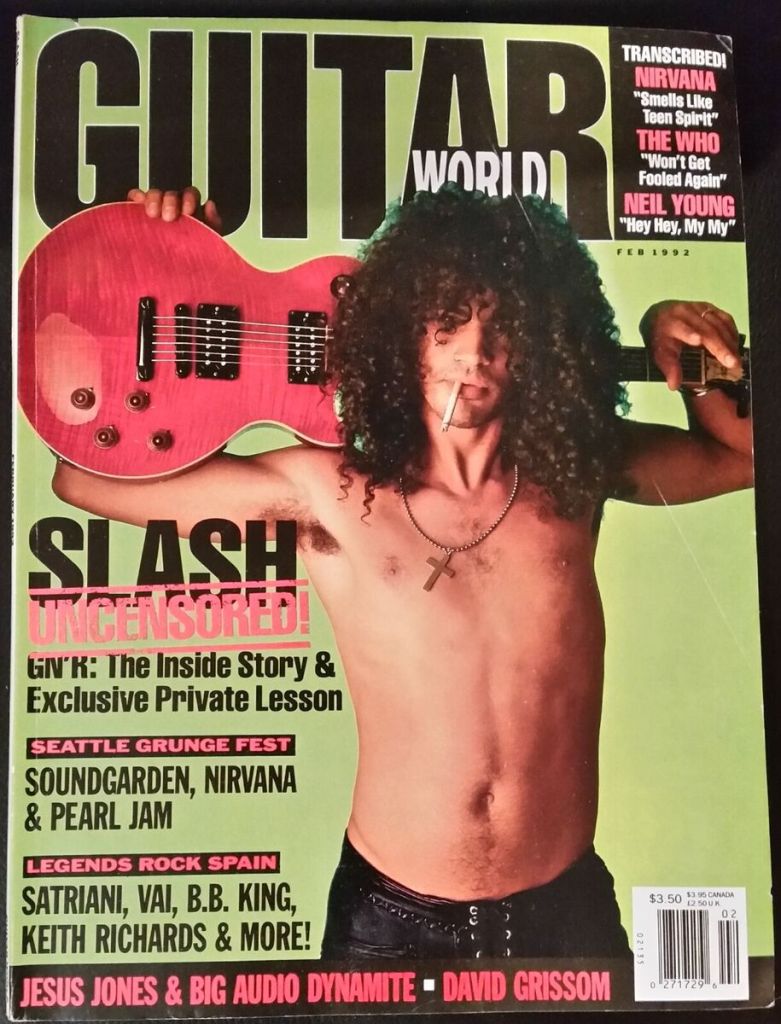
Slash epitomizes the quintessential rockstar—his iconic top hat, wild mane, and ever-present cigarette dangling from his lips, not just as a figure of rock ‘n’ roll but as a cultural phenomenon. From the fiery riffs of “Sweet Child o’ Mine” to his laid-back, almost mystical stage presence, Slash has ingrained himself into the very fabric of music history. He transcends the genre, becoming a role model for both aspiring musicians and those drawn to his rebellious lifestyle. For better or worse, his persona embodies the excesses and allure of rockstar life, influencing fashion, attitude, and music. His impact stretches beyond just music; it’s about an attitude of authenticity and passion. Despite the pitfalls associated with rockstar excesses, Slash’s resilience in overcoming personal struggles also inspires many, showing that redemption is possible without losing the essence of one’s true self. His legacy is not only seen in the countless guitarists he has inspired but in the broader cultural dialogue about the role of artists as icons of personal freedom and expression.
The Les Paul’s Lull
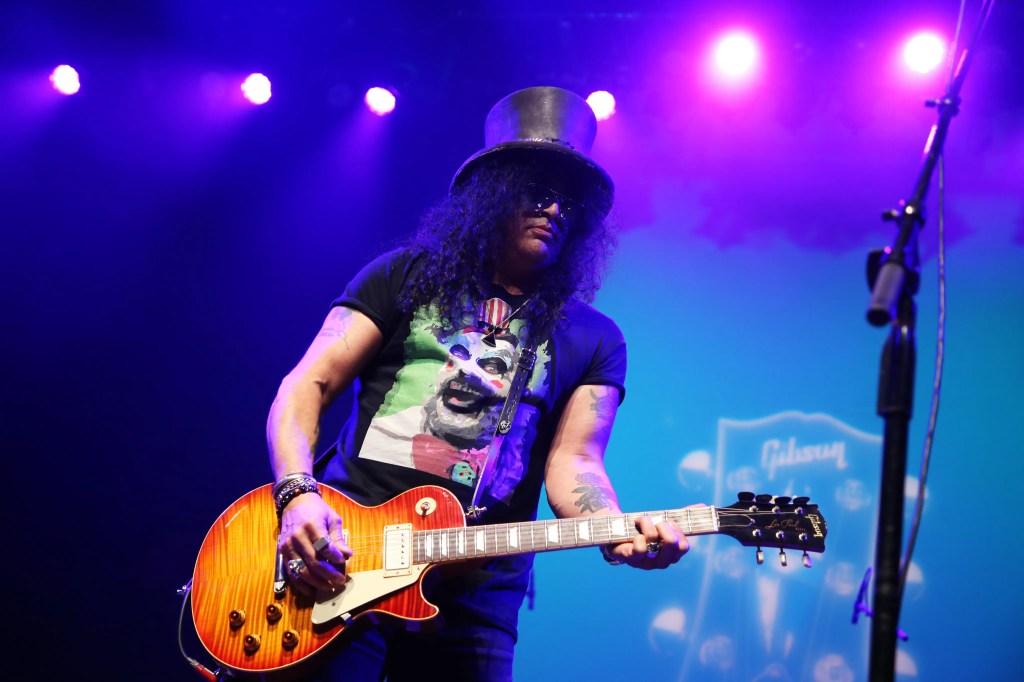
Before Slash strutted onto the stage, the Gibson Les Paul was experiencing what you might call a bit of a nap. In the 1970s and early 80s, guitarists were leaning towards lighter, more modern guitars that promised faster playability and whammy bars that could dive bomb into oblivion. Les Pauls, known for their weighty bodies and rich, warm tones, were considered a bit old-school. Enter Slash, with his curly locks and a Les Paul slung low, belting out the opening riff of “Sweet Child o’ Mine.”
Slash’s Love Affair with Les Paul
So, what was it about Slash that made the Les Paul cool again? Well, it was a mix of his raw talent and the soulful, gritty tones he coaxed out of his Les Paul that reminded everyone why they loved rock ‘n’ roll. His preference for the Les Paul wasn’t just about nostalgia; it was about the connection to a sound that could only be described as timeless. When “Appetite for Destruction” hit the airwaves, it wasn’t just an album release; it was a resurrection of an icon.
A New Generation Listens
Slash’s impact went beyond just reviving a guitar model; he inspired a whole generation to pick up a Les Paul and channel their inner rock star. Suddenly, music stores saw a surge in teenagers wanting to emulate their new hero, asking for “the guitar Slash uses.” Gibson even released a Slash Signature model, solidifying his influence and ensuring that the Les Paul’s legacy would continue.
Top 5 Gibson guitars on Slash collection
- 1959 Gibson Les Paul Standard Replica – Arguably the most famous guitar in Slash’s arsenal, this replica of the 1959 Les Paul Standard, crafted by luthier Kris Derrig, played a crucial role in the recording of Guns N’ Roses’ iconic album, “Appetite for Destruction.”
- Gibson Les Paul Goldtop – Among the several Goldtops Slash owns, the most notable is his 1987 Gibson Les Paul Goldtop. It is renowned for its creamy, warm tone and has been a staple in both studio sessions and live performances.
- Slash Signature Les Paul Standard – Over the years, Gibson has released several Slash signature models reflecting his unique specifications. These guitars feature details like his custom neck profile, unique finishes, and Alnico II pickups.
- Gibson Les Paul 1958 Reissue – Slash has a few of these reissues, which he often uses on stage and in the studio. They’re built to the specifications of the original 1958 models, known for their heavier bodies and warm, resonant tones.
- Gibson Les Paul Double Neck – Used notably for the live performances of “Knockin’ on Heaven’s Door,” this guitar features two sets of necks—one twelve-string and one six-string—allowing Slash to switch between different sounds seamlessly during a song.
Not Only of Gibson Lives Slash
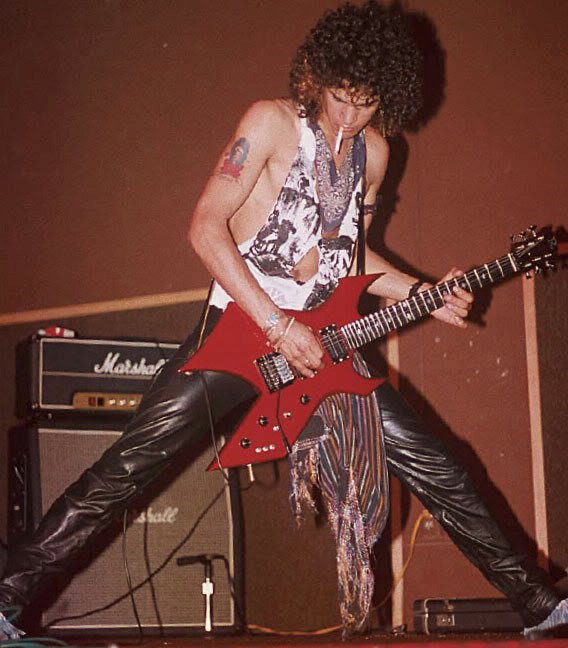
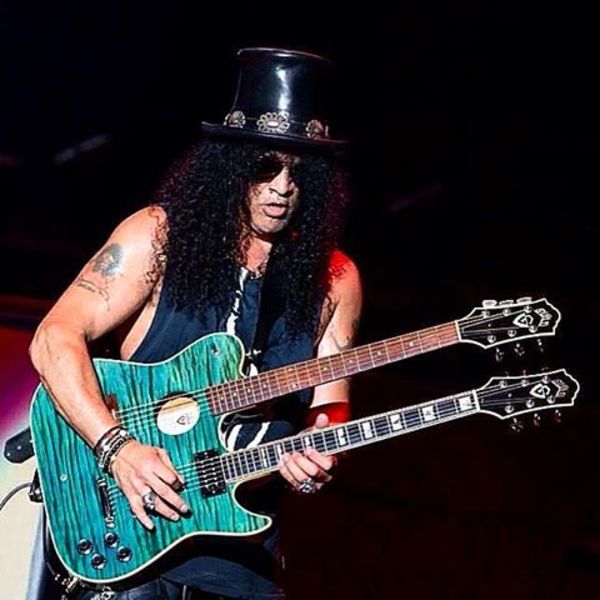
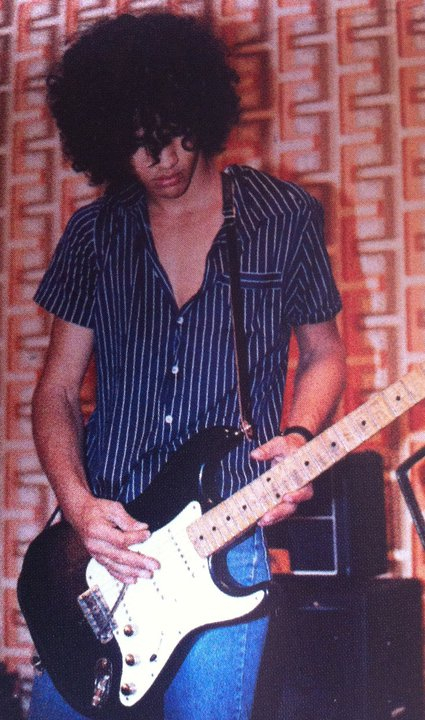
While Gibson Les Pauls are synonymous with Slash’s signature sound, the iconic guitarist has also rocked stages and studios with an array of non-Gibson guitars that hold significant places in his musical journey. Among these, the BC Rich Mockingbird stands out for its early appearance during Guns N’ Roses’ formative years. The Fender Stratocaster has made occasional cameos, providing a crisper tone for certain tracks. Slash has also wielded a Martin Acoustic, especially for the acoustic sets and softer ballads. For a touch of something exotic, he’s played the Guild Crossroads double neck, used for its versatility during live performances. Lastly, the Travis Bean TB1000 adds a rare and distinctive flavor to his collection, showing that Slash’s guitar preferences span well beyond the realm of Gibson’s craftsmanship. Each of these instruments reveals a facet of Slash’s ability to create rich, dynamic sounds across a spectrum of musical styles.
Slash Sounds for All: Affordable Epiphone Signature Models
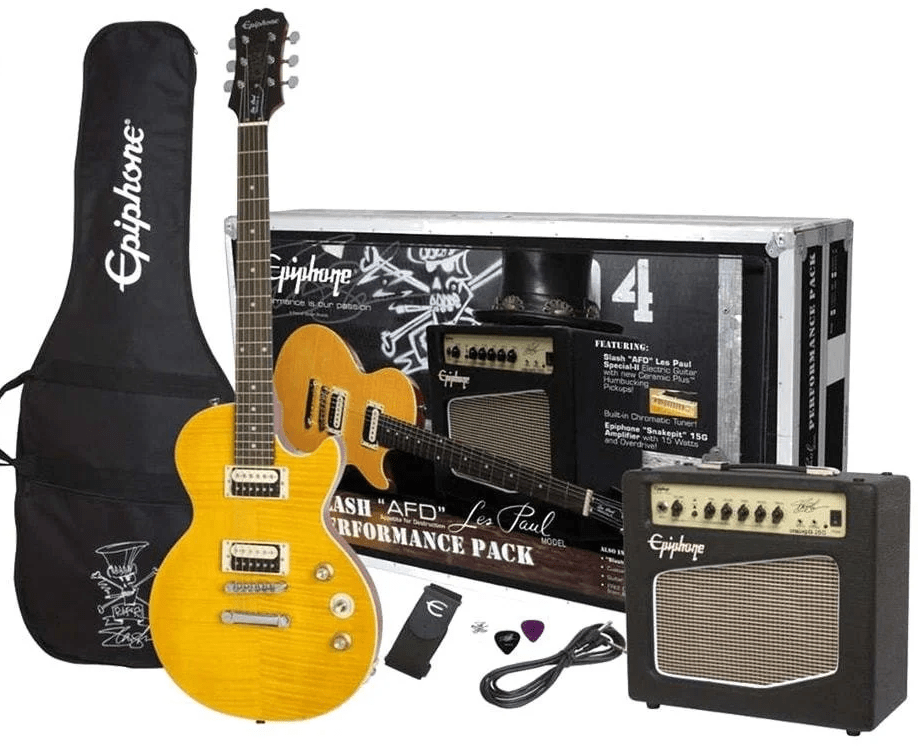
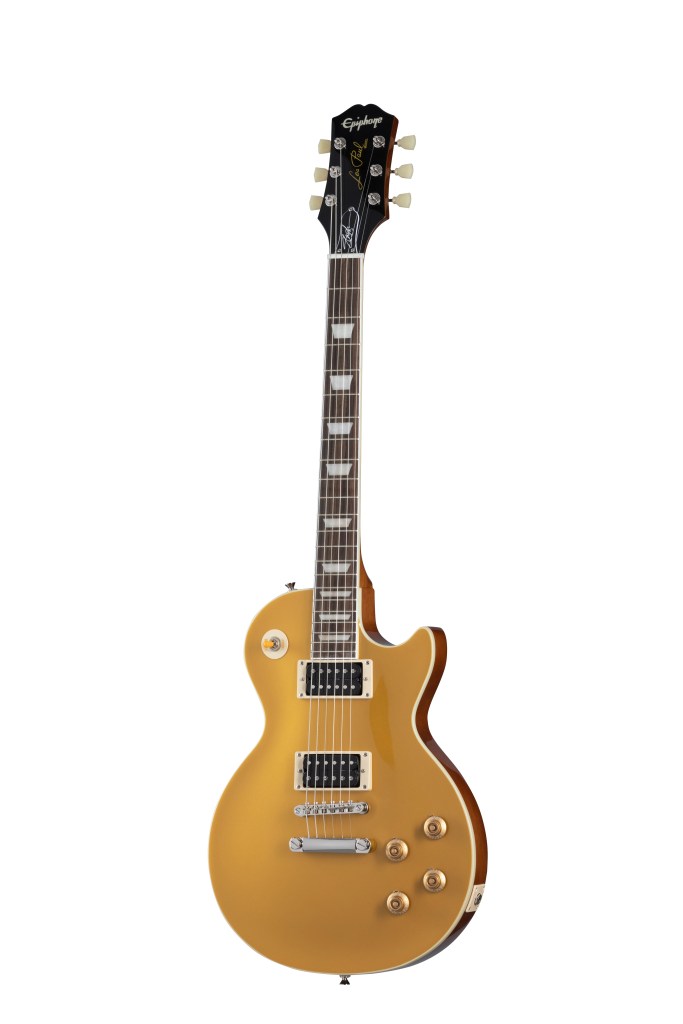
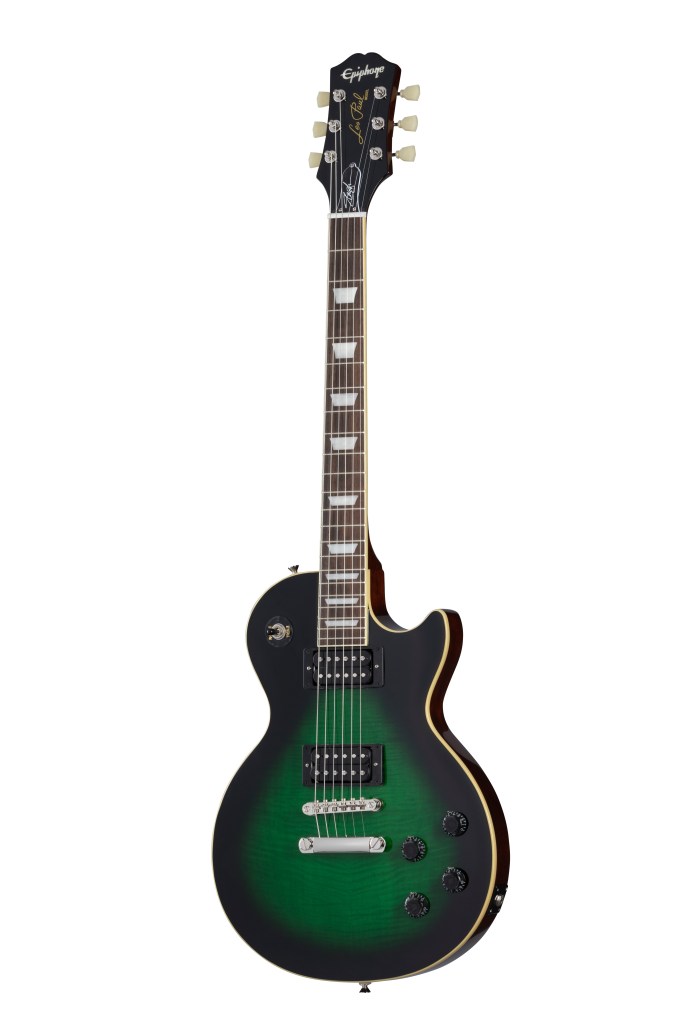
For fans and aspiring guitarists looking to emulate Slash’s iconic sound without breaking the bank, the Epiphone Slash Signature series offers a superb solution. These guitars, crafted under Slash’s direct oversight, bring his distinctive style and specifications into a more accessible price range. Models like the Epiphone Slash “Appetite” Les Paul Special-II feature a custom “Appetite Amber” finish with premium appointments such as a solid mahogany body and Slash’s own “Seymour Duncan Slash Alnico II Pro” pickups, typically priced around $250 to $300. The Epiphone Slash Les Paul Standard Plustop Pro comes in a variety of finishes, providing the classic Les Paul feel with upgraded electronics for enhanced sonic versatility, and is available for about $800 to $900. These instruments ensure that every player, from beginner to seasoned enthusiast, can afford a piece of the rock legend’s legacy, making the dream of wielding a Slash-inspired guitar a reachable reality.
Powering the Legend: Slash’s Favorite Amplifiers
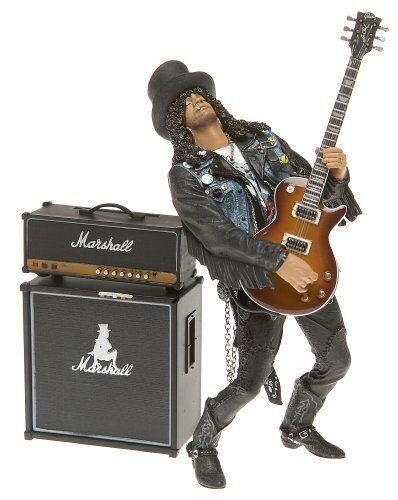
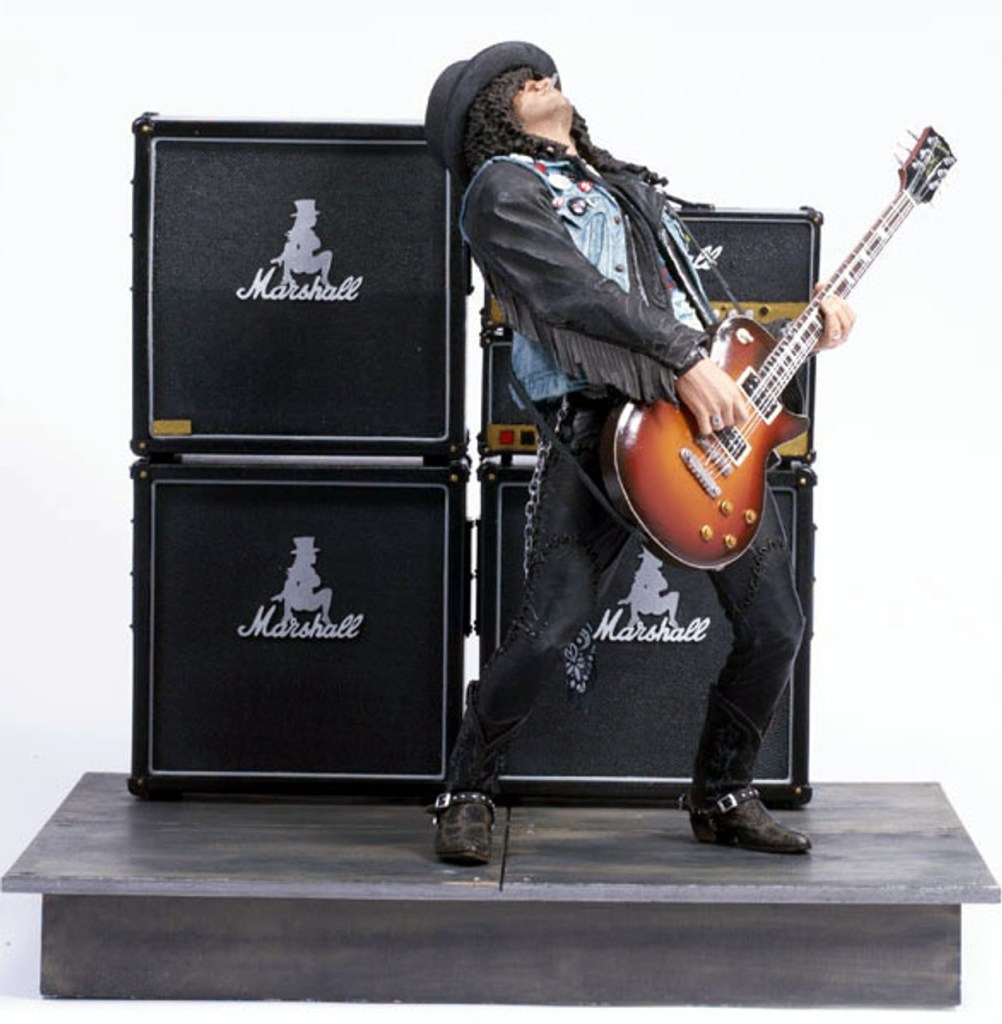
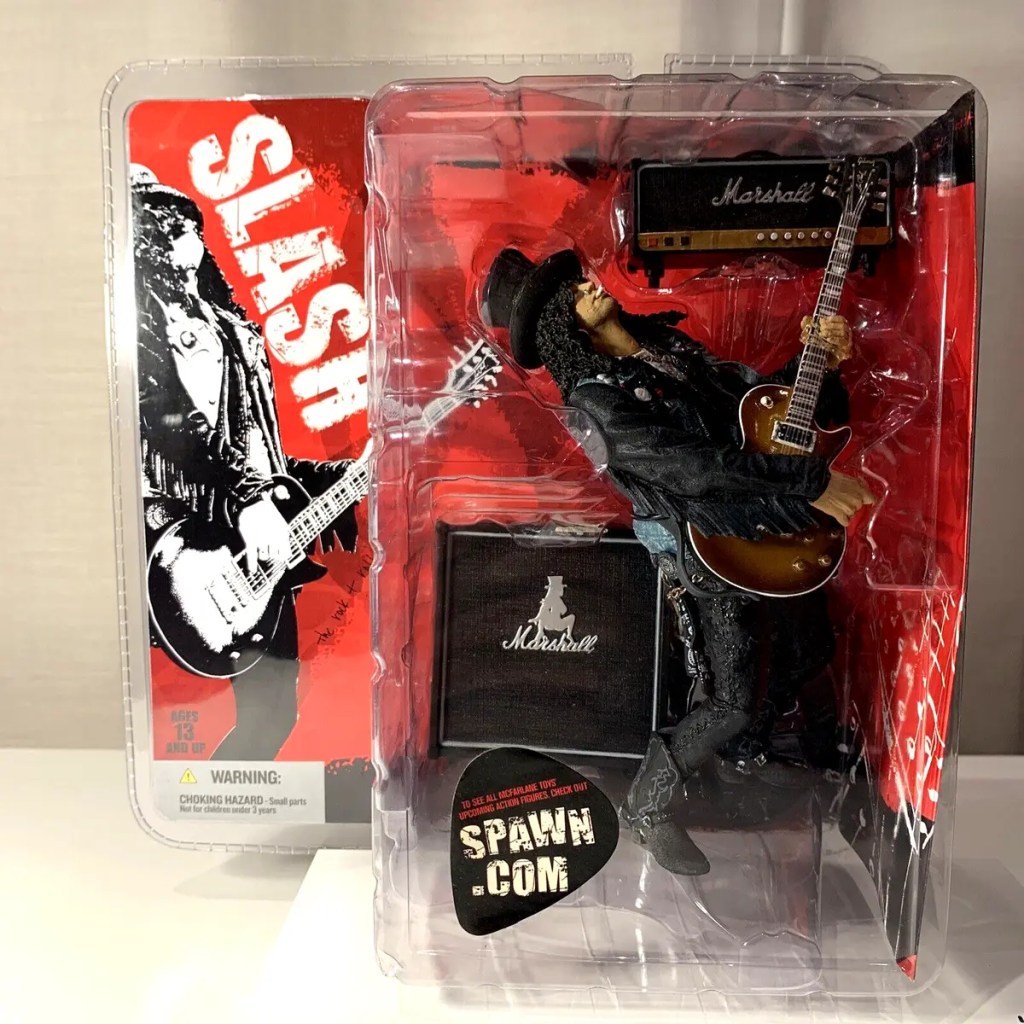
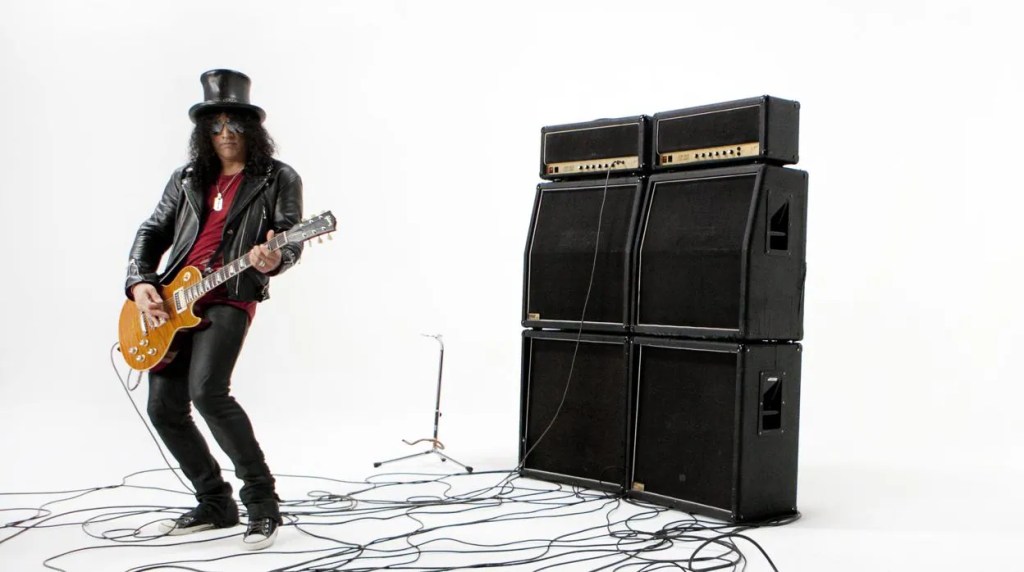
Slash’s iconic tone isn’t just about his choice of guitars; it’s equally about the amplifiers he uses to bring his music to life. A staple in his setup is the Marshall JCM 2555 Silver Jubilee, which became his go-to amp early in his career and was later reissued as a signature model due to its critical role in the Guns N’ Roses sound. The Marshall AFD100, a part of the “Appetite for Destruction” series, specifically replicates the unique tones from the band’s debut album. For versatility, Slash also utilizes the Marshall JCM800, known for its powerful high-gain output, perfect for his solos. On acoustic sets, he often switches to the Marshall AS100D, designed to handle the nuances of acoustic guitar amplification. Additionally, the Marshall 1960AV Vintage Cabinet complements his heads with its deep, resonant voicing, rounding out his robust stage and studio presence. Together, these amps underscore Slash’s profound impact on rock guitar tone, demonstrating his meticulous approach to achieving the perfect sound.
Conclusion: The Legacy Continues
Today, the image of Slash standing amidst a cloud of stage smoke, ripping through solos with his Les Paul, remains etched in the minds of rock enthusiasts. His revival of the Les Paul wasn’t just about bringing back a piece of musical equipment; it was about reviving a culture, a way of expressing music that’s as raw as it is refined. Thanks to Slash, the Les Paul isn’t just a relic; it’s a living legend that continues to inspire musicians around the globe. Whether it’s in a dusty garage or a grandiose arena, the spirit of rock ‘n’ roll lives on, one Les Paul riff at a time.



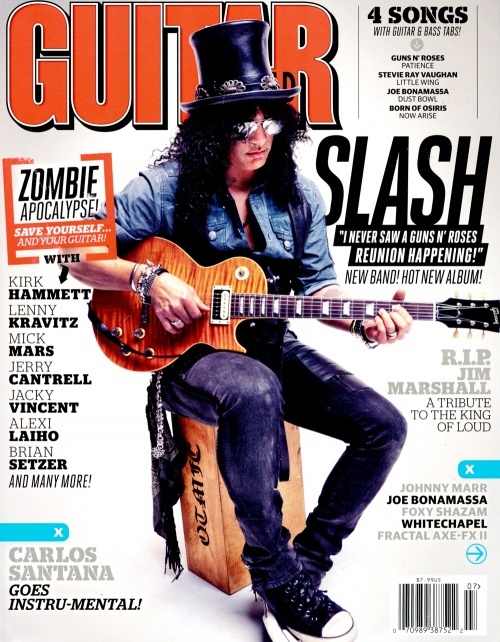
Bonus Track: 10 Slash facts
Here are ten interesting facts about Slash (real name – Saul Hudson, the 11th fact):
- Birthplace Variety: Although widely recognized as an American rock icon, Slash was actually born in Hampstead, London. His multicultural background includes a British mother and an African-American father.
- Artistic Roots: Before fully committing to music, Slash was an avid artist in his youth. He used to create album covers for his bands.
- First Guitar: Slash’s first guitar was a one-stringed Spanish guitar he received at age 15, which he used to learn by playing along to records.
- School with Lenny Kravitz: Slash attended high school with another future music star, Lenny Kravitz. They both went to Beverly Hills High School.
- Early Band: Before Guns N’ Roses, Slash played in a band called Road Crew, named after the Motörhead song “(We Are) The Road Crew.”
- Animal Lover: Slash is a well-known animal lover, particularly of reptiles. At one point, he had a pet snake collection that included over 80 snakes.
- Film Appearances: Beyond music videos, Slash has cameo appearances in films, including a role in “The Dead Pool” (1988), where he played alongside his band members.
- BMX Rider: In his early teens, Slash was a professional BMX rider, participating in competitions and performing stunts.
- First Concert: The first concert he ever attended was a Bill Haley show, accompanied by his father and grandmother.
- Pseudonym Origin: His nickname, “Slash,” was given by family friend Seymour Cassel, because he was always in a hurry, zipping from one thing to another.

 oscaronguitars.com
Leave a comment