
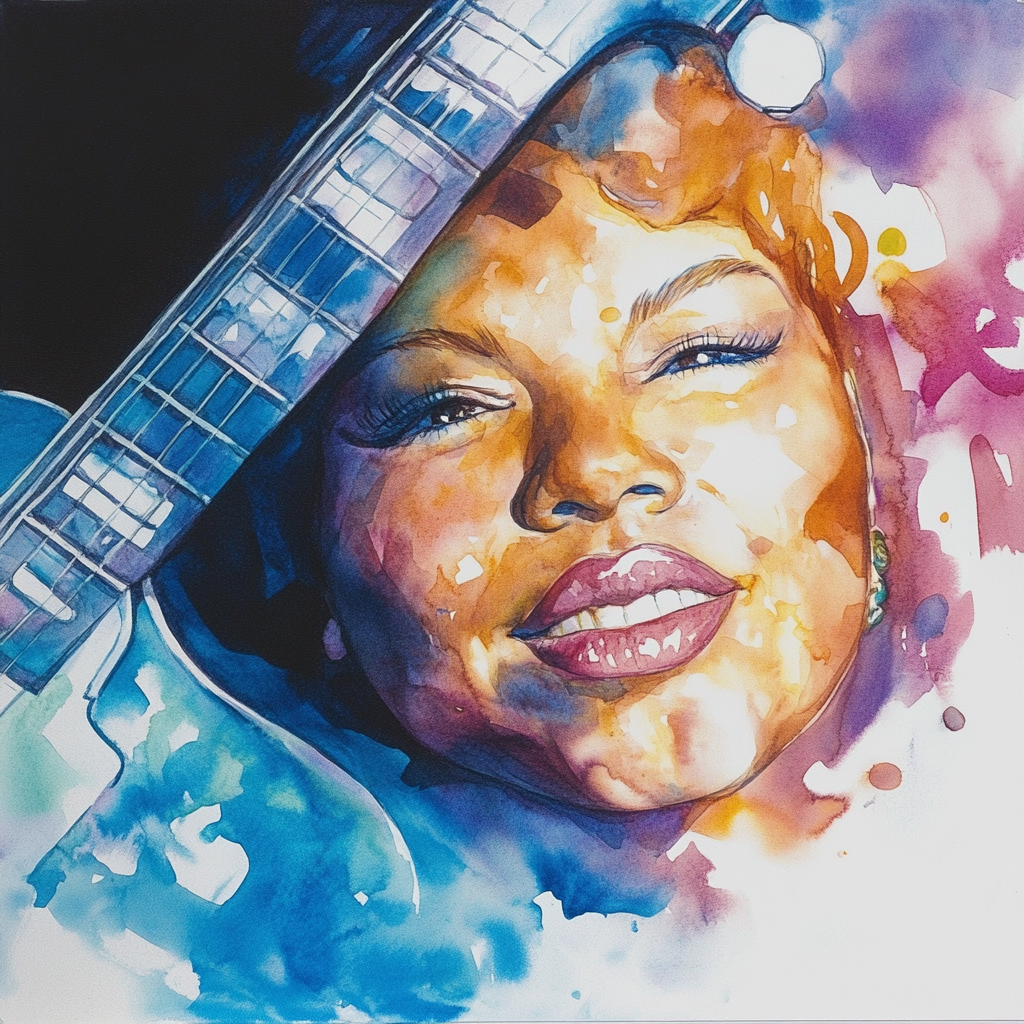
Sister Rosetta Tharpe may not be a household name, but her impact on the world of music is undeniable. As a trailblazer who fused gospel with electric guitar, she laid the foundation for what would become rock and roll. From her early days performing in churches to becoming one of the first gospel artists to cross into the secular music world, Tharpe’s groundbreaking style and electrifying performances inspired legends like Elvis Presley and Chuck Berry. Today I want to share with you her incredible journey and lasting legacy as the “Godmother of Rock and Roll.”
From Gospel Roots to Rock Pioneer
Born on March 20, 1915, in Cotton Plant, Arkansas, Sister Rosetta Tharpe was a trailblazing musician whose fusion of gospel music with electric guitar influenced the birth of rock and roll. Known for her charismatic stage presence, powerful voice, and innovative guitar playing, Tharpe broke new ground as one of the first artists to bring gospel music into the mainstream while also pioneering the electric guitar as a lead instrument in popular music.
A Career that Bridged Worlds
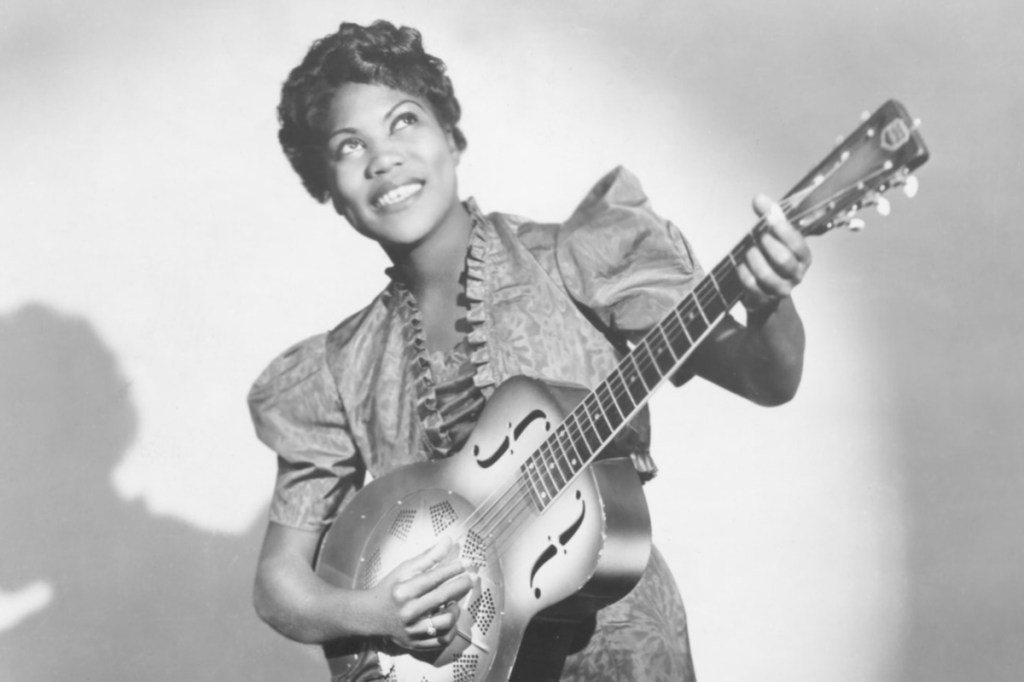
Tharpe’s career began in the 1930s, when she performed in churches across the American South with her mother. Her big break came in the late 1930s after moving to New York City, where she began recording for Decca Records. Her early recordings, such as “Rock Me” and “This Train,” showcased her ability to blend sacred music with secular sounds, creating a unique style that appealed to a broad audience. Throughout her career, Tharpe continued to push boundaries, performing in nightclubs, concert halls, and even alongside jazz and blues musicians, all while maintaining her deep gospel roots.
Iconic Tracks: The Birth of Rock and Roll
Sister Rosetta Tharpe’s music is characterized by its infectious energy and groundbreaking guitar work:
- “Strange Things Happening Every Day” – Recorded in 1944, this track is considered by many to be one of the first rock and roll records, blending gospel with a boogie-woogie rhythm.
- “Didn’t It Rain” – A live performance favorite, this song features Tharpe’s powerful vocals and her signature rhythmic guitar strumming.
- “Up Above My Head” – A gospel classic that showcases Tharpe’s ability to create a joyful, uplifting sound with her voice and guitar.
- “Rock Me” – One of her earliest hits, this song exemplifies her innovative fusion of gospel music with secular rhythms and bluesy guitar licks.
Gear and Technique: A Guitar Innovator
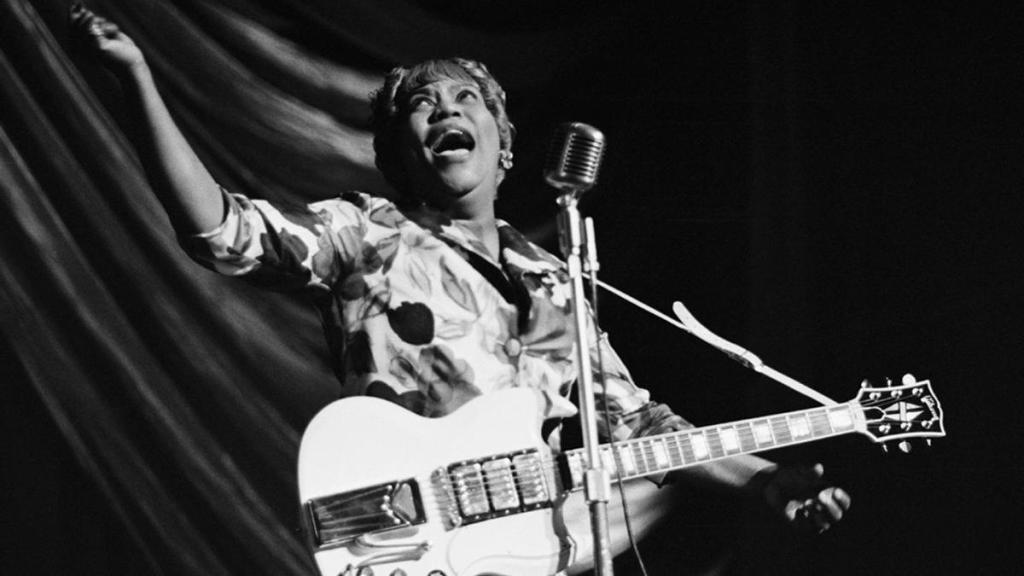
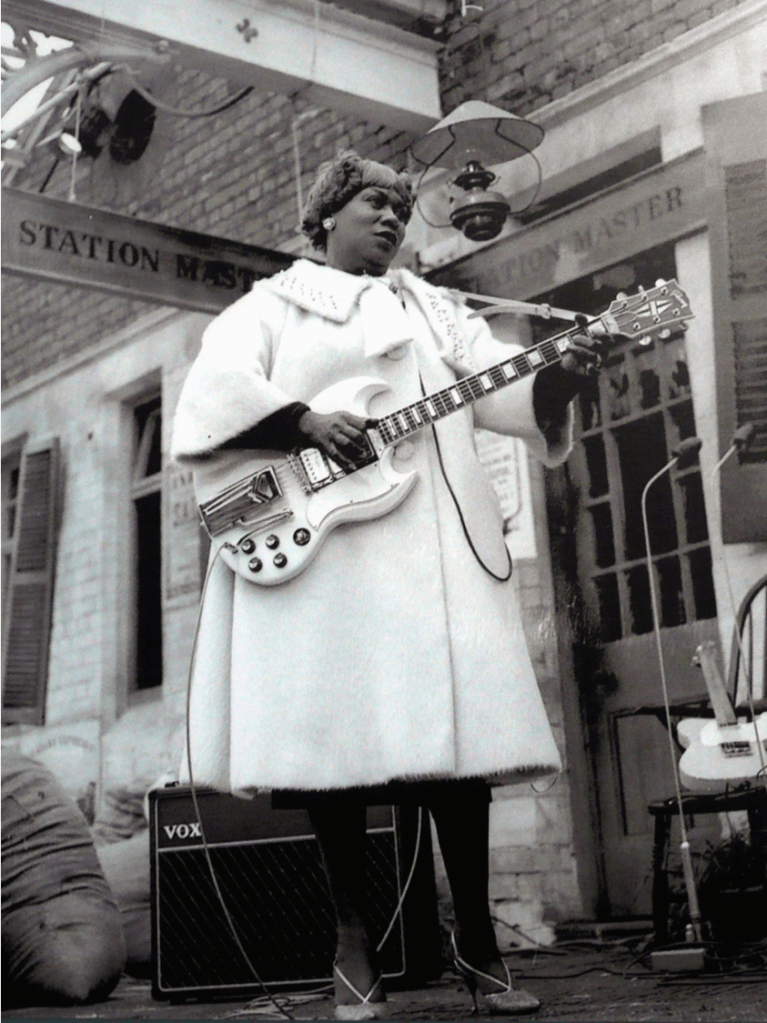
Sister Rosetta Tharpe was known for her use of the electric guitar, particularly the Gibson SG, which she wielded with an authority and skill that were groundbreaking at the time. Her playing style combined fingerpicking with strumming, allowing her to produce complex rhythms and melodies simultaneously.
Influence and Impact
Sister Rosetta Tharpe’s influence on music is profound and far-reaching. She directly influenced many early rock and roll pioneers, including Elvis Presley, Johnny Cash, Chuck Berry, Little Richard, and Jerry Lee Lewis. Tharpe’s ability to bring gospel music into the secular arena while pioneering the electric guitar as a lead instrument earned her the title of the “Godmother of Rock and Roll.” Her impact continues to be recognized today, as she has been inducted into the Rock and Roll Hall of Fame and is celebrated as one of the foundational figures in the development of rock music.
Conclusion: The Enduring Legacy of Sister Rosetta Tharpe
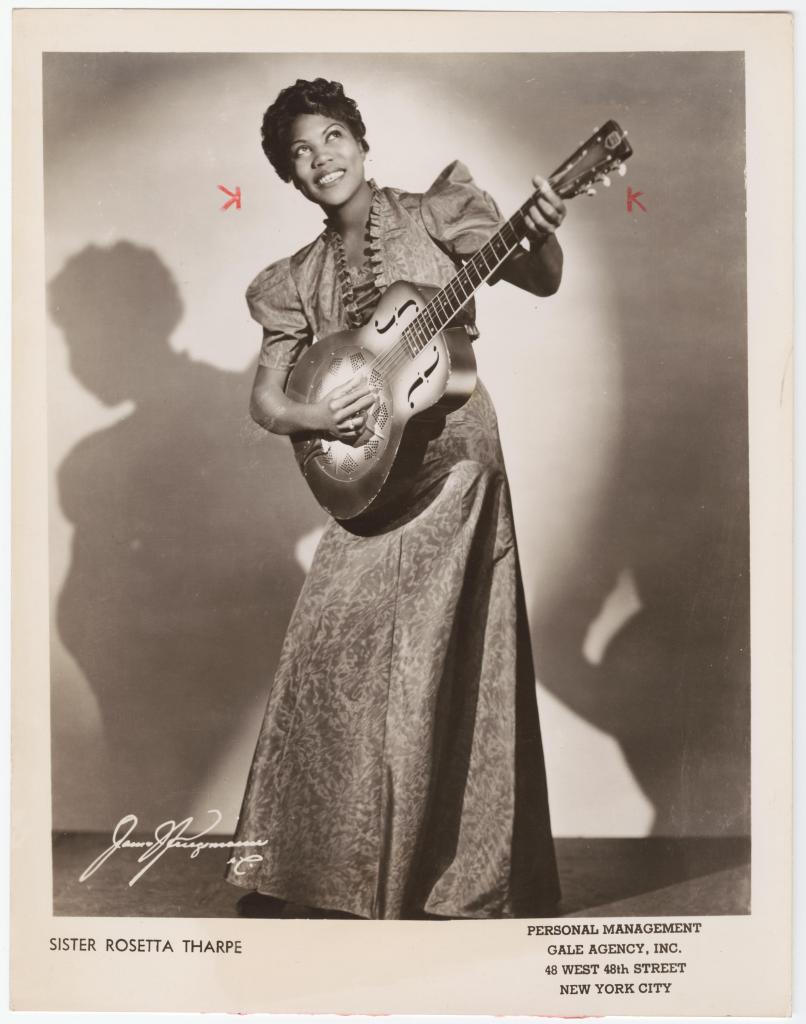
Sister Rosetta Tharpe remains an iconic figure in American music history, celebrated for her groundbreaking contributions to gospel, blues, and rock and roll. Her innovative guitar playing and charismatic performances paved the way for the electrification of music and the rise of rock and roll. Tharpe’s legacy is one of breaking barriers, blending genres, and inspiring generations of musicians.
Bonus Track: 10 Facts About Sister Rosetta Tharpe
- Early Start: Began performing at the age of four, touring with her mother as a gospel singer.
- First Recording: Made her first recordings in 1938, which were among the first gospel songs to gain popularity in the secular market.
- Trailblazer: One of the first artists to use electric guitar in gospel music, influencing the sound of future rock and blues musicians.
- Crossover Artist: Successfully crossed over from gospel to secular music, performing in venues typically reserved for jazz and blues artists.
- Television Pioneer: One of the first black women to perform on television, helping to bring her music to a broader audience.
- Unconventional Venues: Played in nightclubs, theaters, and concert halls, often bringing gospel music to places where it was previously unheard.
- Live Performances: Known for her dynamic live performances, where she would often play guitar while singing and moving energetically across the stage.
- Inspiration to Legends: Inspired many rock and roll legends, including Elvis Presley, Johnny Cash, and Chuck Berry, who cited her as a major influence.
- Cultural Impact: Left a lasting impact on the development of rock and roll, leading to her posthumous induction into the Rock and Roll Hall of Fame in 2018.
- Rediscovered Legacy: In recent years, Tharpe’s contributions have been increasingly recognized and celebrated, securing her place in the pantheon of American music icons.
 oscaronguitars.com
Leave a comment