
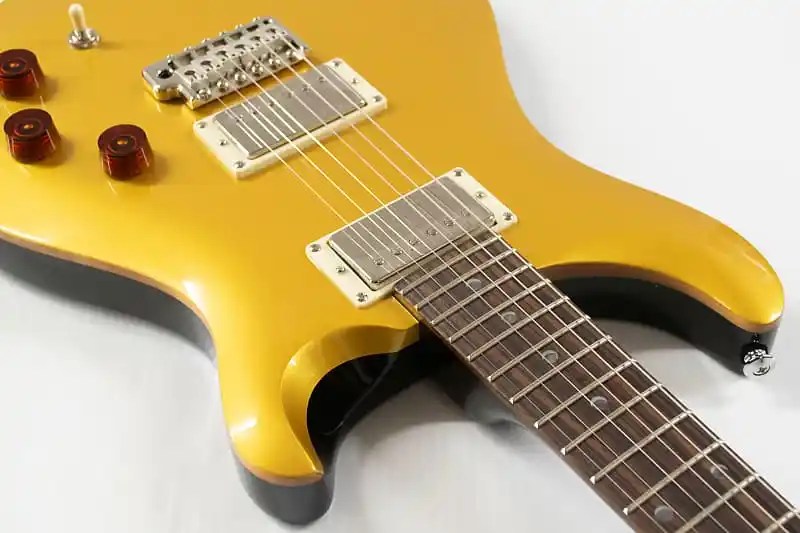
I’ll be honest—I hadn’t even heard of David Grissom before discovering the PRS SE DGT. But this guitar? It’s impossible to ignore. Inspired by Grissom’s signature blend of rock, blues, and country, this instrument delivers a masterclass in tone and playability. Born from PRS’s premium Core series, the SE DGT packs all the character of a high-end guitar into a more accessible package. Whether you’re a fan of Grissom’s work or just on the hunt for a versatile, well-crafted instrument, this Goldtop beauty deserves your attention. Let’s dive into what makes it such a standout.
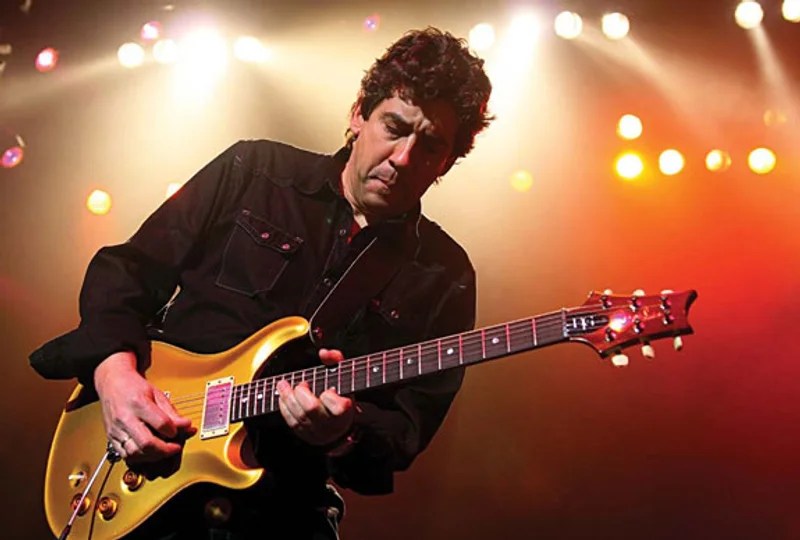
DGT + PRS + SE = MAGIC
David Grissom’s collaboration with PRS Guitars is rooted in a long-standing professional relationship built on shared values of tone, craftsmanship, and musical versatility. Grissom, a highly respected session and touring guitarist known for his articulate phrasing and refined blues-rock sensibility, worked closely with Paul Reed Smith to develop his original PRS DGT (David Grissom Trem) signature model.
Introduced as a U.S.-made instrument, the DGT was designed to reflect Grissom’s exacting performance requirements: vintage-inspired tones, exceptional tuning stability, precise playability, and a level of sonic balance that could adapt seamlessly from studio work to live performance.
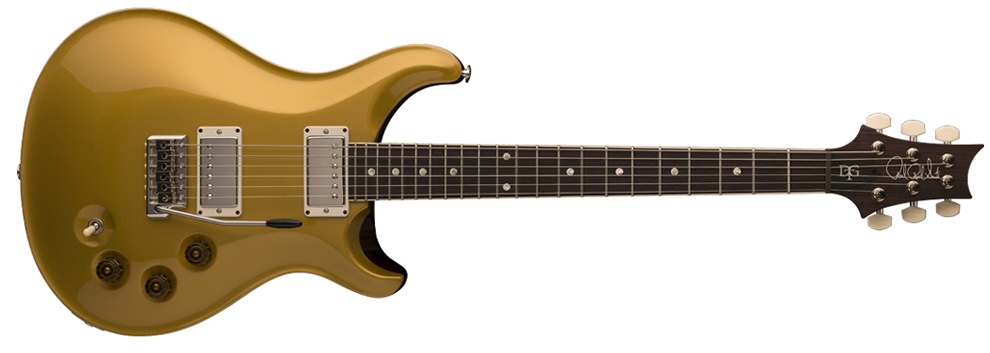
As demand for the DGT grew and its reputation solidified among professional and serious amateur players, PRS identified the opportunity to expand access to this design philosophy. The introduction of the PRS SE DGT was not a simplification of the concept, but a strategic effort to translate the core attributes of the original signature model—pickup voicing, neck feel, control layout, and tonal versatility—into a more affordable, globally accessible instrument. The SE version allows a broader segment of players to experience the musical intent and design principles behind Grissom’s signature guitar, reinforcing PRS’s commitment to consistency, quality, and player-focused design across different price tiers.
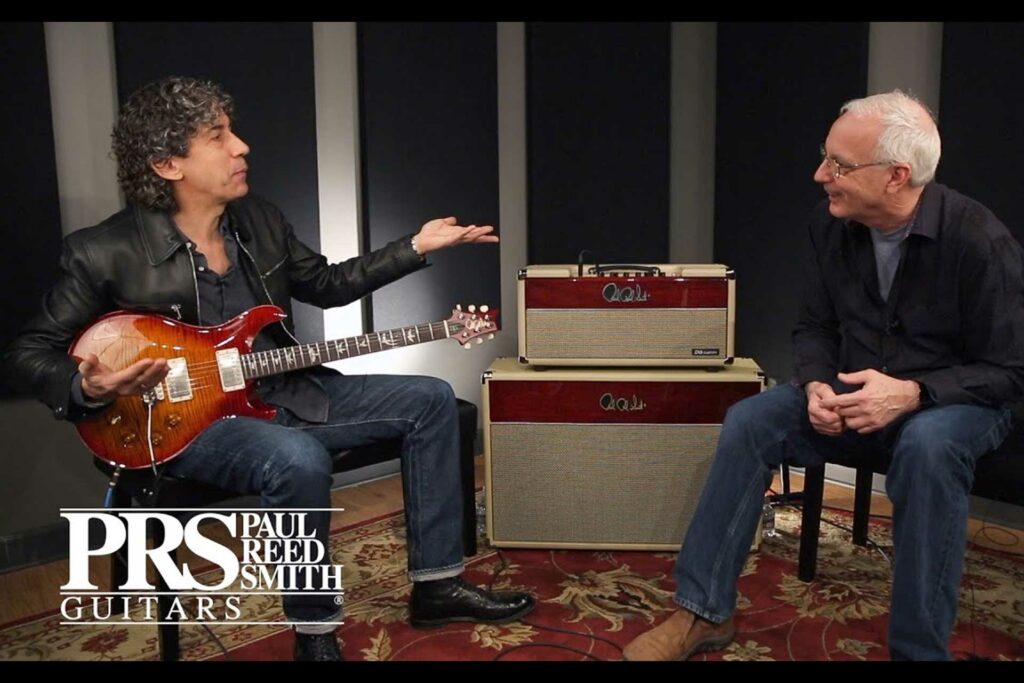
Body and Construction
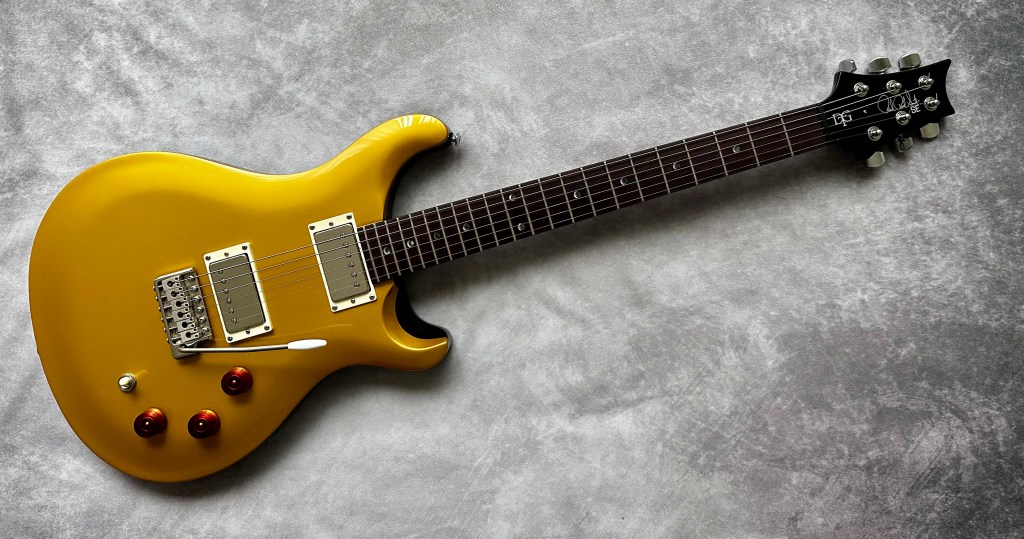
The PRS SE DGT features a solid mahogany body with a maple top, giving it a solid yet resonant feel. The guitar immediately draws attention with its stunning gold finish, although there is another McCarty Tobacco Sunburst finish also available. Unlike the typical PRS SE veneers, this gold finish is subtle and sophisticated, echoing the early Les Paul models from the 50s. It’s metallic but not overly flashy, which I appreciate because it adds a touch of class without being ostentatious. The finish is flawless—any imperfection would be immediately noticeable, but PRS has done an exceptional job here.
This guitar boasts the iconic McCarty-inspired PRS double-cutaway design, enhanced with a gently carved top and back bevels for comfort. Its thoughtful design ensures effortless access to the upper frets.
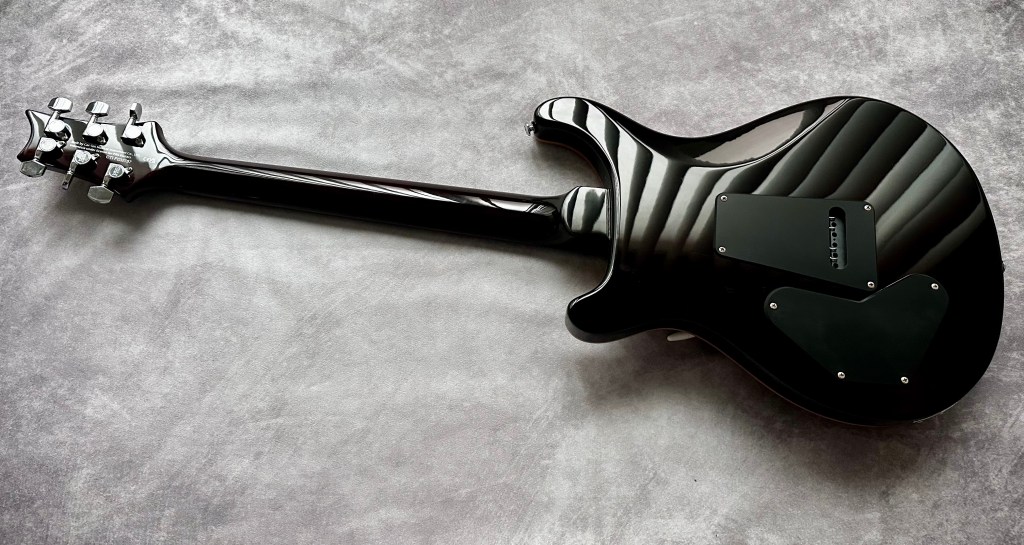
One of the aesthetic highlights is the apparent binding, which isn’t actual binding but rather the exposed maple top. This design choice adds a layer of depth to the guitar’s look, making it stand out without being overly decorative. The back of the guitar features a dark, wine-red finish that almost appears black at first glance. Upon closer inspection, you can see the wood grain peeking through, adding to the overall charm of the instrument.
Neck and Fretboard: Nevermind the Birds
The neck of the PRS SE DGT is undeniably a highlight. Crafted from mahogany with a set-neck construction, it delivers impressive stability and sustain. The DGT profile leans toward the thicker side, evoking the vintage charm of a classic Les Paul—perfect for fans of chunky necks. However, if slimmer, modern necks are your preference, this is worth considering.
With PRS’s signature 25″ scale length and 22 frets, the neck offers superb comfort, especially for blues and rock players. The 10-46 strings may feel a bit heavy at first; after a brief adjustment period, I now find the setup so natural that lighter gauges feel almost too loose in comparison.
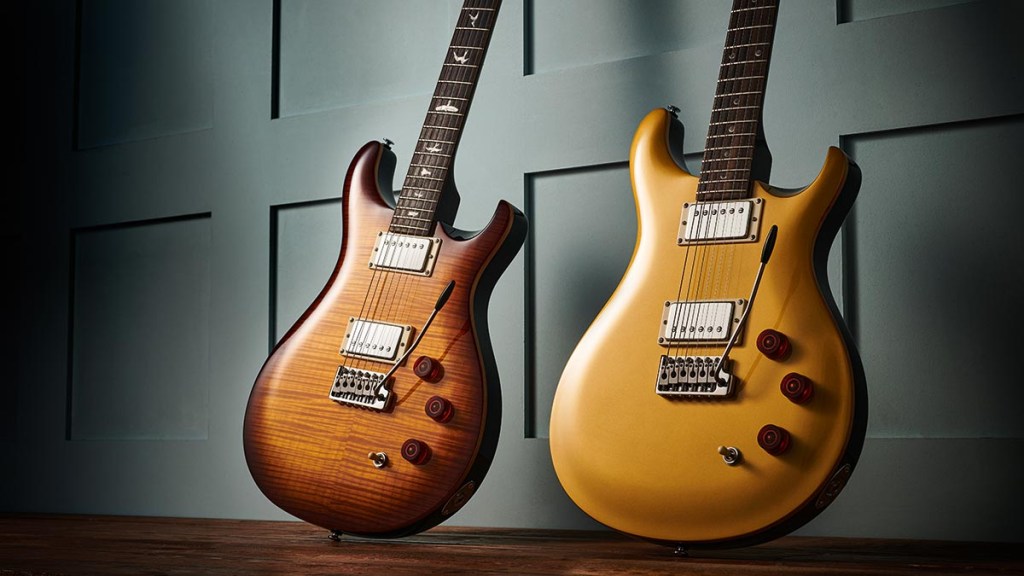
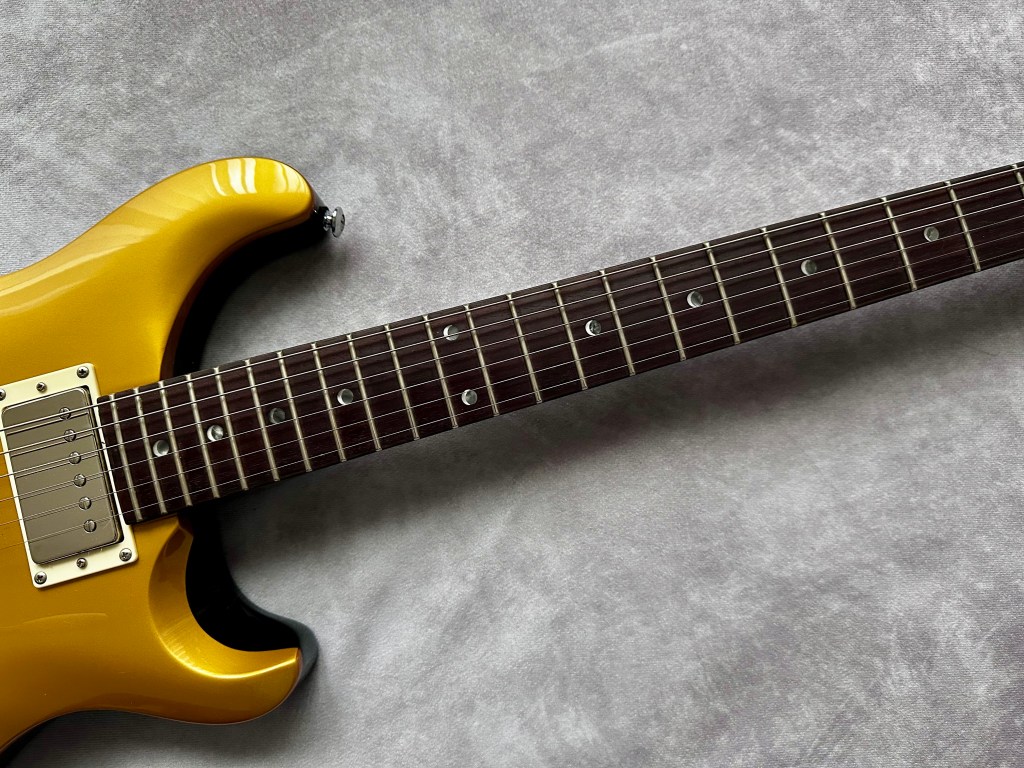
One of the unique aspects of the PRS SE DGT in the Goldtop finish is that it does not feature the iconic bird inlays typically associated with PRS guitars. Instead, this version comes with half-moon inlays, giving it a distinct and slightly understated look compared to other models. However, for those who prefer the traditional bird inlays, the PRS SE DGT in the Tobacco Sunburst finish does offer them, allowing players to choose between these two aesthetic options depending on their preference. As the owner of a PRS SE Custom 24, the gold finish and half-moon inlays bring a refreshing twist to the classic PRS aesthetic.
The fretboard is crafted from rosewood, a prized tonewood that’s becoming increasingly rare due to regulatory restrictions. Unlike many guitars in this price range that have shifted to alternatives like laurel or jatoba, PRS stays true to tradition with rosewood. Known for its smooth texture and rich tonal characteristics, rosewood imparts warmth and depth to the guitar’s sound, enhancing its overall resonance and sustain. This choice not only adds to the instrument’s premium feel but also underscores PRS’s commitment to quality.
Headstock
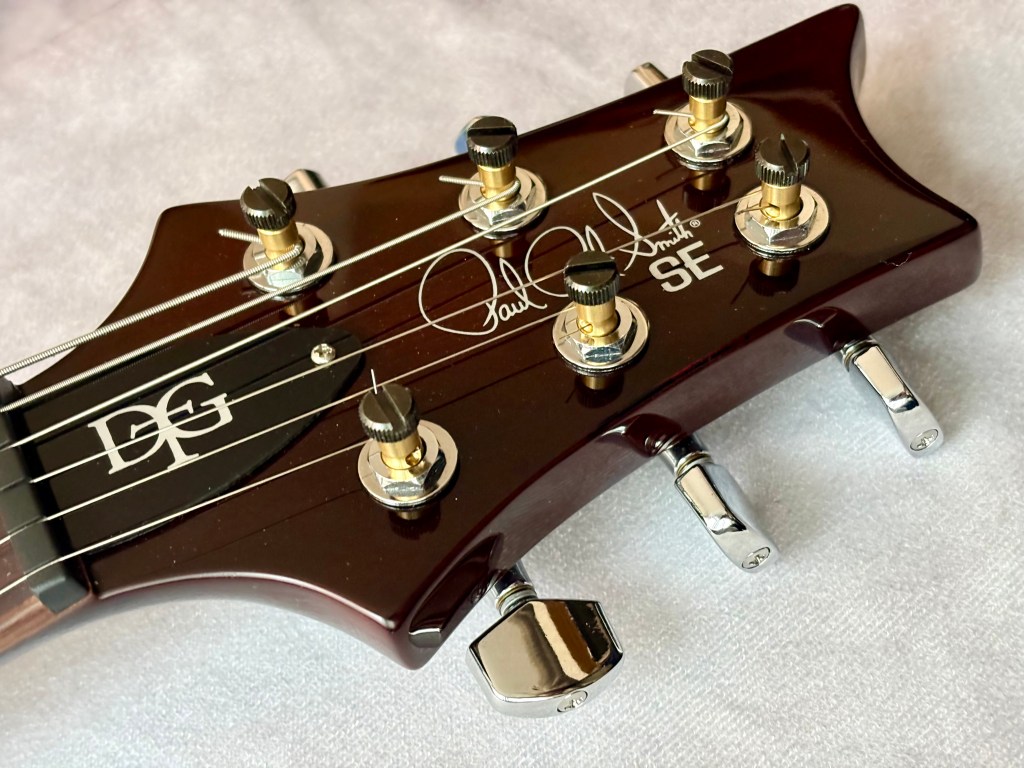
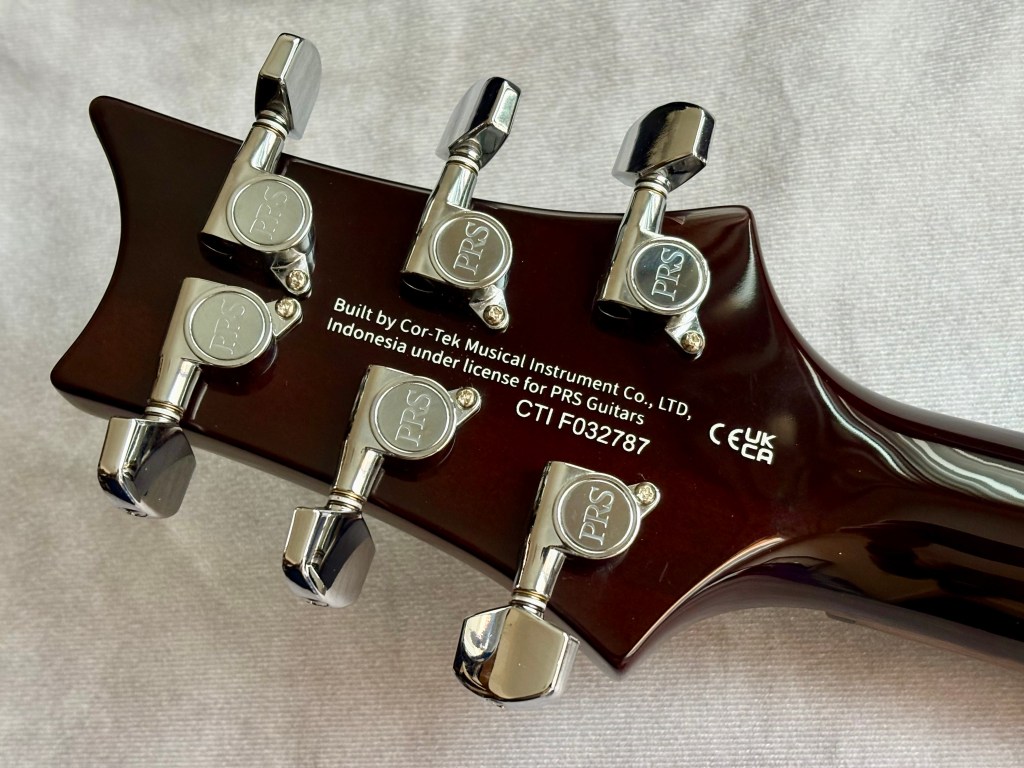
The headstock retains the iconic PRS design, which not only adds to the guitar’s aesthetic appeal but also enhances its stability. Paired with a graphite nut, it ensures impressive tuning retention, even with active use of the tremolo arm. The truss rod cover proudly displays the “DGT” initials, a nod to the David Grissom Tremolo. The PRS-branded tuning pegs are smooth and reliable, though not locking or particularly high-end. While they perform well and don’t demand an immediate upgrade, replacing them with premium locking tuners could add a touch of refinement and convenience. The proprietary PRS nut excels in keeping the guitar in tune, allowing you to use the tremolo freely without worrying about intonation issues—a real win for dynamic playing.
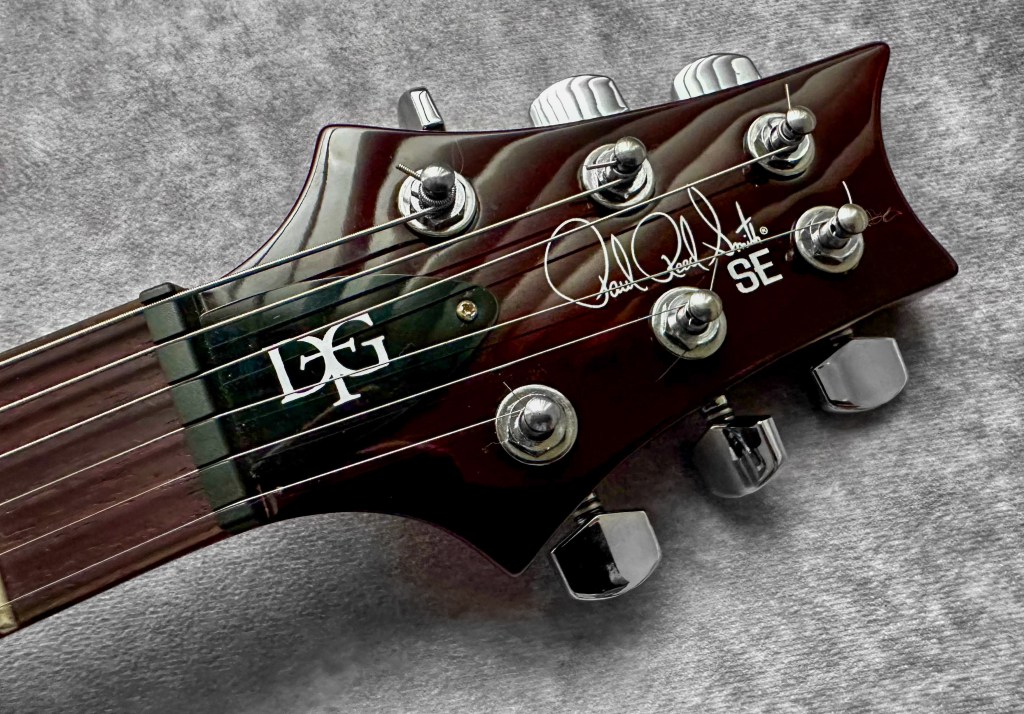
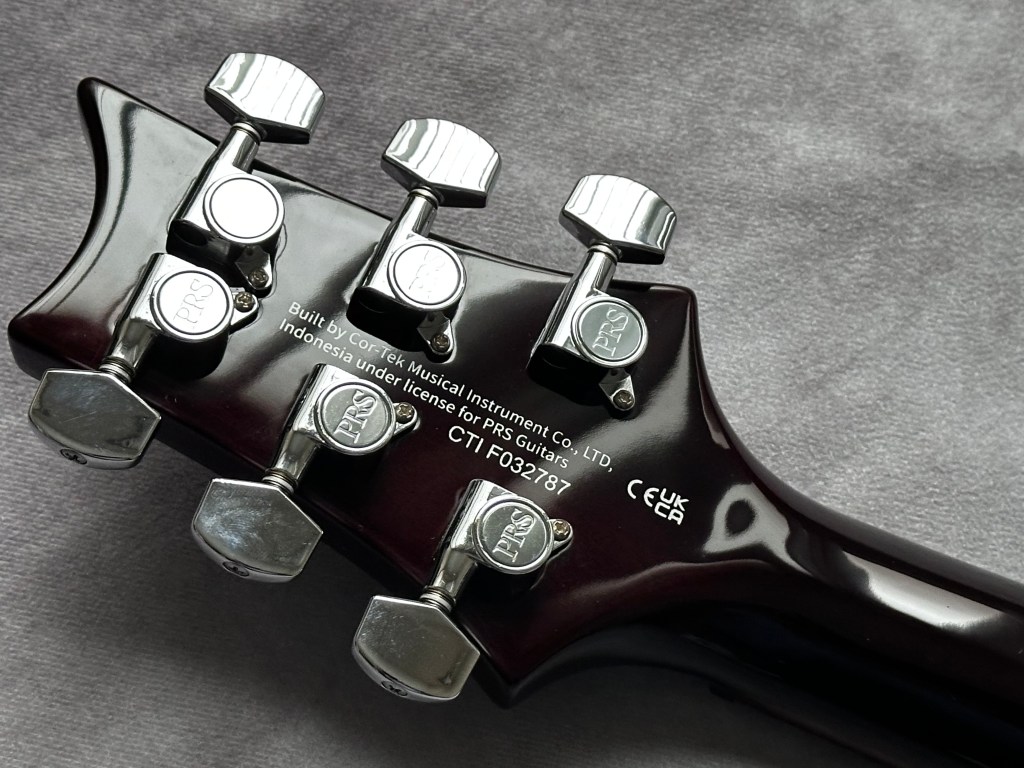
I eventually upgraded the original tuning pegs to PRS SE locking tuners. The modification was straightforward, not particularly expensive, and I felt it improved the tone slightly, likely due to the increased brass contact with the strings. String changes are also significantly easier. If there is any room for improvement on this guitar, upgrading the tuning pegs is an inexpensive, easy modification that genuinely makes day-to-day use more convenient. It may also enhance the already excellent tuning stability by a small margin.
Electronics and Sound: The Heart of the PRS SE DGT
Many PRS SE guitars feature the ’85/15s’ Indonesian-made pickups—a version of the American 85/15 pickups found in PRS’s USA-made guitars—known for their brighter-than-average humbucker sound. However, the SE DGT stands out with its PRS DGT “S” pickups, which are specifically voiced to replicate the tonal versatility of their American-made counterparts. These pickups deliver a warm, vintage-inspired tone with modern clarity, less bright but punchier than the 85/15s. The bridge pickup offers articulate and dynamic tones with just the right amount of bite, making it ideal for solos and rhythm playing, while the neck pickup delivers smooth, creamy tones perfect for blues and jazz.
What truly sets the DGT “S” pickups apart is their exceptional dynamic range. They respond beautifully to playing nuances, cleaning up effortlessly with a roll-off of the volume knob, aided by the well-designed treble bleed circuit. In addition, there is a distinct harmonic overtone content that consistently emerges—pleasant, musical, and slightly complex—which gives the guitar a recognizable voice and sets it apart from many others in its class. The coil-tapping feature further expands the tonal palette, leaning toward a P90-like character rather than a Strat-style sound, adding useful tonal variety for clean, vintage-leaning tones. While I rarely use the coil-tap function, it remains a valuable option when a different texture is needed. Overall, these pickups contribute significantly to the SE DGT’s versatility, allowing it to move effortlessly between searing leads and delicate clean passages.
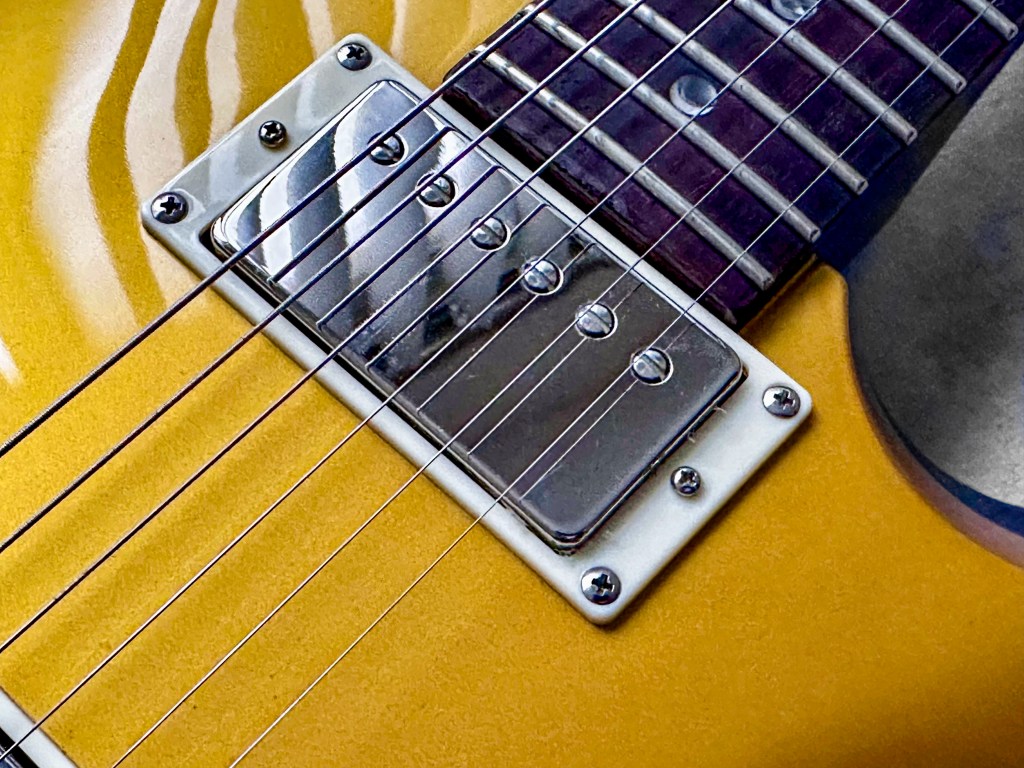
Overall, the pickups deliver a warm, rich tone with enough bite to cut through a mix without becoming overly aggressive. They are ideal for blues and rock, and with the coil-tap activated, they also work well for country—an approach that aligns closely with David Grissom’s playing style.
The “T” on DGT: Tremolo
The PRS SE DGT features a PRS-patented tremolo bridge, a reliable and well-engineered system ideal for adding subtle vibrato and expressive flourishes. While it is not designed for extreme dive bombs like a Floyd Rose, it maintains excellent tuning stability even under moderately heavy use. This is the standard PRS tremolo rather than a custom unit, but it represents a highly refined and stable design that I genuinely appreciate. In practice, I find it superior to the average Fender Stratocaster tremolo, offering smoother action and better tuning retention, which makes it a standout feature of the guitar.
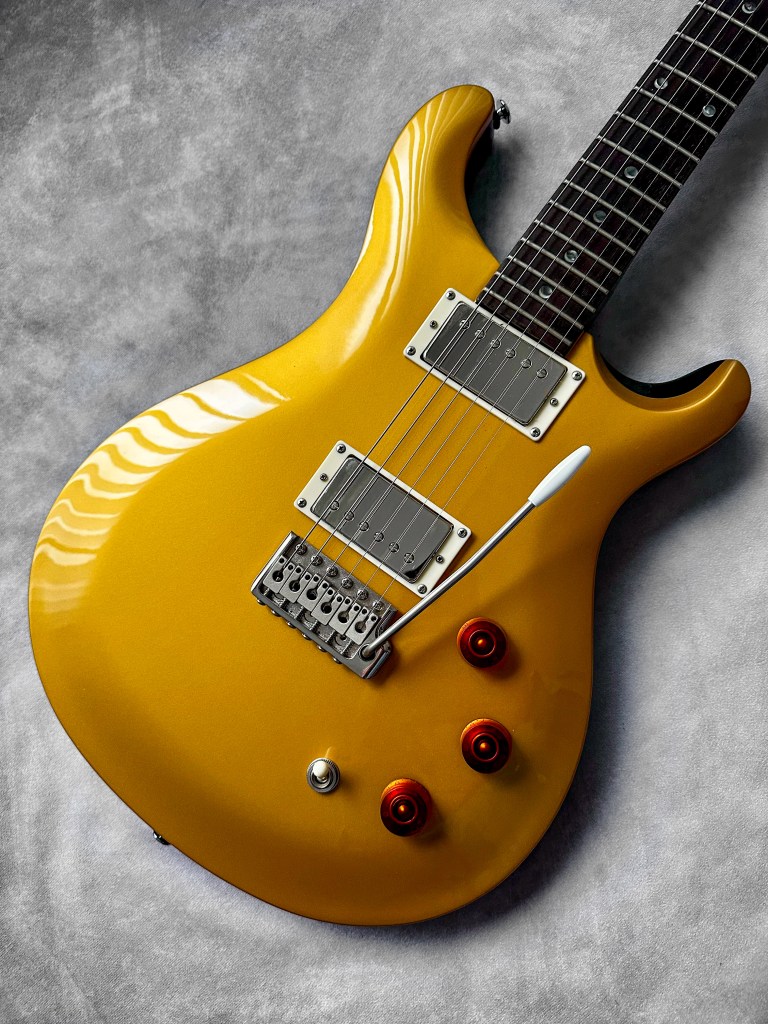
One unusual aspect of the DGT’s hardware is the placement of the volume knobs. Unlike more common layouts, the volume knob closest to the bridge pickup controls the bridge pickup, reportedly reflecting David Grissom’s personal preference. This arrangement can take some getting used to, as it suits Grissom’s specific playing style and a touch of idiosyncrasy. Even after a couple of years of using this guitar, I still occasionally forget the exact volume knob layout.
Versatile for Blues, Jazz, and Rock—But Not for Crystal-Clean Tones
The PRS SE DGT is not limited to a single genre. While it excels in blues rock, country, and classic rock, it is versatile enough to cover a wide stylistic range. That said, it may not be the ideal choice for every player or every genre. For example, dedicated funk players may find that it does not deliver the precise snap and articulation they are seeking, and for traditional country players who prioritize pronounced twang, a Telecaster would likely be a better fit. That being said, as a versatile instrument, the SE DGT moves effortlessly from blues to jazz to country without hesitation.
For metal-focused players, this is probably not the right instrument. The chunky neck profile and overall design do not lend themselves to shred-oriented playing, and while the pickups excel with overdriven tones, they are not voiced for djent, modern metal, or even most classic metal applications. Still, musical history offers a useful reminder: if players like Jimmy Page or Slash were able to redefine rock using Les Paul guitars, there is no reason why someone could not push creative boundaries with a PRS SE DGT as well.
That said, the DGT’s ability to produce a warm, growling tone makes it ideal for genres that require a strong, punchy sound. The guitar’s pickups are designed to deliver just enough edge without being overly aggressive, making it suitable for hard rock and blues rock. It’s like a voice that commands attention without having to shout—powerful and expressive, but with a certain level of subtlety.
PRS SE DGT: The Best Les Paul Ever?
The Les Paul is undeniably a legend, with its iconic single-cut design and rich, resonant tone securing a permanent place in guitar history. But even legends have their flaws. Many players find it excessively heavy, and the single-cut design remains a point of debate, particularly due to limited access to the upper frets. The headstock design is also infamous for tuning instability and, more critically, a tendency toward broken necks after accidental drops. Add to this the absence of a tremolo bar—aside from a few rare Bigsby-equipped models—and it becomes clear that there is room for improvement.
Enter the PRS, which addresses these shortcomings directly. It captures the Les Paul’s rich tonal warmth without attempting to clone it, adding modern versatility with coil-tap features that expand the tonal range. Lighter yet resonant, it’s equipped with a smooth, unobtrusive tremolo system—ideal for those who use it, and easily ignored by those who don’t. The sleek double-cut design strikes the perfect balance between elegance and functionality, offering Gibson-inspired aesthetics with a unique twist that sets it apart from a Strat.
In many respects, the DGT represents what a modern Les Paul could have been: a balanced fusion of vintage character and contemporary innovation, without requiring the kind of investment that has become increasingly common as Gibson prices have skyrocketed over the past decade. This relationship is no coincidence. Paul Reed Smith worked closely with Ted McCarty, the legendary former Gibson president, drawing on his experience to help shape the PRS design philosophy. As a subtle historical nod, the original 1954 Les Paul debuted as a Goldtop—just like the DGT—an intentional and respectful wink to the past.
My Personal Experience After a Couple of Years with the PRS SE DGT
After playing the PRS SE DGT for over a year, I can confidently say it’s been a fantastic experience. From its rich tone to its excellent playability, it’s a reliable guitar that always stays in tune and effortlessly transitions from smooth jazz to gritty hard rock. While it doesn’t have an overly bright, trebly sound, it also avoids being too dark or muffled. The tone is incredibly balanced, with beautiful overtones and harmonics. The more I play it, the more I enjoy it—it just keeps getting better.
Pros and Cons: The Verdict on the PRS SE DGT
Pros:
- Great Craftsmanship: The PRS SE DGT exhibits meticulous attention to detail, from its flawless gold finish to its solid mahogany body with a maple top. The exposed maple edge serves as an apparent binding, adding elegance without additional decoration. The finish is impeccable, enhancing the guitar’s premium feel without a premium price.
- Versatile DGT “S” Pickups: Equipped with Indonesian-made DGT “S” humbuckers designed to David Grissom’s specifications, the guitar delivers warm, rich tones with enough bite to cut through a mix. These pickups are perfect for blues, rock, and country, offering a well-balanced sound that isn’t overly aggressive.
- Coil-Tap Functionality: The push/pull tone control enables coil-tapping, allowing for a reduction in output and a brighter tone without fully converting to a single-coil sound. This feature adds versatility, giving players a range of tones from fat humbucker sounds to more articulate, thinner tones.
- Comfortable Playability: The mahogany neck with a DGT neck shape offers a slightly thicker, vintage feel reminiscent of classic Les Pauls. The 25″ scale length and 22 frets make it comfortable to play, especially for blues and rock styles. The rosewood fretboard adds a smooth playing surface and contributes to the guitar’s rich tone.
- Distinctive Aesthetics: The Goldtop finish is subtle yet sophisticated, with the lack of traditional PRS bird inlays replaced by half-moon inlays for a unique look. The dark wine-red finish on the back, revealing the wood grain, adds to its visual appeal.
- High-Quality Materials: The use of rosewood for the fretboard—a rarity in this price range due to regulatory issues—adds a premium touch. The set-neck construction enhances sustain and stability.
- Moon or Birds Inlays: It’s great to have the option of both a classic tobacco sunburst finish with birds inlay or the very different but very handsome goldtop with moon inlays.
- Excellent Value for Money: Priced at around $850 USD, the PRS SE DGT offers quality and features typically found in higher-end models, making it an excellent buy for intermediate to advanced players.
Cons:
- Limited Genre Suitability: May not be the best choice for genres like funk, where different tonal characteristics are preferred.
- Stock Hardware Limitations: The PRS-designed tuners are above average generic tuners but may not meet the expectations of players seeking top-tier performance.
- Volume Control Configuration: The unconventional placement of the volume knobs—where the knob closest to the bridge controls the bridge pickup—might confuse players accustomed to standard configurations, requiring an adjustment period.
- Neck Thickness May Not Suit Everyone: The thicker neck profile, while comfortable for those who prefer a vintage feel, might not appeal to players accustomed to slimmer, modern neck shapes designed for faster playing styles.
Conclusion: Is the PRS SE DGT Right for You?
The PRS SE DGT success is not a surprirse: it is a great guitar that bridges the gap between premium craftsmanship and accessibility. From its flawless Goldtop finish to its versatile DGT “S” pickups, this guitar delivers in both tone and playability. It’s a masterclass in thoughtful design, offering features like a comfortable vintage-inspired neck, reliable PRS tremolo, and dynamic tonal options through its coil-tap function.

While it may not suit every genre or style, it shines in the areas it was built for—blues, rock, and country. At its price point, the SE DGT offers remarkable value and quality, making it a worthy contender for players seeking a reliable, expressive instrument that performs like a much more expensive guitar. Whether you’re a fan of David Grissom’s music or simply in the market for a versatile and stunning guitar, the PRS SE DGT is well worth your consideration.

 oscaronguitars.com
Leave a comment