
The world of guitars is ever-evolving, with new models popping up and old ones fading into the sunset. Some of these disappearing acts leave us with a nostalgic tear in our eye, while others, well, we’re not exactly clamoring to bring them back. In this article, we’re going to take a stroll down memory lane and talk about five guitars that have been discontinued or gone out of production. We’ll chat about why some of these axes still haunt our dreams (in a good way) and why others might be better left in the past. Let’s dive in!
1. Gibson Firebird X: The One We Didn’t Really Ask For
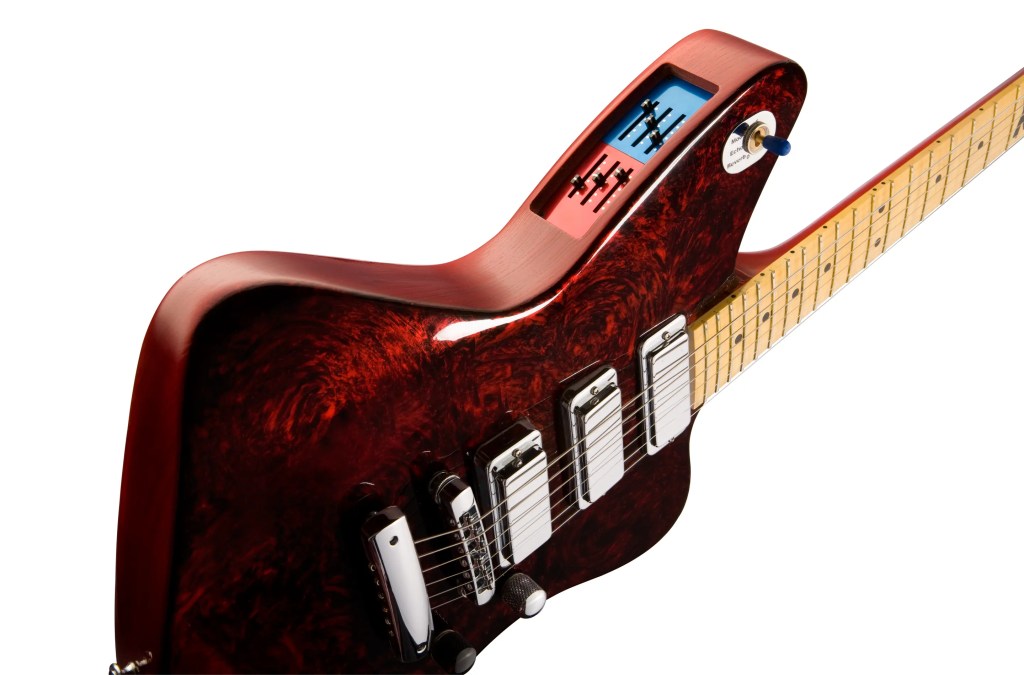
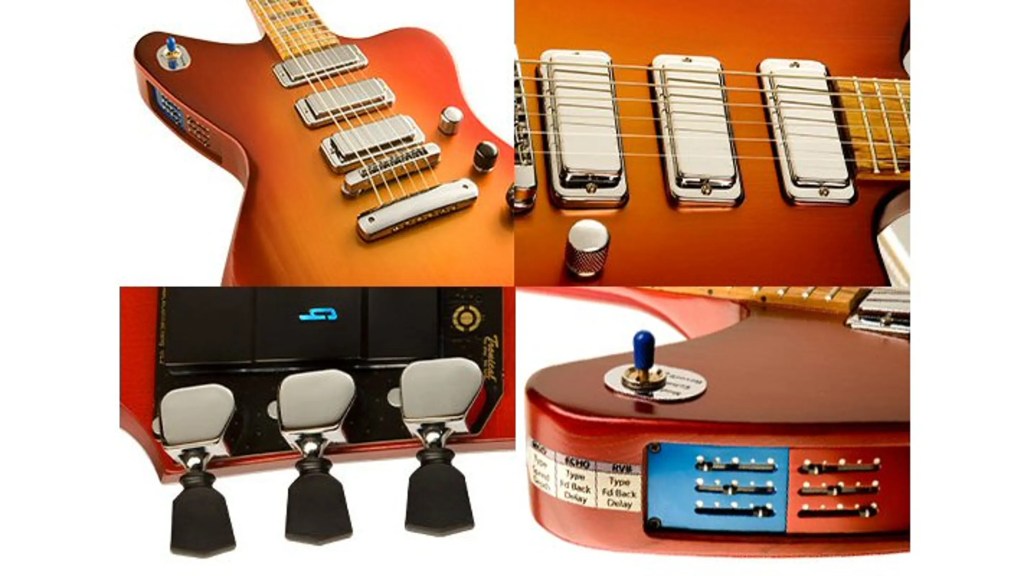
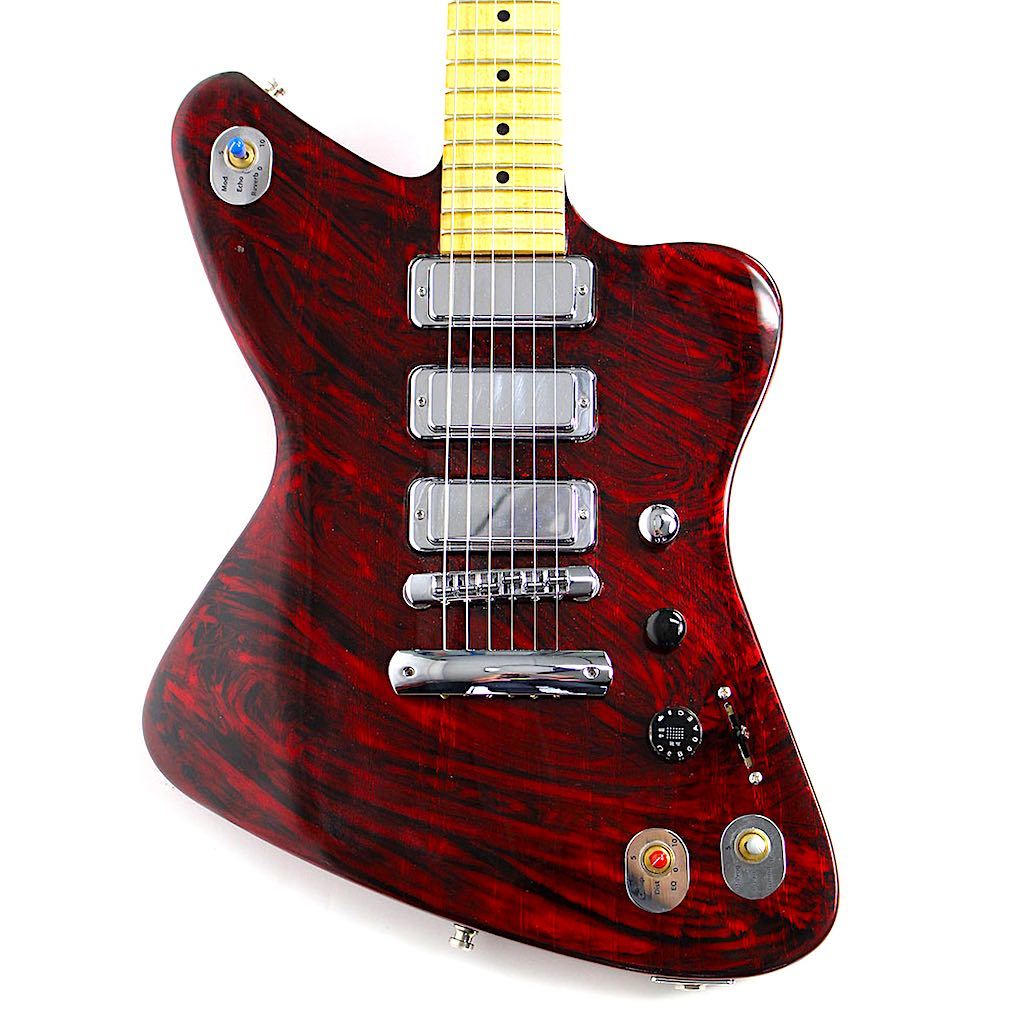
Remember the Gibson Firebird X? No? Well, that’s probably because it was one of those guitars that had us scratching our heads. Released in 2011, the Firebird X was Gibson’s attempt at blending traditional guitar design with cutting-edge technology. It came with built-in effects, robotic tuners, and even a Bluetooth pedalboard. Sounds cool, right?
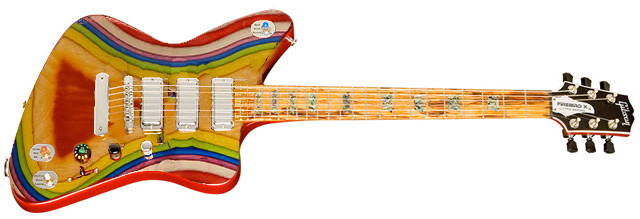
Well, not so much. The guitar was a bit of a Frankenstein’s monster—too much tech and not enough soul. It felt like Gibson was trying to reinvent the wheel, but ended up with a square one. Needless to say, it didn’t catch on, and Gibson quietly pulled the plug. Do we miss it? Not really. Sometimes, simpler is better.
2. Fender Coronado: The Hollow Body That Never Found Its Place
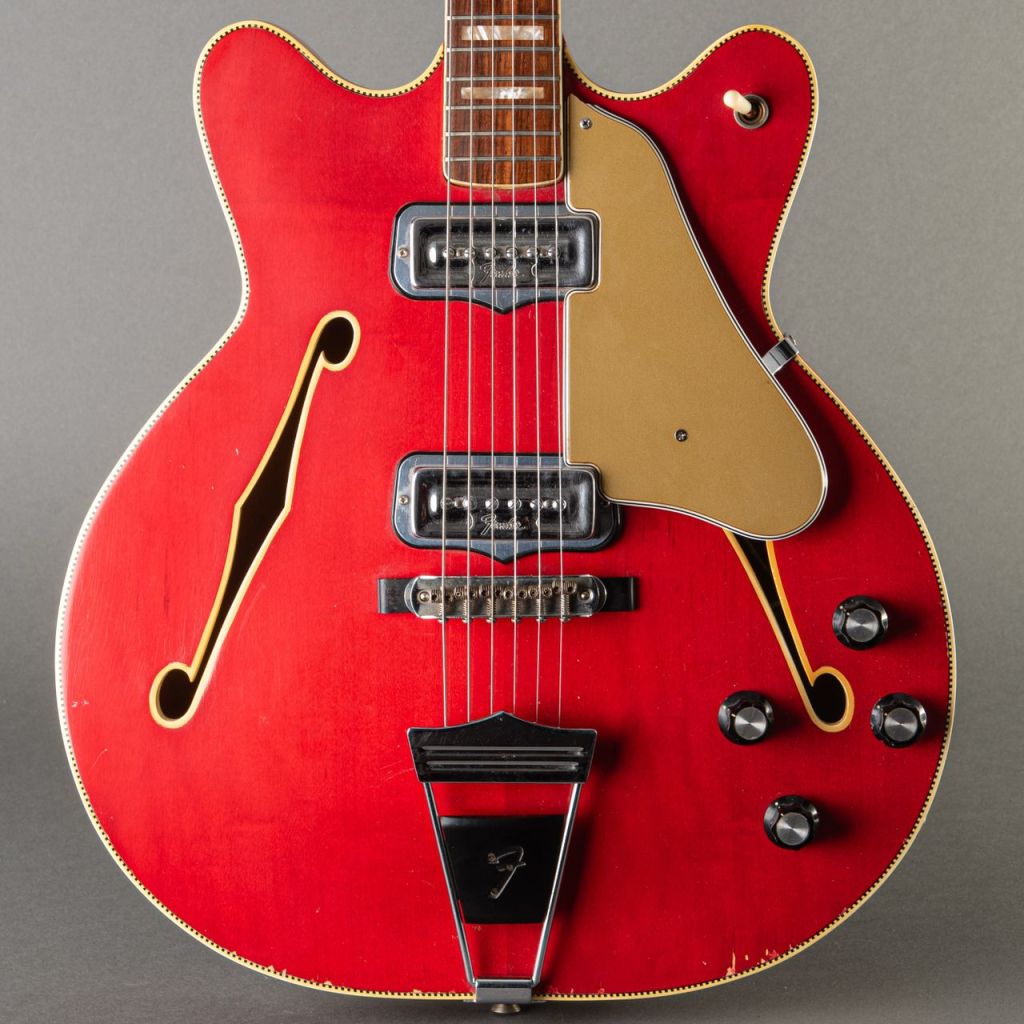
The Fender Coronado was Fender’s attempt to break into the hollow body electric guitar market, a domain traditionally dominated by other brands. Introduced in the mid-1960s, the Coronado was a departure from Fender’s usual solid-body designs. It featured a fully hollow body, stylish F-holes, and DeArmond pickups, making it look like a serious contender in the jazz and blues scenes.
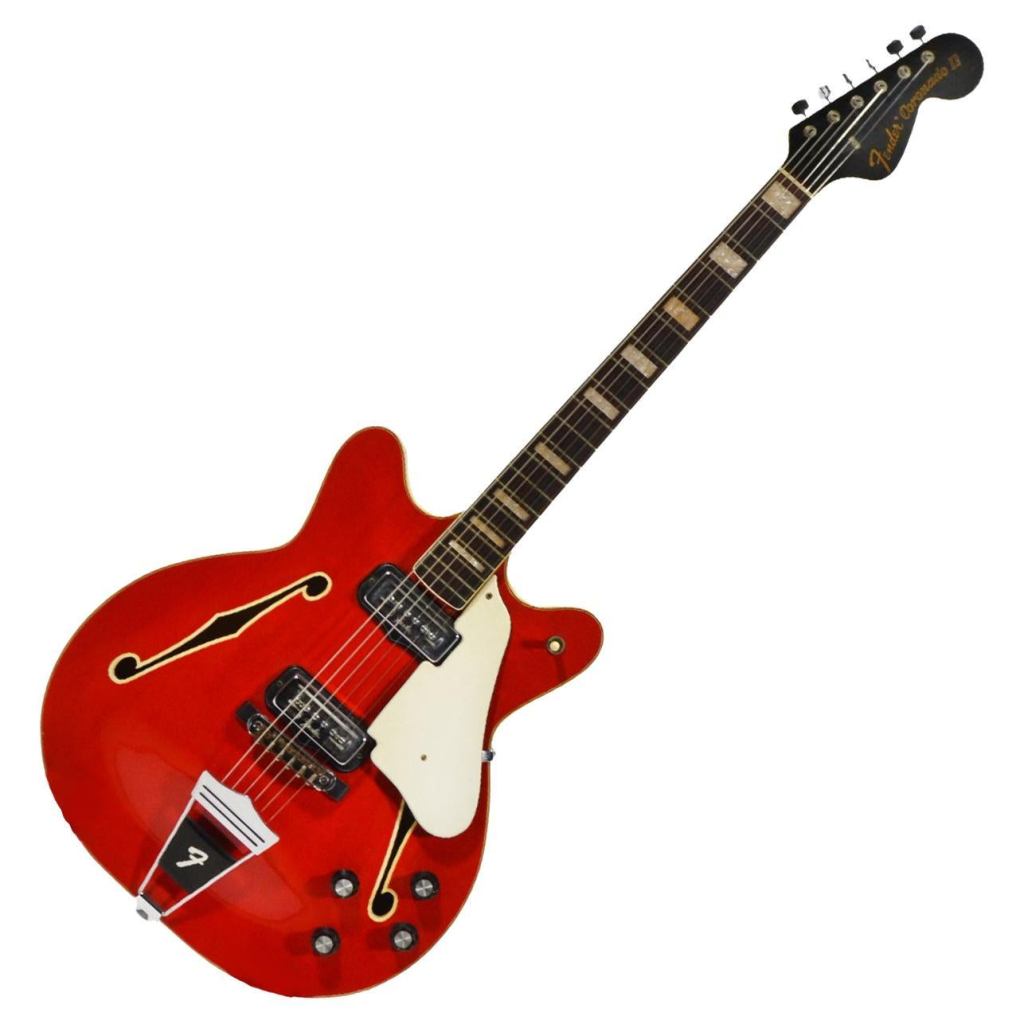
However, the Coronado never really found its niche. It lacked the warmth and resonance that players expected from a hollow body, and it was prone to feedback at higher volumes. By the early 1970s, Fender had discontinued the model, and it faded into obscurity. Despite its shortcomings, the Coronado had a certain retro charm and unique aesthetic that made it stand out. We miss it for its bold design and for being a symbol of Fender’s willingness to experiment outside their comfort zone.
3. Yamaha SG-2000: The Japanese Les Paul That Rocked the ’70s
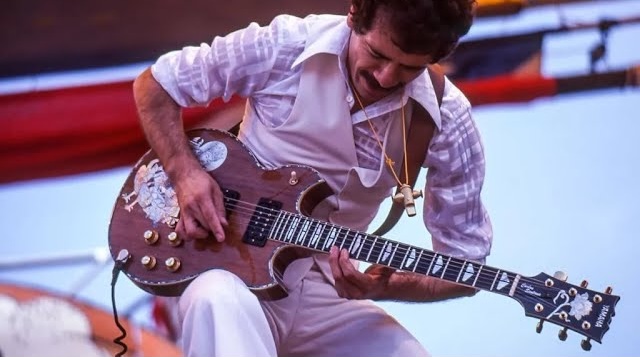
The Yamaha SG-2000 was a true game-changer when it was introduced in the late 1970s. Designed in collaboration with guitar legend Carlos Santana, this guitar was Yamaha’s answer to the Gibson Les Paul, but with a distinct Japanese twist. It featured a solid mahogany body, a set neck, and Yamaha’s own unique spin on humbucker pickups, offering a warm, rich tone with incredible sustain.

The SG-2000 was known for its build quality and reliability, making it a favorite among professional musicians. Despite its success, Yamaha eventually discontinued the SG-2000 in the late 1980s as the company shifted its focus to other models and designs. Today, the SG-2000 is a sought-after gem for collectors and players who appreciate its craftsmanship and iconic sound. We definitely miss this one—but the Yamaha Revstar series is an updated, revisited, improved, and streamlined version of this venerable model, so it’s not totally gone.
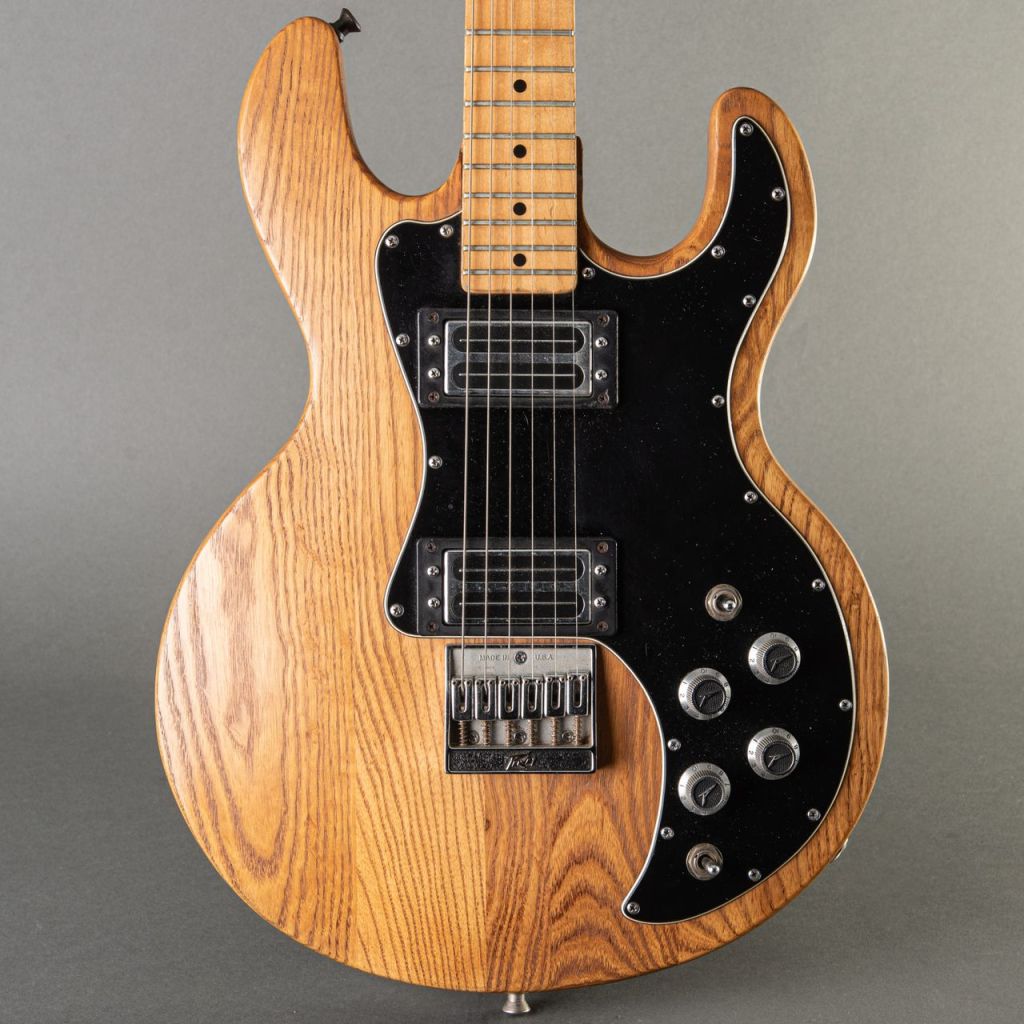
4. Peavey T-60: The Workhorse That Never Got Its Due
The Peavey T-60 was one of the first guitars to be mass-produced using CNC machines, making it affordable without sacrificing quality. Introduced in the late 1970s, the T-60 was known for its solid build, versatile tone, and unique blade pickups. It was a true workhorse that could handle anything from country to rock to blues.
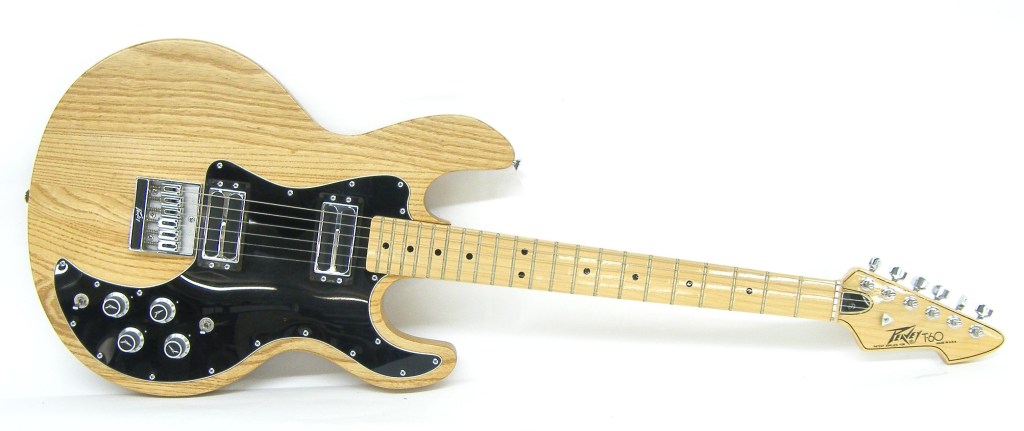
Despite its strengths, the T-60 never really caught on in a big way. It was overshadowed by the more popular brands of the time, and by the mid-1980s, Peavey decided to discontinue it. But ask anyone who owned a T-60, and they’ll tell you it was one of the most underrated guitars of its time. We miss this one for its reliability and versatility—qualities that never go out of style.
5. Gibson ES-325: The Little Brother with a Big Heart
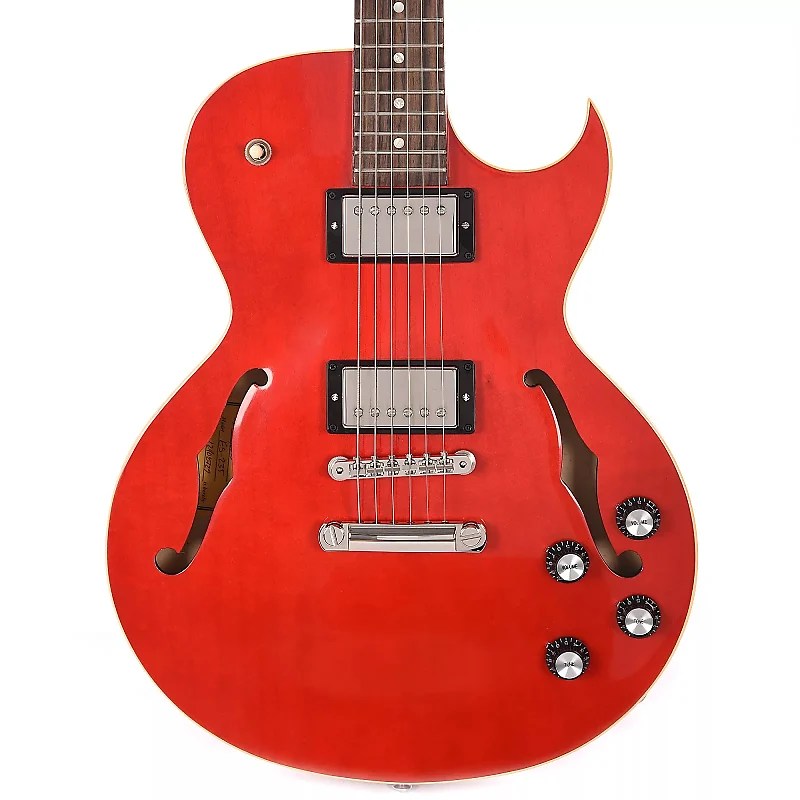
The Gibson ES-325 was the younger sibling of the iconic ES-335, and while it never achieved the same fame, it had its own charm. Released in the early 1970s, the ES-325 featured mini-humbuckers, a simpler control layout, and a slightly different body shape. It was a more affordable alternative to the ES-335 but still offered that sweet, warm tone that made its bigger brother famous.
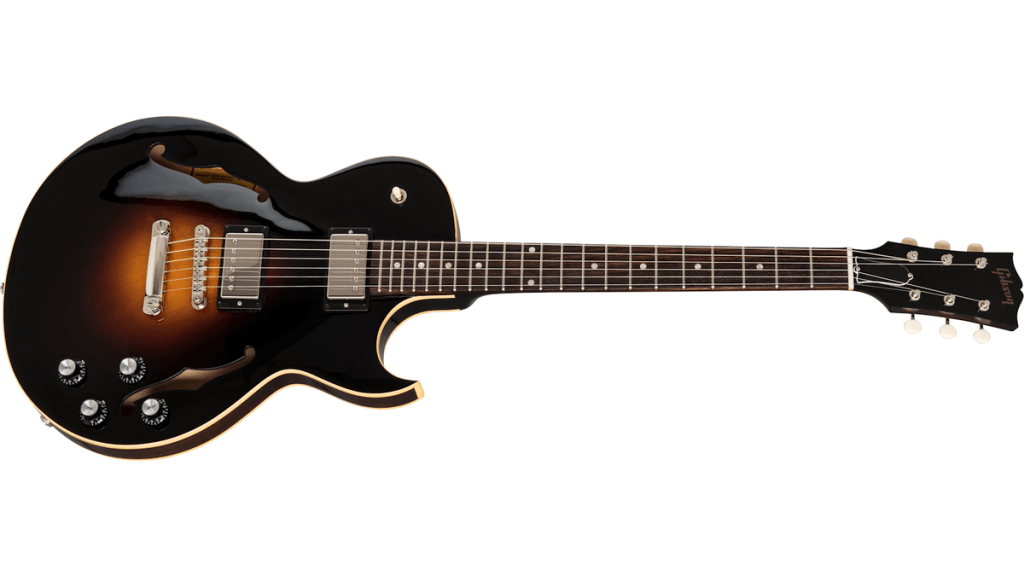
The ES-325 was discontinued after just a few years, and today, it’s a bit of a hidden gem for vintage guitar hunters. While it didn’t have the staying power of the ES-335, those who’ve played one know that it had its own unique vibe. We miss it for its understated elegance and the fact that it was a great entry point into the world of Gibson’s semi-hollows.
Conclusion:
So there you have it—five guitars that have come and gone, each leaving its own mark on the guitar world. Whether they were ahead of their time, misunderstood, or just plain cool, these guitars remind us that not every model sticks around forever. Some of them, like the Firebird X, might be better left in the past, but others, like the Ibanez Iceman or the Jaguar Baritone Custom, have us wishing for a revival. In the end, these discontinued guitars are a reminder that the world of guitar is full of surprises, and who knows—maybe one of these days, we’ll see some of them make a comeback. Until then, keep strumming, keep exploring, and keep appreciating the guitars that are still within reach!
 oscaronguitars.com
Leave a comment