

When I first picked up the guitar, I made one of the biggest blunders a musician could ever make. It’s something I hope you can avoid, with a little luck on your side. What I’m about to share might not have even crossed your mind because, to be honest, it’s not a common pitfall among most musicians, especially guitar players. Usually, when someone is drawn to the guitar, like a teenager obsessed with Metallica or Led Zeppelin, they start by trying to emulate their favorite riffs. They pick up a guitar, and although their first attempts may sound awkward, they keep at it. Over time, with persistence and a good ear, they begin to sound more like their idols. Through this process, they build up a whole arsenal of influences and eventually find their own unique voice. But in the beginning I thought exactly the opposite that copying other was not only the greatest mistake a musician could make but almost a sin.
My Unconventional Journey
My journey, however, was anything but typical. I convinced myself, wrongly, that copying anyone or anything was beneath me. I believed I shouldn’t play any song, imitate any style, or even learn any riff from another musician. I thought I had to be completely original. I even went as far as to think that I should avoid listening to other people’s music altogether. Maybe I wasn’t that extreme, but I certainly felt that playing someone else’s work was out of the question. I had a good teacher who taught me theory, harmony, and scales, so I figured, why would I need anyone else’s influence? I could create my own music. Not so fast.
Falling into the Originality Trap
In reality, I fell into the trap of originality—the belief that the only value an artist could have was in being original. Looking back, I now see that this wasn’t just my personal quirk; it’s actually a fairly common notion with deep roots in a specific artistic movement called modernism. This movement emerged after Charles Baudelaire published Les Fleurs du Mal around 1860. By the early 20th century, the art world was dominated by the avant-garde, which placed immense value on originality. Figures like Salvador Dalí and Pablo Picasso were celebrated for their unprecedented genius, as if touched by the hand of God. This belief implied that if you weren’t Mozart, Picasso, or Bach—if you weren’t one of these divine talents—you couldn’t achieve anything of worth with your art.

The Shift to Postmodernism
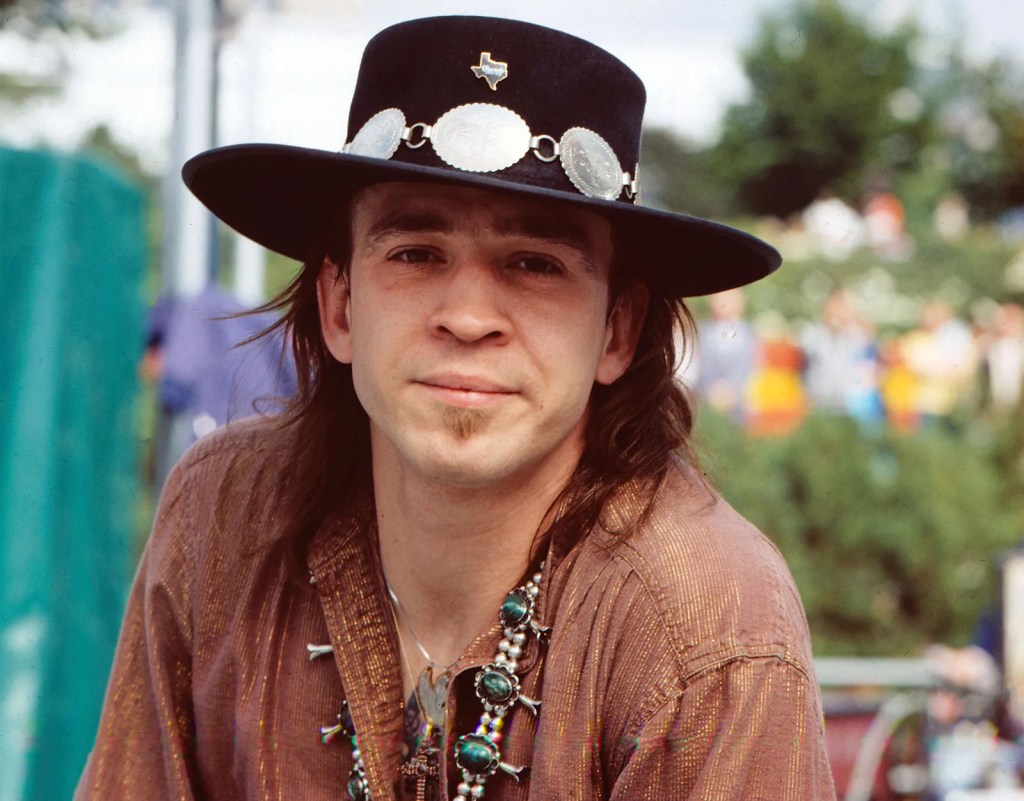
This myth of originality was later challenged by postmodernism, which exposed the flaws in such grand narratives. Jean-François Lyotard wrote about the postmodern condition and the fall of these so-called metanarratives. In art, this led to movements like conceptual art and, more relevantly, the phenomenon of appropriation—blatantly copying another artist’s work. While this idea might scandalize some in the art world, it’s hardly an issue in guitar playing. Take Stevie Ray Vaughan, a pivotal figure in electric blues guitar history. Stevie Ray openly borrowed from others, including legends like Albert King and Jimi Hendrix. There’s even a famous recording where Albert King catches Stevie playing one of his licks and calls him out on it, jokingly accusing him of theft.
The Magic of Adoption
But Stevie Ray didn’t just steal; he transformed what he borrowed. He played Hendrix’s “Voodoo Child” and “Little Wing,” but in his own unique way. This is where the magic happens. It’s not merely about adapting someone else’s work but adopting it, making it your own. Picasso once said that the important thing isn’t to worry about stealing but to worry about who you steal from. In other words, what matters is the quality of your influences.
Missing Out on Growth
By clinging to the myth of originality, I missed out on so much. I wasted years of my artistic life thinking I had to be original, and ironically, I wasn’t. My creative output was sterile. I would have been far better off learning other people’s songs, which would have helped me develop my tempo, provided me with practical resources, and taught me how to apply those resources musically.
The Real Lesson: Originality Isn’t Everything
So, if there’s one lesson I learned the hard way and I’d like to share with you, it’s this: the obsession with originality is a trap. It doesn’t lead to innovation; it leads to stagnation. Don’t be afraid to do covers, to recreate, to reinvent, or even to make faithful copies. French filmmaker Jean-Luc Godard once said that what matters is not where you take things from but where you take them to.
A Lineage of Inspiration
In both art and music, there’s a kind of lineage—a tracing of who influences whom, and how this shapes subsequent generations. This concept is technically known as intertextuality. Consider almost any modern cultural work, and you’ll find traces of past art forms. Take Quentin Tarantino’s films like Pulp Fiction or Kill Bill, for example; they serve as veritable history lessons in cinema due to their rich intertextual references.
We can certainly draw inspiration from those who came before us and, hopefully, inspire future creators in turn. The goal is to foster a vibrant, diverse musical ecosystem that isn’t insular. My own early notion of avoiding imitation was one of my greatest missteps when learning guitar. If you’re just starting out and grappling with the concept of originality, think twice. Research the implications of striving for originality, and you’ll find that its significance has waned over time. Embrace diversity in your creative endeavors, and you’re likely to achieve remarkable results. Because the goal is not to be original, but to be unique. Don’t shy away from copying—it’s an integral part of creative evolution.
 oscaronguitars.com
Leave a comment