
Notice: This is an in-depth review. If you are in a hurry or want to get straight to the point, here is a shorter version of the review.
The Gibson Les Paul is a legend in the guitar world, synonymous with iconic players and timeless music. For anyone who’s dabbled in blues, rock, or jazz, owning a Les Paul seems like a natural step. Yet, the hefty $2,600 price tag for a Gibson Les Paul keeps it out of reach for many players, including me. Turning to more affordable alternatives, I found myself unimpressed with the quality of the Epiphones I tested.
That’s when I reconsidered Cort, a brand I initially overlooked. Manufactured by Cor-Tek, one of the world’s largest and most experienced guitar makers, Cort has transformed my perception of what affordable guitars can deliver. Enter the Cort CR250—a stunning Les Paul-style guitar that combines vintage aesthetics, solid craftsmanship, and a rich, versatile tone at an accessible price. Let’s take a closer look at how this underdog guitar changed my mind and earned a spot in my collection.
The Cost of Classic Look & Sound
The hefty price tag of about $2600 USD put a Gibson Les Paul guitar completely beyond my budget. I then checked out the affordable line of Epiphone Les Paul, hoping for a more affordable alternative, but I was quite disappointed with the low-tier craftsmanship. The guitars I tried were of questionable quality; they didn’t leave me with a favorable impression, neither in their sound nor in their level of craftsmanship, finish, etc
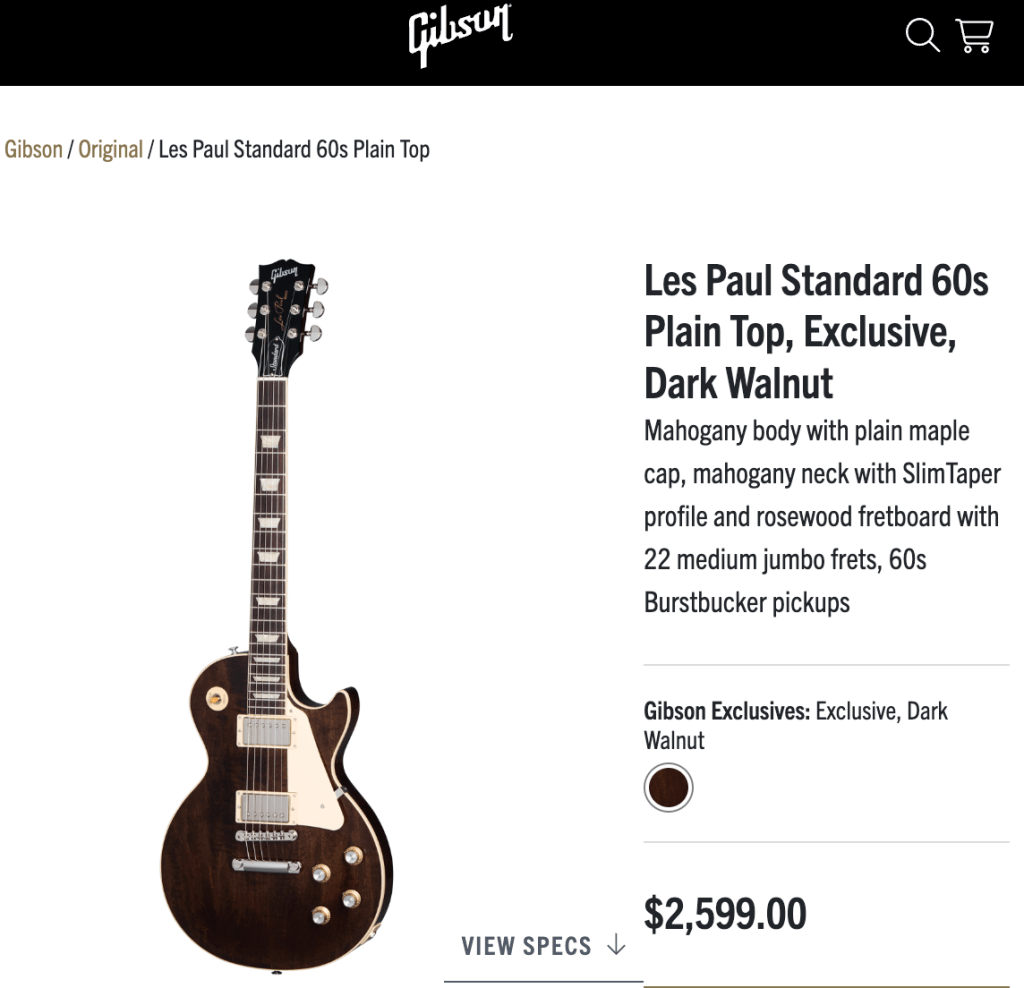
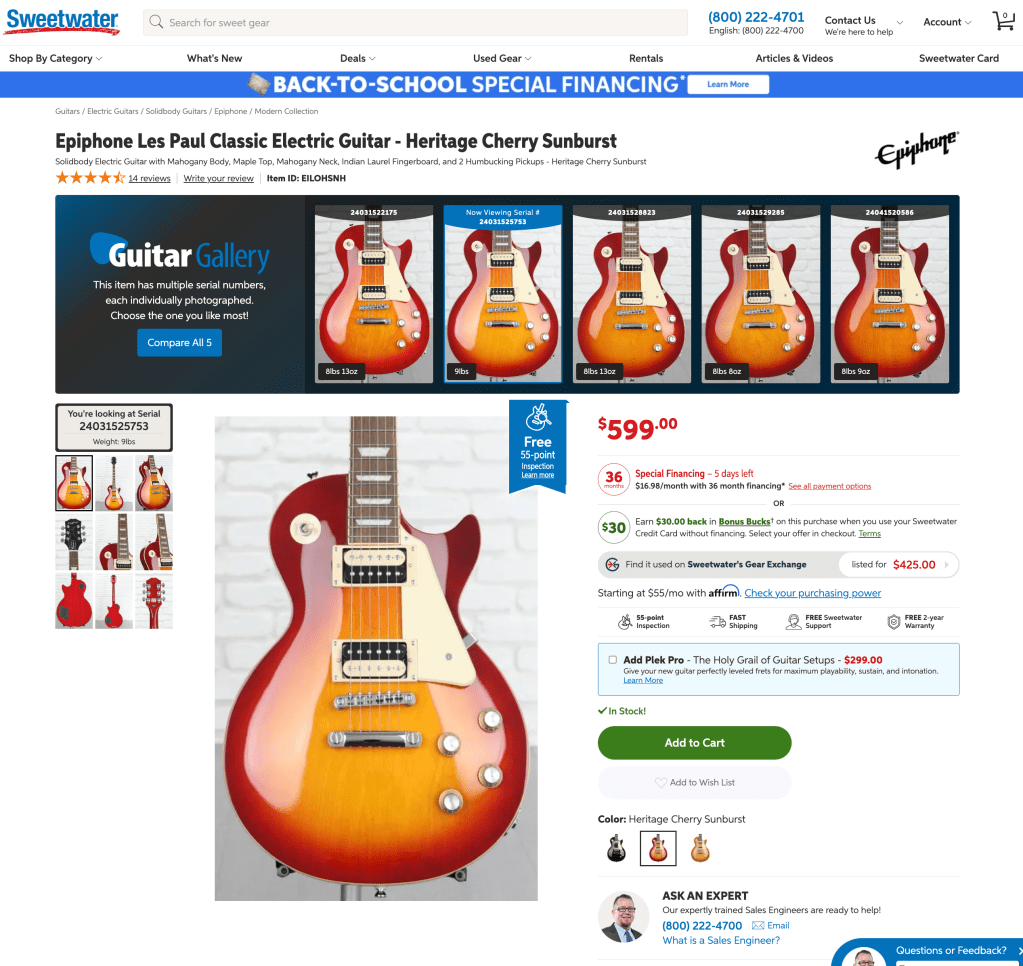
That’s when I turned my attention to Cort. Having tested and owned guitars like the PRS SE series or the EVH Wolfgang Standard built by Cor-Tek in Indonesia, I knew their manufacturing expertise was top-tier. If brands like PRS trust Cor-Tek to uphold their reputation, I figured Cort’s own Les Paul-style offering might just be the perfect alternative. And that’s how the Cort CR250 came into the picture.
Cor-Tek’s Role in the Guitar World
Cor-Tek has become one of the largest guitar manufacturers in the world. Despite not being the most well-known or prestigious brand, it’s reasonable to consider Cor-Tek as the world’s largest guitar manufacturer, given its annual production of approximately one million instruments. That’s a lot. When you watch videos like the ones posted by PRS or the own Cor-Tek’s videos of the company’s plants and manufacturing processes, you really begin to understand that they have an extraordinarily well-achieved mix of quality through expert good-ol’ manual craftsmanship and the use of advanced CNC (computerized numerical cutting) machines.

These machines allow for precise finishes and cuts, paired with craftsmanship and the hands of artisans—tremendously well-trained workers with a wealth of experience. Where the human touch makes a difference, skilled people are at work, and where a machine can provide a precision that a human being isn’t capable of, it’s also present. Cor-Tek has developed truly impressive expertise in guitar manufacturing. The result is a new golden era of affordable, high-quality instruments—something that would have seemed impossible 40 years ago.
A Confession: My Initial Perception of Cort
However, I must confess that I once dismissed Cort as a brand. My early encounters with them were in subpar stores, where they appeared alongside other low-quality budget instruments. These shops typically stocked only the cheapest options, often from lesser-known brands. In that context, I did not even bother to give Cort guitars a second glance. But, as it turns out, I was very wrong.
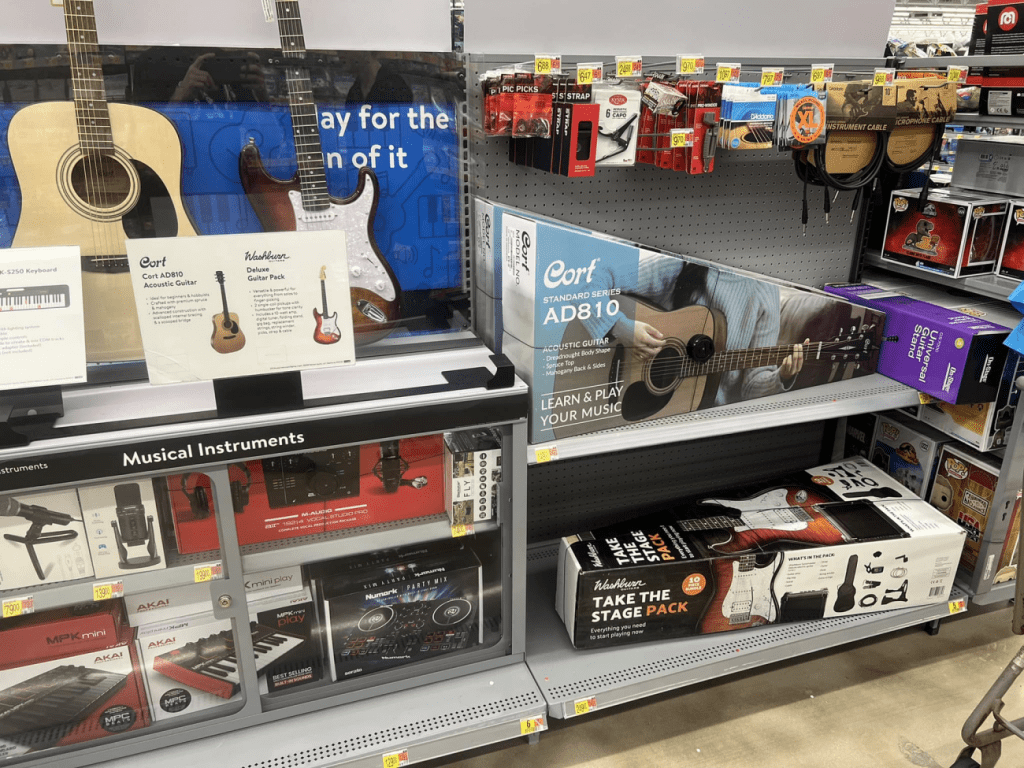
However, once I gained a deeper appreciation for Cor-Tek’s craftsmanship and looked past Cort’s marketing approach—which might deliberately avoid competing too directly with their high-profile clients—it became clear that the same expertise they use for other brands is fully applied to their own. Intrigued, I decided to explore what Cort had to offer in the Les Paul or vintage-style market. My instincts paid off when I discovered Cort’s Classic Rock series, or CR line, designed to deliver the aesthetics, feel, and tone of a true vintage instrument.

I came across the Cort CR250 online, and it looked promising. Visiting a nearby distributor, I found a Vintage Sunburst model. It sounded great in-store, with well-finished frets, smooth edges, solid binding, and impressive overall craftsmanship. Without much hesitation, I decided it was worth it and took it home.
A Closer Look at the Cort CR250
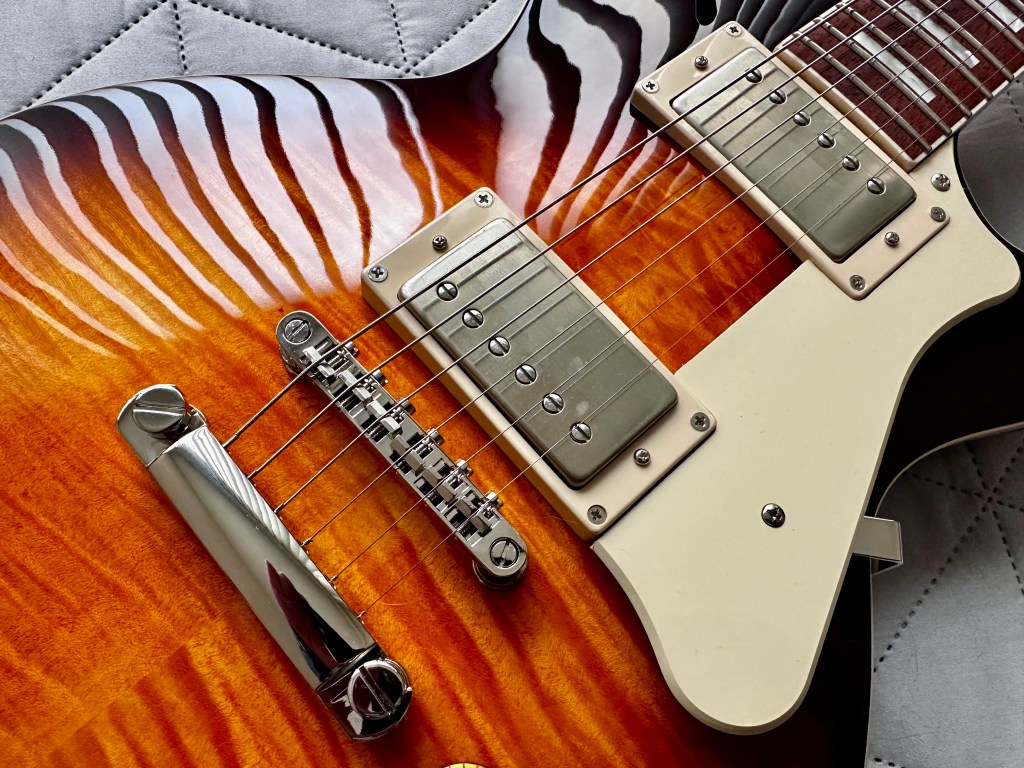
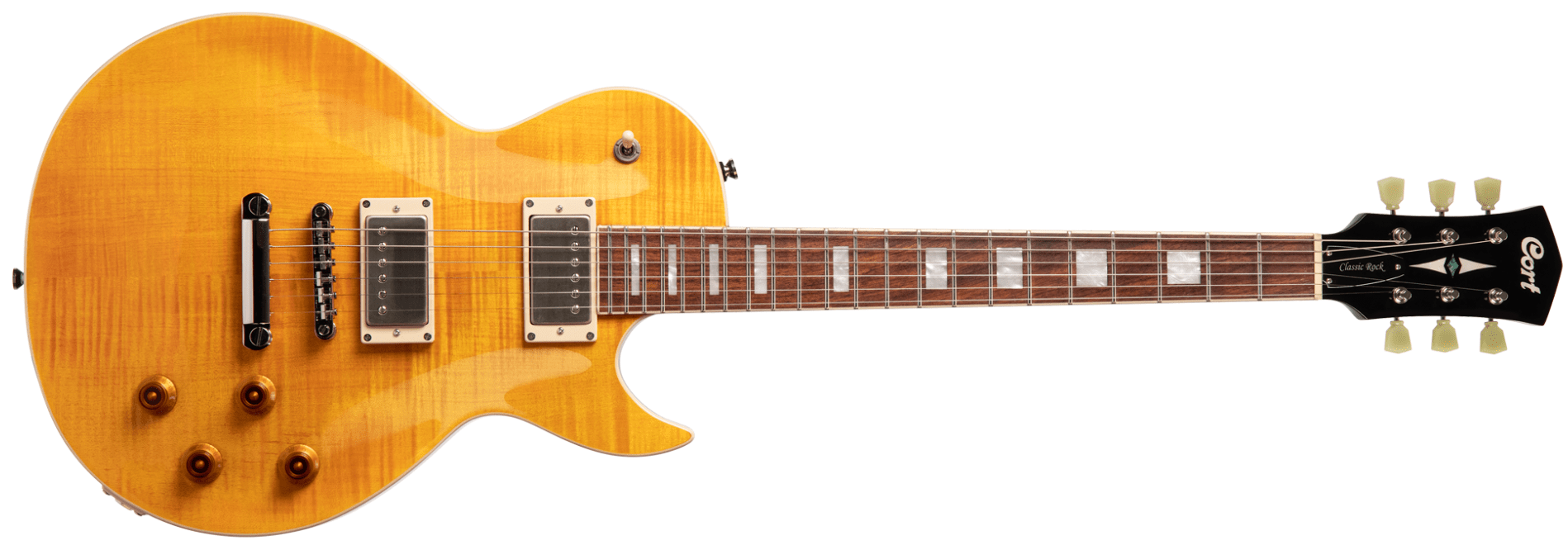
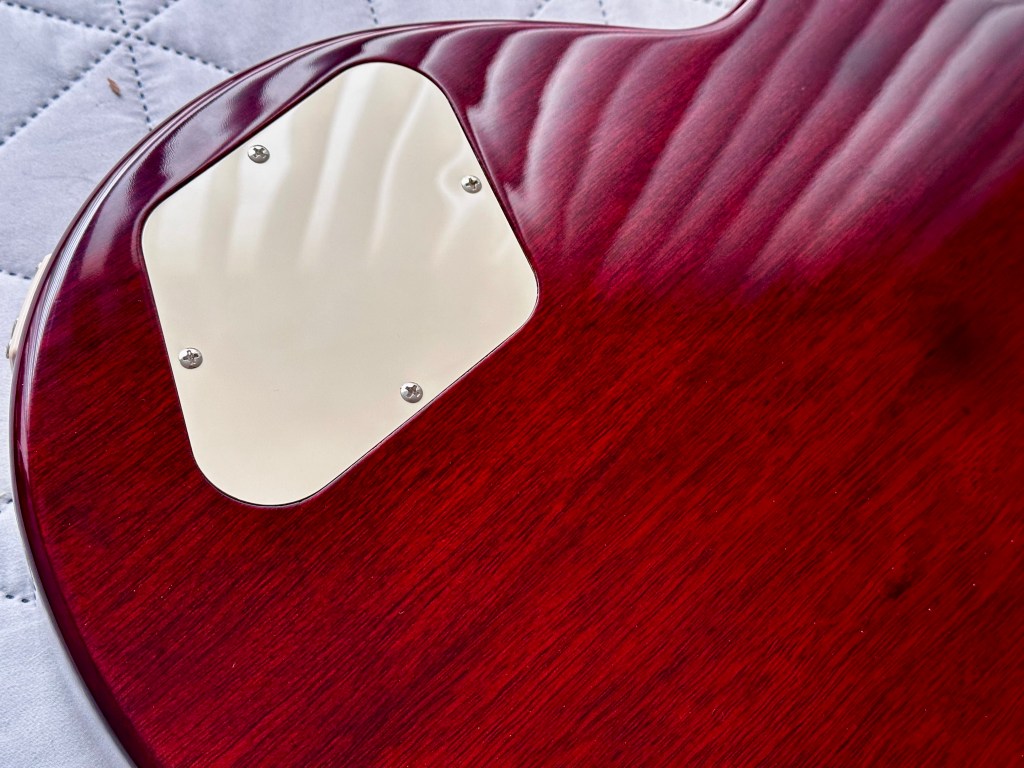
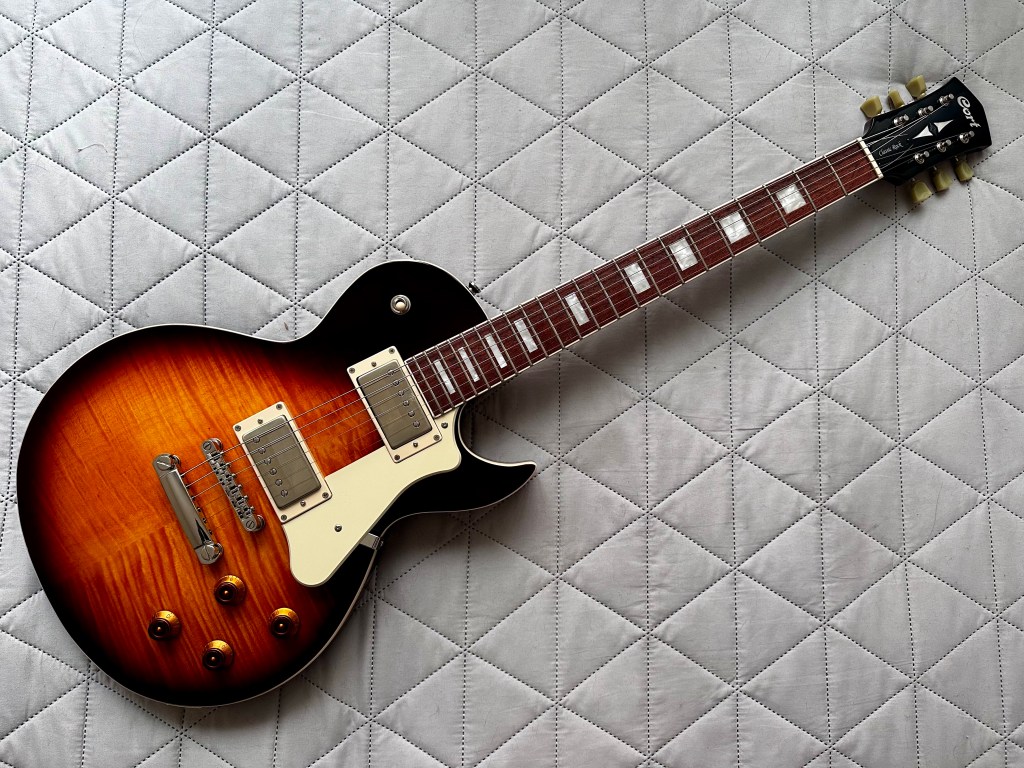
The mahogany body, topped with a stunning tiger-striped maple veneer, immediately draws your attention. The back features a deep red finish that beautifully reveals the wood grain under good lighting. At first glance, it appears solid, but the translucent finish highlights the natural beauty beneath, enhanced by a flawlessly applied glossy urethane coating. With a set neck and reinforced construction to prevent common issues (yes, Gibson, we’re looking at you), the Les Paul-inspired design is unmistakable. Even my teenage rocker son was convinced, exclaiming, “A Les Paul! Wow, it’s so luxurious!” he exclaimed, before I revealed it was actually a Cort.
Comparing with a Les Paul
When we compare a Les Paul and a CR250, we realize that it’s not a clone; it’s slightly different here and there. This is not by chance. For example, the headstock of Cort guitars was very similar to Gibson’s “open book” headstock, but it had to be changed at Gibson’s request. It should be remembered that Gibson does not mess around when it comes to suing others, like when PRS faced lawsuits from Gibson for the single-cut shape design, which fortunately Paul Reed Smith won. But in this sense, we can’t have an identical guitar because, of course, Gibson’s lawyers would be all over Cort.
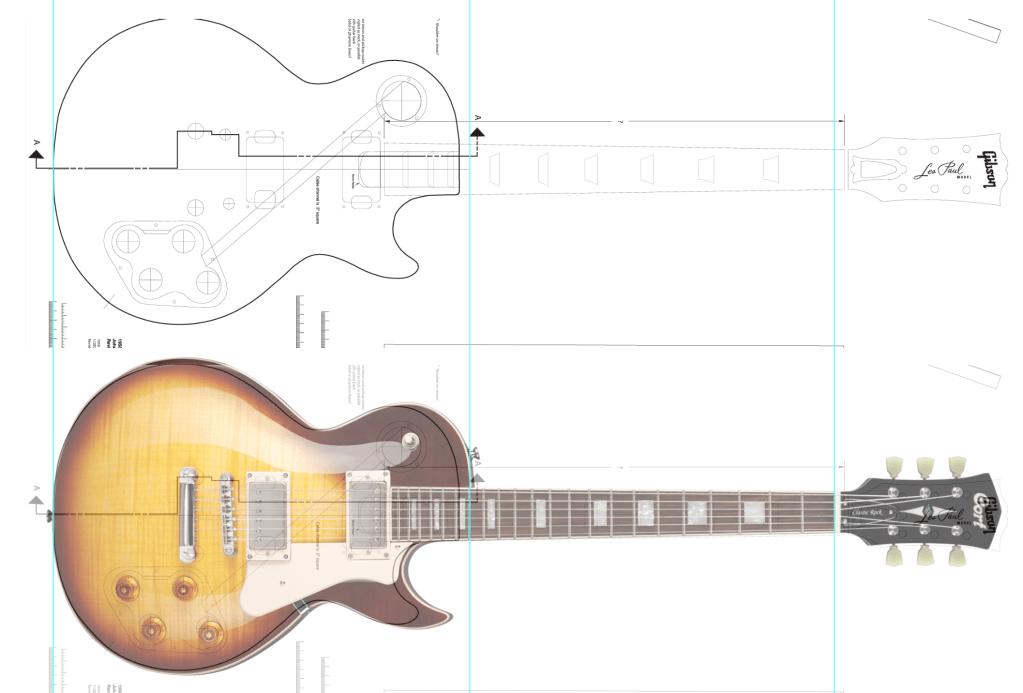
So, the differences are small, but they are there, right on the edge of what would provoke a lawsuit. For example, the pickguard appears to be the same but is slightly different. Also, the lower horn is a little bit more pointed, a little bit longer—it’s a minimal difference. I’ve read that some people don’t like that shape, but the truth is that I see it as very similar, and it looks very good. So, we have a very similar look, without a doubt, to a Les Paul. We have the classic humbucker pickups, etc., and on this instrument, it has a maple veneer which makes it very attractive indeed. I’m not quite sure if it adds a significant layer to the sound, but it looks amazing.
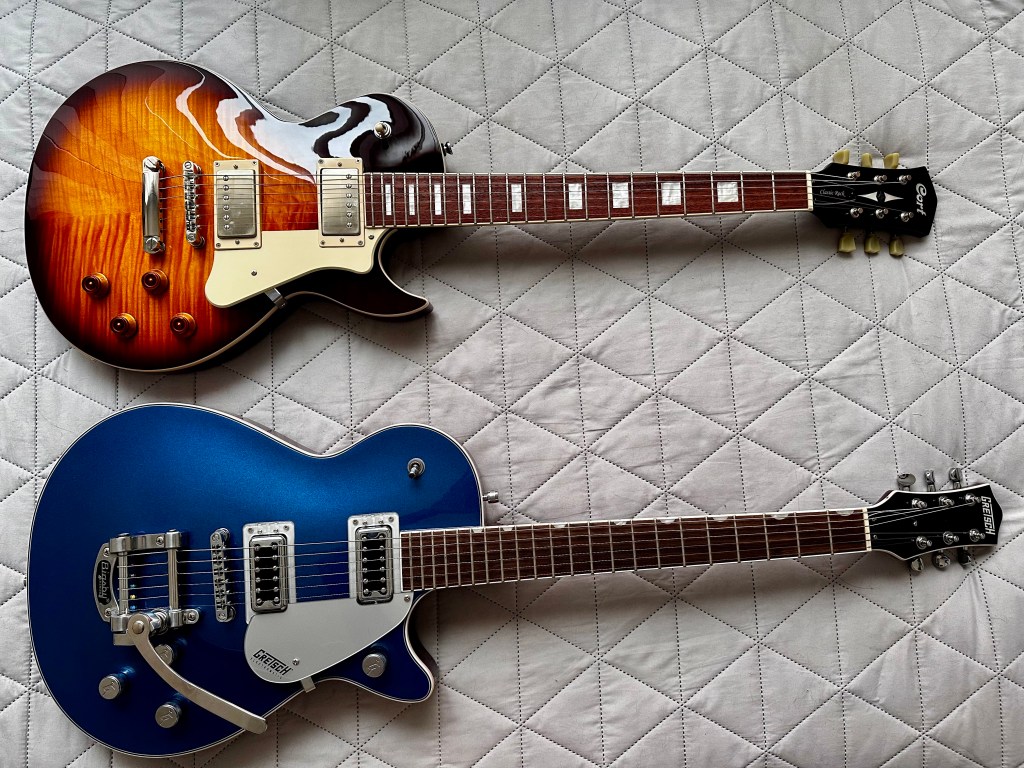
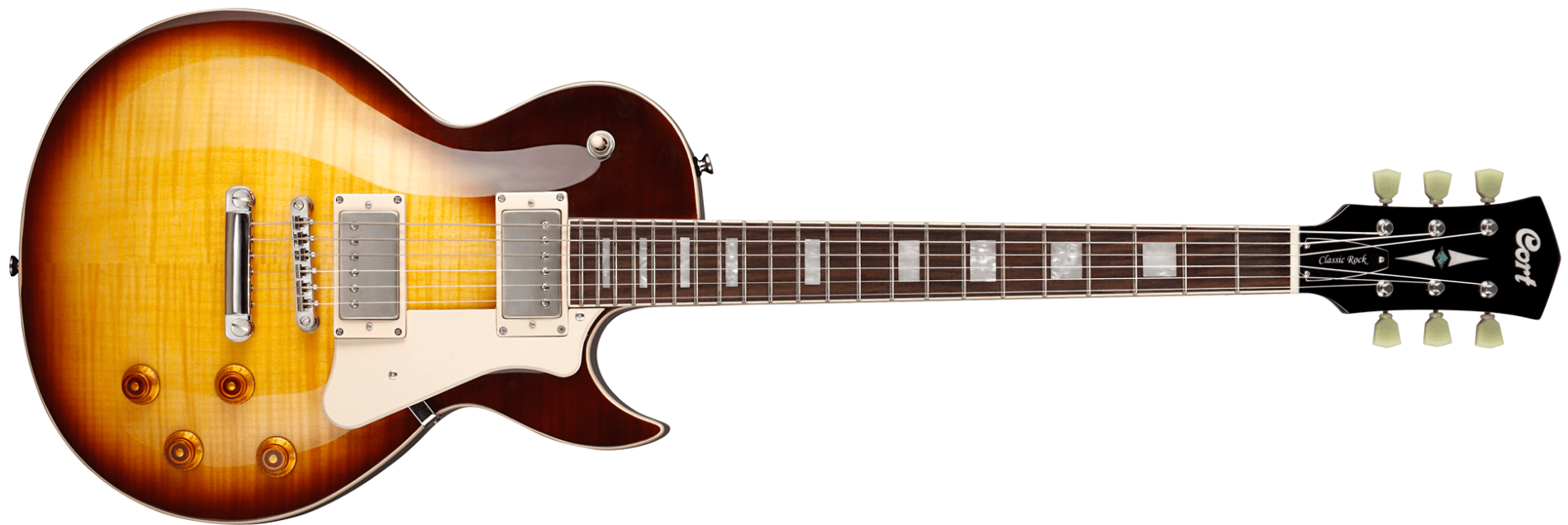
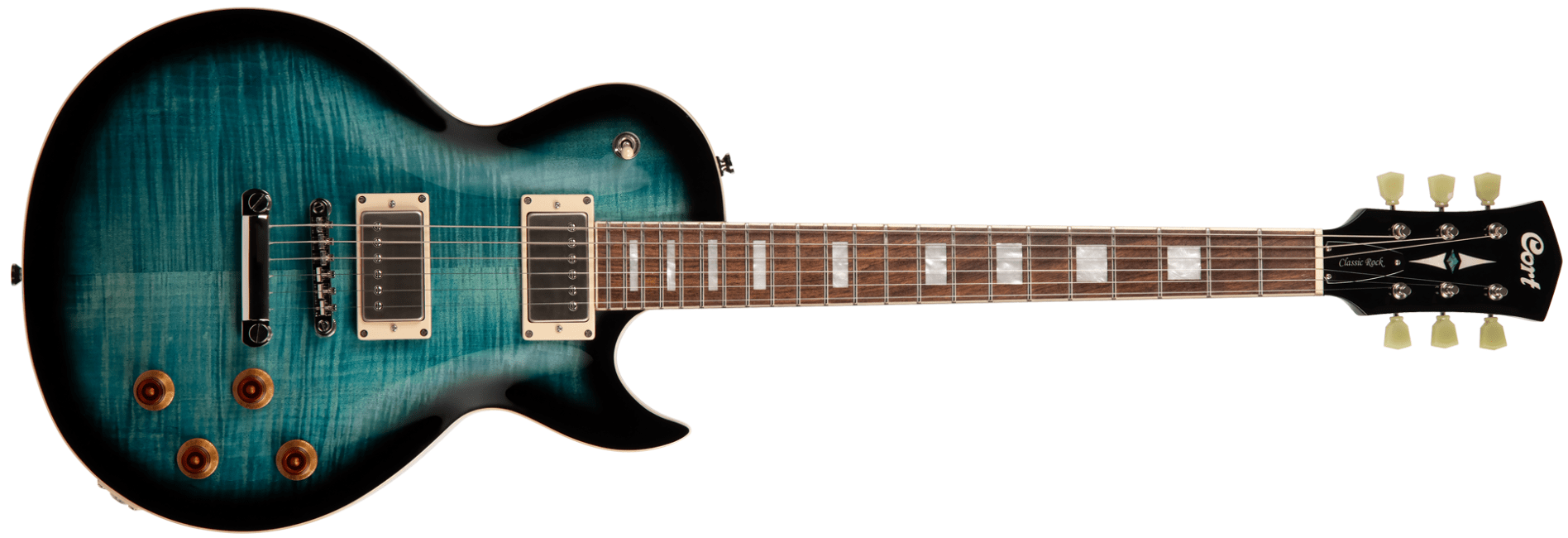
The sunburst finish is a nod to vintage style, flawlessly applied to make the guitar incredibly appealing. It comes in four colors, and I must admit, I love them all.

Comfort and Playability
Though the body lacks ergonomic contours, it’s surprisingly comfortable to play. The neck, with its vintage feel, isn’t slim or built for shredding, but it fits perfectly in your hands. When you attempt to speed through faster runs, it’s like a gentle reminder that this guitar is all about feel, not speed. The Jatoba fretboard, a departure from the usual rosewood or laurel, stands out with its rich reddish hue. While not as silky smooth as ebony, it still offers a great playing experience. The rectangular inlays, reminiscent of a Les Paul Custom, add a refined touch. The fretwork is impressively flawless—no sharp edges, perfectly aligned, and polished beautifully. It may not be custom shop grade, but it’s better than what you’ll find on many Epiphone or Squier models. Despite being new, the guitar has the feel of a well-worn, seasoned instrument. Cort’s craftsmanship really shines here. In fact, I’ve encountered subpar fretwork on an Epiphone Les Paul Custom from China and a Squier Stratocaster from Indonesia and a Squier Telecaster made in China. Yet this modestly priced Cort outclasses them in quality—and at a lower price!
Hardware Quality
The guitar features a Graph Tech® Nubone nut, which promises better tuning stability. There is no vibrato bridge or anything; instead, we have one of these really simple but effective Tune-O-Matic bridges that are fixed, and this will help us to keep the tuning stable.
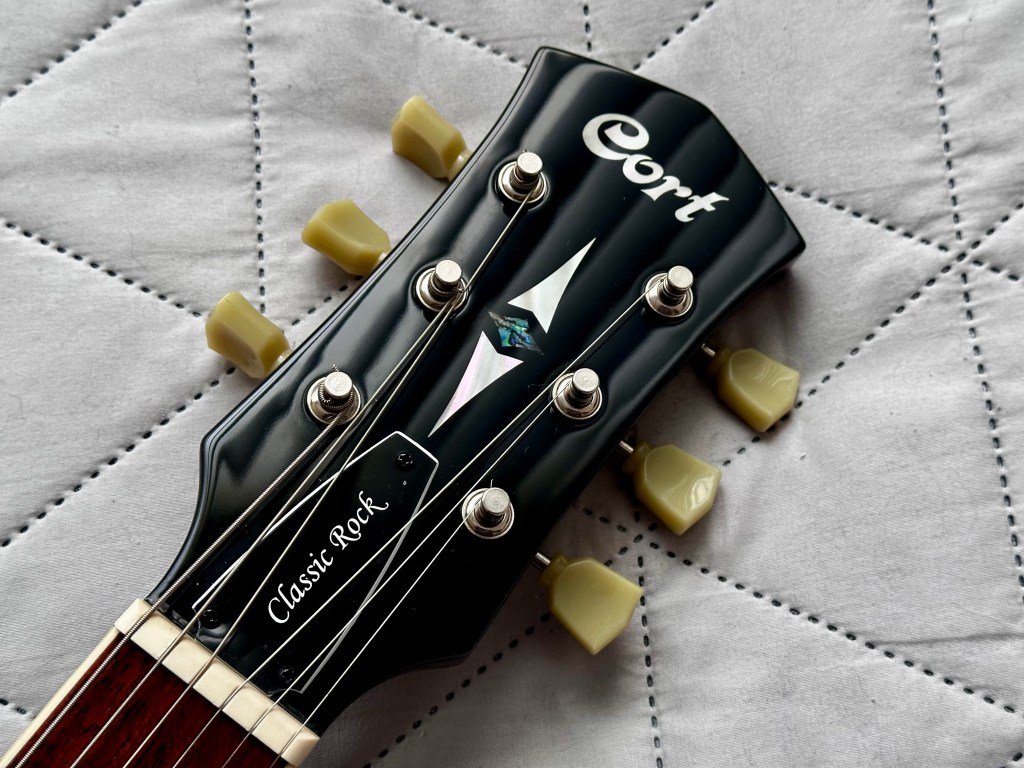
The guitar features six tuning pegs, arranged three per side, with vintage-style machine heads. At first glance, they don’t look particularly impressive, but we’re assured that they have modern construction underneath.
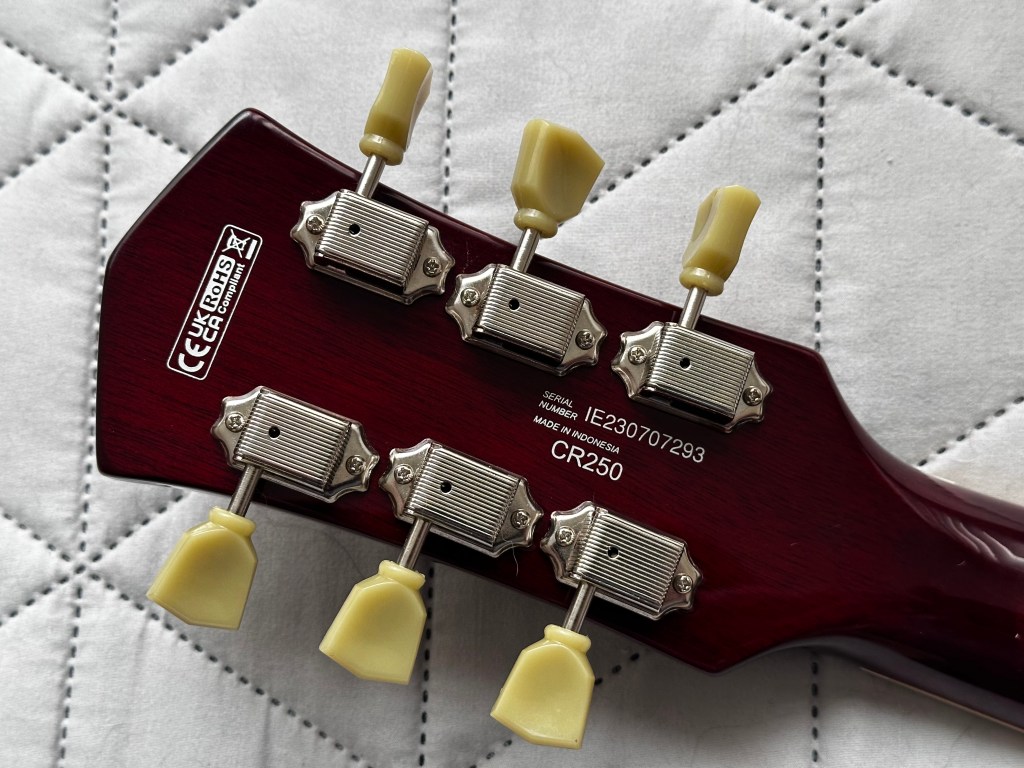
The tuning pegs have a dark green plastic finish, almost like a mix between aged yellow and green. Initially, I thought they might be candidates for an upgrade to premium pegs, but now I’m not so sure. I checked out replacement Gibsons, which cost around $90, and honestly, they don’t seem all that different in appearance.

I didn’t find anything that made me feel premium enough to run out and change them, cashing out almost a hundred bucks. The headstock has applications that look like mother-of-pearl, but they very probably are plastic.
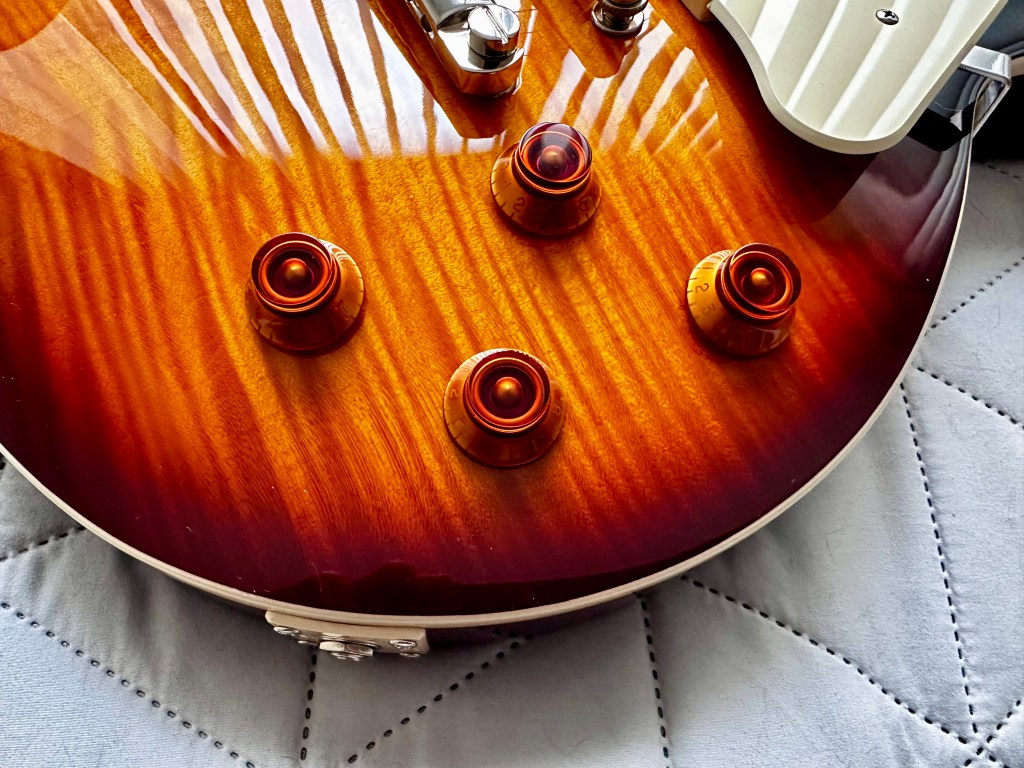
The guitar came with a somewhat inexpensive-looking pickguard that I eventually decided to remove. While it offered some comfort, I never quite warmed up to it. It also features a classic three-position selector switch in the traditional Gibson spot and Top Hat-style knobs for a timeless look.
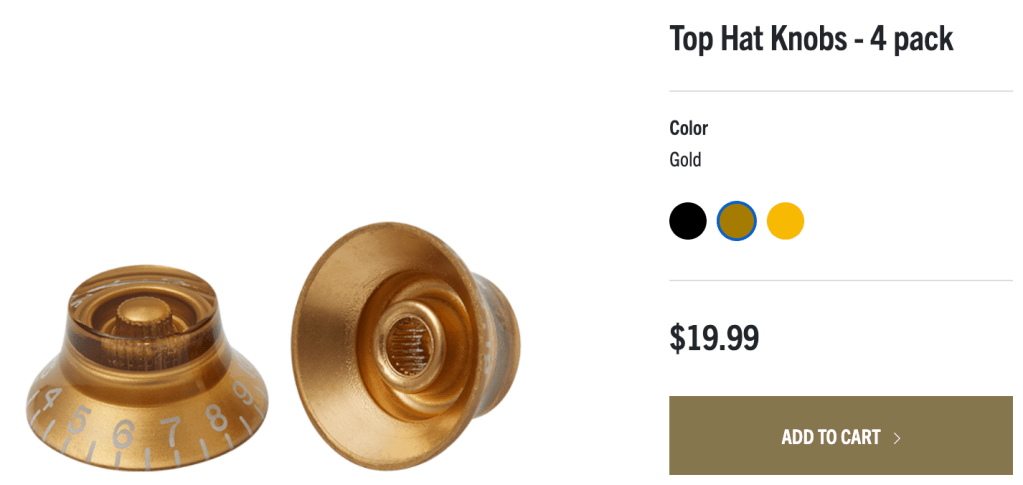
Initially, the knobs felt a bit small to me, but when I considered swapping them out, I discovered that Gibson uses very similar knobs on some of their guitars. This made me realize that changing them might be unnecessary after all.
Understanding the Pickups
Now, as for the pickups, we’re looking at two humbuckers. Specifically formulated by Cort, they’re called Voiced Tone VTH-59. These are very interesting because they have an Alnico II magnet, a 0.06 mm AWG43 coil with 5500 turns. The resistance is 9.2k ohm, and the inductance is 5.0H; overall, they are intended to emulate or come close to a vintage-style humbucker pickup in the sense of Gibson’s PAF (Patent Applied For) manufacture. These pickups play a crucial role in defining the guitar’s overall experience.
When I plugged the CR250 into my rig for the first time, I was blown away. The sound was bold and powerful, and the thicker neck construction delivered an authentic vintage feel. This guitar exudes authority—it’s built for hard rock and lives up to its “Classic Rock” name. If you’re chasing that Slash-inspired vibe, this guitar nails it. I was initially amazed by the high output of its humbuckers, thinking it might just be my imagination. However, after recording the same passage with other guitars under similar settings, the CR250 consistently delivered the highest volume output in my collection.
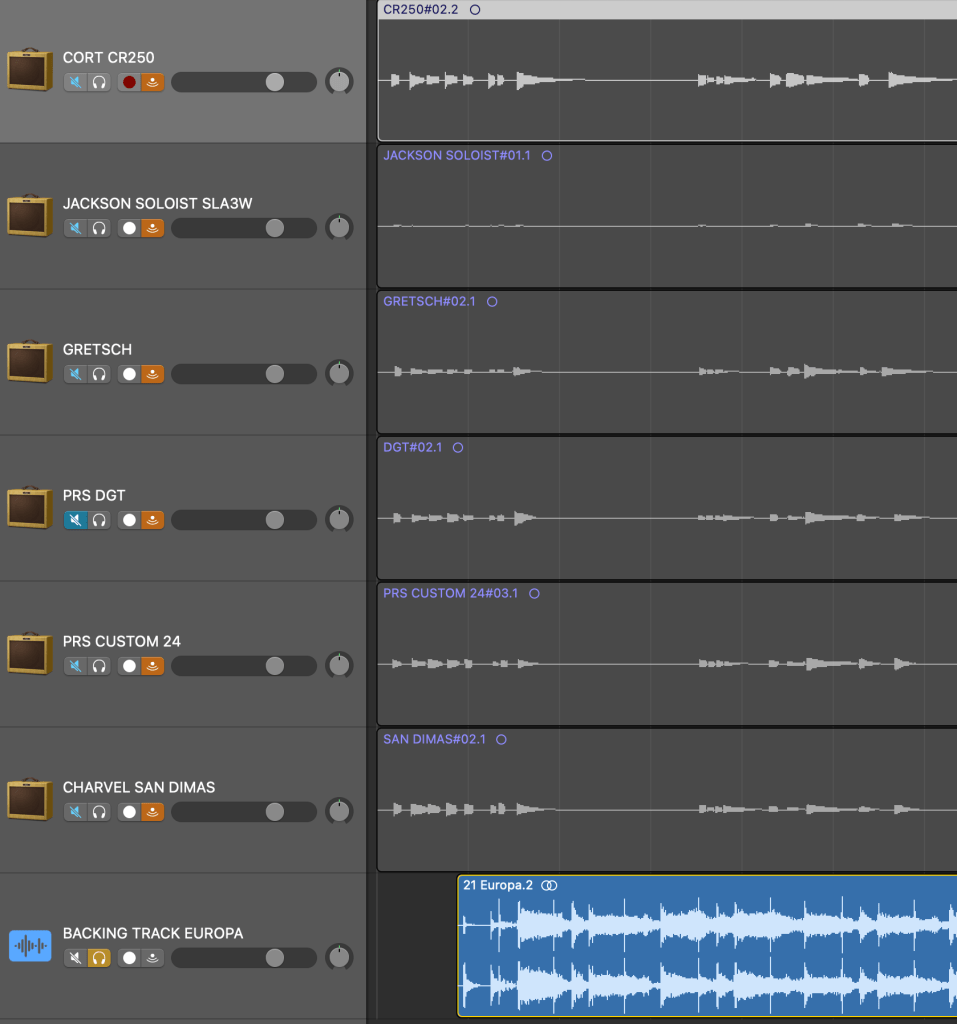
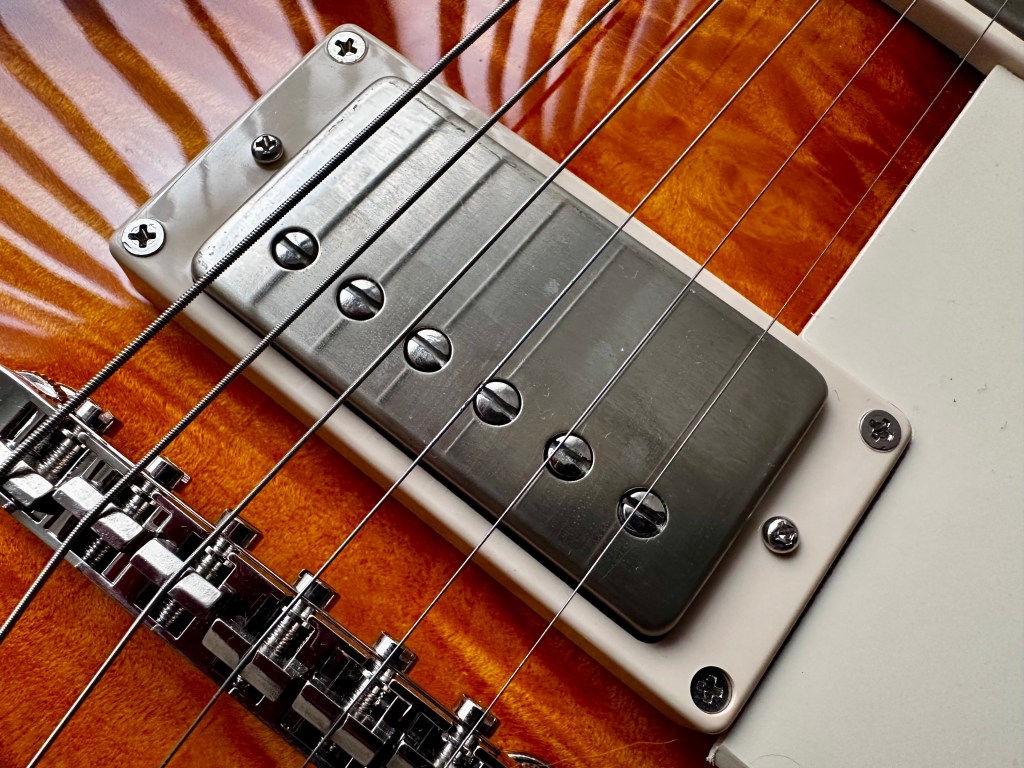
Initially, I thought this would be a great candidate for an upgrade project, swapping in Seymour Duncans or DiMarzios. But now, I’m having second thoughts. Why change anything? These humble, unbranded, Indonesian Cort-designed pickups more than hold their own—they truly deliver.
The Sound Experience
The sustain is exceptionally long, which is what you’d expect from a set-neck guitar, but here it truly excels, delivering a rich resonance that sustains notes beautifully. That really impressed me. The guitar immediately gave me the sense that it’s ideal for B.B. King or Albert King blues styles. The pickups have a high output that drives the amp powerfully, practically begging to be in hard rock mode. I tested it with metal and hard rock (even though I don’t play much metal, I dialed in some suitable patches), and I have to say, this guitar is absolutely perfect for those genres.
For jazz, it performs incredibly good if you dial down the volume a bit. The middle position, with both pickups engaged, delivers a tone that I really enjoy—it has a bit more air, with added bass from the neck pickup and the expected treble from the bridge pickup. The sound genuinely surprised me with its rich, punchy character, making the playing experience highly satisfying. The guitar’s response feels very organic, and it’s easy to control through the volume and tone knobs.
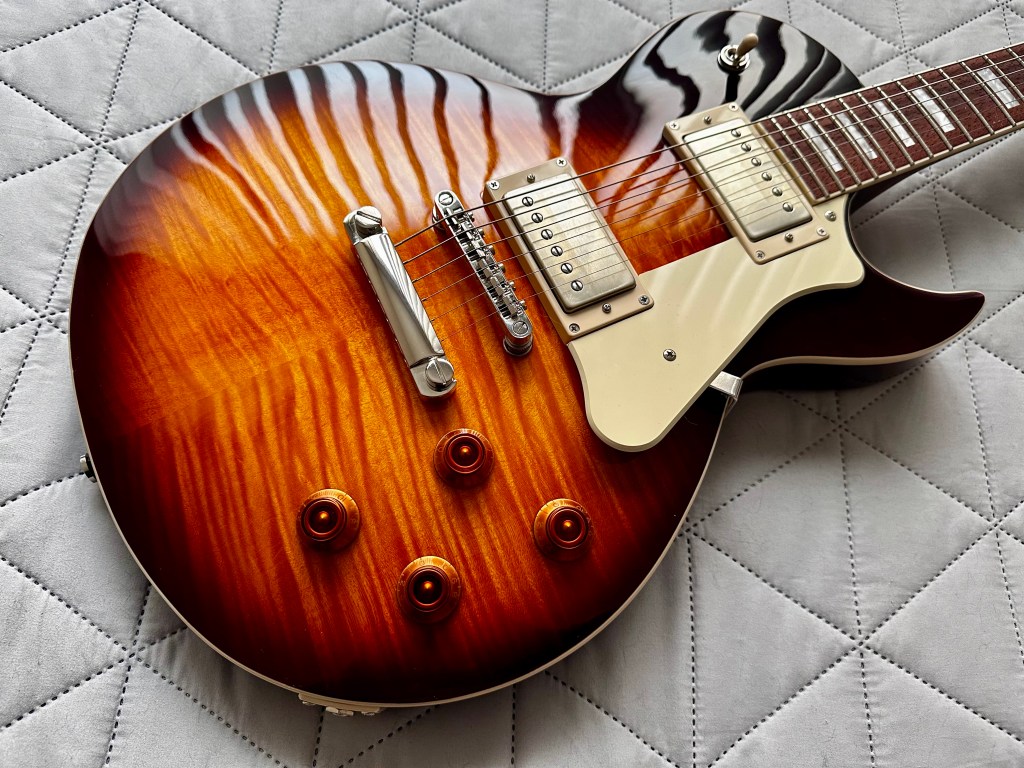
It’s not a dark guitar; in fact, it strikes a very well-balanced tone. It’s not overly bright either, which adds to its versatility. The sound won’t limit you if you’re looking for brighter tones, but it also won’t push you toward overly bass-heavy sounds. This guitar is particularly impressive for its sound, even more so than its comfort or aesthetics. It’s a surprisingly capable instrument.
Playability and Setup
The CR 250 feels very comfortable to me. The string action is at the perfect height—they’re not too low and not too high. It’s factory-equipped with D’Addario EXL110 10-46 strings, a somewhat heavy gauge that helps to get a fat tone. The setup of the guitar, as I received it, was superb. I didn’t change absolutely anything on it because everything was so well in place, and when I played it, I was very surprised.
The Price Tag
One of the standout features of this guitar is its price. I paid the full retail price of $400 USD, without any discounts. In other regions, it typically ranges around $450, sometimes reaching up to $500, depending on your location.
The CR250 has an undeniable charm—the tone, the comfort, and the way it feels like an extension of my hands. I never expected to feel so connected to a $400 guitar, but its true value goes beyond affordability—it’s the sheer joy it brings every time I pick it up. A $100 guitar may be a bargain, but if it just collects dust, it’s worthless. On the flip side, even a high-end guitar can sit neglected for various reasons. What surprises me most about the CR250 is how much I enjoy playing it and how often I find myself coming back to it.
Alternatives to the Cort CR 250
If you’re eyeing the Cort CR 250, it’s important to remember that it’s not a rare gem in the world of guitars. The market is full of Les Paul-style, solid-body guitars with sunburst finishes and double humbuckers that exude a vintage vibe. You’ll find options across the spectrum, from the $650 Ibanez AR420, which brings its own distinctive flair beyond just mimicking a Gibson, to the more affordable $280 Harley Benton SC-550 II FTF. Whether you’re drawn to a guitar with classic appeal or something with a modern edge, there’s a wealth of choices available, making it worthwhile to spend some time shopping around to find the instrument that truly resonates with you.
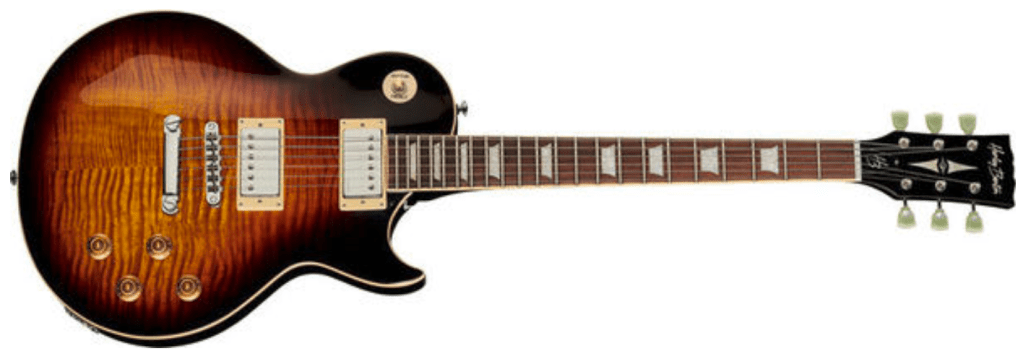
While the CR250 isn’t the cheapest Les Paul alternative out there, nor the most expensive, it stands out as a solid instrument that delivers exceptional value for the price.
The Brand Dilemma
The only potential downside to this guitar might be its brand, which isn’t well-known. If you’re looking for a prestigious, premium brand, this guitar doesn’t fit that bill.
Sure, the roster of Cort ambassadors isn’t as star-studded as PRS or Jackson’s was in the ’80s—a key marketing strategy that paid off big over time. But attracting a high-profile guitar celebrity comes with a hefty price tag. If a brand wants to showcase a major name and a recognizable face in their advertising, there’s no getting around the fact that you’ll have to foot the bill.
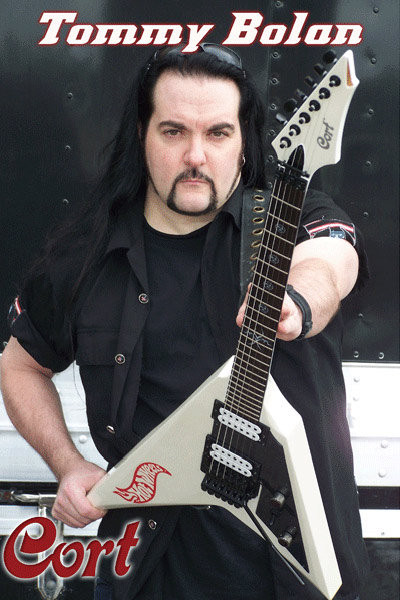
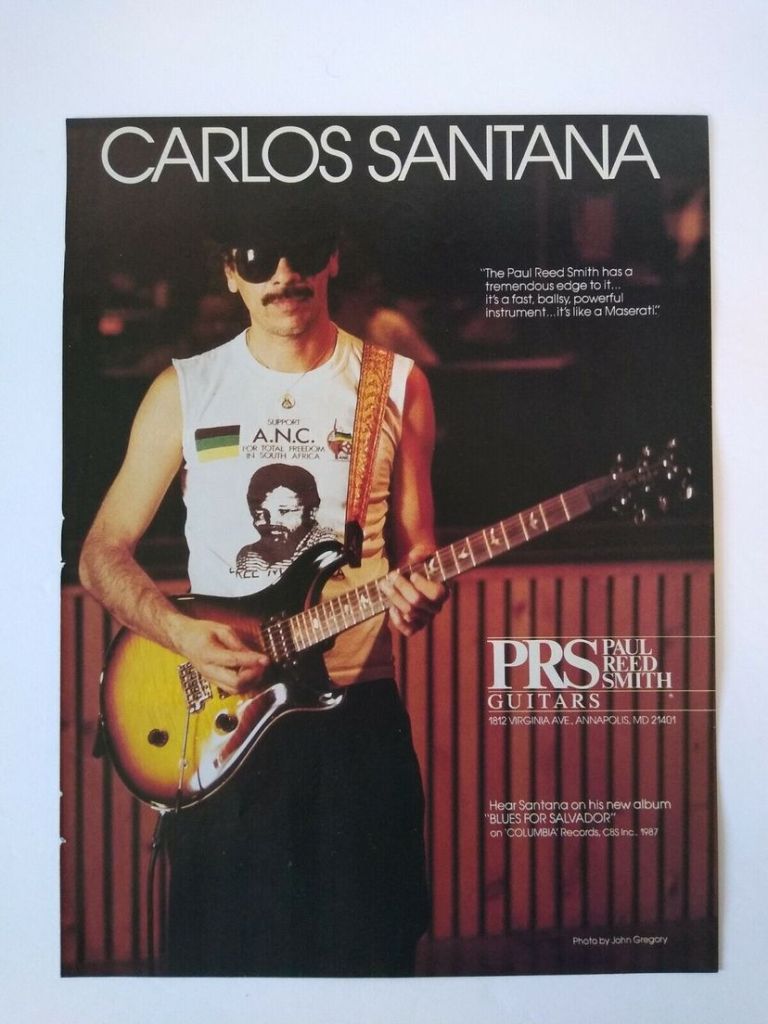
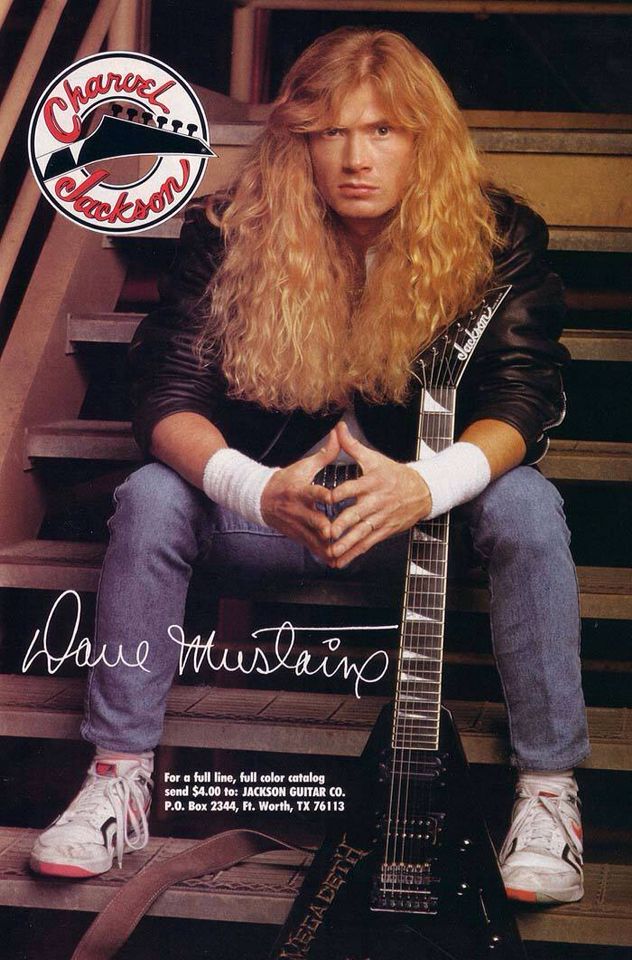
Let’s face it, having Tommy Bolan in your ad isn’t quite the same as featuring Carlos Santana or Dave Mustaine. The upside? You won’t need to foot the hefty bill for celebrity endorsements if you opt for the Cort brand.
I often compare this guitar to choosing between a Mercedes-Benz and a Kia—fitting, since both Kia and Cort are Korean brands. Kia and Hyundai consistently deliver high-quality, capable products, yet they lack the premium status of brands like Mercedes-Benz, much like Cort compared to Gibson.
Gibson, like Mercedes, carries a prestige that demands respect—and a hefty price tag. But is the extra cost really worth it? For me, impressing others with a brand name no longer matters. What does matter is owning a guitar that brings pure joy every time I play it. The CR250 delivers exactly that.
There are a couple of videos I’d like to share, comparing the Cort CR200 with a Gibson Les Paul Custom and the Cort CR300 with a Gibson Les Paul Standard. These comparisons truly speak for themselves:
Pros and Cons of the Cort CR250
Pros
- Affordable Price: At $400-$500, it delivers exceptional value, providing features and craftsmanship far beyond its price range.
- High-Quality Construction: The mahogany body with a tiger-striped maple veneer is beautifully crafted, complemented by flawless fretwork and smooth edges.
- Vintage Appeal: The Les Paul-inspired design, classic sunburst finish, and Top Hat-style knobs offer a timeless aesthetic.
- Impressive Sound: The Voiced Tone VTH-59 pickups deliver a high-output, versatile tone suitable for blues, rock, and hard rock, with a rich vintage feel.
- Playability: The set neck, smooth Jatoba fretboard, and balanced action make it comfortable and satisfying to play.
- Versatility: Well-balanced tone works across multiple genres, from rock to jazz, with responsive controls.
Cons
- Lesser-Known Brand: Cort doesn’t carry the prestige of brands like Gibson or PRS, which may deter those seeking a more recognizable name.
- Basic Hardware: While functional, the unbranded tuners and pickguard could be seen as areas for improvement.
Conclusion
In the end, the Cort CR250 turned out to be a standout guitar that exceeded my expectations in nearly every way. While initially skeptical about the brand, I was surprised by the quality, craftsmanship, and playability it offered, all at an affordable price. The guitar’s rich, vintage-inspired tone, excellent sustain, and overall versatility make it a serious contender, especially for anyone seeking the Les Paul aesthetic without the hefty price tag.
The Cort CR250 is a perfect example of how modern manufacturing, when done right, can create a guitar that rivals more established brands in both sound and feel. If you’re looking for a guitar that offers the iconic Les Paul vibe—without breaking the bank or sacrificing quality—this model deserves serious consideration. Its balance of comfort, craftsmanship, and powerful pickups is hard to beat, and I can confidently say it’s become a beloved part of my collection.


 oscaronguitars.com
Leave a comment