
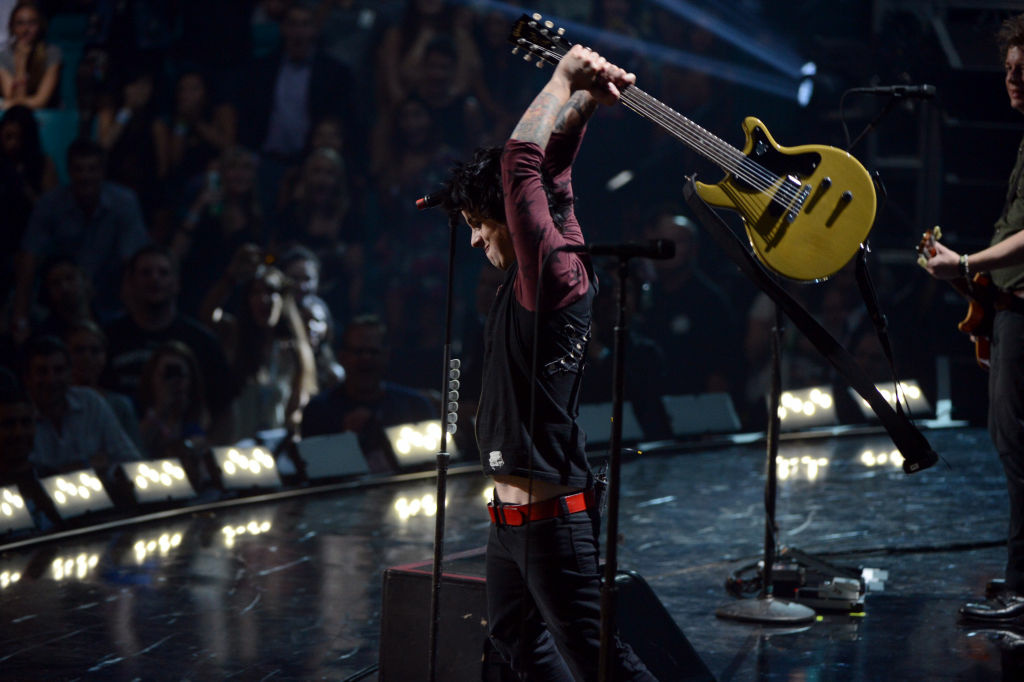
Rock ‘n’ roll isn’t just about the music—it’s about the attitude, the rebellion, and sometimes, the sheer destruction. Over the years, some of the most unforgettable moments in music history have involved guitars being smashed to pieces on stage. These acts of destruction have become legendary, symbolizing the wild, untamed spirit of rock. In this article, we’re going to look at five of the most famous guitars that met their end in the heat of a live performance. Whether it was an act of frustration, a calculated statement, or just a spur-of-the-moment decision, these guitar-smashing incidents have left an indelible mark on rock history.
1. Pete Townshend
Pete Townshend of The Who is arguably the king of guitar smashing. His destructive performances became a hallmark of The Who’s live shows, and the guitar that started it all was a Rickenbacker 330. During a performance at the Railway Hotel in 1964, Townshend accidentally broke the neck of his guitar on the low ceiling. Instead of stopping, he continued to smash the guitar to bits, much to the audience’s astonishment.

This moment was the birth of Townshend’s guitar-smashing routine, which he would go on to perform countless times with various guitars. The sight of Townshend swinging his guitar around and smashing it to pieces became an iconic part of The Who’s act, symbolizing the chaotic and aggressive energy of their music. The Rickenbacker 330 that met its demise that night is remembered as the guitar that sparked a rock ‘n’ roll tradition.
2. Kurt Cobain
Kurt Cobain, the frontman of Nirvana, was known for his raw, emotional performances, and his tendency to destroy his guitars on stage became a part of his persona. One of the most famous guitars Cobain destroyed was his Fender Mustang during a performance on MTV’s “Live and Loud” in 1993. After a particularly intense set, Cobain slammed the guitar into the stage floor repeatedly until it was nothing but splinters.
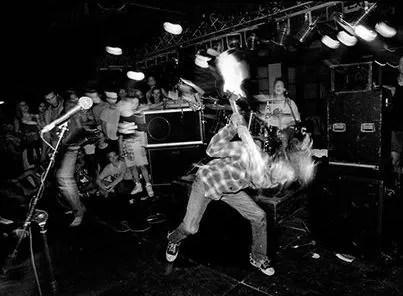
Cobain’s guitar-smashing wasn’t just an act of showmanship—it was an expression of his inner turmoil and frustration. The destroyed Mustang, like many of Cobain’s guitars, became a symbol of the angst and raw energy that defined the grunge movement. Cobain’s destructive performances left a lasting impact on the music world, and the image of him smashing his Mustang is etched into the collective memory of Nirvana fans.
3. Paul Simonon
One of the most iconic images in rock history is the cover of The Clash’s “London Calling” album, featuring Paul Simonon smashing his Fender Precision Bass on stage. The photograph, taken by Pennie Smith at a show in New York in 1979, captures the exact moment when Simonon, in a fit of frustration, destroyed his bass by slamming it into the stage.
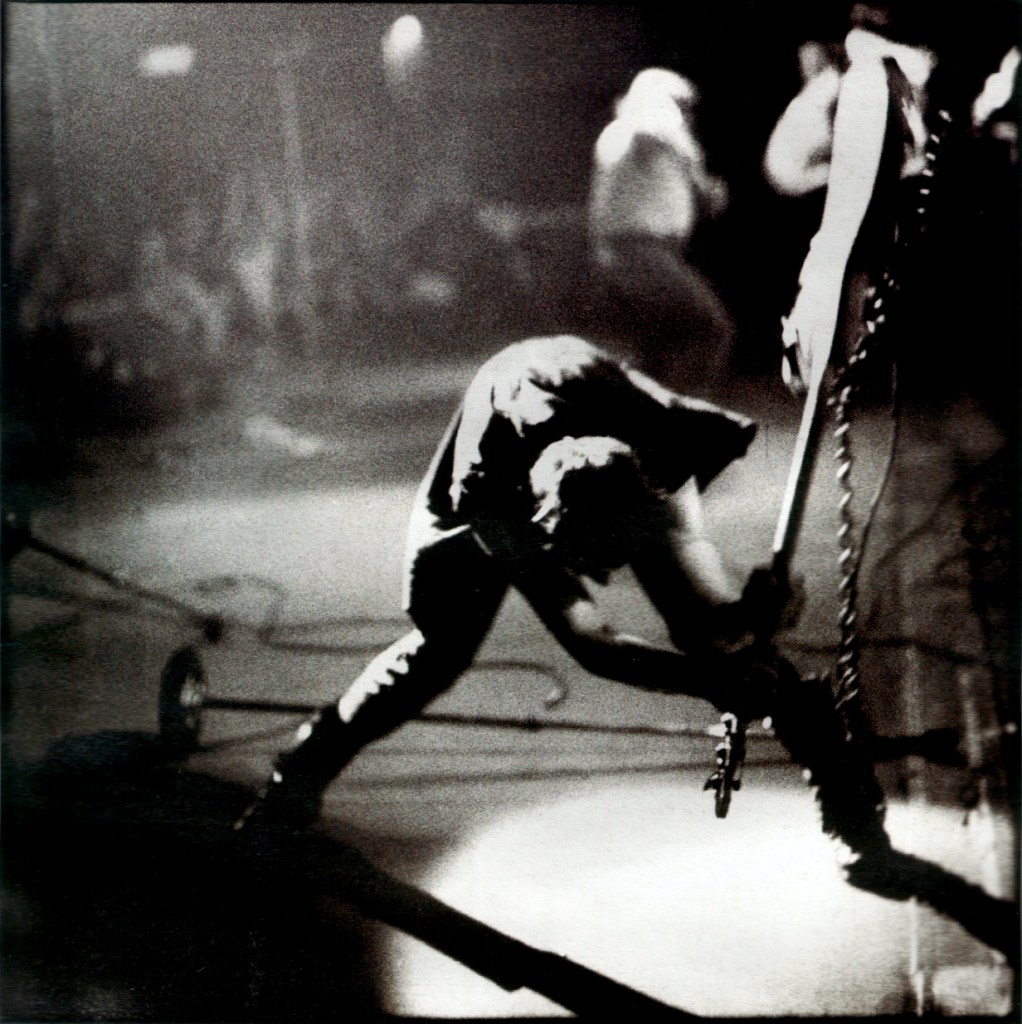
Simonon’s bass smash wasn’t planned—it was a spontaneous reaction to the oppressive security measures at the show and his own pent-up energy. The resulting image perfectly encapsulates the rebellious spirit of punk rock and has since become one of the most famous album covers of all time. The bass itself, now in pieces, is displayed at the Museum of London, immortalizing that moment of destruction as a defining image of The Clash and the punk movement.
4. Ritchie Blackmore
Ritchie Blackmore of Deep Purple was known for his virtuosity and his temperamental stage presence. During the early 1970s, Blackmore became notorious for his dramatic guitar-smashing finales, particularly with his Gibson ES-335. One of the most famous incidents occurred at a 1972 show in Japan, where Blackmore violently destroyed his ES-335 at the end of a particularly intense performance of “Space Truckin’.”
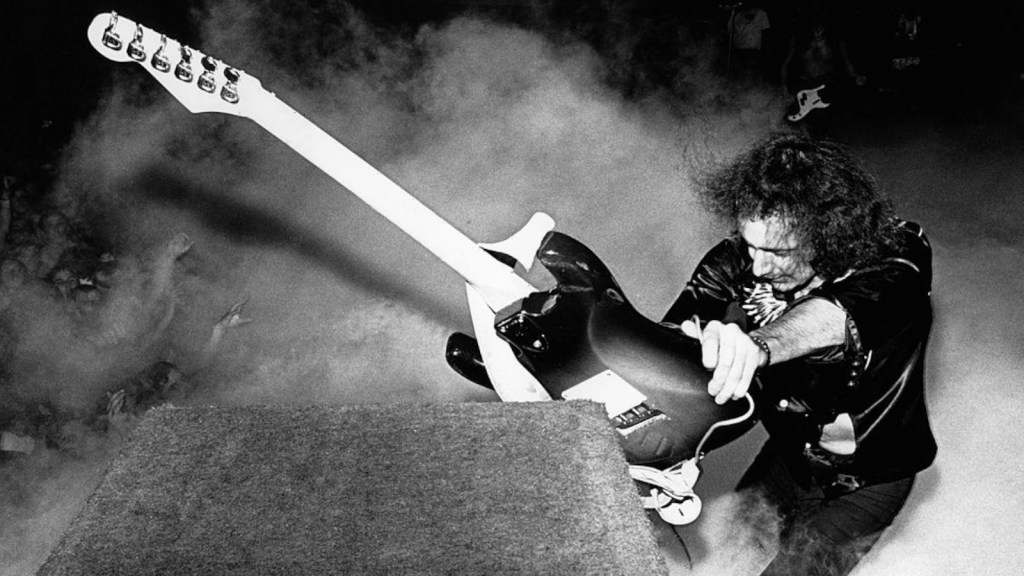
Blackmore’s guitar-smashing antics were a mix of theatricality and genuine frustration. The destruction of his ES-335 became a regular part of Deep Purple’s live shows, thrilling audiences and adding to Blackmore’s mystique as a guitar hero. The shattered remains of his guitars, especially the ES-335, have become legendary, representing the high-energy, unpredictable nature of Deep Purple’s performances.
5. Jimi Hendrix
Perhaps the most iconic guitar destruction in rock history, Jimi Hendrix’s performance at the 1967 Monterey Pop Festival is unforgettable. At the end of his set, Hendrix took his Fender Stratocaster, doused it in lighter fluid, and set it ablaze before smashing it on the stage. This act of destruction was both shocking and mesmerizing, capturing the rebellious spirit of the 1960s counterculture.
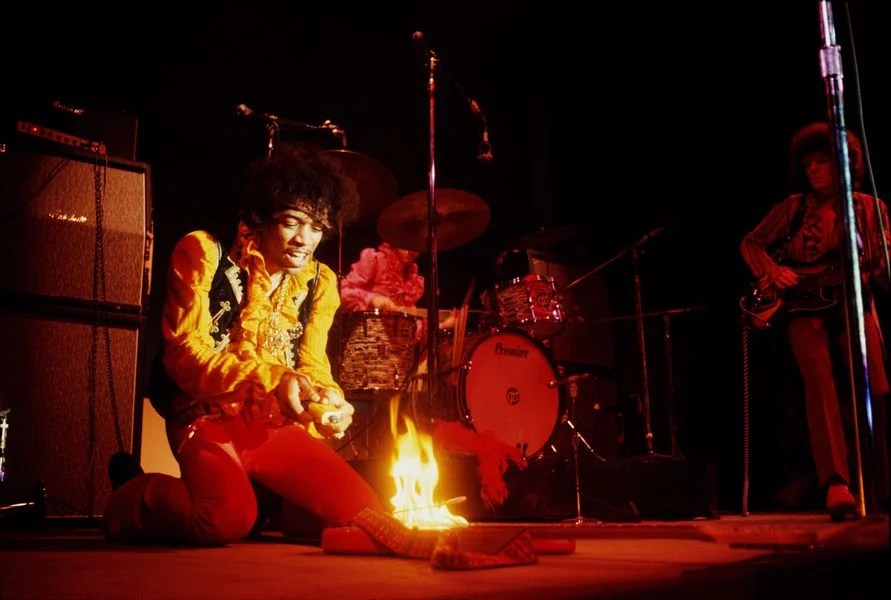
“The time I burned my guitar it was like a sacrifice. You sacrifice the things you love. I love my guitar.” – Jimi Hendrix
The burnt remains of that Stratocaster have become legendary, symbolizing Hendrix’s explosive energy and his status as a guitar god. The image of him kneeling before the burning guitar, seemingly in a trance, is one of the most enduring images in rock history. Hendrix’s fiery sacrifice of his guitar wasn’t just about destruction—it was a ritualistic offering, a moment that forever solidified his place in rock ‘n’ roll lore.
Conclusion:
These five guitars, destroyed in moments of passion, frustration, or theatricality, have become symbols of the wild, untamed spirit of rock ‘n’ roll. Whether it was Jimi Hendrix’s sacrificial burning of his Stratocaster or Paul Simonon’s spontaneous destruction of his bass, these acts of destruction have left a lasting legacy in music history. While the guitars themselves are gone, the moments they created live on, reminding us that rock ‘n’ roll is as much about breaking the rules as it is about making music.
 oscaronguitars.com
Leave a comment