
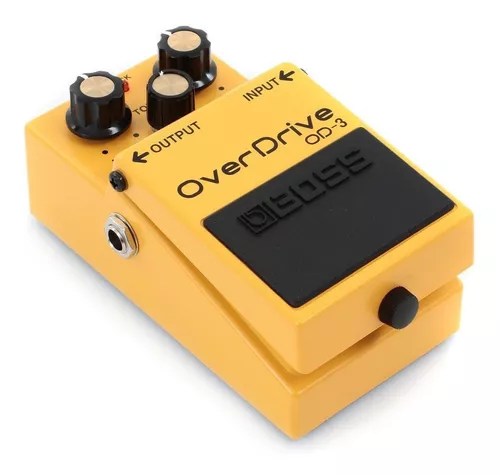
Hey there, my friends! Today, we’re diving into something that’s as essential to rock and blues guitarists as a good cup of coffee is to the morning routine—overdrive. If you’ve been around the guitar world for a while, you’ve probably heard the term thrown around a lot. But what exactly is guitar overdrive? Let’s break it down in a way that’s easy to understand, as if we’re just two friends chatting over a couple of beers.
The Basics: Overdrive vs. Distortion vs. Fuzz
Before we get into the nitty-gritty of overdrive, it’s important to clear up some common confusion. Overdrive, distortion, and fuzz are all terms that describe the way a guitar signal is altered, but they each have their own distinct characteristics.
- Overdrive: Think of overdrive as the sound of a tube amp being pushed to its limits. It’s warm, smooth, and dynamic, responding to your playing intensity. Overdrive adds a bit of grit and sustain to your tone, but it doesn’t completely change the character of your sound. It’s like giving your guitar a shot of espresso—just enough to wake things up without going over the top.
- Distortion: This is what happens when you push things a bit further. Distortion is more aggressive, with a thicker, more compressed sound. It’s the backbone of heavy metal and hard rock. Distortion completely transforms your tone, making it more saturated and less dynamic.
- Fuzz: If overdrive is a shot of espresso, fuzz is like adding a triple shot of who-knows-what into the mix. Fuzz creates a super-saturated, almost synth-like sound. It’s wild, woolly, and can be a bit unruly. Jimi Hendrix was famous for his fuzz-laden riffs, and it’s definitely not for the faint of heart.
Now that we’ve got that cleared up, let’s focus on the star of the show: overdrive.
The Birth of Overdrive: A Happy Accident
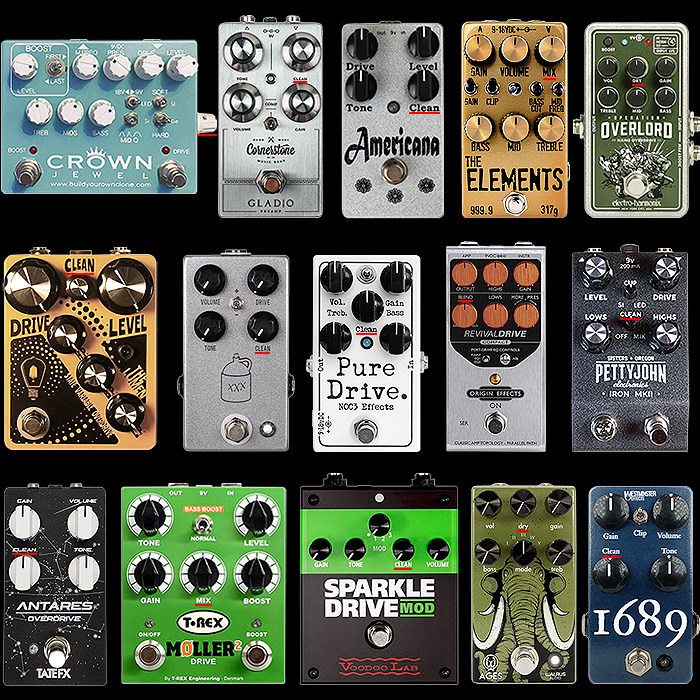
Overdrive wasn’t something that guitarists originally sought out. It was more of a happy accident that happened when guitarists pushed their tube amps too hard. Back in the day, amps were designed to stay clean and crisp, but as players cranked up the volume, the amps started to break up and produce a warm, gritty sound. This was the birth of overdrive.
Guitarists quickly realized that this “broken” sound was actually pretty cool. It added sustain, warmth, and a bit of growl to their tone—perfect for the blues and early rock ‘n’ roll. Soon enough, manufacturers started designing amps and pedals to replicate that overdriven sound at lower volumes, giving birth to the overdrive pedals we know and love today.
How Does Overdrive Work?
So, how exactly does overdrive work? Without getting too technical, overdrive occurs when the signal from your guitar is amplified to the point where it starts to clip. Clipping happens when the signal exceeds the amp or pedal’s maximum capacity, causing the waveform to “clip” off at the top and bottom. This clipping produces the warm, harmonically rich sound that we associate with overdrive.
In a tube amp, this clipping happens naturally as you turn up the volume. In an overdrive pedal, the effect is often achieved using diodes or transistors to clip the signal, mimicking the sound of an overdriven tube amp.
Why Guitarists Love Overdrive
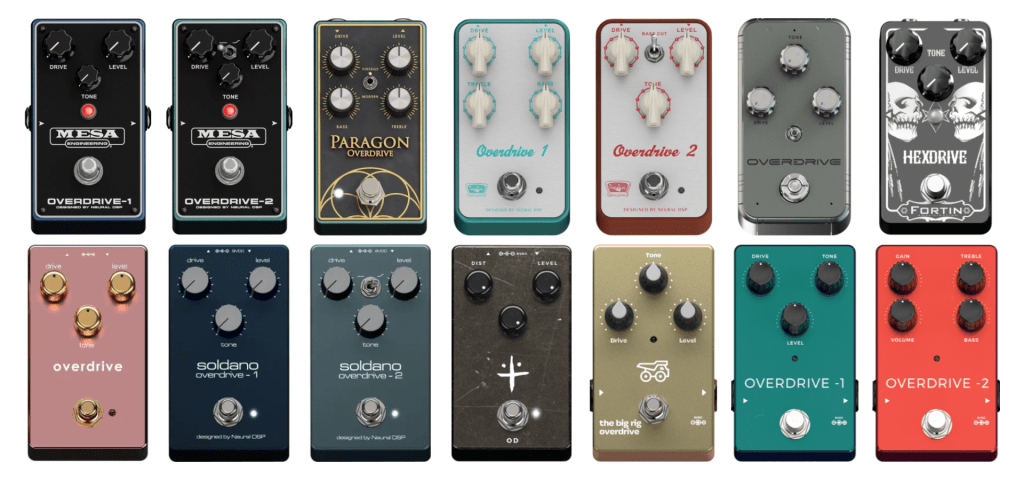
There’s a reason overdrive is a staple on so many pedalboards—it’s incredibly versatile. Here are a few reasons why guitarists love overdrive:
- Dynamic Response: Overdrive is all about dynamics. Play softly, and your tone stays clean with just a hint of grit. Dig in, and you get that full-on overdriven sound. This makes overdrive perfect for players who like to express themselves through their playing dynamics.
- Tone Shaping: Overdrive doesn’t just add grit; it also enhances your tone by boosting certain frequencies. It can make your guitar sound fuller and more present, cutting through the mix in a band setting.
- Sustain: One of the coolest things about overdrive is the way it adds sustain to your notes. This is especially useful for solos, where you want your notes to ring out longer without fading away too quickly.
- Stacking: Overdrive pedals are great for stacking with other pedals. You can combine multiple overdrive pedals to create your own unique sound, or stack overdrive with distortion or fuzz for even more tonal possibilities.
- Low to Medium Gain: Overdrive is often associated with low to medium gain settings, making it ideal for blues, rock, and country players. It gives you that classic, driven tone without going overboard.
Popular Overdrive Pedals
There are a ton of overdrive pedals out there, each with its own unique flavor. Here are a few classics that have stood the test of time:
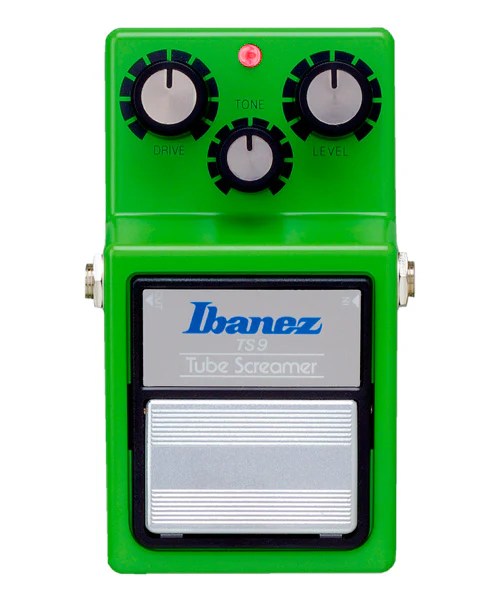
- Ibanez Tube Screamer: Probably the most famous overdrive pedal of all time, the Tube Screamer is known for its midrange hump and smooth, creamy overdrive. It’s been used by countless guitarists, from Stevie Ray Vaughan to John Mayer.
- Boss OD-3: The Boss OD-1 was one of the first overdrive pedals ever made, and it set the standard for many pedals that followed. Now the OD-3 is known for its transparent overdrive and dynamic response.
- Fulltone OCD: The Fulltone OCD is a favorite among players who want a more amp-like overdrive. It’s got plenty of gain on tap and a wide range of tones, from subtle breakup to full-on crunch.
- Klon Centaur: The Klon Centaur is a legendary overdrive pedal known for its transparent overdrive and magical boost capabilities. It’s insanely expensive and sought after, but there are plenty of affordable clones out there that get you close to that Klon sound.

Tips for Using Overdrive
Now that you know what overdrive is and why it’s awesome, let’s talk about how to use it effectively.
- Set Your Amp Right: Overdrive pedals sound best when your amp is set to a clean or slightly broken-up tone. If your amp is already heavily distorted, adding an overdrive pedal might not give you the best results.
- Dial in Your Gain: Start with the gain knob low and slowly increase it until you find the sweet spot. Remember, overdrive is all about dynamics, so you don’t want to crank the gain too high unless you’re going for a specific sound.
- Use the Tone Knob: Don’t forget about the tone knob on your overdrive pedal. It can help you shape your sound, making it brighter or darker depending on what you need.
- Experiment with Stacking: Try stacking your overdrive pedal with other pedals. You might discover some killer tones by combining overdrive with distortion, fuzz, or even another overdrive pedal.
- Play with Your Guitar’s Volume Knob: One of the coolest things about overdrive is how it reacts to your guitar’s volume knob. Roll back the volume for a cleaner sound, and crank it up for more overdrive. This gives you a ton of tonal flexibility without having to touch your pedal.
Overdrive in Action: Iconic Overdrive Tones
Let’s take a look at a few iconic overdrive tones that have shaped the sound of modern music:
- Stevie Ray Vaughan: SRV’s tone is the stuff of legend. He used a Tube Screamer to push his Fender amps into glorious overdrive, creating that thick, bluesy tone we all know and love.
- Eric Clapton: In his “woman tone” era, Clapton used overdrive to create a smooth, singing lead tone that’s still revered by guitarists today. His use of a cranked Marshall amp combined with a Gibson guitar is a perfect example of how overdrive can shape a signature sound.
- Gary Moore: Known for his searing solos, Gary Moore used overdrive to add sustain and power to his playing. His tone on tracks like “Still Got the Blues” is a masterclass in using overdrive to convey emotion.
- John Mayer: Mayer’s tone is a modern classic, blending clean and overdriven sounds seamlessly. He often uses a Tube Screamer to add just a touch of grit to his clean tone, giving it warmth and character.
Conclusion: The Magic of Overdrive
So, there you have it—overdrive in a nutshell. It’s more than just a pedal; it’s a tool that can help you shape your tone, express your playing, and create iconic sounds that stand the test of time. Whether you’re playing blues, rock, or anything in between, overdrive is a must-have in your tonal toolkit.
Remember, the key to getting the most out of overdrive is experimentation. Try different pedals, settings, and combinations until you find the sound that speaks to you. And most importantly, have fun with it! After all, overdrive is all about adding that extra bit of magic to your playing. So, go ahead—crank it up, let your guitar sing, and enjoy the ride.
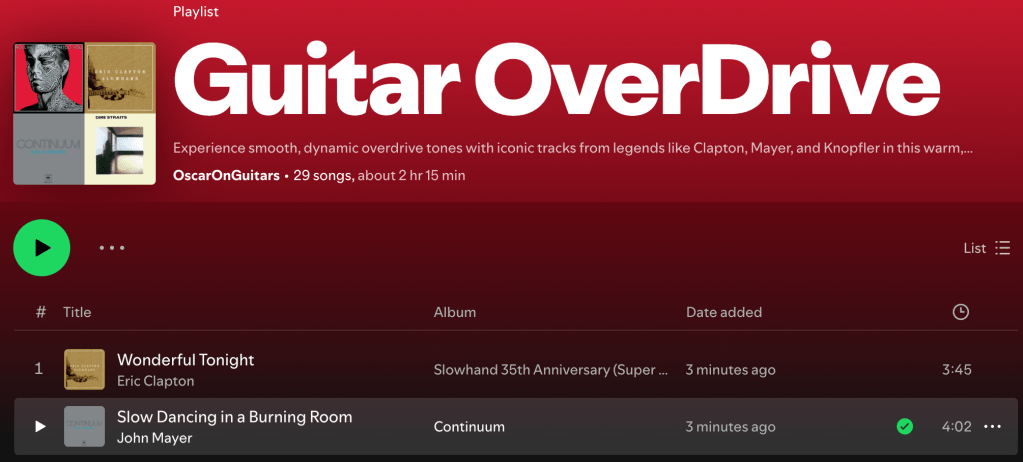
Experience smooth, dynamic overdrive tones with iconic tracks from legends like Clapton, Mayer, and Knopfler in my warm, expressive guitar-driven “Guitar OverDrive” playlist on Spotify.
 oscaronguitars.com
Leave a comment