
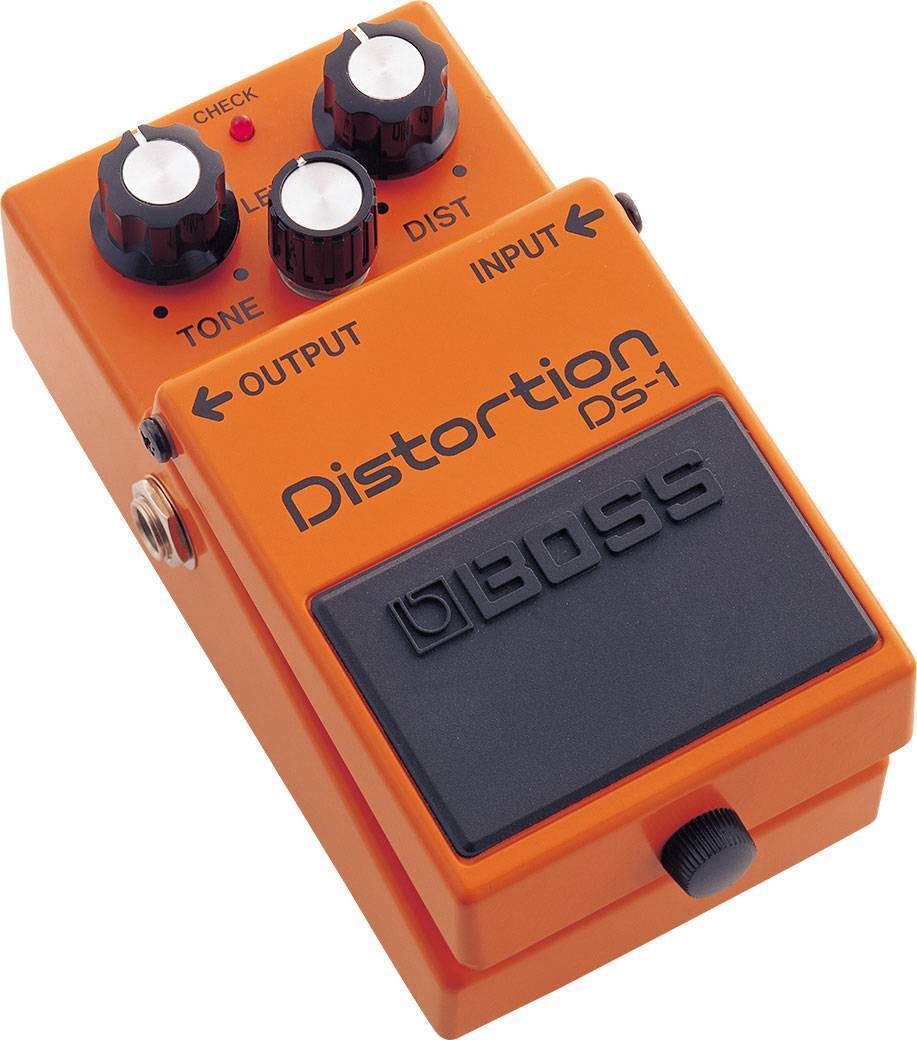
Alright, fellow guitar aficionados, let’s sit down and chat about something that’s as iconic as the electric guitar itself—distortion. If you’ve ever cranked up your amp and heard that raw, gritty sound that made you feel like a rock god, you’ve experienced distortion. But what exactly is guitar distortion? And how does it differ from overdrive or fuzz? Grab your favorite guitar, and let’s dive into the world of distortion, breaking it down in the simplest terms, just like two friends hanging out and talking gear.
Distortion 101: What Is It?
Distortion is, in many ways, the heart and soul of rock ‘n’ roll. It’s that aggressive, crunchy sound that gives power chords their punch and solos their searing edge. At its core, distortion is all about pushing your guitar’s signal to the point where it clips—and clips hard. When you push your signal beyond what your amp or pedal can handle, the waveform starts to distort, creating that thick, compressed, and harmonically rich sound that we all associate with rock, metal, and even some blues.
Now, distortion isn’t just one sound; it’s a spectrum. From a mild crunch that adds some bite to your tone to a full-on wall of sound that defines heavy metal, distortion can take on many forms. And that’s part of its magic—it’s incredibly versatile, allowing you to shape your tone in countless ways.
Distortion vs. Overdrive vs. Fuzz: What’s the Difference?
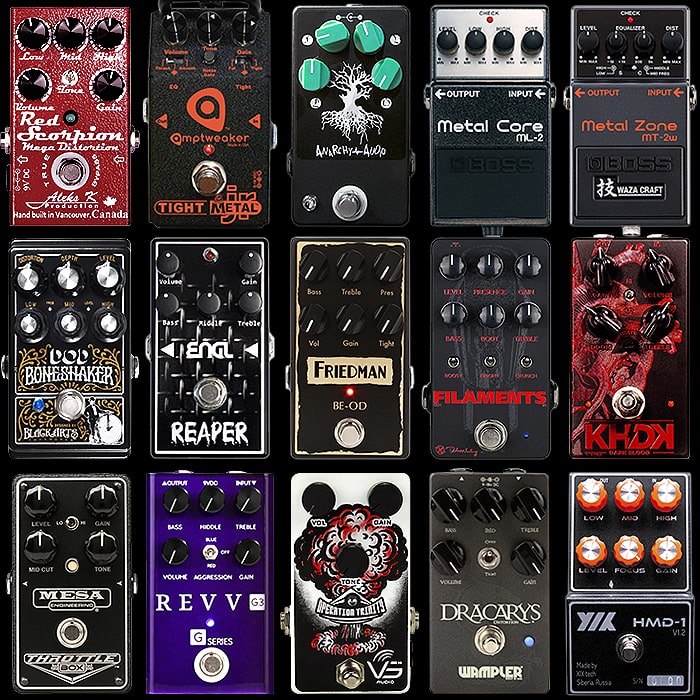
Before we go any further, let’s clear up some confusion. Distortion, overdrive, and fuzz are often lumped together, but they’re not the same thing.
- Overdrive: As we talked about before, overdrive is like pushing your tube amp just to the edge, where it starts to break up but still retains some of its original character. It’s warm, dynamic, and responds to your playing intensity.
- Distortion: Distortion takes things a step further. It’s more aggressive and compresses your signal more heavily, creating a sound that’s more saturated and less dependent on your playing dynamics. Distortion transforms your tone, making it thicker and more powerful.
- Fuzz: Fuzz is the wild child of the bunch. It obliterates your signal, creating a super-saturated, almost synth-like sound. Fuzz is raw, chaotic, and can be a bit unpredictable, but in the right hands, it’s pure sonic gold.
Think of it like this: overdrive is a warm hug, distortion is a firm handshake, and fuzz is a punch to the face. Each has its place, but today we’re focusing on that firm handshake—distortion.
A Brief History of Distortion: From Accident to Icon
Believe it or not, distortion wasn’t always a desired effect. Back in the early days of electric guitars, distortion was seen as a flaw—something to be avoided. Guitar amps were designed to stay clean, but as guitarists started to push their amps harder, they discovered that distortion added a new dimension to their sound. The gritty, overdriven tones that resulted from cranking up the volume became a hallmark of early rock ‘n’ roll.
One of the earliest examples of intentional distortion came from a happy accident. In 1951, Ike Turner’s guitarist, Willie Kizart, used an amp that had a damaged speaker cone, resulting in a distorted, fuzzy sound on the track “Rocket 88.” This was one of the first recorded examples of guitar distortion, and it opened the door for countless guitarists to embrace distortion as a creative tool rather than a flaw.
As rock music evolved, so did distortion. Guitarists began experimenting with different ways to achieve that overdriven sound, from modifying amps to using early distortion pedals like the Maestro FZ-1 Fuzz-Tone, which became famous thanks to the Rolling Stones’ “(I Can’t Get No) Satisfaction.” The rest, as they say, is history.

How Does Distortion Work?
Alright, time to get a little technical—just a little. Distortion happens when the signal from your guitar is amplified to the point where it exceeds the capabilities of your amp or pedal. This causes the signal to clip, which means that the peaks and valleys of the sound wave are chopped off, resulting in a compressed, square wave.
This clipping creates the harmonically rich, gritty sound that we love. The more you push the signal, the more intense the distortion becomes. In a tube amp, this clipping happens naturally as you turn up the volume. In a distortion pedal, the effect is often achieved using diodes or transistors that intentionally clip the signal to create that signature sound.
Why Guitarists Love Distortion
There’s a reason distortion is a staple in so many genres—it’s powerful, versatile, and just plain fun to play with. Here’s why guitarists can’t get enough of distortion:
- Power and Presence: Distortion gives your guitar tone an immediate sense of power. It makes your chords sound huge and your solos cut through the mix like a knife. If you want to be heard, distortion is your best friend.
- Sustain: Distortion naturally adds sustain to your notes, allowing them to ring out longer. This is especially important for solos, where you want your notes to sing out and hold their place in the mix.
- Versatility: From classic rock crunch to modern metal mayhem, distortion can cover a lot of ground. It’s not limited to one style or genre, which makes it an essential tool for any guitarist.
- Tone Shaping: Distortion doesn’t just add grit; it also shapes your tone by boosting certain frequencies and compressing the signal. This allows you to dial in everything from a tight, focused sound to a loose, raunchy tone.
- Expressiveness: While distortion compresses your signal, it doesn’t completely eliminate dynamics. You can still express yourself through your playing, whether you’re strumming hard or picking lightly. It’s all about finding the right balance.
Classic Distortion Pedals
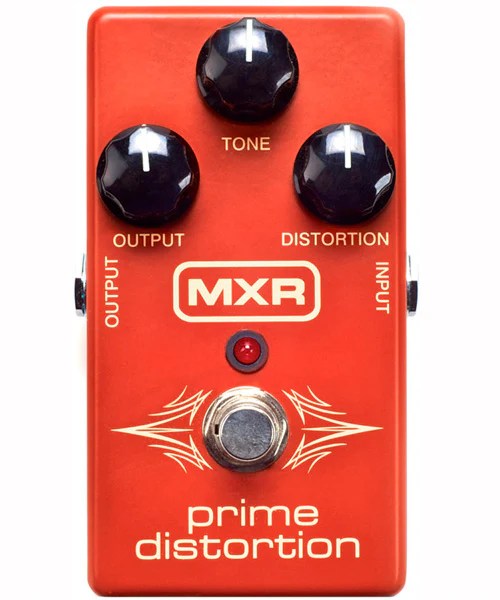
There are tons of distortion pedals out there, each with its own unique character. Here are a few legendary ones that have defined the sound of distortion over the years:
- Boss DS-1: The Boss DS-1 is one of the most iconic distortion pedals ever made. Known for its bright, cutting tone, it’s been used by everyone from Kurt Cobain to Joe Satriani. It’s simple, affordable, and delivers classic distortion that works in just about any setting.
- ProCo Rat: The Rat is a beast of a pedal, capable of delivering everything from mild overdrive to full-on distortion and even into fuzz territory. It’s a favorite among punk and metal guitarists for its raw, aggressive tone.
- MXR Distortion+: This little yellow box has been a staple on pedalboards since the 1970s. The MXR Distortion+ is known for its smooth, creamy distortion that’s perfect for classic rock and blues. Randy Rhoads famously used it to craft his legendary tone.
- Electro-Harmonix Big Muff Pi: While technically a fuzz pedal, the Big Muff is often used as a distortion pedal thanks to its massive, saturated sound. It’s been a key part of the tones of legends like David Gilmour and Billy Corgan.
- Marshall Guv’nor: The Guv’nor is like having a Marshall amp in a box. It’s known for its thick, British-style distortion that’s perfect for classic rock and hard rock tones. If you’re chasing that Marshall crunch, this pedal is a great option.
Tips for Using Distortion
Getting the most out of your distortion pedal isn’t just about cranking the gain to 11. Here are some tips to help you dial in the perfect distorted tone:
- Start with Your Amp: Your amp plays a huge role in how your distortion sounds. Make sure your amp is set up for a clean or slightly broken-up tone before adding distortion. If your amp is already heavily distorted, adding more distortion might just turn your tone into mush.
- Gain Staging: Don’t feel like you have to max out the gain on your distortion pedal. Start low and gradually increase the gain until you find the sweet spot. Remember, less can sometimes be more when it comes to distortion.
- EQ is Your Friend: Use the tone knobs on your pedal and amp to shape your sound. If your distortion sounds too harsh, roll off some high-end. If it’s too muddy, try cutting some bass or boosting the mids.
- Experiment with Different Pedals: Not all distortion pedals are created equal. Some might work better with your setup than others. Don’t be afraid to try different pedals to see which one gives you the tone you’re after.
- Stacking Pedals: Just like with overdrive, you can stack distortion pedals for unique results. Try combining a low-gain overdrive with a distortion pedal for a fuller, more complex tone.
- Volume and Dynamics: Your guitar’s volume knob can have a big impact on your distorted tone. Roll back the volume for a cleaner, more controlled sound, or crank it up for more saturation and bite.
Iconic Distortion Tones
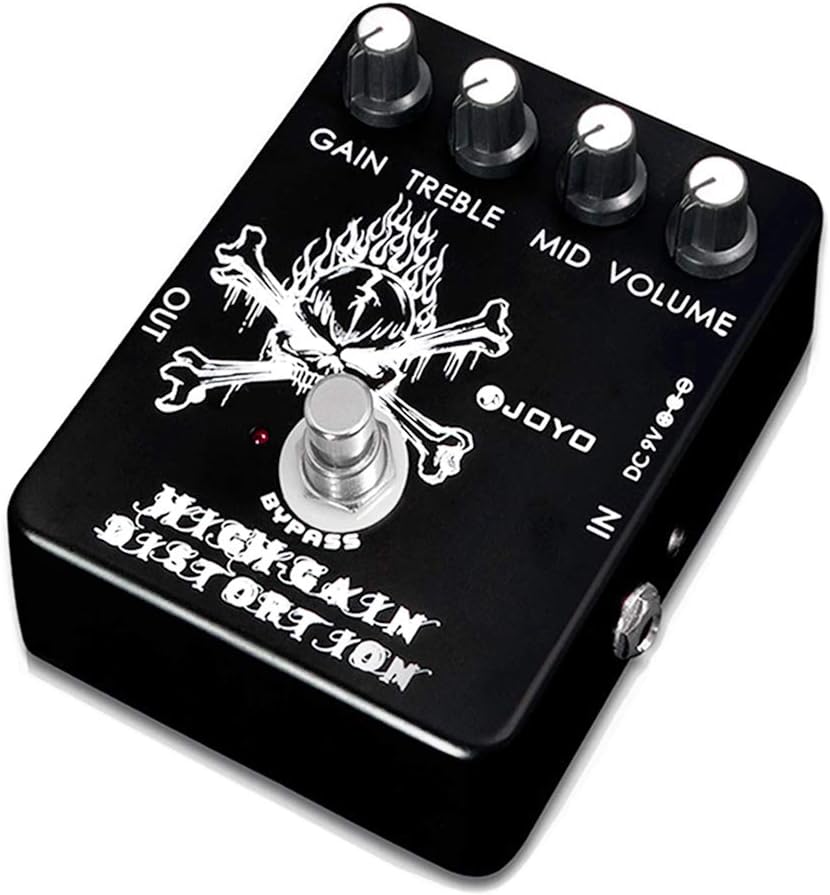
Let’s talk about some legendary guitarists who’ve used distortion to craft their signature sounds:
- Kurt Cobain: Nirvana’s frontman is synonymous with the Boss DS-1, using it to create the gritty, grunge sound that defined the early ‘90s. Tracks like “Smells Like Teen Spirit” are a masterclass in using distortion to create anthemic riffs.
- Tony Iommi: The godfather of heavy metal, Tony Iommi of Black Sabbath, used distortion to create some of the most iconic riffs in rock history. His thick, doomy tone is the blueprint for countless metal bands that followed.
- Angus Young: AC/DC’s lead guitarist is known for his powerful, overdriven tone. While he mostly relies on his cranked Marshall amps, distortion plays a key role in giving his solos that extra bit of punch and sustain.
- Randy Rhoads: Ozzy Osbourne’s legendary guitarist used the MXR Distortion+ to craft his iconic sound. Songs like “Crazy Train” showcase how distortion can be used to create soaring, melodic solos that stand the test of time.
- Billy Corgan: The Smashing Pumpkins’ frontman is a master of using distortion to create massive, layered guitar tones. The Electro-Harmonix Big Muff Pi is a key part of his sound, adding thickness and sustain to his riffs.
Conclusion: Embrace the Chaos
So, what exactly is guitar distortion? It’s more than just an effect—it’s a way to transform your guitar tone, add power to your playing, and create the sounds that have defined entire genres of music. From the early days of rock ‘n’ roll to the modern metal scene, distortion has been there, helping guitarists push the boundaries of what’s possible with an electric guitar.
The beauty of distortion is in its versatility. Whether you’re looking for a subtle crunch or full-on sonic mayhem, there’s a distortion pedal out there that can help you achieve the sound in your head. The key is to experiment, play around with different settings, and find what works best for your style.
Remember, distortion is all about embracing the chaos. It’s not supposed to be pretty or perfect—it’s raw, powerful, and sometimes a little unpredictable. And that’s what makes it so much fun to play with. So, plug in, turn up, and let your guitar roar. After all, that’s what distortion is all about.
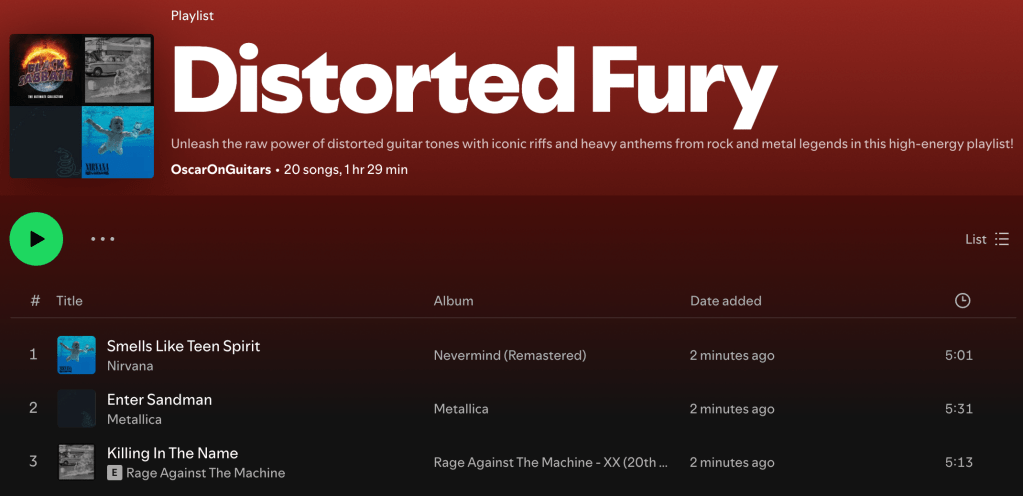
Unleash the raw power of distorted guitar tones with iconic riffs and heavy anthems from rock and metal legends in my high-energy “Distorted Fury” playlist on Spotify!
 oscaronguitars.com
Leave a comment