
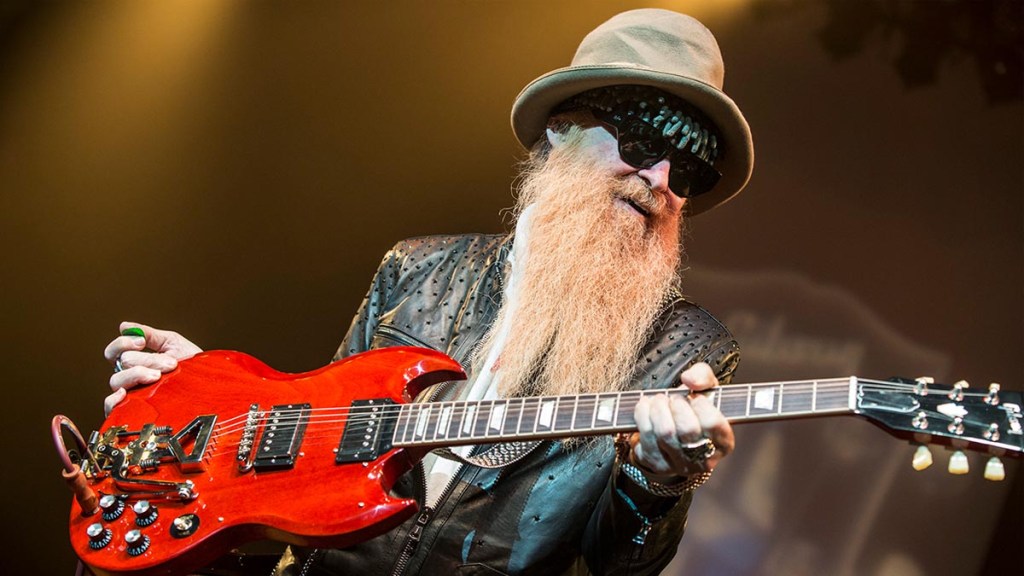
It’s amazing how just three guys can create such a huge impact. Bands like Stevie Ray Vaughan & Double Trouble or The Stray Cats come to mind. But in the end, it’s hard to imagine a guitar-driven trio that makes more noise, brings more energy, and delivers more excitement than the long-bearded, hot-rod-loving, Les Paul-and-Marshall-fueled ZZ Top. Today, let’s dive into one of the most authentic, raw, and electrifying Texas blues bands.
Early Strumming: From Moving Sidewalks to ZZ Top
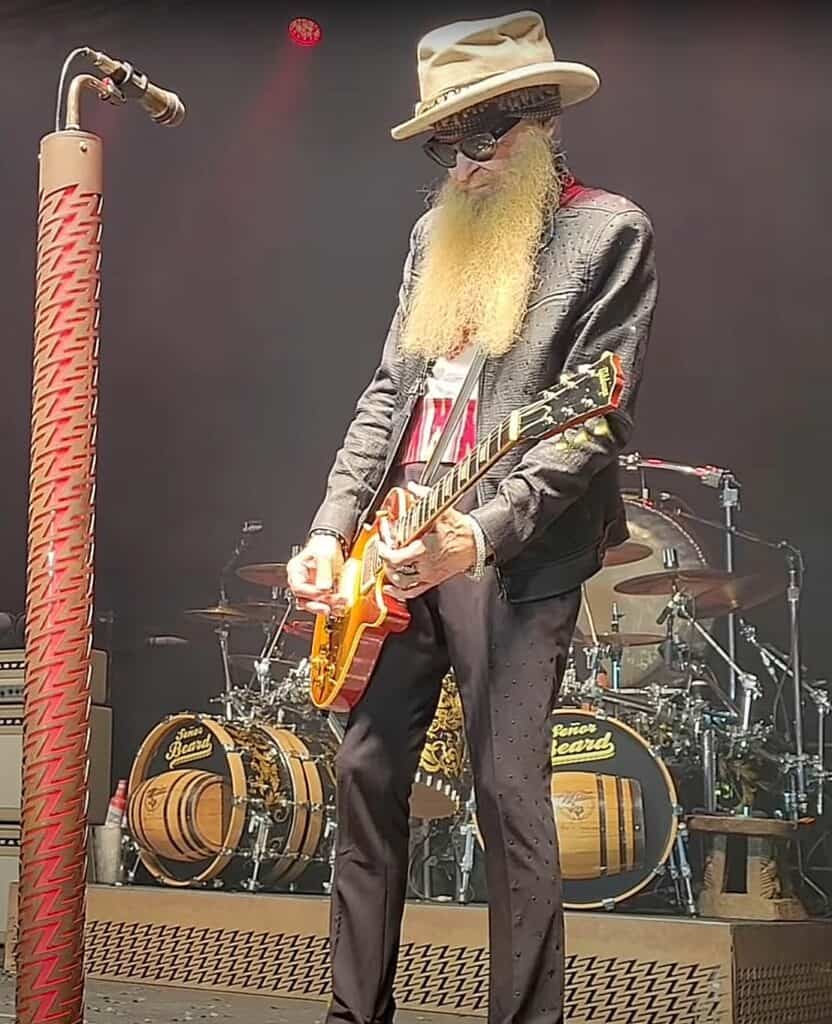
Billy Gibbons, born on December 16, 1949, in Houston, Texas, is not only a blues rock icon but also a symbol of enduring cool, thanks to his unmistakable beard and signature sound. Before ZZ Top, Gibbons cut his teeth in the psychedelic rock scene with the Moving Sidewalks, a band that opened for Jimi Hendrix and gave him his first taste of fame. But it was in 1969, with the formation of ZZ Top, that Gibbons truly found his groove. Blending raw blues with rock swagger and Southern charm, Gibbons and ZZ Top crafted a gritty, electrifying sound that became the blueprint for Texas blues rock. With his trusty Les Paul, “Pearly Gates,” and a Marshall amp stack, Gibbons laid down the foundation for what would become a powerhouse trio, combining masterful guitar riffs, heavy grooves, and unmistakable attitude that continues to resonate across generations.
The Importance of Being ZZ Top
The story behind the name ZZ Top stems from Billy Gibbons’ fascination with the initials of famous blues musicians. In the late 1960s, Gibbons noticed that many of his musical heroes, like B.B. King and Z.Z. Hill, used initials in their names. He originally toyed with the idea of naming the band Z.Z. King as a tribute to both artists but felt it was too similar to B.B. King. Instead, Gibbons thought of the phrase “king goes to the top,” which inspired him to settle on the name ZZ Top—a simple yet powerful name that reflects the band’s ambition to rise to the top of the blues rock world.
ZZ Top: A Legacy of Blues Rock
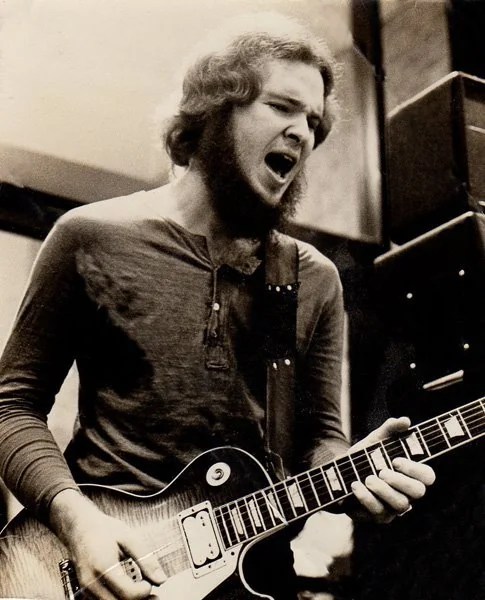
With ZZ Top, Billy Gibbons reshaped blues rock, infusing it with a unique blend of raw energy, Texas swagger, and sharp, punchy guitar riffs. His signature sound—a gritty mix of bluesy licks, distorted tones, and a heavy dose of groove—became the cornerstone of the band’s identity. ZZ Top’s breakthrough came with Tres Hombres (1973), an album that put them on the map with the now-iconic track “La Grange,” a tribute to a legendary Texas brothel. Gibbons’ guitar work on “La Grange” was raw and infectious, marking the band as a force in the evolving blues rock landscape.

However, the band’s real leap to international stardom came with the 1983 release of Eliminator, a perfect fusion of blues rock, new wave, and a touch of synthesizers that still felt authentically ZZ Top. Eliminator produced enduring hits like “Sharp Dressed Man,” “Gimme All Your Lovin’,” and “Legs,” tracks that not only solidified their place in rock history but showcased Gibbons’ ability to innovate. His guitar tone—thick, fuzzy, and dripping with attitude—became instantly recognizable, as did the trio’s affinity for music videos that featured fast cars, cool sunglasses, and their trademark beards.
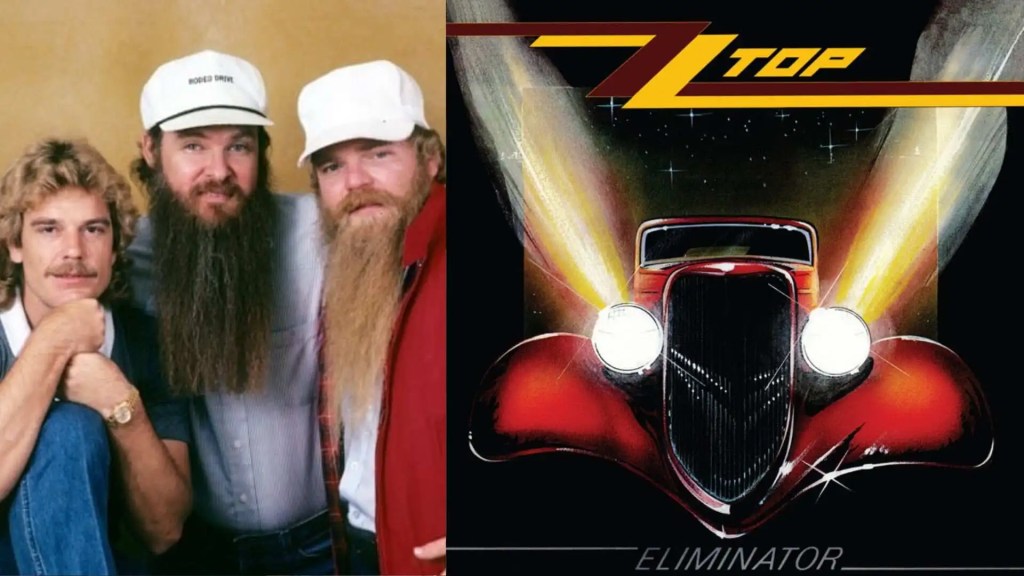
What made Gibbons and ZZ Top stand out was their ability to evolve without losing the soul of their sound. While many blues rock bands stuck to traditional formats, ZZ Top embraced technology, layering synthesizers and modern production techniques on albums like Eliminator without sacrificing the raw grit of Gibbons’ guitar. At the core of it all was Gibbons’ sharp playing—unpretentious, direct, and always grounded in the blues, whether on a roaring riff or a more laid-back groove. This fusion of blues authenticity with rock innovation redefined the genre, giving ZZ Top a lasting place as one of the most influential power trios in rock history.

From the smoky juke joints of Texas to the arenas of the world, Billy Gibbons helped steer ZZ Top into becoming a symbol of American rock ’n’ roll, always pushing boundaries but never straying far from the blues roots that defined their sound. Today, songs like “Sharp Dressed Man” and “La Grange” are not just hits but anthems that encapsulate decades of blues rock evolution, with Gibbons’ guitar work leading the charge.
Iconic Tracks and Musical Mastery
Billy Gibbons is known for several signature songs that have left a permanent mark on rock music:
- “La Grange” – Known for its catchy riff and Gibbons’ gritty guitar tone, this song is a staple of classic rock.
- “Sharp Dressed Man” – Combines rock with new wave synths, proving Gibbons’ ability to evolve with musical trends.
- “Tush” – A straightforward, hard-driving blues rock number that features Gibbons’ raw vocal style and masterful riffing.
- “Cheap Sunglasses” – A song that exemplifies Gibbons’ cool, laid-back style and his knack for blending blues scale improvisations with rock rhythms.
Gear and Style: The Tools of a Texas Tactician
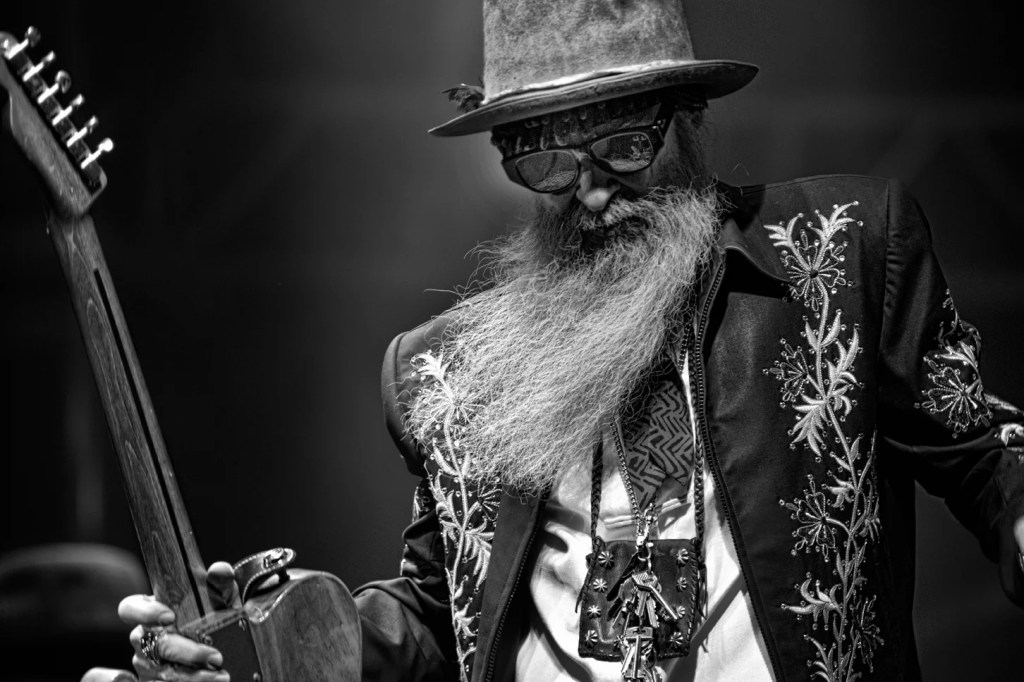
Billy Gibbons is most famously linked to his iconic 1959 Gibson Les Paul, affectionately named “Pearly Gates,” which has become synonymous with his gritty, blues-driven sound. However, Gibbons’ arsenal extends well beyond this legendary instrument. Over the years, he’s also played a variety of Fender models, including the Stratocaster and Telecaster, showcasing his versatility as a guitarist. Each guitar adds a different texture to his playing, but it’s his unique tone that truly stands out—one that blends raw power with remarkable finesse.
Gibbons’ tone is the stuff of legend, achieved through a combination of carefully chosen gear and his nuanced technique. He favors vintage amplifiers, particularly Marshall Super Leads and Fender Bassmans, which help deliver his signature mix of thick, overdriven blues and crunchy rock. His minimalist approach to effects enhances his raw sound rather than masking it. Often, Gibbons opts for little more than a touch of overdrive or fuzz to push his amps harder, resulting in the warm, saturated tone he’s known for. Occasionally, he uses effects like an MXR Phase 90 or a Maestro Echoplex, but these are used sparingly, reinforcing his belief in keeping the signal chain simple.
What sets Gibbons apart is his playing technique, which balances precision with feel. He’s famous for his use of pinch harmonics—those squealing, harmonic-rich notes that leap out of his solos and riffs, giving his playing a vocal-like quality. Gibbons also employs a surprisingly light touch on the fretboard, often using extremely light-gauge strings (as thin as .007 on the high E) to effortlessly bend notes and glide through solos with fluidity. This delicate touch, combined with his rhythmic sense and mastery of dynamics, has made his style instantly recognizable and widely imitated.
Gibbons’ ability to craft searing, memorable riffs with seemingly minimal effort has made him one of the most revered guitarists in rock history. From the scorching leads of “La Grange” to the tight, rhythmic groove of “Sharp Dressed Man,” Gibbons’ playing is the epitome of less-is-more. His minimalist approach, whether in gear or technique, speaks to his deep understanding of the blues: it’s not about how many notes you play, but about making each note count. This ethos has inspired countless guitarists, many of whom have spent years trying to capture even a sliver of Gibbons’ magic.
Beyond the Music: Collaborations and Ventures
Billy Gibbons’ influence stretches far beyond the confines of ZZ Top. Over the years, he has collaborated with a wide range of artists across multiple genres, reflecting his versatility and broad appeal as a musician. From working with rock legends like Jeff Beck and Jimmy Page to contributing to albums by country stars like Willie Nelson and even hip-hop artists like Kid Rock, Gibbons has proven that his bluesy swagger can fit seamlessly into nearly any musical setting. He has also been a guest on tracks by Queens of the Stone Age, Foo Fighters, and many more, further cementing his status as a cross-genre collaborator.
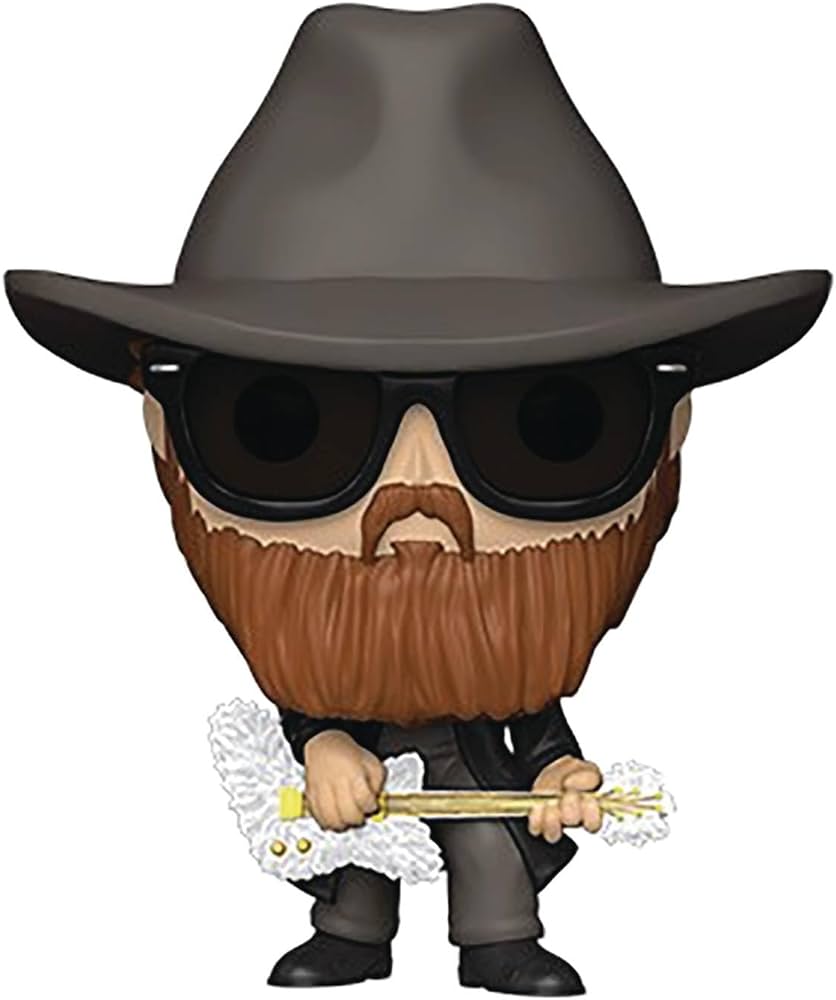
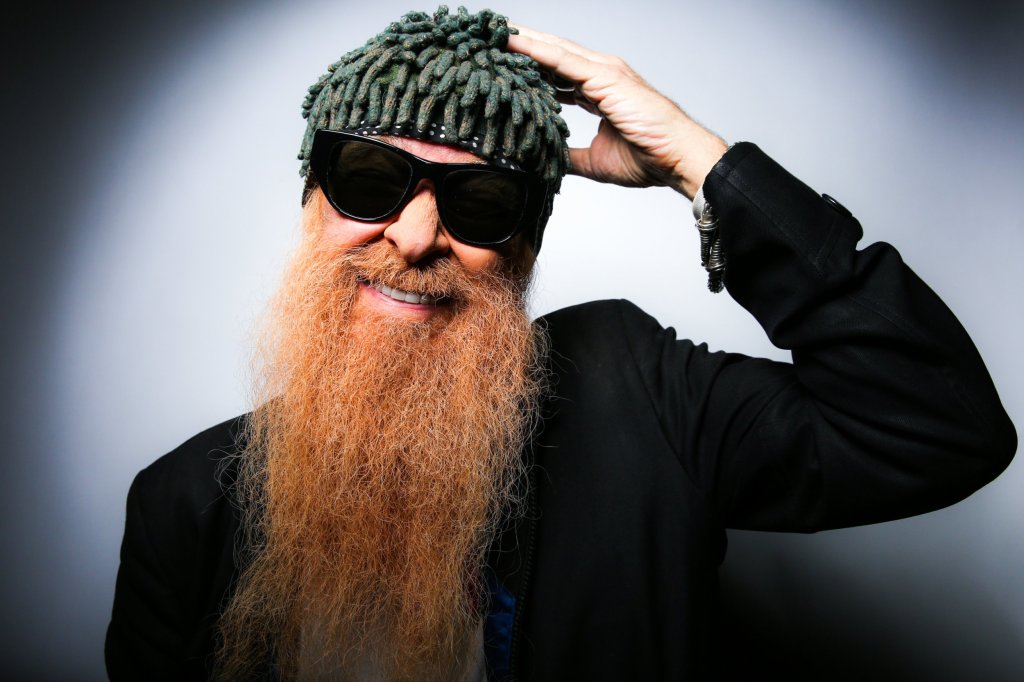
Beyond his musical contributions, Gibbons has become a cultural icon in his own right. His signature look—the long beard, sunglasses, and sharp sense of style—has made him instantly recognizable, even to those who might not be deeply familiar with ZZ Top’s music. Gibbons has made numerous appearances on television, including guest spots on popular shows like Bones, King of the Hill, and Two and a Half Men, where his distinctive personality and cool demeanor have made him a fan favorite. He’s even voiced animated characters and appeared as himself, often leaning into his laid-back Texas charm.
Gibbons’ music has also found its way into movie soundtracks, from cult classics like From Dusk Till Dawn to major blockbusters like Back to the Future Part III. His contributions to film and television, often in the form of blistering guitar tracks, have helped introduce his sound to entirely new audiences.
As a cultural icon, Gibbons transcends the role of musician—he’s become a symbol of cool. His blend of blues authenticity, rock ’n’ roll attitude, and Southern roots has made him an enduring figure in popular culture. Whether he’s performing on stage, collaborating with other artists, or making cameos on screen, Billy Gibbons’ influence continues to resonate, keeping him at the forefront of music and culture for over five decades. His persona is as legendary as his guitar playing, and his contributions to both the music world and popular culture are vast, ensuring his legacy as one of rock’s most enduring figures.
Legacy and Influence
Billy Gibbons will be remembered not only for his unmistakable music but also for his profound impact on the guitar world. His innovative approach to the blues scale, blended with Texas rock’s grit and swagger, has carved out a distinct niche that continues to inspire generations of guitarists. Gibbons’ mastery of blending traditional blues with rock elements—often incorporating boogie rhythms, slide techniques, and his signature pinch harmonics—has breathed new life into the blues genre, helping to keep it relevant in modern music. His use of open tuning, minimalist effects, and intricate phrasing has influenced countless musicians, proving that the blues can evolve without losing its roots.
By staying true to his roots while continually exploring new sonic territories, Billy Gibbons has ensured that his influence will be felt long after the final note is played. His contributions to the guitar world have solidified his legacy as not only a blues torchbearer but also a pioneer who helped evolve the genre into the rock powerhouse it is today.
Conclusion: The Reverend of Rock
Billy Gibbons’ legacy is not just one of remarkable musicianship, but of redefining the boundaries of blues rock. His gritty, punchy guitar riffs, coupled with an innovative yet grounded approach, have made him an icon for both his sound and style. From Tres Hombres to Eliminator, Gibbons and ZZ Top pushed the genre forward, blending Texas blues with rock, synths, and modern production, without ever losing the raw authenticity that defined their music.
Gibbons’ influence reaches far beyond his work with ZZ Top. As a cultural figure, his collaborations, television appearances, and contributions to film soundtracks have solidified his status as a multi-genre icon. His persona—complete with signature beard, sunglasses, and Texas swagger—has become as legendary as his guitar playing.
Above all, Billy Gibbons will be remembered for his lasting impact on the guitar world. His ability to breathe new life into the blues while maintaining its core elements has inspired generations of guitarists. Whether through his minimalist approach to effects, his use of pinch harmonics, or his exploration of open tunings, Gibbons proved that the blues could evolve and stay relevant. His contribution to music is immense, ensuring that his influence will endure for decades to come.
Bonus Track: 10 Gibbons Grits
- Hot Rod Enthusiast: Gibbons is well-known for his love of custom cars and hot rods.
- Beard Icon: Along with his bandmates, Gibbons’ long beard has become iconic, making him instantly recognizable.
- Culinary Explorer: He enjoys exploring and cooking regional Texas cuisine.
- Art Collector: Gibbons collects art and often speaks about the influence of visual aesthetics on his music.
- Book Author: He has authored a book detailing his life, music, and personal style.
- Film Appearances: Gibbons has made cameo appearances in several films and TV shows.
- Music Mentor: He often takes time to mentor younger musicians and guitarists.
- Sound Innovator: Continuously experiments with guitar setups to refine his sound.
- Charity Work: Active in various charity events, especially those benefiting musicians’ health.
- Texas Legend: Gibbons is proudly Texan, often incorporating Texas history and culture into his music and public appearances.
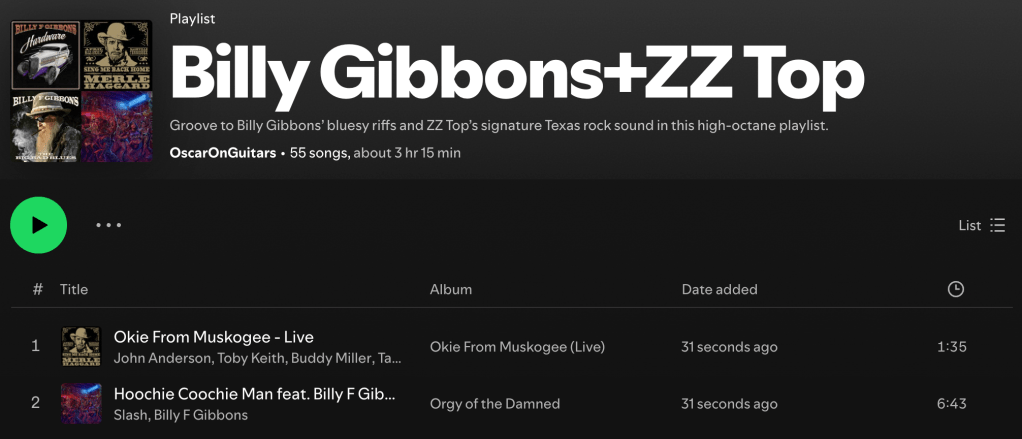
Listen to my “Billy Gibbons+ZZ Top” playlist on Spotify.
 oscaronguitars.com
Leave a comment