
Introduction
Hey, as a guitarist, getting into flamenco isn’t just about nailing the techniques—it’s also about learning how to really listen. Flamenco is this deep, emotional, and rhythmic art form that, when you truly get it, can totally change how you approach the guitar. I know it’s not the easiest thing to dive into, which is why I previously wrote about Nouveau Flamenco as a more approachable entry point. But now, it’s time to go a little deeper. So, I’ve put together a guide that starts you off with modern flamenco, then gradually takes you back to the classic maestros who laid down the roots of this incredible tradition. Trust me, it’ll be worth the journey.
1. Start with Modern Flamenco
When you’re new to flamenco, diving into the modern sound is a great way to ease into the genre. Start with guitarists like Vicente Amigo and Gerardo Núñez. These contemporary artists have found a way to blend the rich tradition of flamenco with modern influences, making their music more accessible to new listeners while still showcasing the complexity and emotional depth of the genre.
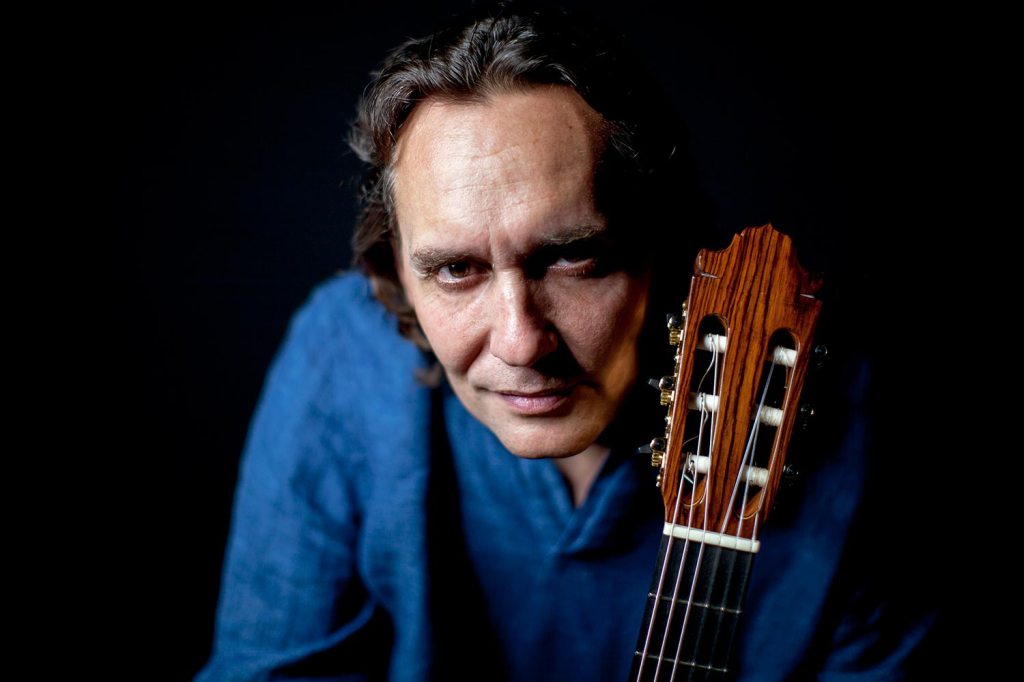
- Vicente Amigo: Known for his lyrical, melodic approach, Amigo’s music is a perfect entry point for those new to flamenco. Albums like Tierra and Ciudad de las Ideas mix traditional flamenco rhythms with modern harmonies and even touches of other genres like jazz.
- Gerardo Núñez: Núñez brings a bold, experimental style to flamenco. His albums, such as Travesía and Andando el Tiempo, are filled with intricate rhythms and innovative harmonies that push the boundaries of traditional flamenco guitar.
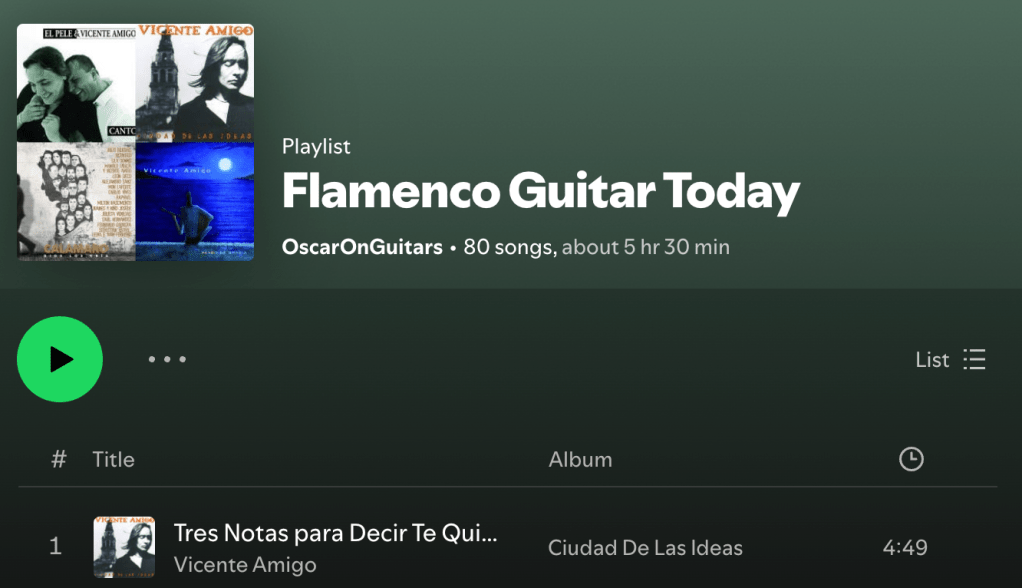
The best way to explore the complexities of Flamenco is to start with contemporary sounds that might feel more familiar and then work your way back in time. I’ve put together a Spotify playlist called Flamenco Guitar Today to help you appreciate and understand Flamenco beyond the more mainstream Nouveau Flamenco that took off in the 90s (which, by the way, I wrote about in this post—link here). While Nouveau Flamenco gained popularity, it’s not exactly the pure Flamenco we’re diving into here.
2. Explore the Rhythm and Emotion
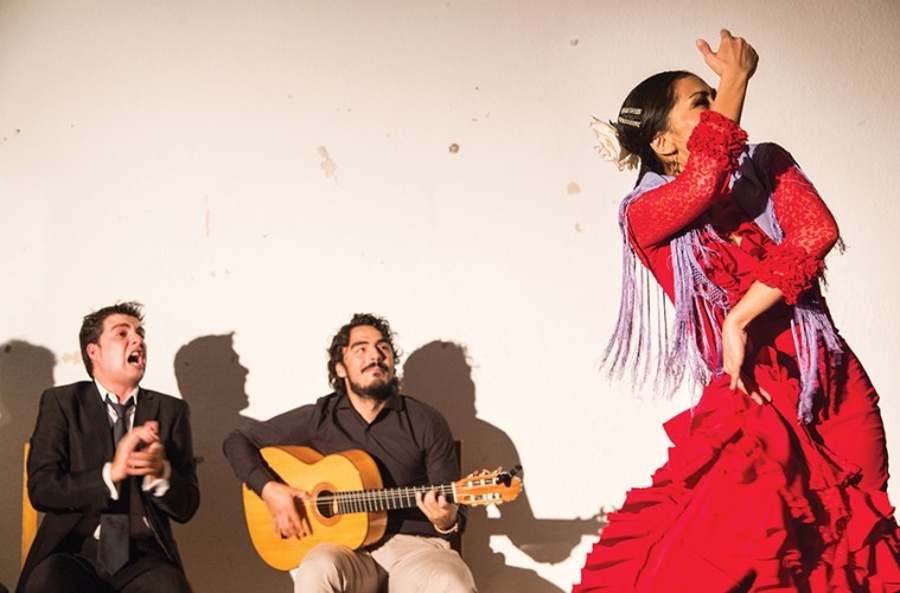
One of the key elements of flamenco is the interplay between the guitar, the cante (singing), and the baile (dancing). As you listen to modern flamenco, focus on how the guitar interacts with the other elements. This dialogue between the different parts of flamenco is what makes the music so dynamic and alive. The guitar often echoes the singer’s phrases or punctuates the dancer’s movements, creating a conversation within the music that is both emotional and rhythmic.
3. Dive Into the ‘Palos’
Flamenco is built around various forms or styles known as ‘palos,’ each with its own rhythm, mood, and structure. As you listen to modern flamenco, start identifying these different ‘palos’:
- Soleá: Deep and soulful, with a slower tempo that conveys introspection and melancholy.
- Bulería: Fast and lively, often used in celebratory contexts, full of energy and excitement.
- Alegrías: Joyful and bright, with a festive feel that lifts the spirit.
Understanding these ‘palos’ will help you appreciate how the guitar adapts to different moods and rhythms, and how each style serves a different emotional purpose in flamenco.
I don’t want to overwhelm you, but flamenco boasts an incredible array of palos. Beyond the well-known Soleá, Alegrías, and Bulerías, there are also Tangos, Fandango, Fandangos de Huelva, Seguiriyas, Siguiriya, Soleá por Bulerías, Rumba Flamenca, Tarantos, Guajiras, Malagueñas, Tientos, Zambra, Zorongo, Zapateado, Peteneras, Farruca, Sevillanas, Saetas, Tanguillos, Cantiñas, Polo, Caña, Verdiales, Granaína, Media Granaína, Cartageneras, Mineras, Taranta, Liviana, Serrana, Alboreá, Garrotín, Trilleras, Romeras, Bamberas, and Caracoles.
3. Paco de Lucía: The Architect Who Redefined Flamenco Guitar
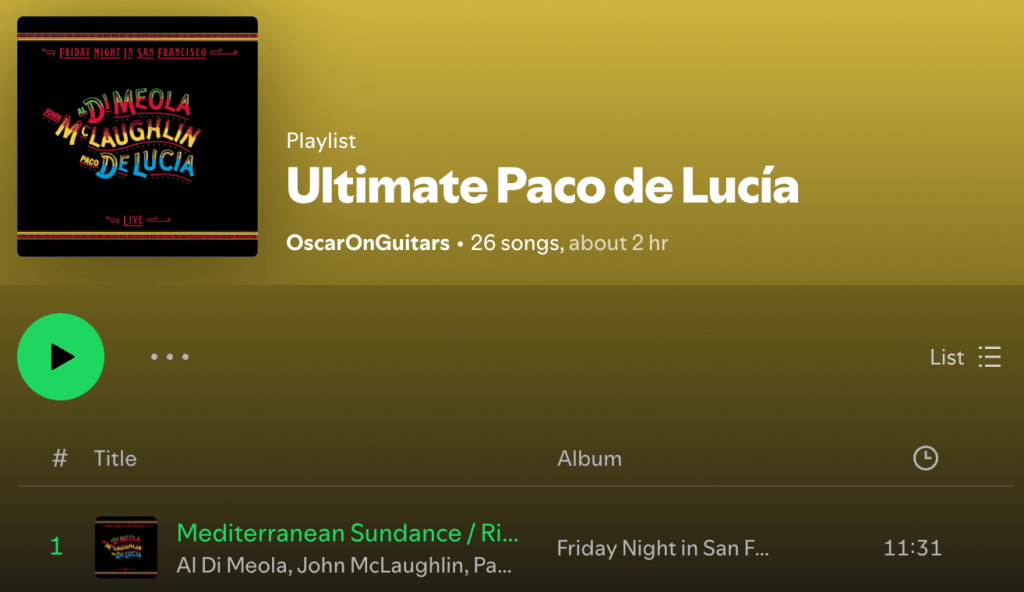
Paco de Lucía (1947-2014) was to flamenco guitar what Jimi Hendrix and Eddie Van Halen were to rock—a revolutionary force that redefined the boundaries of the instrument. Paco de Lucía was an earthquake in the world of flamenco. He transformed the genre with his unparalleled virtuosity, introducing complex harmonies, lightning-fast picados, and jazz influences that had never before been seen in flamenco.
His fearless innovation and technical mastery elevated the flamenco guitar to new heights, earning him a place among the greatest guitarists in history, not just in flamenco, but in the broader world of music.
In this playlist, you can experience the brilliance of Antología (Anthology), showcasing the brightest moments of Maestro Paco de Lucía.
4. Move to the New Classics
Once you’ve familiarized yourself with modern flamenco, it’s time to go back and explore the classics. Guitarists like Sabicas, and Tomatito are essential listening. If Paco de These artists laid the foundation for everything that came after them, and their music remains as powerful and relevant as ever.

- Sabicas: Known for his virtuosic technique and powerful sound, Sabicas was a key figure in bringing flamenco guitar to the world stage. His album Flamenco Puro is a must-listen for anyone serious about understanding the roots of flamenco guitar.
- Tomatito: A disciple of Paco de Lucía and a legend in his own right, Tomatito’s music blends traditional flamenco with modern influences. His work with the legendary singer Camarón de la Isla is particularly notable.
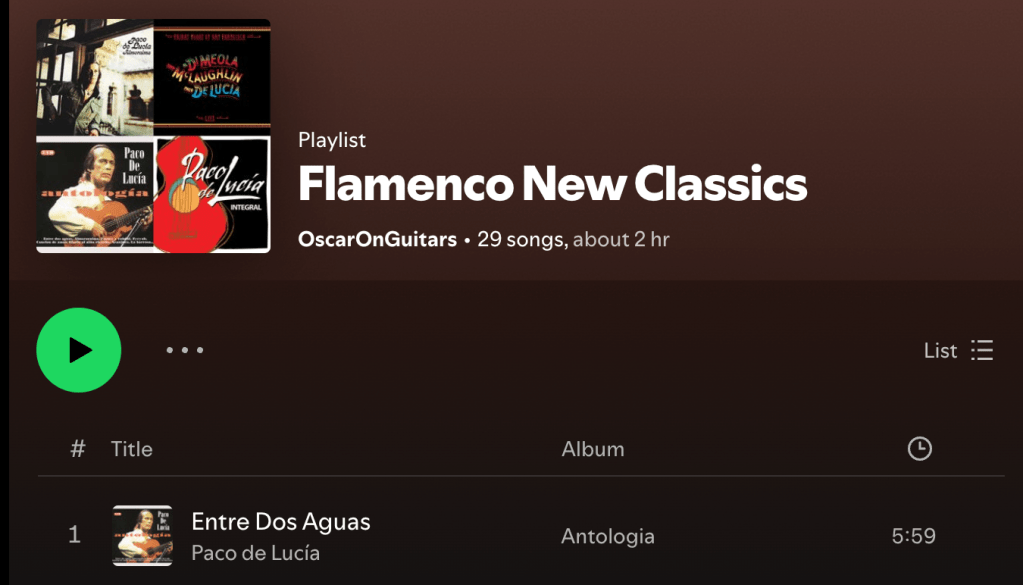
Explore a generation of guitarists who bridged the gap between traditional sounds and modern innovations in flamenco guitar with the Flamenco New Classics playlist I’ve created, now available on Spotify.
4. Deepen Your Understanding with the Pioneers
The early 20th century saw the rise of some of the greatest master guitarists who laid the foundation for modern flamenco. Among them was Ramón Montoya, born in 1879, who revolutionized flamenco guitar by incorporating classical techniques and expanding the role of the guitar beyond simple accompaniment. His innovations influenced generations of guitarists.

Sabicas (Agustín Castellón Campos), born in 1912, was another pioneering figure, known for his virtuosic playing and for bringing flamenco to international stages. Niño Ricardo (Manuel Serrapí Sánchez), born in 1904, was celebrated for his deeply expressive style and his contributions to the development of flamenco as an art form. These guitarists were instrumental in shaping flamenco into the complex, expressive genre we know today.
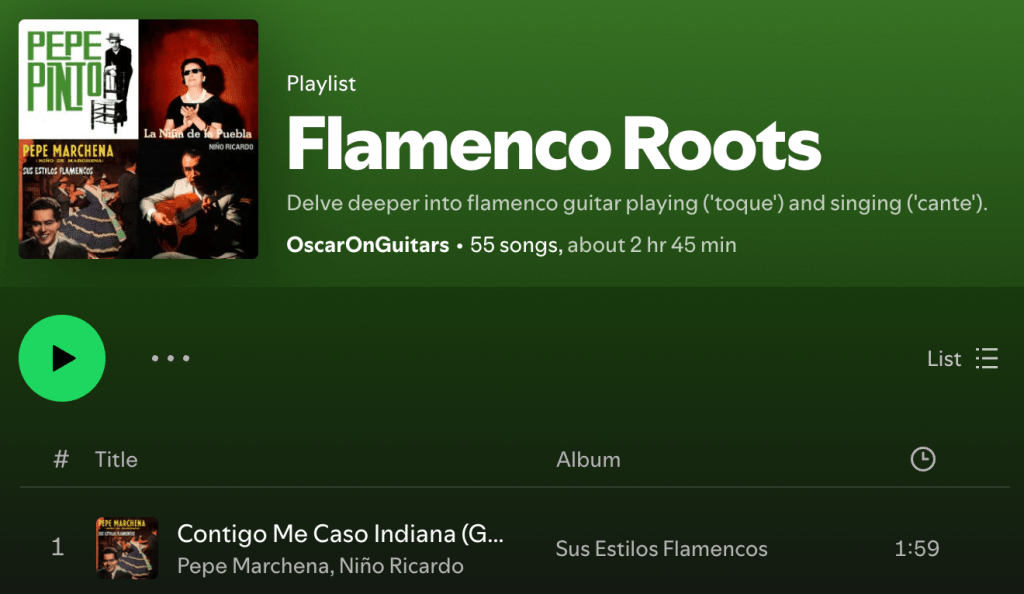
Check out the Flamenco Roots playlist I’ve put together for you, featuring classic and raw, vintage sounds of traditional flamenco. Remember, in this style, toque (guitar playing) and cante (singing) are deeply intertwined.
Conclusion
Listening to flamenco as a guitarist isn’t just about enjoying the music—it’s about understanding the rhythms, emotions, and traditions that make this art form so powerful. By starting with modern flamenco and then moving backward to the classics and pioneers, you’ll gain a deeper appreciation for the music and, ultimately, improve your own guitar playing. Whether you’re just starting out or are already familiar with flamenco, this approach will help you connect more deeply with this incredible genre.
 oscaronguitars.com
Leave a comment