

Hey buddy, we’ve all been there—sitting with your guitar, feeling like you’re stuck in a rut, unsure of where to go next. Maybe you’ve hit a plateau, or maybe you’re just not feeling the same excitement you once did. Trust me, after 37 years of playing, I’ve been through those phases more times than I can count. It’s easy to feel lost or like you’re not advancing, but I’m here to tell you it’s all part of the journey. Today, I want to share 10 things I’ve learned over the years that can help you find your way when the path seems unclear. Think of it like a heart-to-heart jam session—no fancy solos, just some real talk about how to keep growing and reigniting that passion for your guitar.
1. The Importance of Relevant Practice
You’ve probably heard it a million times—practice makes perfect. But let me tell you, it’s not just about repetition. It’s about the quality of your practice, the intention behind each session. As a guitarist, you should regularly seek out new challenges. This could be learning a new genre, experimenting with different techniques, or even just jamming with other musicians. The idea is to keep growing, keep evolving. When you practice with intention, you’re not just improving your technical skills; you’re also shaping your musical voice.
It’s easy to get overwhelmed by the sheer amount of things you can learn as a guitarist. That’s why setting achievable goals is crucial. Whether it’s mastering a specific technique, learning a new song, or improvising over a complex chord progression, having clear, attainable goals will keep you motivated and focused. These goals provide a sense of direction and accomplishment. Practice with these specific goals in mind to make steady progress.
2. Finding the Right Mentor
Ever noticed how some of the best guitarists often mention a mentor who guided them? Think of Steve Vai or Kirk Hammett being mentored by none other than Joe Satriani. This isn’t just a coincidence.

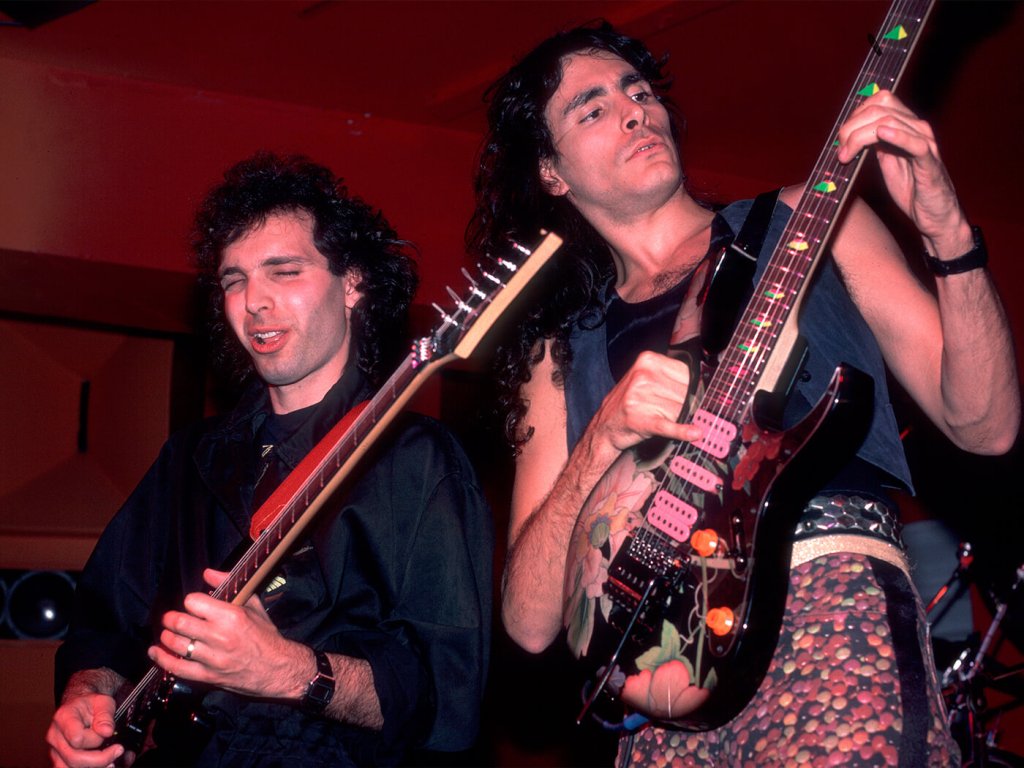
Having someone who can offer guidance, share their experiences, and provide feedback can make a world of difference. For us guitarists, a good mentor can be that person who helps you navigate the complexities of music theory, technique, and even the emotional connection with your instrument. Don’t be shy to reach out to someone you admire—they don’t have to be a multi-Grammy-winning star. You’ll likely find a local guitar player who’s passionate, committed, and generous enough to share their knowledge with you—they might just be the catalyst you need to elevate your playing.
4. The Value of Structured Learning
Self-taught guitarists often hit a plateau because they lack structure in their learning. A structured approach helps you build a strong foundation, fills in those gaps, and gives you a roadmap to follow. Whether it’s enrolling in online courses, attending workshops, or following a well-designed practice routine, structure can help you stay on track and ensure you’re making consistent progress. Remember, every great guitarist had to start somewhere, and having a solid structure is key to long-term growth.
5. The Power of Networking
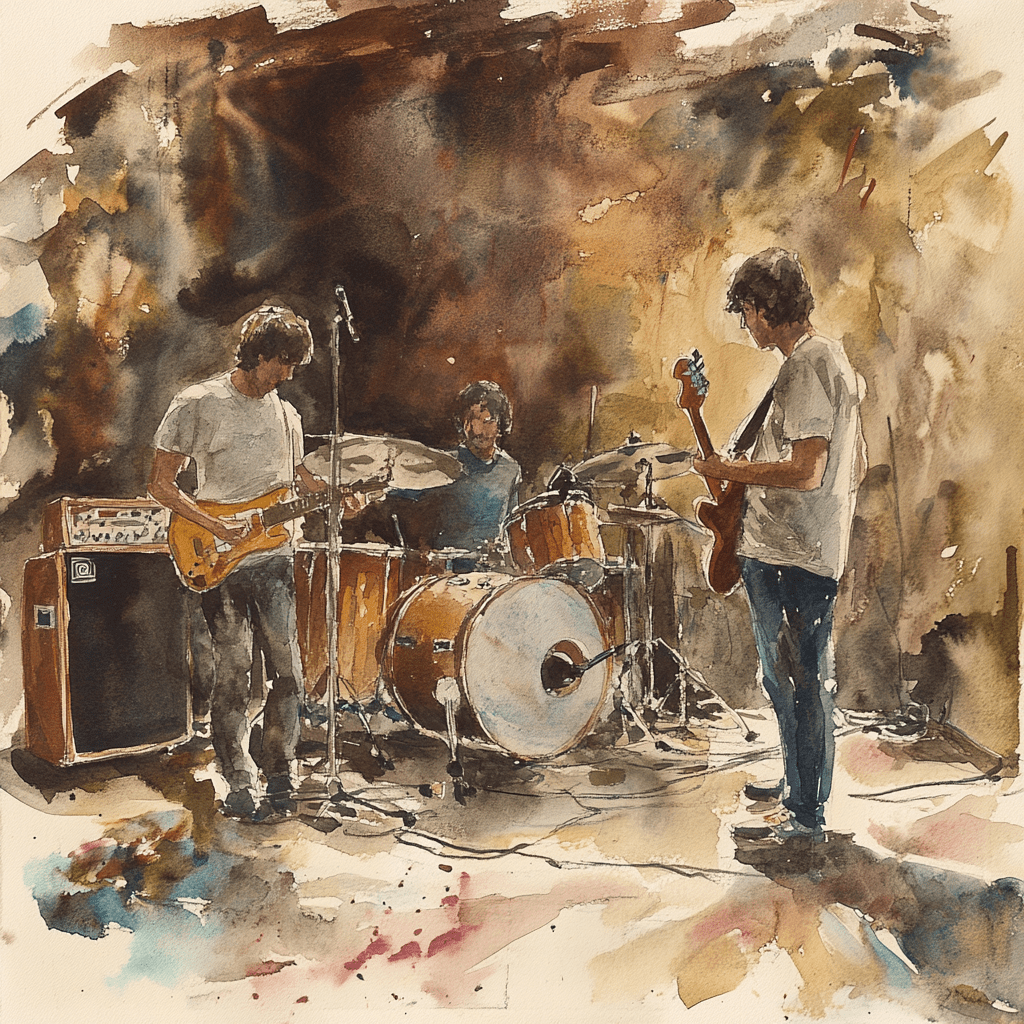
You might think of guitar playing as a solo journey, but let me tell you, networking is just as crucial in music as it is in any other field. It’s about finding your tribe—people who share your passion, who challenge you, and who inspire you. Whether it’s joining a band, participating in jam sessions, or attending music festivals, being part of a community can open doors you never knew existed. Plus, it’s a great way to make lifelong friends who understand the ups and downs of the musical journey.
6. Exploring Different Genres
A guitarist should experiment with various genres. Don’t box yourself into one style—be it rock, blues, jazz, or metal. Each genre has something unique to offer, and by exploring them, you’ll discover new techniques, new rhythms, and new ways of expressing yourself. Plus, this diversity will help you develop a more versatile and rich playing style. Remember, some of the greatest guitarists were those who could effortlessly blend different genres, creating something entirely their own.
7. The Importance of Reflection
One of the most overlooked aspects of growth is reflection. After every practice session and performance, take one or two minutes to consider what you’ve learned, where you’ve struggled, and what you’ve achieved. By listening to yourself and reflecting on your work, you can identify areas for improvement and set new goals. This introspection will not only help you become a better guitarist but also deepen your connection with your music.

9. Embracing Mistakes and Failures
Let’s face it, no one likes making mistakes, but they are an inevitable part of any learning process. A botched solo might teach you about timing or the need for more practice. The key is to embrace these mistakes, learn from them, and use them as stepping stones to improve. Remember, every great guitarist has had their fair share of failures—they just didn’t let them stop them from pursuing their passion.

10. Creating a Body of Work
Finally, if you’re feeling a bit lost, focus on creating a body of work that reflects your own journey and voice. This could be in the form of recorded tracks, compositions, or performances. Don’t just play or practice—try recording yourself and leave something behind for the world. At first, it might sound disjointed or like sketches, but in the long run, it will be a record of your explorations and progress, and a great source of ideas to work on later. You don’t have to be a composer, but you’ve already invested in your instrument, amps, effects, and all that, so why not take advantage and create your own stuff? It’s great to play other people’s riffs, licks, and songs—nothing wrong with that. But what if you take the time to give something back? If you’re out of ideas take any riff (any riff at all) and play it backwards, and you instantly have something new. Want to take it further? Change the dynamics, the tempo, or insert some silences into the backward riff. Voilà! You’ve got something original. Don’t credit me for the tip—thank the genius of Tom Morello, not just as a legendary guitarist but as a tremendous teacher.
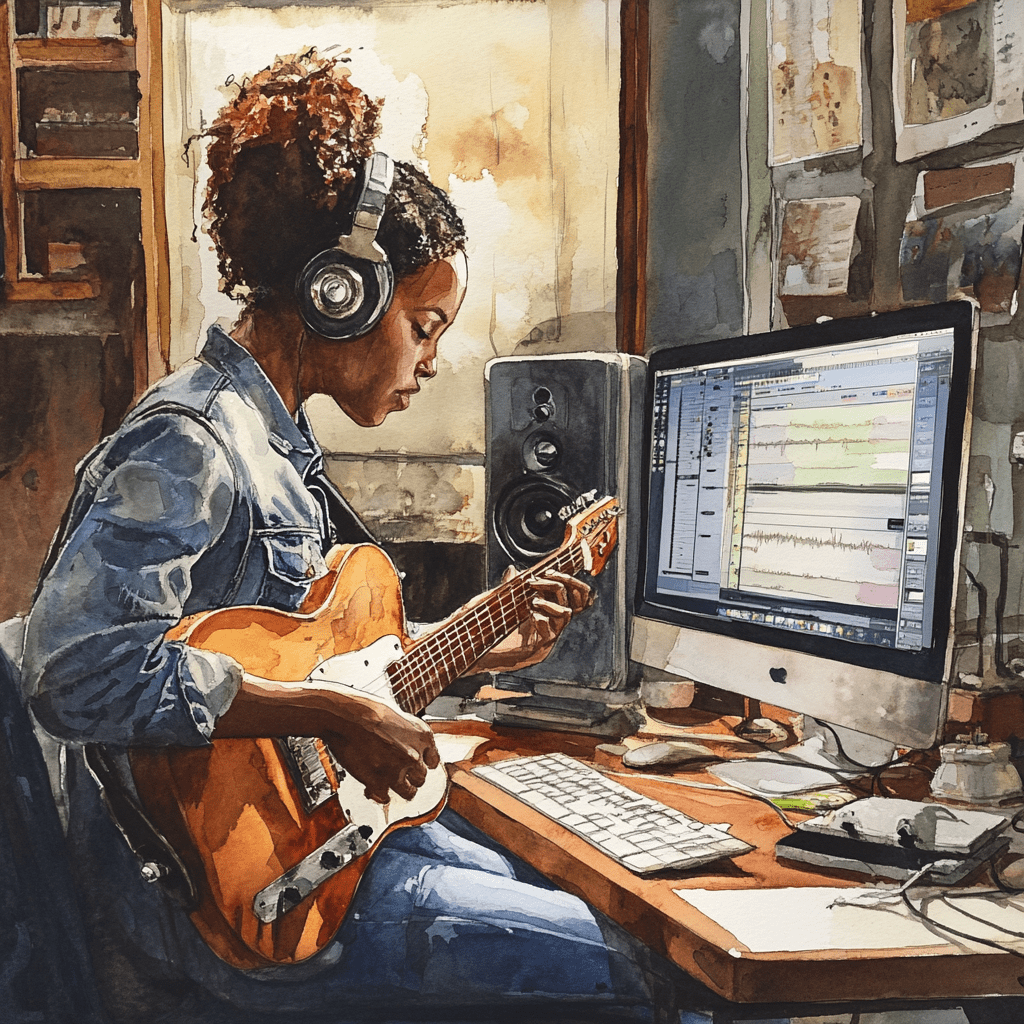
Getting back to your body of work: the idea is to have something tangible that represents your growth as a musician. This body of work serves not only as a reflection of your progress but also as a legacy of your musical journey.
Conclusion: The Journey Continues
You don’t have to dwell in the darkness, but for now, let yourself be drawn to the light. Playing the guitar is a lifelong journey, filled with moments of clarity and obscurity, but each step forward, every chord you strum, brings you closer to your true self. Embrace the highs and lows, and let your passion for the instrument guide you. Keep practicing with purpose, seek inspiration from others, and stay curious about where your music can take you. Remember, every note you play is a reflection of your unique voice. So, pick up your guitar, follow the light, and let your music shine.

 oscaronguitars.com
Leave a comment