

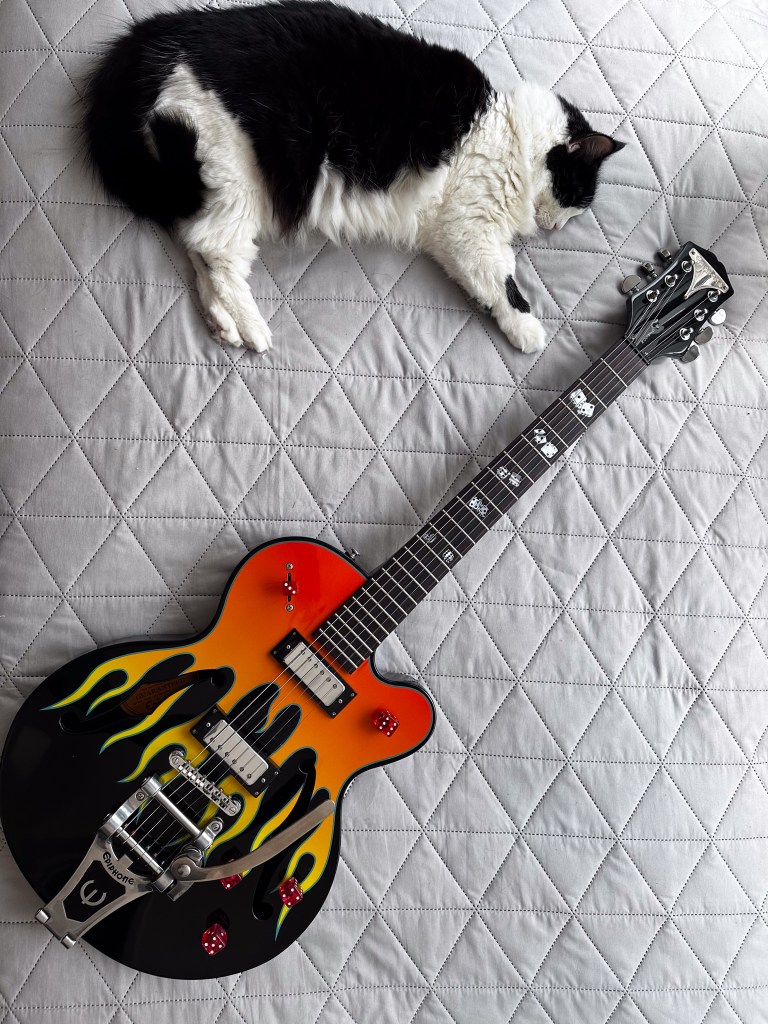
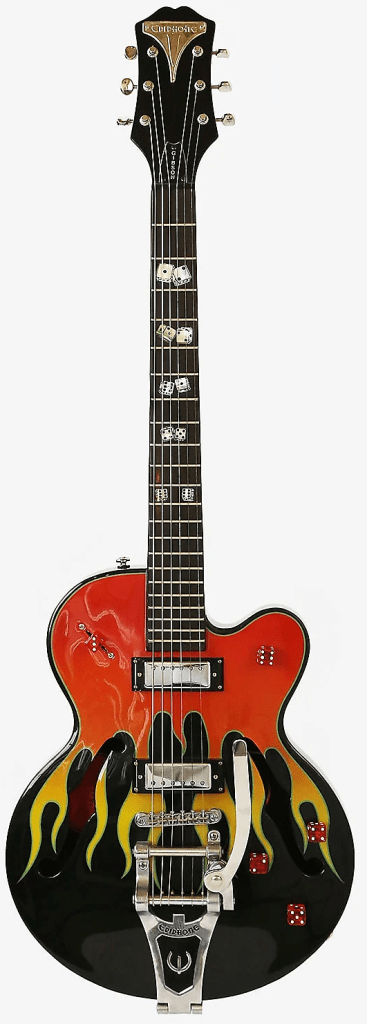
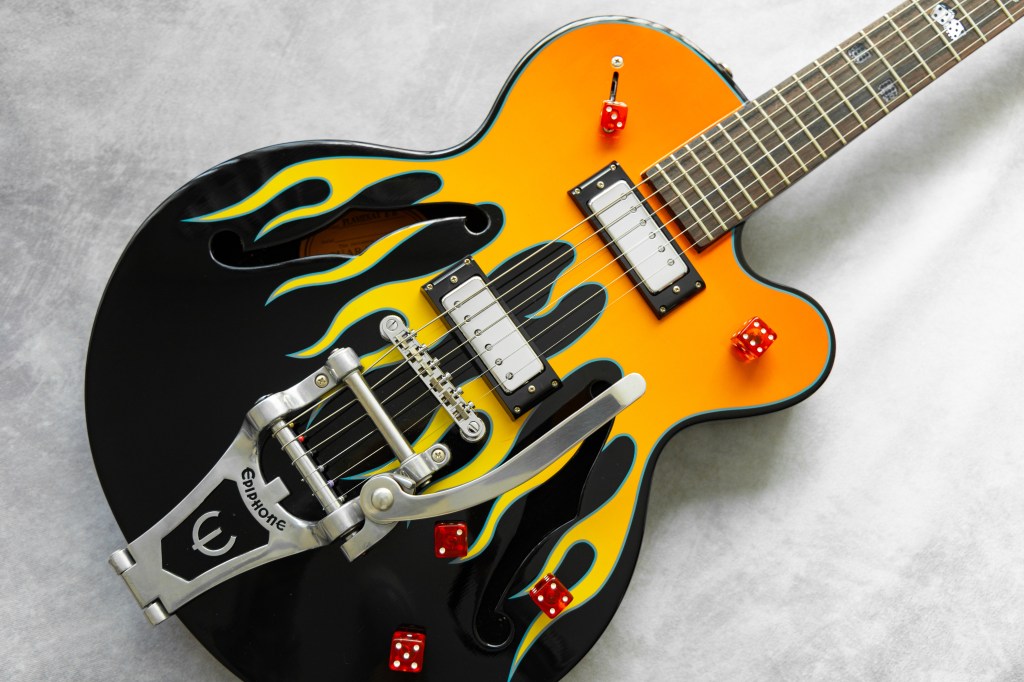
Hey there! Let me tell you about a guitar that really stands out in my collection, the Epiphone FlameKat. When I first spotted it in the store, it almost seemed too much—those wild flame graphics and dice-themed inlays. You see, I’m not much for gambling motifs—or gambling at all, for that matter. But something about this guitar just wouldn’t let me walk away.
First Impressions
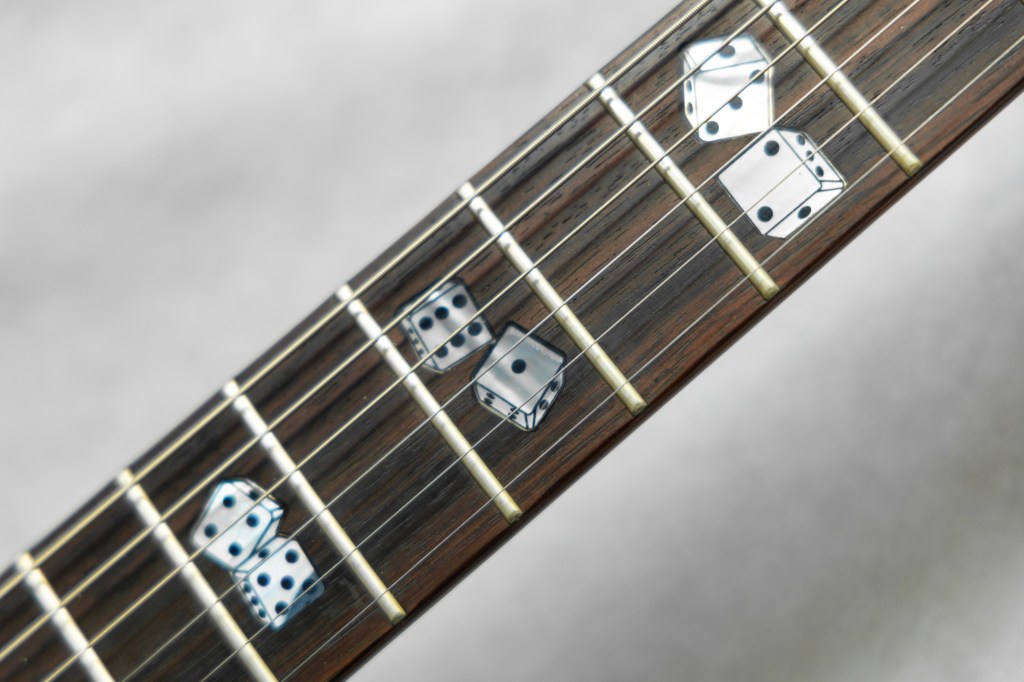
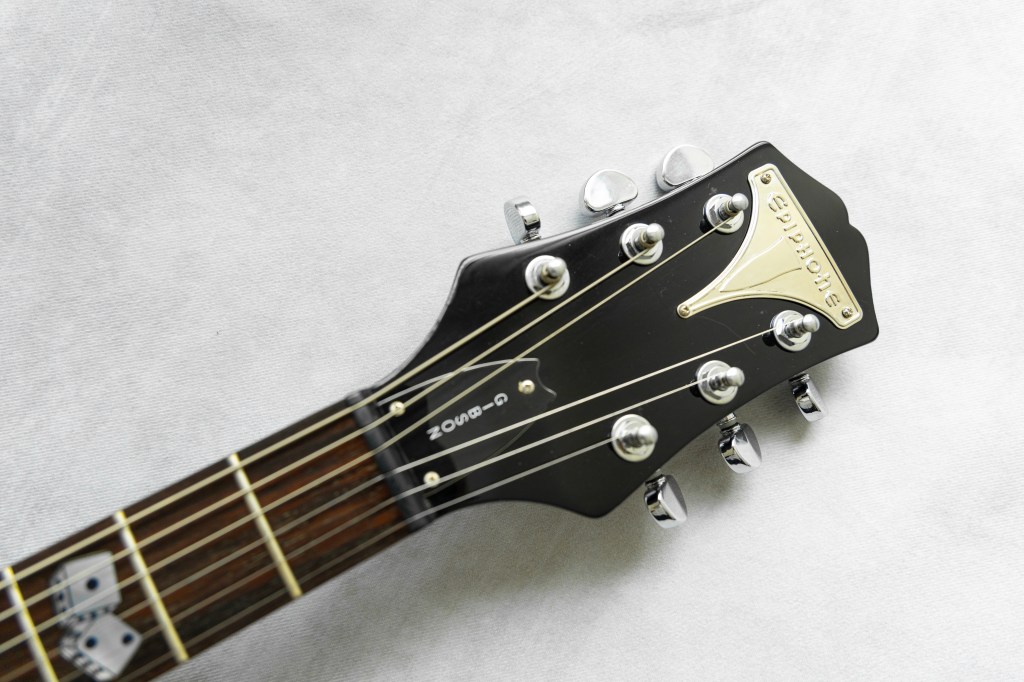
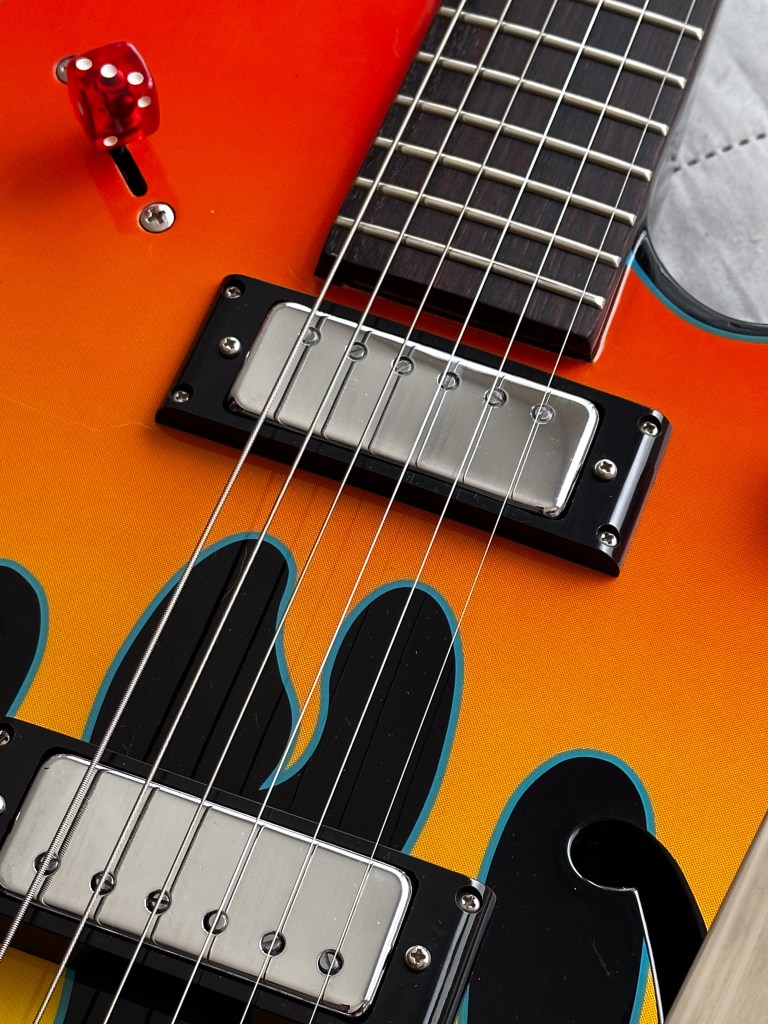
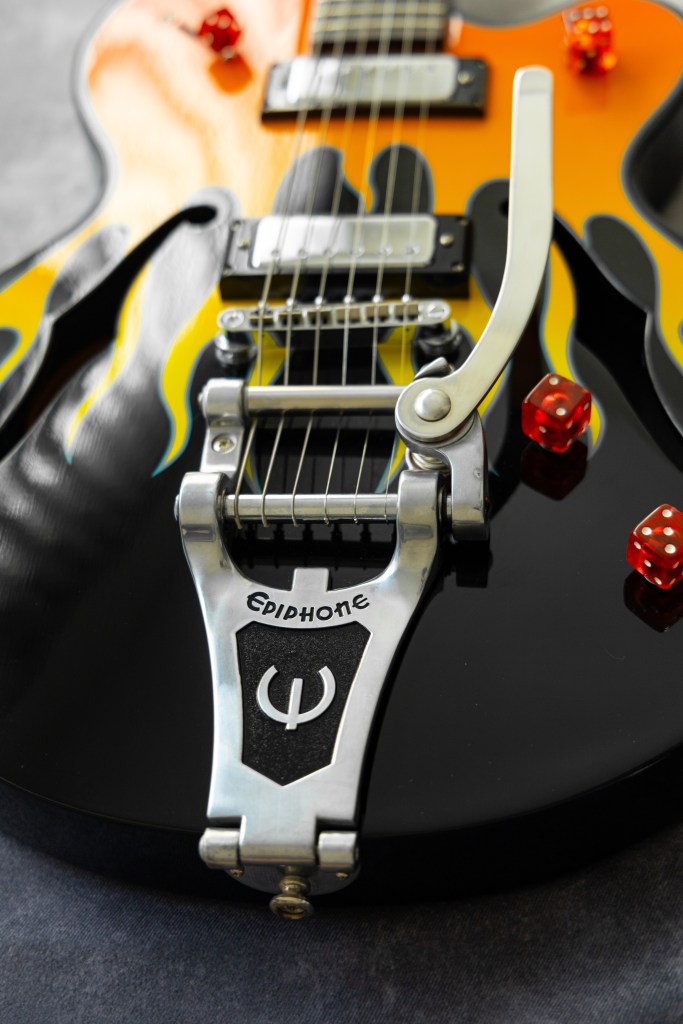
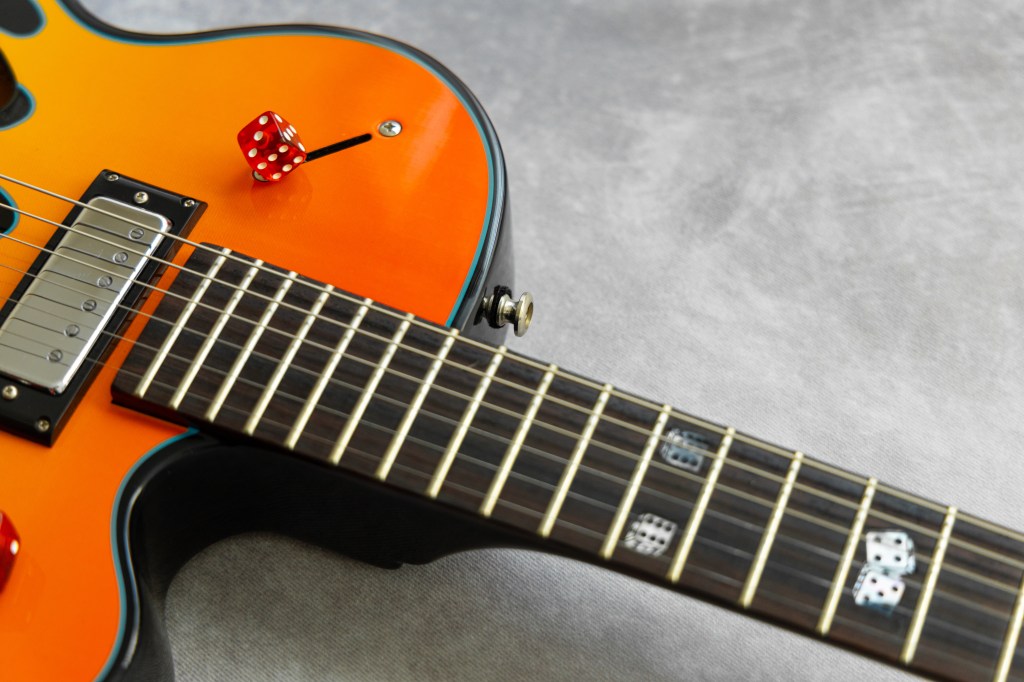
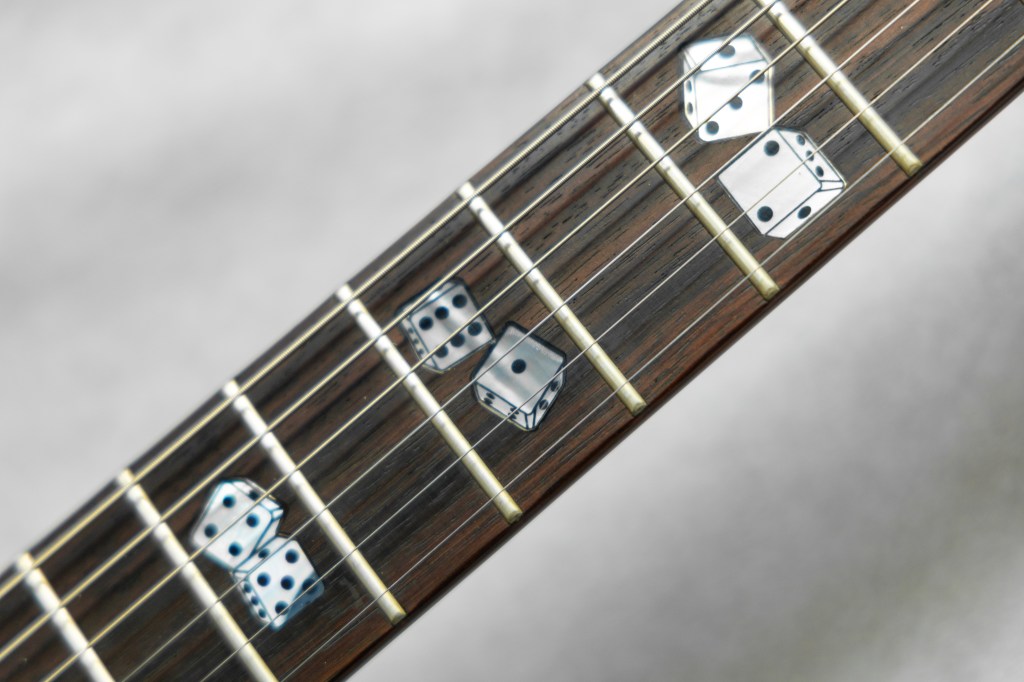
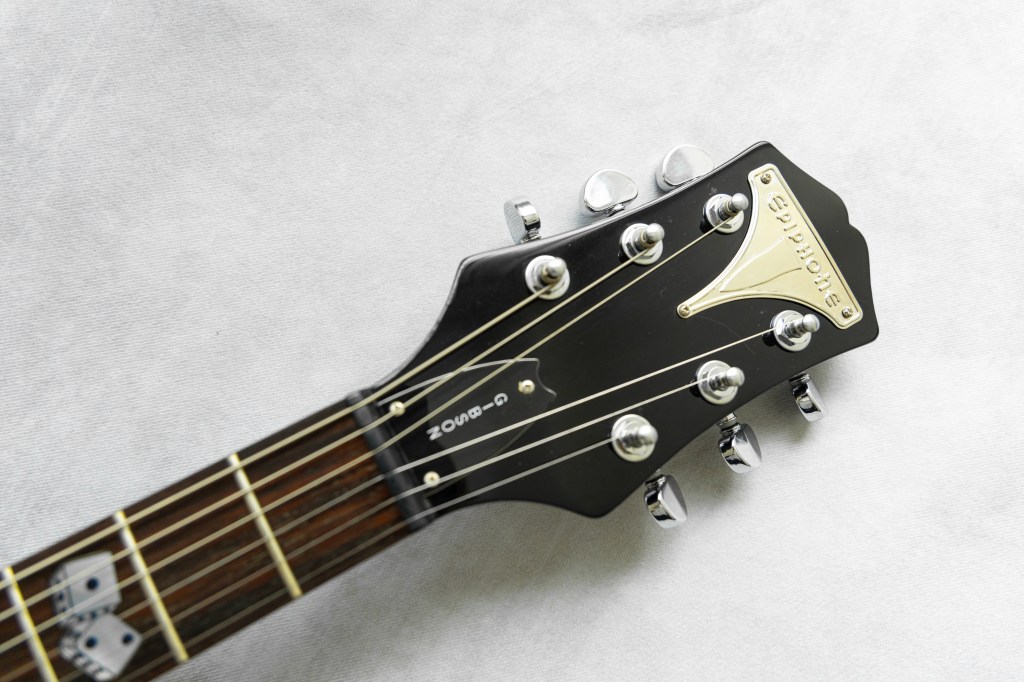
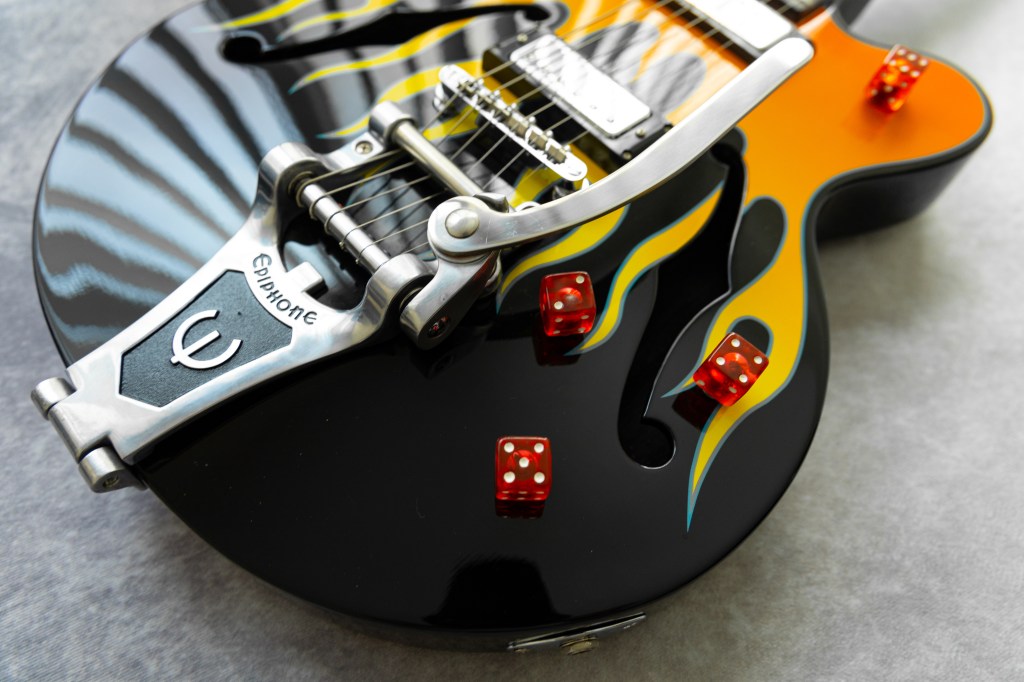
This FlameKat is not just another guitar; it’s a spectacle. The semi-hollow body and the Bigsby-style Epiphone VibroTone tremolo scream rockabilly. It’s decked out in a gloss ebony finish with a striking flame graphic that catches the eye immediately. And those pearl dice inlays on the fingerboard? I’ve had mixed feelings about them, but they definitely add character.
Dice & Guitars: The True Tale of Brian Setzer’s Mod
Brian Setzer, a name synonymous with the rockabilly guitar scene, was perhaps the first guitarist to repurpose dice as guitar knobs. The story goes that when Setzer was just 16 years old, he acquired a ’59 Gretsch guitar that was missing its buttons. Not one to let a missing part dampen his spirits, Setzer got creative. He took dice from his Monopoly game set, drilled holes in them using his dad’s power drill, and affixed them to his guitar. This inventive modification not only restored functionality to his beloved instrument but also set a trend that would become iconic in the rockabilly community, marking the genesis of using dice as guitar knobs.

Built for Rock… and More
Initially, rockabilly wasn’t my jam, and I didn’t quite get the culture. But this guitar, made back in 2000, has features that can make any style sing. The “New York” mini-humbucking pickups, combined with a 3-way switch and individual volume controls, offer a range of tones from clean jazz to dirty blues. The maple neck and mahogany body provide a balanced, resonant sound that’s surprisingly versatile.
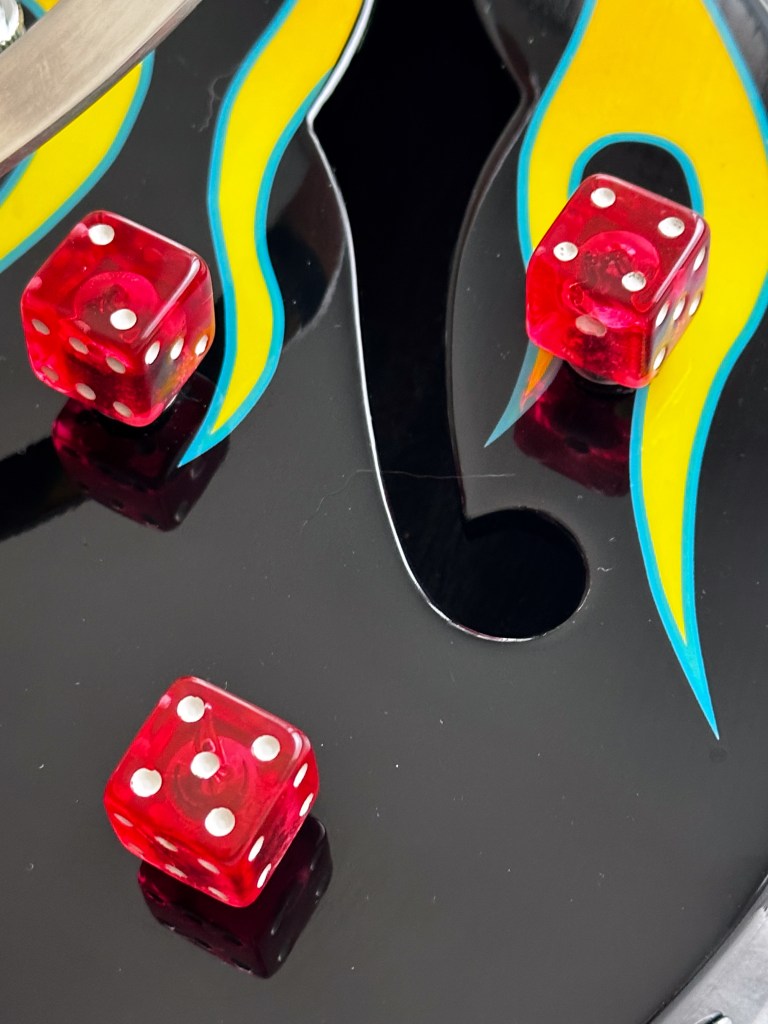
The FlameKat is made in Korea and features neck-through construction that adds sustain and stability. The craftsmanship is good but not incredible. The flame is a decal applied under the transparent urethane finish, not an airbrush or tinted shade, which, upon close inspection, reveals that is mass-produced rather than a craftsman’s work. The fretboard work is good, and overall, it is a comfortable and good-sounding guitar. However, when I decided to pick it up again after a long hiatus, it needed some serious TLC. Thankfully, my technician brought it back to perfection.
Perfect Size, Perfect Sound
Unlike some other hollow body guitars that can feel bulky, the FlameKat is quite manageable. It’s lighter and less cumbersome, making it a joy to play, whether I’m channeling Brian Setzer or experimenting with other genres.
Why It’s a Keeper
This guitar isn’t just for playing; it’s a centerpiece. Hanging on the wall, it’s a showstopper that sparks conversations. It’s not just the looks—it’s the vibe it brings to the room. The sound is unmistakably rockabilly, but it doesn’t box itself into one genre. This versatility, combined with its unique aesthetics, makes it a cherished part of my collection.
Alternative to the Epiphone FlameKat
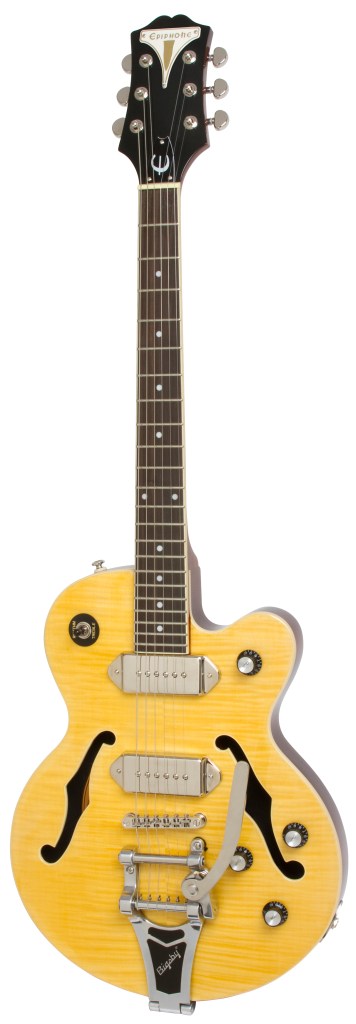
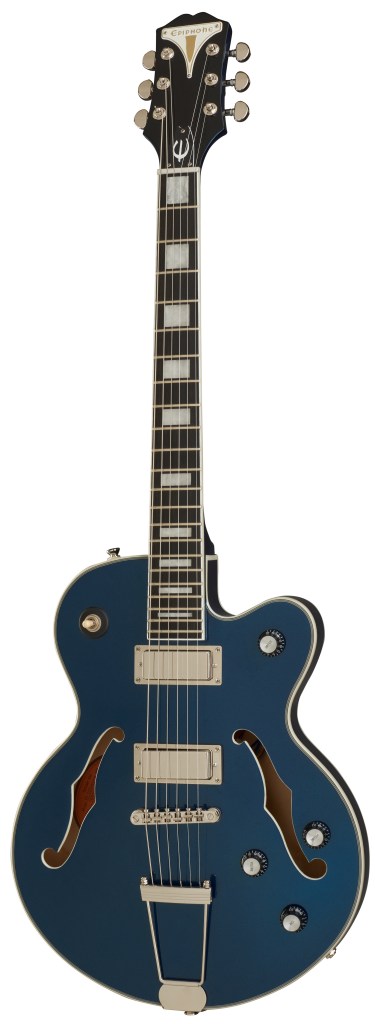
The Epiphone FlameKat was discontinued, but it’s a reminder of the quirky, adventurous spirit of Epiphone’s Kat series. If you’re looking for something similar, although you’ll miss the over-the-top flame graphics and dice theme, the Epiphone WildKat is a fine instrument that retains many of the specs of the FlameKat. It features a real Bigsby™ B70 Vibrato—not an Epiphone look-alike—and is equipped with ‘P-90 R dogear classics’ pickups to sweeten the deal. And if you don’t mind losing the tremolo bar, the Epiphone Uptown Kat features ProBucker™ FB720 Mini Humbuckers in a nice array of colors.
Collectible Yet Functional
Back to the Epiphone FlameKat, finding one these days is not overly difficult or expensive; you can find one around the $800 mark or even less, depending on the condition of the particular piece.
The FlameKat delivers a true Rockabilly vibe, no need to change your hairstyle (trust me, I’m a bit lacking there) or get inked. Nothing against tattoos—they’re just not for me. Maybe it’s a generational thing!
So, if you ever come across a FlameKat or any guitar that pushes the boundaries of traditional design, give it a chance. It might just surprise you how much it can add to your musical journey, not just in sound but in spirit.

 oscaronguitars.com
Leave a comment