

Hey there folks! Let’s talk about something that’s a bit of a mystery for many players, especially when they’re just starting out: gain. You’ve probably seen the word on your amp or pedals, and you might even have a rough idea of what it does. But what exactly is gain in guitar amps? How does it affect your sound, and why is it such a big deal? Let’s break it down together, as if we’re just hanging out and talking shop, to demystify this essential part of your guitar rig.
The Basics: What is Gain?
In the simplest terms, gain is the amount of amplification applied to your guitar’s signal before it hits the speakers. Think of it as the initial boost your guitar signal gets when it enters the amplifier. When you increase the gain, you’re essentially increasing the strength of the signal. This boost in signal strength is what leads to that glorious overdrive or distortion sound that we all love.
But here’s where it gets a bit tricky—gain isn’t just about volume. It’s more about how much you’re pushing your amp’s preamp section. When you turn up the gain, you’re pushing your amp harder, which can cause the signal to “clip” or distort. This is what gives you that crunchy, saturated sound that’s a hallmark of rock, blues, and metal.
Gain vs. Volume: What’s the Difference?
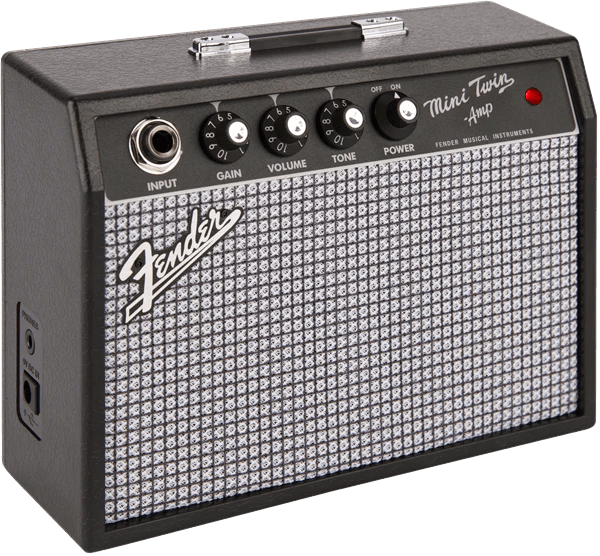
One of the most common questions that comes up is, “What’s the difference between gain and volume?” After all, both knobs seem to make your amp louder, right? Well, not exactly.
- Gain: As we’ve just discussed, gain controls the strength of the signal before it hits the power amp section of your amp. Turning up the gain increases the likelihood of your signal clipping, which leads to overdrive or distortion.
- Volume: Volume, on the other hand, controls the loudness of the signal after it’s been processed by the preamp. So, while gain shapes the tone and adds saturation, the volume simply makes that tone louder without changing its character.
Think of it like this: gain affects the tone and texture of your sound, while volume affects how loud that sound is. You can have high gain with low volume (which would give you a saturated sound at a lower volume level), or low gain with high volume (which would give you a cleaner sound but at a louder level).
The History of Gain: From Clean to Mean
To really understand gain, it helps to know a bit about the history of guitar amps. Back in the early days, amps were designed to be clean and loud. Guitarists who wanted more grit and sustain would have to crank up their amps to the point where they started to break up and distort. This wasn’t the original intention of amp designers, but guitarists loved the sound, and so began the quest for more controlled distortion.
As amps evolved, manufacturers began to include dedicated gain controls, allowing players to dial in that overdriven sound without having to max out their volume. This gave birth to the modern concept of gain, where you can control how much distortion you want independently from how loud you want to be.
How Gain Affects Your Tone
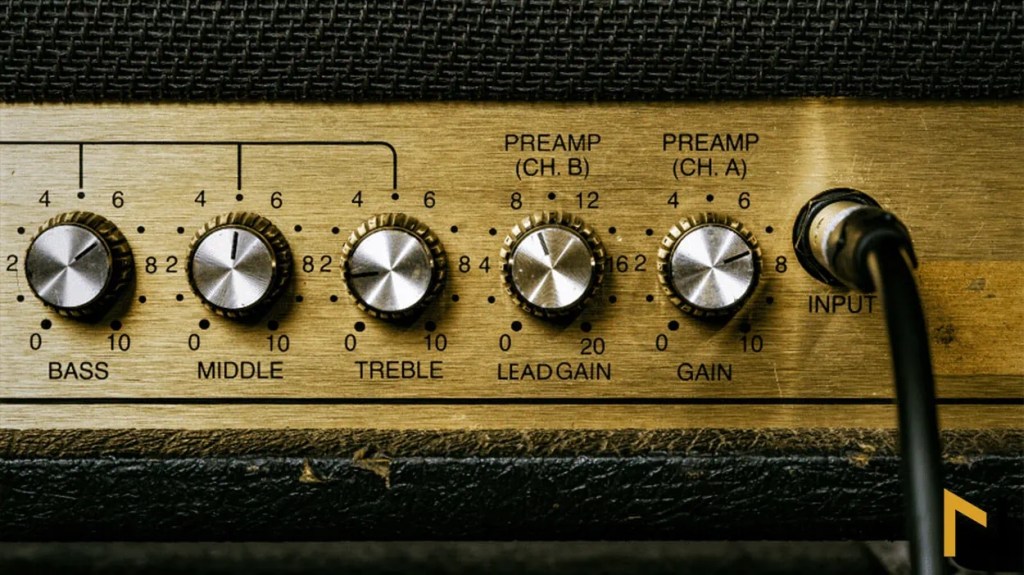
Now that we’ve got the basics down, let’s talk about how gain actually affects your tone. The relationship between gain and tone is a bit like a balancing act. The more gain you add, the more saturation, sustain, and harmonic content you introduce into your sound. But too much gain can also lead to a muddy, undefined tone, especially if you’re not careful with your EQ settings.
Here are a few ways gain can shape your tone:
- Overdrive and Distortion: At moderate levels, gain gives you that classic overdrive sound—warm, smooth, and dynamic. Crank it up even more, and you enter the realm of distortion, where your sound becomes thicker, more compressed, and more aggressive.
- Sustain: Higher gain levels also add sustain to your notes. This is especially important for solos, where you want your notes to ring out and hold their place in the mix.
- Harmonics: Gain can also enhance the harmonic content of your sound. This means that your tone will have more overtones, giving it a richer, more complex character.
- Compression: As you increase gain, your signal becomes more compressed. This can be great for certain styles, as it evens out your playing dynamics and makes everything sound more cohesive. However, too much compression can also make your tone feel flat and lifeless.
- Noise: One downside of high gain is that it can introduce noise into your signal, especially if you’re using single-coil pickups or playing in a noisy environment. This is why many high-gain players use noise gates to keep their signal clean.
Tips for Using Gain Effectively
Using gain effectively is all about finding the sweet spot where your tone is saturated and full, but still clear and articulate. Here are a few tips to help you get the most out of your gain settings:
- Start Low: It’s tempting to crank the gain right away, but start low and gradually increase it until you find the right balance. You might be surprised at how good a low-gain tone can sound, especially for blues, jazz, or even certain rock styles.
- Use Your EQ: The more gain you add, the more you’ll need to tweak your EQ settings to keep your tone clear. If your tone is getting muddy, try cutting some bass or boosting the mids. If it’s too harsh, roll off some of the treble.
- Stack Gain Stages: If you’re using pedals, try stacking different gain stages for more control. For example, you can use a low-gain overdrive pedal in front of a high-gain amp to add warmth and complexity to your tone without losing clarity.
- Watch Your Pickup Selection: Different pickups react differently to gain. Single-coils tend to stay brighter and more articulate, while humbuckers will give you a thicker, more powerful sound. Experiment with both to see what works best for your style.
- Use a Noise Gate: If you’re playing with high gain, a noise gate can be a lifesaver. It helps to eliminate unwanted noise and hum, keeping your signal clean and tight.
Iconic Gain Tones
Gain has played a huge role in shaping the sounds of some of the most iconic guitarists in history. Let’s take a look at a few examples:
- Angus Young: The lead guitarist of AC/DC is known for his high-gain tone that’s both raw and powerful. By cranking the gain on his Marshall amps, Angus creates a sound that’s full of grit but still retains clarity and punch.
- Eddie Van Halen: Eddie’s “brown sound” is a perfect example of using gain to craft a signature tone. His high-gain tone is thick and saturated, yet it’s incredibly dynamic and responsive, allowing him to create those iconic harmonics and lightning-fast runs.
- David Gilmour: While known for his clean, soaring tones, Gilmour also uses gain to great effect. By carefully dialing in the gain on his amps and pedals, he creates a smooth, singing tone that’s perfect for his emotive solos.
- Tony Iommi: The godfather of heavy metal, Tony Iommi, uses massive amounts of gain to create the thick, crushing tones that defined Black Sabbath. His high-gain sound is both heavy and dark, perfectly suited for the genre he helped create.
Conclusion: Mastering Gain
So, what exactly is gain in guitar amps? It’s more than just a volume knob—it’s a tool that shapes your tone, adds character, and helps you create the sounds that define your playing. Whether you’re chasing that perfect overdriven blues tone or looking to create a wall of metal distortion, understanding gain is key to getting the most out of your gear.
The beauty of gain is in its versatility. It’s not just for metalheads or rockers; it’s a fundamental part of guitar tone that every player can use to their advantage. The key is to experiment, play around with different settings, and find the sweet spot that works for your style.
Remember, gain is all about control. Too little, and your tone might lack character. Too much, and it could turn into a noisy mess. But when you get it just right, gain can elevate your playing to new heights. So, don’t be afraid to tweak those knobs, push your amp, and discover the power of gain. Your perfect tone is just a turn away.
 oscaronguitars.com
Leave a comment