
Choosing the right guitar amp can be an intimidating task, especially with so many types available—tube, solid-state, modeling, and more. Each option offers a unique sound and experience, which can leave you feeling overwhelmed. But fear not! This guide is here to simplify things for you. We’ll explore the different types of guitar amps, their distinct characteristics, and how to choose the perfect one that fits your needs and style. Whether you’re an experienced player or just beginning your journey, you’ll be equipped with the knowledge to make a sound decision. Let’s dive into the world of guitar amplification and find the amp that resonates with you
The Heart of Your Tone: Why Your Amp Matters
Before we dive into the specifics, let’s talk about why your amp is so important. You see, your amp isn’t just a loudspeaker for your guitar—it’s a crucial part of your overall sound. In fact, many guitarists would argue that your amp has just as much impact on your tone as your guitar itself, if not more.
Your amp shapes your tone, adds character, and determines how your guitar responds to your playing dynamics. Whether you’re looking for sparkling clean tones, warm overdrive, or face-melting distortion, your amp is the key to unlocking those sounds. So, choosing the right amp isn’t just about picking something that’s loud enough—it’s about finding the perfect partner for your guitar.
Tube Amps: The Classic Choice
Let’s start with the granddaddy of them all: tube amps. Tube amplifiers, also known as valve amps, have been around since the early days of electric guitar, and they’ve earned a reputation for their warm, dynamic sound. But what exactly makes tube amps so special?
- Warmth and Dynamics: Tube amps are known for their rich, warm tones and dynamic response. This means they react to your playing intensity—play softly, and you’ll get a clean, mellow sound; dig in, and the amp will start to break up and add a touch of overdrive.
- Natural Overdrive: One of the most beloved features of tube amps is their natural overdrive. When you push a tube amp hard, the tubes start to distort in a musical, pleasing way, adding warmth and sustain to your tone. This is the sound that many classic rock and blues players swear by.
- Touch Sensitivity: Tube amps are incredibly responsive to your playing. They’re known for their touch sensitivity, meaning they’ll respond to even the smallest changes in your picking attack or guitar volume. This gives you a lot of control over your sound right from your fingertips.
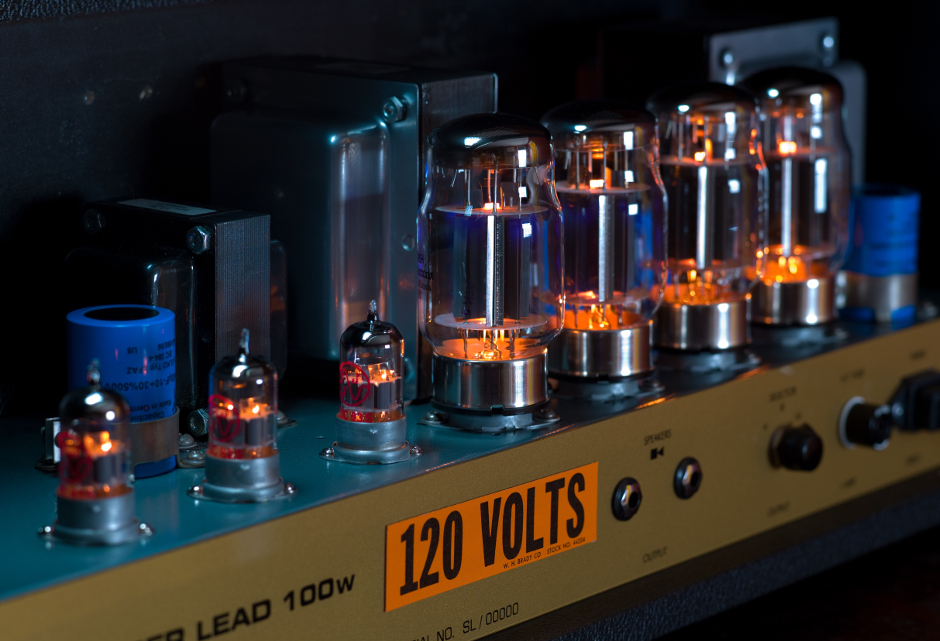
However, tube amps aren’t without their drawbacks. They can be heavy, require regular maintenance (like replacing tubes), and they’re often more expensive than other types of amps. But for many players, the tone is worth it.
Solid-State Amps: Reliable and Affordable
Next up, we have solid-state amps. These amps use transistors instead of tubes to amplify your guitar’s signal. Solid-state amps have come a long way since their early days, and they offer some serious advantages, especially if you’re on a budget or need a reliable workhorse.
- Durability: Solid-state amps are known for their durability. They don’t have fragile tubes that can blow out, so they’re generally more reliable and less prone to breaking down. This makes them a great choice for gigging musicians who need an amp that can handle the road.
- Affordability: One of the biggest selling points of solid-state amps is their affordability. You can get a great-sounding solid-state amp for a fraction of the price of a tube amp, making them a popular choice for beginners and players on a budget.
- Consistency: Unlike tube amps, which can change in tone as the tubes wear out, solid-state amps are consistent. You’ll get the same sound every time you turn it on, no matter how long you’ve had it.
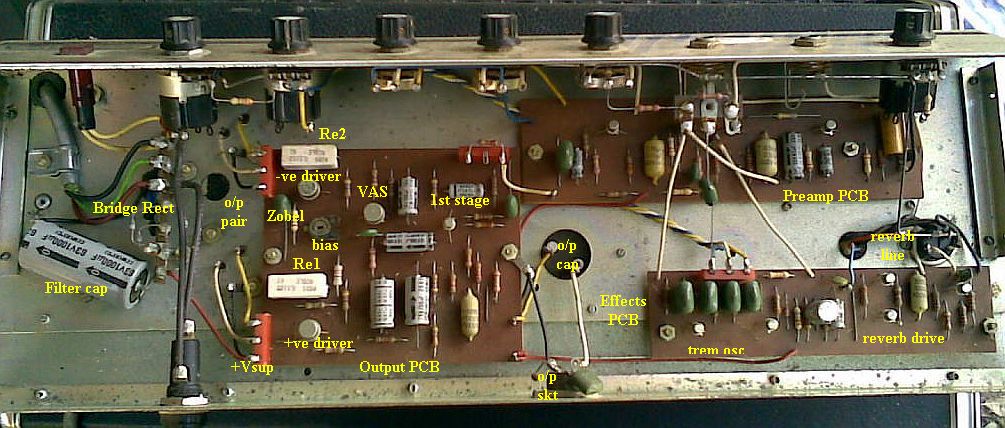
That said, solid-state amps often get a bad rap for sounding sterile or harsh compared to tube amps. While it’s true that they don’t have the same warmth and dynamic response as tubes, many modern solid-state amps sound fantastic and can easily hold their own in a live or recording setting.
Hybrid Amps: The Best of Both Worlds
Can’t decide between tube and solid-state? Hybrid amps might be the answer. These amps combine the warmth and tone of tubes with the reliability and consistency of solid-state technology.
- Tube Preamp, Solid-State Power Amp: Most hybrid amps feature a tube preamp section, where the initial tone shaping happens, combined with a solid-state power amp, which drives the speakers. This gives you some of the warmth and dynamics of a tube amp with the reliability of a solid-state amp.
- Affordable Tube Tone: Hybrid amps can offer a more affordable way to get that coveted tube tone without the full price tag of an all-tube amp. They’re a great option for players who want the best of both worlds.
- Versatility: Hybrid amps can be quite versatile, offering a range of tones from clean to high-gain. They’re a solid choice for players who need an amp that can handle different styles and settings.
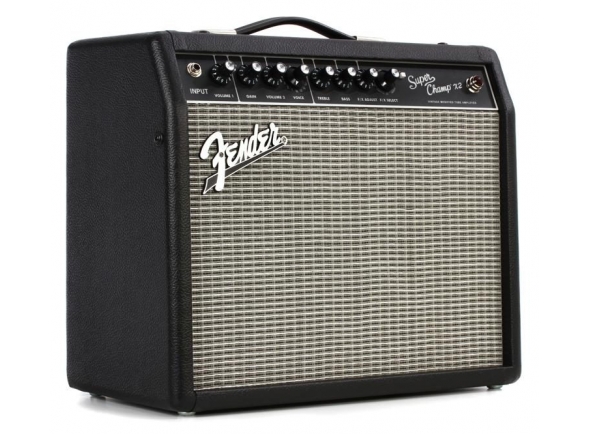
While hybrid amps might not have the same all-tube magic as a full tube amp, they’re a great middle-ground option for players who want some tube warmth without the hassle.
Mini Amps: Small But Mighty
Not everyone needs a massive amp that can shake the walls. Sometimes, all you need is a small, portable amp for practicing at home or on the go. That’s where mini amps and practice amps come in.
- Portability: Mini amps are incredibly portable. Some are small enough to fit in your backpack, making them perfect for practicing anywhere, anytime. Whether you’re traveling or just need a small amp for bedroom practice, mini amps are a great choice.
- Low Volume: Practice amps are designed to sound good at low volumes, which is perfect for home use. You can get great tones without disturbing your neighbors or roommates, making them ideal for late-night jamming.
- Built-In Features: Many practice amps come with built-in features like headphone outputs, aux inputs for playing along with backing tracks, and even built-in effects. These features make practice amps versatile and fun to use, even if they’re small in size.
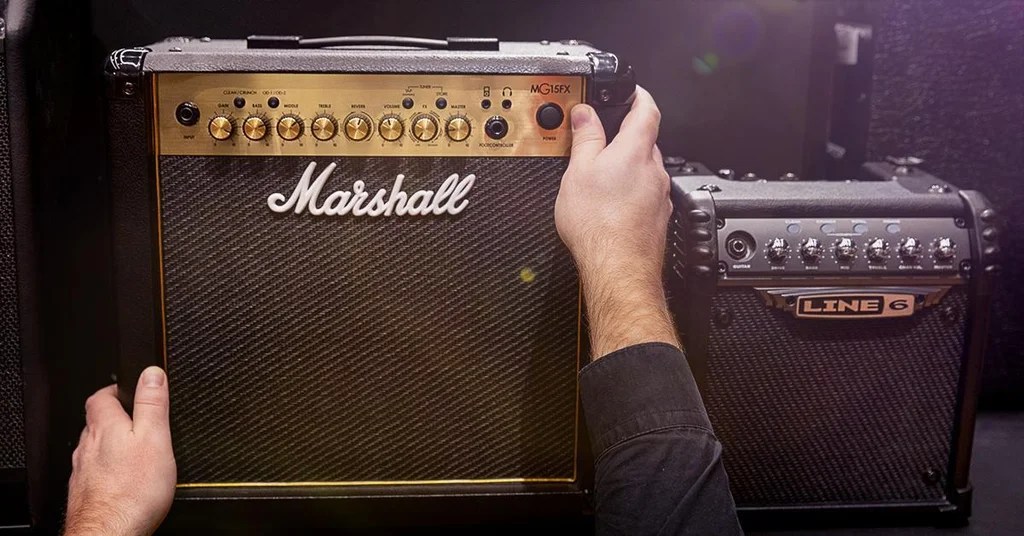
While mini amps may lack the sheer power and depth of a full-sized amp, they’re an excellent choice for players seeking a portable, compact solution with surprisingly rich tone. Plus, they pack far more sonic punch than their smaller counterparts, the micro practice amps.
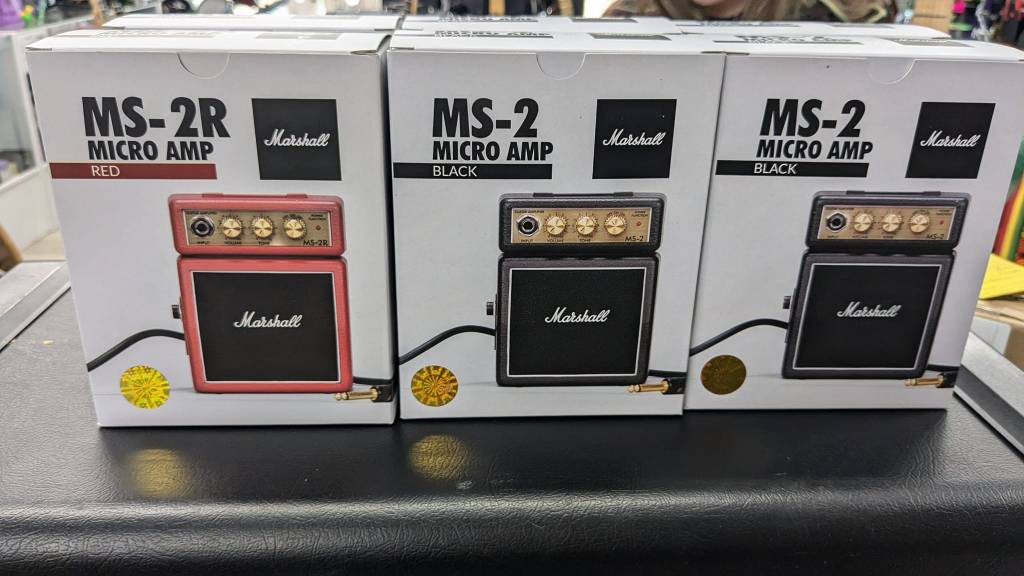
Micro Practice Amps: Good Things Come in Small Packages
Need an amp that’s perfect for bedroom jamming? Mini amps pack surprising punch in a compact size, giving you satisfying tone without shaking the walls.
Perfect for Practice: Mini amps are designed to sound great at lower volumes, so you can practice anytime without disturbing the household. They’re especially handy for those late-night inspiration bursts when you want to crank up some overdrive without waking anyone up.
Portable and Compact: These amps are small enough to take anywhere—from your bedroom to the park or even a friend’s house. Their compact size doesn’t mean they skimp on features, either; many mini amps come with effects, EQ controls, and even Bluetooth for easy play-along sessions.
Affordable Tone Exploration: Most mini amps won’t break the bank, so you can explore a variety of tones and amp styles without a big commitment. From classic clean sounds to crunchy distortion, these little guys can hold their own when it comes to tone.
Well, by no means think that you can amplify your guitar for a stadium or build a wall of sound for your next huge arena concert with a microamp. Yes, while they may not be suited for large gigs, mini amps are ideal for players who want a convenient, portable amp that’s perfect for practice, travel, and personal jamming.
The Other Amps
While amps are an iconic part of guitar playing—offering rich, dynamic sound and a physical presence that can be downright seductive—they also come with a few downsides. They can be pricey, heavy, and bulky, making them less than ideal for players seeking convenience or a tighter budget. But the good news? There are plenty of modern alternatives that may not be every purist’s first pick but are still excellent, innovative options to consider. Whether you’re after the versatility of modeling amps, the portability of mini amps, or the convenience of plug-in practice devices, there’s an amp alternative for nearly every player’s needs. Let’s dive into some of these interesting options and see what they bring to the table.
Modeling Amps: The Best of All Worlds?
If you’re the kind of player who likes to have a lot of options at your fingertips, modeling amps might be right up your alley. Modeling amps use digital technology to replicate the sounds of various famous amps, giving you a wide range of tones in one package.
- Versatility: Modeling amps are incredibly versatile. They can emulate the sound of classic tube amps, solid-state amps, and even specific effects pedals. This means you can go from a Fender clean tone to a cranked Marshall overdrive with just the turn of a knob.
- Built-In Effects: Many modeling amps come with built-in effects like reverb, delay, chorus, and more. This can save you money and space on your pedalboard, making them a great all-in-one solution for players who like to experiment with different sounds.
- Convenience: Modeling amps are often lighter and more portable than traditional tube amps, making them a great choice for players who need to travel or rehearse in different locations. Plus, they usually have features like headphone outputs and USB connections for easy recording.
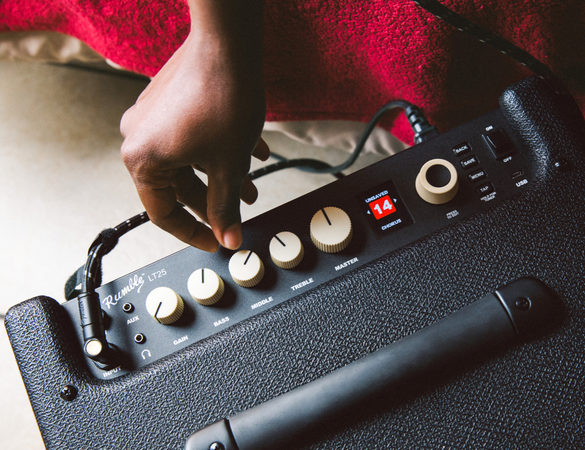
However, some purists argue that modeling amps can never truly replicate the warmth and feel of a real amp. While the technology has come a long way, there’s still a difference between a digital model and the real thing. But for many players, the convenience and flexibility of modeling amps make them a worthwhile option.
Plug-In Practice Amps: Tone in Your Pocket
Want to practice with full amp tones but keep things ultra-compact? Plug-in amps like the Fender Mustang Micro are a game-changer for players who need a no-fuss, go-anywhere setup.
Simple Setup, Big Sound: Just plug it straight into your guitar’s jack, pop on your headphones, and you’re ready to go. The Mustang Micro and other plug-in amps offer rich amp models, effects, and EQ settings—all in a device that’s barely bigger than a pack of gum.
Wide Range of Tones: These mini amps pack serious versatility. With options for clean, crunchy, and high-gain tones, along with reverb, delay, and modulation effects, you can switch sounds in seconds to suit your style and mood, from classic rock to modern metal.
Practice Anywhere: The beauty of a plug-in amp is its portability. You can practice in total silence at home, on the road, or wherever inspiration strikes—no lugging gear around, just pure tone through your headphones. Many models also have Bluetooth connectivity, letting you jam along with your favorite tracks wirelessly.
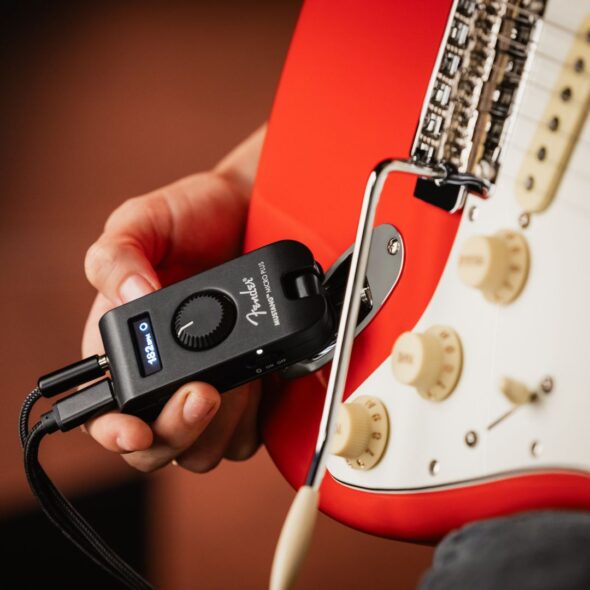
For players seeking a discreet, versatile way to practice without sacrificing sound quality, plug-in amps are an unbeatable tool. They’re perfect for quiet practice with headphones, traveling, and exploring tones anywhere, anytime.
Amp Simulations: Digital Tones for Modern Players
Want the sound of a classic amp without all the bulk? Amp simulations might be just the ticket. Software like AmpliTube lets you access iconic amp tones straight from your computer, offering a practical solution for players who need variety and portability.
Switching Between Classics: With amp simulations, you can seamlessly move from the clean tones of a Fender Twin to the high-gain punch of a Marshall stack—all with a click. This flexibility gives you a range of sounds that would take a roomful of real amps to match.
Affordable Variety: Simulations offer impressive tone without the high price tag or weight of physical amps. For the cost of one pedal, you gain a library of amp sounds, effects, and even cabinets, making it a budget-friendly choice for those who want to experiment.
Perfect for Home and Recording: Amp sims shine for home practice and recording. Most offer built-in effects, adjustable presets, and easy integration with recording software, making them perfect for capturing studio-quality sound at home.
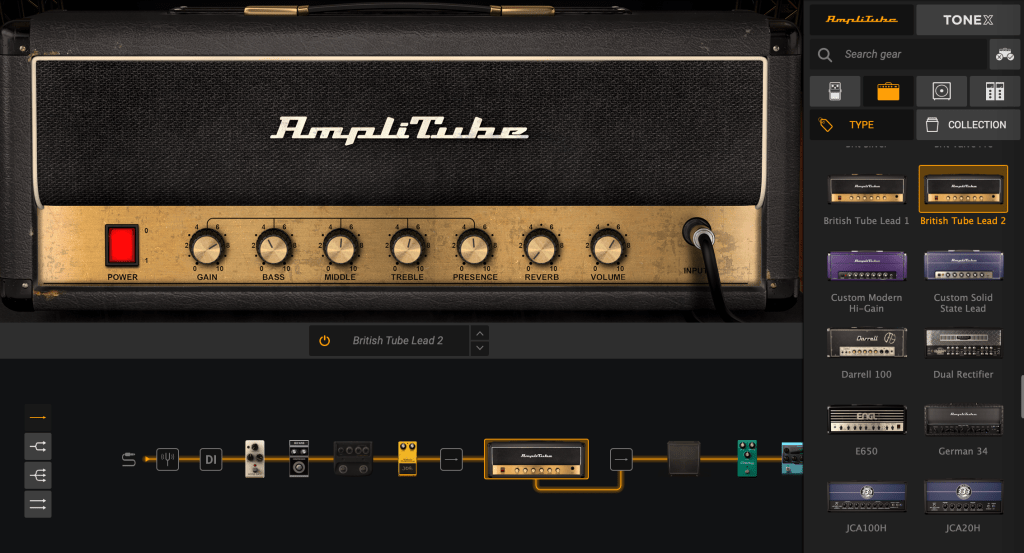
While purists may argue that nothing beats the feel of a real amp, amp simulations are an incredible option for players who crave tonal variety and convenience in one streamlined package.
Choosing the Right Amp for You
With so many amps out there, how do you choose the right one for you? Here are a few tips to help you find your perfect match:
- Consider Your Needs: Think about where and how you’ll be using your amp. If you’re gigging regularly, you’ll need something reliable and powerful enough to fill a venue. If you’re mostly playing at home, a smaller, lower-wattage amp might be a better fit.
- Try Before You Buy: If possible, try out different amps in person. Every amp has its own character, and what sounds great on paper might not be the best fit for your playing style. Spend some time playing through different amps to find one that speaks to you.
- Think About Your Budget: Amps can range from affordable to extremely expensive, so it’s important to set a budget before you start shopping. Remember that more expensive doesn’t always mean better—there are plenty of great-sounding amps at all price points.
- Consider the Tone You’re After: Different amps excel at different tones. If you’re after classic rock tones, a tube amp might be the way to go. If you need versatility, a modeling amp could be your best bet. Think about the sounds you want to create and choose an amp that can deliver.
- Look at the Features: Modern amps come with a range of features, from built-in effects to USB connectivity. Think about which features are important to you and choose an amp that meets your needs.
Conclusion: Your Tone, Your Amp
When it comes to choosing the right guitar amp, remember that it’s all about what feels and sounds best for you. Whether you’re after the rich warmth of tube amps, the reliability of solid-state, or the endless versatility of modeling amps, each type has something unique to offer. Don’t be afraid to experiment and explore—amps shape your tone as much as your guitar does. Take your time, try out different options, and you’ll soon find the perfect amplifier that brings out your best sound, whether on stage, in the studio, or right at home. Happy playing!
 oscaronguitars.com
Leave a comment