

Guitar tone is a fascinating and sometimes overwhelming subject for every guitarist. Personally, I’ve found it both exciting and daunting over the years. While some people—especially spouses—may not notice any difference between guitars, for us players, those differences in sound and feel can be night and day. When you pick up a Les Paul, you can hear that thick, full-bodied tone and feel the weight in your hands. In contrast, a Super Strat made of basswood feels feather-light, but the tone is less dense, lacking that same heft.
And then, there’s the hardware. Whether you’re using stock pickups or something higher-end like Seymour Duncan or DiMarzio, the tonal differences are real. Guitar construction affects sustain too, and there’s always some level of compromise to be made. This is why we often end up with 10 guitars (or more!) in the quest for the perfect sound.
But let’s take a closer look, because not everything about a guitar impacts tone equally, and there are a lot of misconceptions out there. In this article, we’ll dive into the myths and realities of guitar tone, covering everything from wood type and weight to finish and pickups, to help you better understand what really shapes the sound of your guitar.
Myths and Realities: What Actually Affects Your Tone?
1. Wood Type
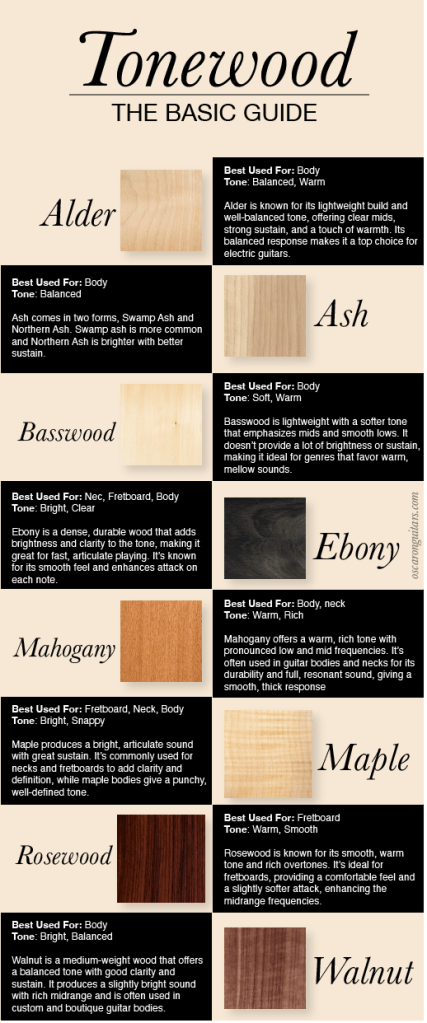
Guitar enthusiasts often debate whether the type of wood used in a guitar’s body or neck drastically influences tone. Terms like ash, alder, mahogany, and maple get thrown around frequently. But how much do these woods really contribute to your sound?
Myth: The wood type is the single most crucial element in determining a guitar’s tone.
Reality: Wood certainly plays a very important role, but there are other factors to take into account. Different woods have varying tonal characteristics due to their densities and grain structures. Mahogany, for example, offers a warm, mellow tone, while maple tends to produce a brighter, more articulate sound.
2. Wood Weight and Density
A denser piece of wood will have a different tonal profile than a lighter, more porous piece, even if they’re the same type. Wood density affects how vibrations move through the guitar body.
Myth: Heavier guitars have a better, more resonant tone.
Reality: It’s not as straightforward as lighter or heavier being inherently better. Some players lean toward lighter guitars for their acoustic resonance and airy feel, while others favor the sustain and depth that come with denser, heavier woods. For example, swamp ash is prized for its lightweight construction and bright, clear tone, whereas woods like mahogany or walnut offer more sustain and warmth due to their density. In the end, tone is subjective, and it all comes down to personal preference. Since I play more blues and Carlos Santana-inspired styles, I gravitate toward mahogany and heavier guitar bodies for their rich, sustaining tone.
| Wood Type | Pros | Cons | Price | Usage |
| Alder | Balanced tone, lightweight, affordable | Lacks deep lows, can be too neutral | Affordable | Body |
| Ash | Bright, airy tone, visually appealing grain | Can be heavy, susceptible to moisture | Moderate to expensive | Body |
| Mahogany | Warm, rich tone, good sustain | Heavier, sometimes dark in the mix | Moderate to expensive | Body, Neck |
| Maple | Bright, articulate tone, very strong | Can be too bright, heavy | Expensive | Neck, fretboard (sometimes body) |
| Rosewood | Smooth feel, warm tone, durable | More expensive, heavier | Expensive | Fretboard |
| Ebony | Smooth, fast feel, bright tone, durable | Very expensive, can be bright | Very expensive | Fretboard |
| Basswood | Lightweight, affordable, balanced tone | Lacks distinctive character, softer wood | Affordable | Body |
| Walnut | Warm tone, visually striking grain | Heavy, expensive | Expensive | Body Neck |
| Pau Ferro | Warm tone, similar to rosewood, smoother feel | Not as visually appealing as rosewood | Moderate | Fretboard |
| Laurel | Warm tone, affordable alternative to rosewood, smooth feel | Not as visually appealing, less durable than rosewood | Affordable | Fretwork |
3. Construction Type: Neck-Through vs. Bolt-On
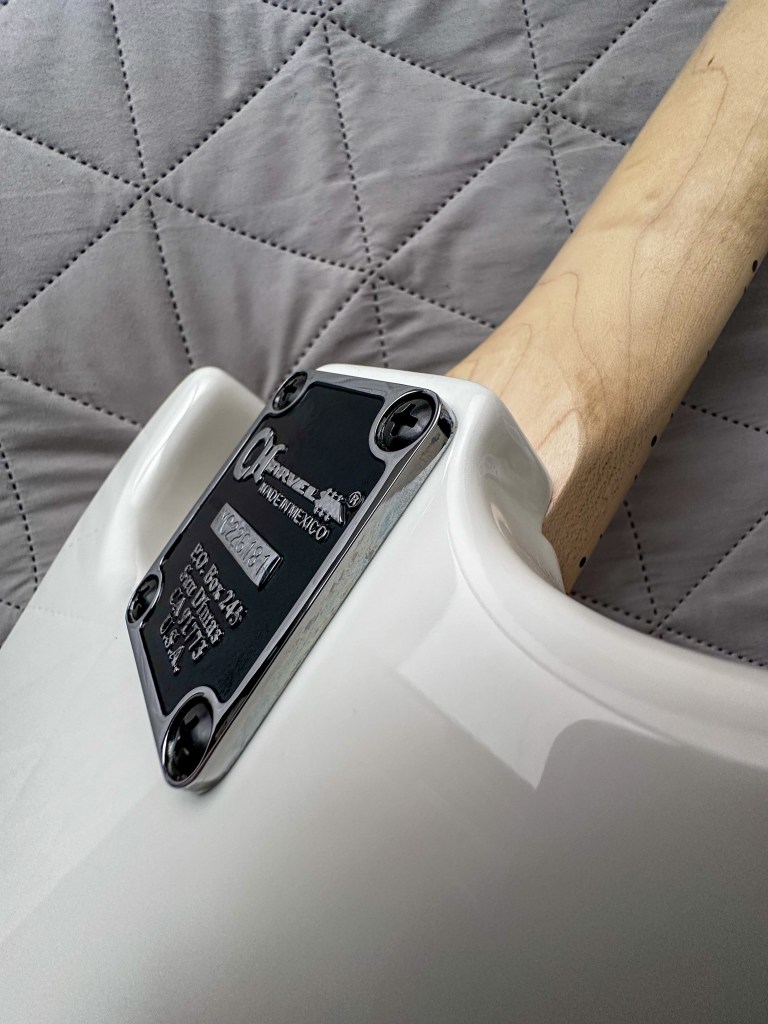
The way a guitar’s neck is attached to the body plays a crucial role in both tone and playability. Personally, I’m drawn to the long sustain and resonance of neck-through constructions, especially when paired with a dense, heavier wood—qualities that make a Les Paul perfect for what I look for in a guitar. However, I also appreciate the distinctive tone of bolt-on necks, which I find to have a more open, airy quality. While not necessarily lighter, bolt-on designs enhance the nasal character of single-coil pickups in a unique way. For me, it’s hard to say which is definitively better, but I can definitely hear the tonal differences depending on the construction of the guitar.
Neck-Through Construction: In this type, the neck extends through the entire length of the body, allowing for a seamless joint. Neck-through designs are praised for their superior sustain, smoother vibration transfer, and better overall resonance.
Bolt-On Construction: Bolt-on necks are screwed onto the body, making them easier to replace or adjust. Guitars with bolt-on necks (like the Fender Stratocaster) are known for their distinctive snap and attack, which is often favored in genres like rock and blues.
Myth: Neck-through guitars always sound better.
Reality: While neck-through designs typically offer better sustain, the tonal difference between bolt-on and neck-through construction can be minimal depending on other factors like wood and pickups. Bolt-on necks provide a punchier sound, making them ideal for specific styles. It all comes down to what sound you’re after.
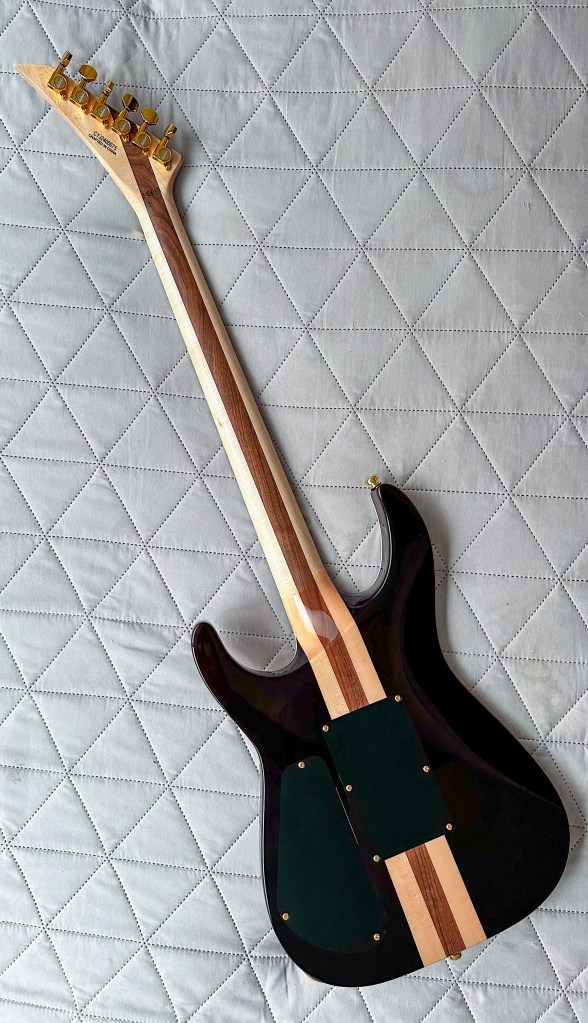
4. Finish: Nitrocellulose vs. Polyurethane
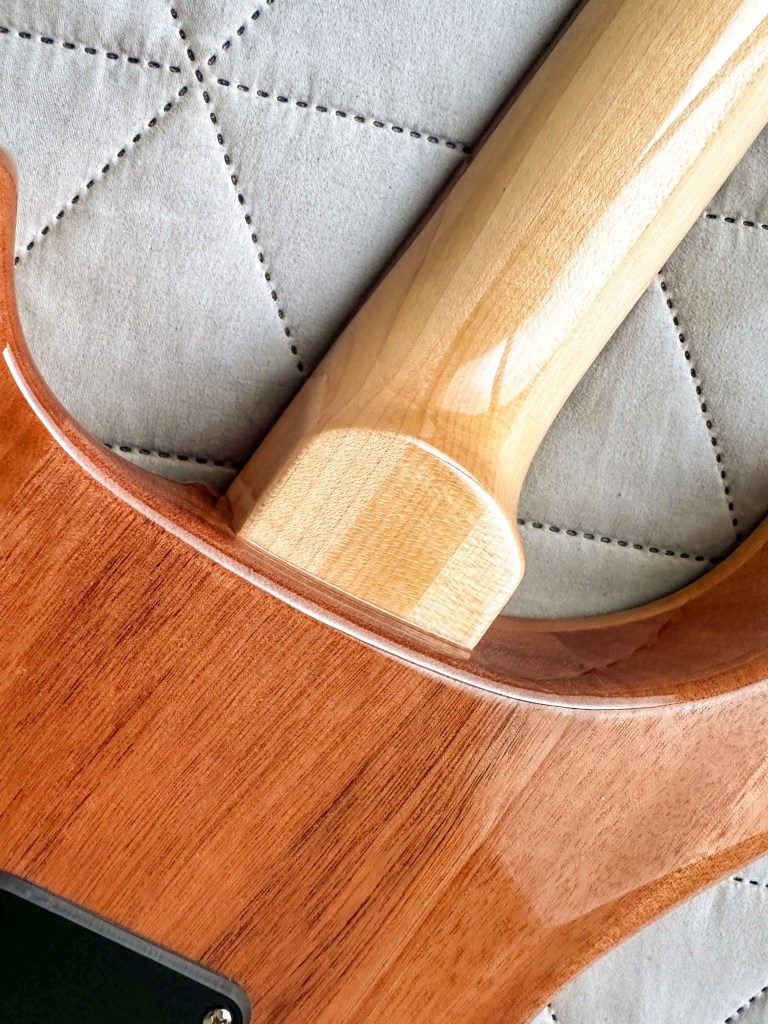
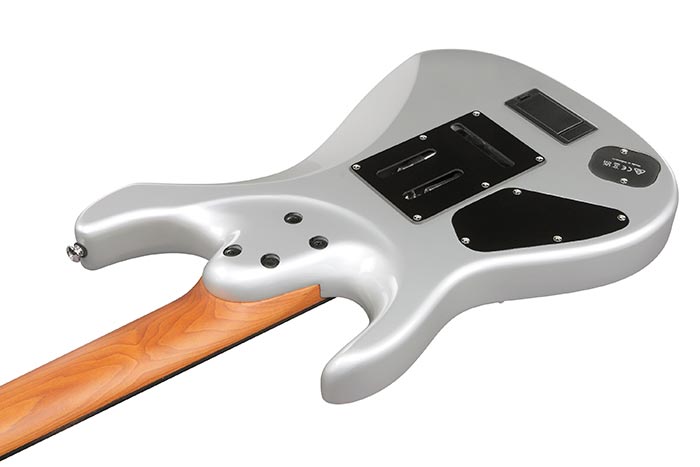
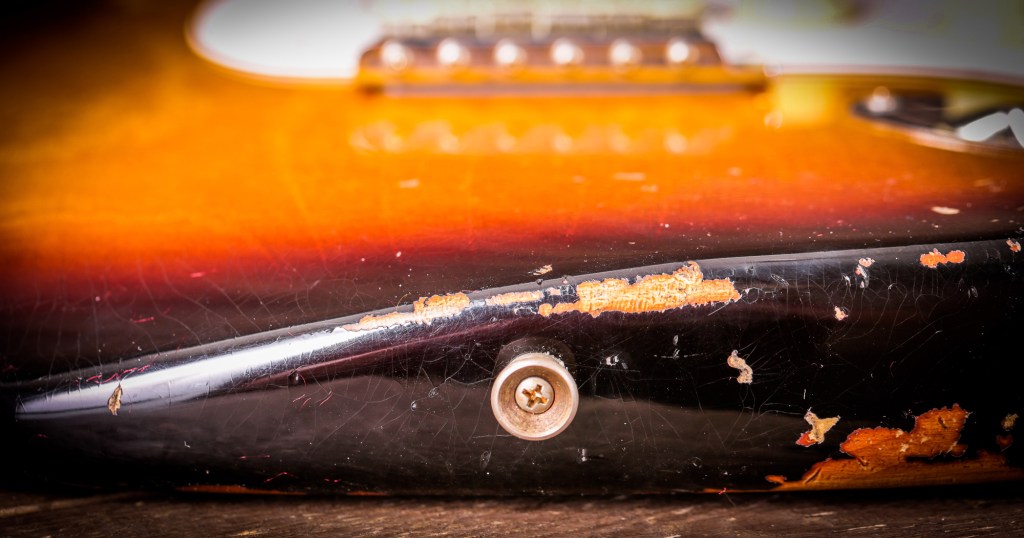
A guitar’s finish does more than just protect the wood and enhance its appearance—it can also influence the instrument’s sound. The two most common finishes are nitrocellulose and polyurethane. While many tone purists swear by the vintage appeal and resonance of nitrocellulose, I personally appreciate the durability and sleek look of polyurethane. Paul Reed Smith, a master luthier with decades of experience chasing the perfect tone, has strong opinions on this subject. He believes that the thinner the finish, the better the sound. Given his expertise and relentless pursuit of tonal perfection, it’s worth considering his advice.
Nitrocellulose Finish: This vintage-style finish is thinner and more flexible, supposedly allowing the wood to breathe and resonate. Many players swear by nitro finishes for their perceived superior tonal qualities.
Polyurethane Finish: This modern finish is thicker and more durable but is often criticized for “choking” the guitar’s tone due to its rigidity.
Myth: Nitrocellulose finishes always produce better tone than polyurethane.
Reality: While a nitro finish may allow for more natural resonance, the difference is often subtle and primarily noticeable in acoustic settings or when played unplugged. Polyurethane is more durable and resistant to wear, which is why many modern guitars use it. There’s no solid evidence on the tonal impact; it tends to affect the feel and aesthetics more than the sound itself.
5. Pickups
While the finish and wood type are often seen as major factors in shaping a guitar’s tone, they are subjective topics and frequently debated. Many players focus on wood as the single most important aspect, but the reality is that pickups are the most obvious and impactful tone shapers. The difference between a humbucker and a single-coil is nearly impossible to miss—the change in volume, the brighter or darker tonal quality, and, of course, the notorious hum from single coils versus the silent operation of humbuckers (hence the name).
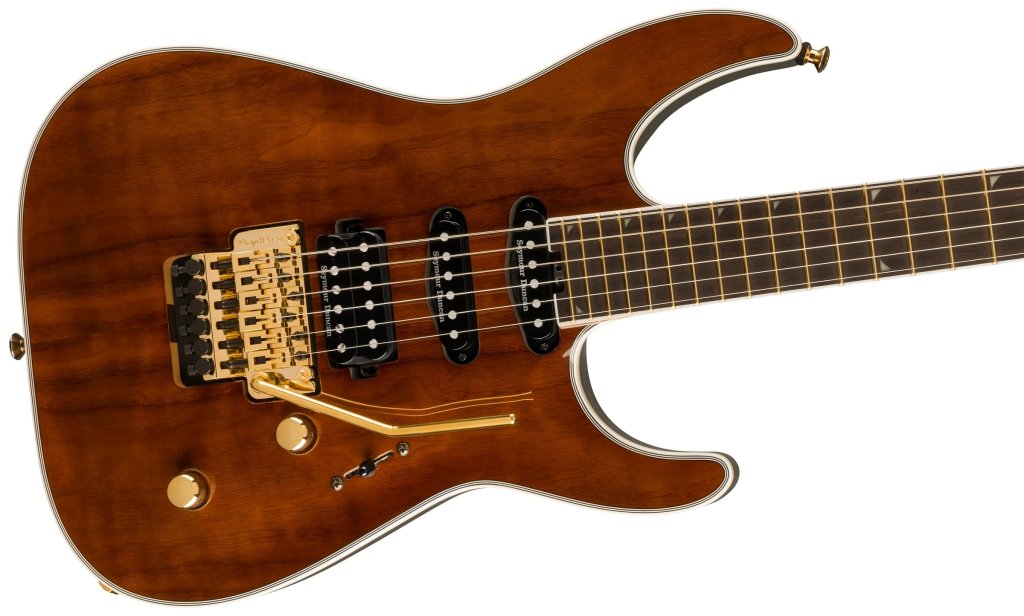
This Jackson guitar is equipped with both humbucker and single-coil pickups, offering a versatile range of tones.
Not all pickups within the same category sound alike either; variations in construction can drastically affect their tonal character. And some guitars even feature a mix of both single-coil and humbucker pickups, adding even more versatility to their sound. This topic is rich enough to warrant its own in-depth guide, but for now, here’s a quick breakdown:
- Single-Coil Pickups: Known for their bright, crisp sound with enhanced articulation and high-end clarity, but they’re prone to hum and noise.
- Humbuckers: These pickups eliminate hum while delivering a thicker, warmer tone with a strong mid-range presence.
- P90 Pickups: A hybrid between single-coils and humbuckers, P90s offer more bite than humbuckers, with less noise than single-coils.
Pickups play a huge role in shaping your guitar’s tone, serving as the essential link between string vibrations and amplified sound.
Myth: The wood of the guitar is more important than the pickups.
Reality: Pickups have a more direct and noticeable effect on tone than the wood itself. The type of pickup you use dramatically changes how your guitar sounds.
Conclusion: The Sum of Its Parts
So, what makes each guitar unique? The answer lies in the combination of factors: wood type and density, construction method, finish, and, most importantly, pickups. While each of these components adds its own flavor, the overall tone is the result of how these parts work together. The real secret to finding the perfect guitar tone is to experiment and see what feels and sounds right for you. It’s a deeply personal journey where the right combination of factors will bring out the sound you’re after.
Another crucial factor to consider, though not directly related to tone, is how comfortable the guitar is to play. No matter how great your tone is, if the instrument feels uncomfortable, you won’t enjoy playing it—or at least, you won’t play it as often as you could. But comfort is a topic that deserves its own discussion for another time.
Cheers!
 oscaronguitars.com
Leave a comment