

Buying a used guitar can be a game-changer for players at any level, offering unmatched value and unique finds. Imagine scoring a high-quality instrument that’s well within your budget, finding that well-aged tone with character, or uncovering a rare model you’d never see in stores. The used market opens up a world of possibilities that’s worth exploring for anyone who loves guitars. Let’s dive into why choosing secondhand could be your best move yet, and what you need to look out for to make the most of it.
Why Buy Used? The Benefits of Going Secondhand
1. Save Money:
Used guitars are almost always cheaper than their brand-new counterparts. You can often get a higher-end model for the price of a new mid-range guitar, which is a huge win if you’re looking for quality without breaking the bank.
2. Get a Well-Broken-In Instrument:
Guitars, like fine wine, often improve with age. As wood settles and finishes mellow, many believe the sound deepens. Since a guitar is mostly organic, time can enhance its tone. A well-maintained used guitar can deliver a richer, more mature sound than a brand-new one.
3. Find Rare or Discontinued Models:
Sometimes the guitar of your dreams isn’t being made anymore. Buying used opens up a whole world of rare, vintage, or discontinued models that you won’t find in stores.
What to Look for When Buying a Used Guitar
If you’re sold on the idea, let’s talk about what to look for to make sure you’re getting a good deal.
1. Inspect the Guitar’s Condition: A Thorough Check Is Key
First things first—give the guitar a good look over. Here’s what you need to check:
- Neck and Fretboard: Carefully inspect the neck for any warping or twisting, as these issues can seriously impact playability. If you’re considering a Gibson or Gibson-style guitar, examine the neck-to-headstock joint for cracks or structural flaws, as this area is prone to stress. Also, check the fretboard, focusing on the lower frets where wear is most common. While minor wear is normal, deep grooves can interfere with playability and may require a costly refret by a skilled luthier or technician.
- Body: Check for any cracks in the body, as these can signal serious issues. In the past, I’d have recommended watching for dings or heavy wear, but these days, a well-worn or “Relic” look is often desirable—so that part is up to you. Focus instead on spotting any signs of structural damage that could compromise the instrument’s integrity. While scratches or small dings are common, especially on older guitars, cracks or other significant damage should raise red flags.
- Hardware: Check the tuning pegs, bridge, and pickups. Make sure they’re in good working order and aren’t overly corroded. Replacing hardware can be costly, so make sure everything is functioning as it should.
- Electronics: If it’s an electric guitar, plug it in and test all the electronics. Listen for any crackling, buzzing, or dead spots when you turn the knobs or switch pickups. Bad electronics can be a hassle to fix.
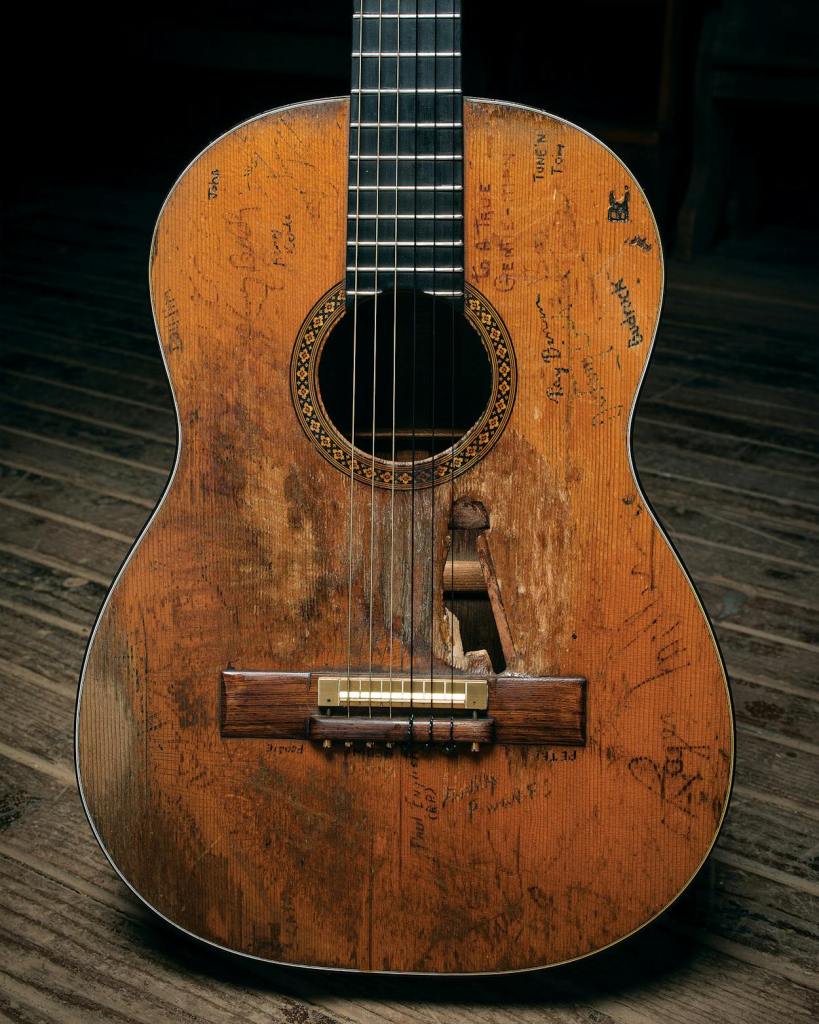
2. Check the Guitar’s History: Know Where It’s Been
Whenever possible, ask the seller about the guitar’s history. Find out how long they’ve owned it, whether it’s been gigged frequently or mostly kept at home, and if any modifications have been made. Understanding the guitar’s background can provide valuable insight into how it’s been treated and whether potential issues might arise down the line. Having original paperwork—such as receipts, manuals, tools, or stickers—is a bonus, adding to its authenticity and appeal. Guitars passed down through generations may not always be worth more financially, but they carry a unique history and character that make them special.
3. Play It Like You Own It: Feel Is Everything
Once you’ve checked the condition, it’s time to play the guitar. Spend some quality time with it—play a few of your favorite riffs, test out different styles, and see how it feels in your hands. Does the neck feel comfortable? Is the action too high or too low? Does the guitar stay in tune as you play? Remember, how the guitar feels and sounds to you is the most important factor.
4. Research the Model: Know What It’s Worth
Before you buy, do some research on the specific model you’re interested in. Look up reviews, check out what other used models are selling for, and see if there are any common issues with that particular guitar. This will help you gauge whether you’re getting a fair price and if there are any potential problems to be aware of.
Negotiating the Price: Don’t Be Afraid to Haggle
One of the benefits of buying used is that prices are often negotiable. Here are some tips for getting the best deal:
1. Be Polite but Firm:
When negotiating, always be polite and respectful. Express your interest in the guitar, but don’t be afraid to point out any flaws or reasons why you think the price should be lower. Be firm about what you’re willing to pay, but also be willing to walk away if the seller isn’t budging.
2. Use Cash as Leverage:
If you’re buying in person, offering to pay in cash can sometimes help you get a better deal. Cash is immediate and hassle-free for the seller, so they might be more willing to cut you a deal.
3. Know When to Walk Away:
If the price isn’t right or the guitar has too many issues, don’t be afraid to walk away. There are plenty of used guitars out there, and it’s better to wait for the right one than to settle for something you’re not completely happy with.

Avoiding Scams: Protect Yourself When Buying Used
Buying used, especially online, does come with certain risks. Even with a brand-new guitar, you might face issues like damage during shipping or simply not liking the feel of the instrument. With a used guitar, those risks increase significantly. My goal isn’t to discourage you from buying used but to help you approach it wisely. The key isn’t to avoid secondhand guitars altogether but to know how to protect yourself throughout the process. Here’s how:
1. Buy from Reputable Sources:
Whenever possible, buy from reputable sources like well-known music stores, trusted online marketplaces, or established sellers with good reviews. Be wary of deals that seem too good to be true, especially from unknown sellers.
2. Ask for Detailed Photos:
If you’re buying online, ask the seller for detailed photos of the guitar from all angles, including close-ups of the neck, body, hardware, and any wear or damage. This will help you get a better idea of the guitar’s condition before you commit.
3. Use Secure Payment Methods:
When buying online, use secure payment methods that offer buyer protection, like PayPal or credit cards. Avoid wire transfers or sending cash, as these methods offer no protection if something goes wrong.
Conclusion: Finding Your Perfect Used Guitar
Buying a used guitar can be a fantastic way to get a quality instrument at a fraction of the price of a new one. But it’s important to go in with your eyes open. Inspect the guitar carefully, play it to make sure it feels right, and don’t be afraid to negotiate the price. By taking your time and doing your homework, you can find a used guitar that not only saves you money but becomes a cherished part of your collection.
Happy hunting, and here’s to finding that perfect guitar that inspires you to play your heart out!
 oscaronguitars.com
Leave a comment