

Few guitarists have revolutionized the blues like Stevie Ray Vaughan. His electrifying energy, flawless rhythm, and fearless artistry set him apart. Covering Jimi Hendrix—a near-sacred challenge—he didn’t just succeed; he reinvented those legendary tracks, making them unmistakably his own. While his influences were evident, his style was refreshingly unique, and his tone, instantly recognizable. At a time when the blues risked fading into obscurity, Vaughan reignited its flame, sparking inspiration for a new wave of musicians.
His tragic, untimely death cemented his legendary status, but his life was a testament to resilience. Stevie faced his demons, overcame them, and emerged stronger, leaving a legacy that continues to resonate. Even Eric Clapton couldn’t ignore his brilliance—once stopping his car to learn the name of the guitarist behind the extraordinary sound he heard.
Stevie Ray Vaughan didn’t just play the blues; he embodied them. Let’s explore the story of the man who brought the genre back to life and redefined what it meant to play with heart and soul.
Here you can acces the full concert of Stevie Ray Vaughan & Double Trouble at the El Mocambo.
Early Beginnings and Musical Roots
Stevie Ray Vaughan, born on October 3, 1954, in Dallas, Texas, quickly rose to prominence as one of the most influential electric blues guitarists. Drawing deeply from the Texas blues tradition, Vaughan combined raw passion with technical prowess to redefine the electric blues genre. His initial interest in the guitar was sparked by his older brother, Jimmie Vaughan, and soon Stevie was outperforming his peers and setting the stage for a legendary career.
Double Trouble and Rising Fame
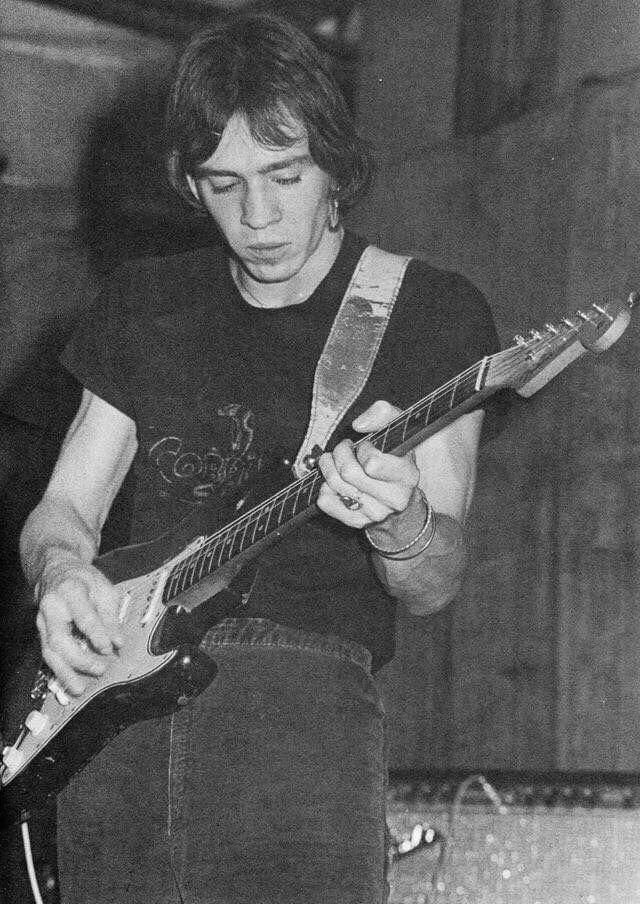
In 1978, Stevie Ray Vaughan formed Double Trouble, naming the band after an Otis Rush song that reflected his deep connection to classic blues. By the early 1980s, the trio—comprising Vaughan on guitar, Chris Layton on drums, and Tommy Shannon on bass—had become a powerhouse in the Texas blues scene, known for their electrifying live performances. Their reputation skyrocketed after an unforgettable set at the 1982 Montreux Jazz Festival, where Vaughan’s fiery playing stunned audiences and defied the festival’s typical jazz-oriented lineup.
Despite a mixed reaction from the crowd, the performance caught the attention of key figures in the music industry, including David Bowie, who invited Vaughan to play lead guitar on his iconic Let’s Dance album, and Jackson Browne, who was so impressed that he offered the band free recording time at his studio in Los Angeles.

Seizing this golden opportunity, Vaughan and Double Trouble recorded their debut album, Texas Flood, in just two days. Released in 1983, the album was a game-changer, blending blistering guitar solos, heartfelt blues vocals, and a contemporary energy that reignited global interest in the genre. Tracks like “Pride and Joy” and the title song “Texas Flood” showcased Vaughan’s unparalleled technical skill and emotional depth, earning him both critical acclaim and a devoted international following. The album not only launched Stevie Ray Vaughan’s career into the stratosphere but also cemented his place as a trailblazer who revitalized the blues for a new generation.
Iconic Tracks: The Legacy of a Guitar Master
Iconic Tracks That Define Stevie Ray Vaughan’s Legacy
Stevie Ray Vaughan’s discography is filled with tracks that exemplify his extraordinary talent, emotional depth, and groundbreaking contributions to the blues-rock genre. Here’s a closer look at some of the iconic songs that solidify his legacy:
“Pride and Joy”
Arguably one of Vaughan’s most recognizable tracks, “Pride and Joy” is a love song to the blues itself, brimming with infectious energy and dazzling guitar work. The track, from his debut album Texas Flood, showcases his ability to blend traditional 12-bar blues with a modern, upbeat groove. Vaughan’s percussive rhythm playing and fluid lead lines are perfectly complemented by his raw, emotive vocals. The song’s lively shuffle beat and memorable riffs have made it a staple of his live performances and a must-learn for aspiring blues guitarists.
“Texas Flood”
A reimagining of a classic blues standard originally recorded by Larry Davis, Vaughan’s rendition of “Texas Flood” transformed the song into a powerful, slow-burning anthem. The track is a showcase of Vaughan’s remarkable phrasing and his ability to convey profound emotion through his guitar. His bends, vibrato, and dynamic control make every note drip with intensity, evoking the raw power of a literal and emotional deluge. This song quickly became synonymous with Vaughan’s name, establishing him as a torchbearer for traditional blues in the modern era.
“Scuttle Buttin’”
A blistering instrumental from the album Couldn’t Stand the Weather, “Scuttle Buttin’” is a testament to Vaughan’s technical mastery and lightning-fast fingerwork. Clocking in at under two minutes, this high-octane track is a whirlwind of intricate picking and fretboard gymnastics. The song’s frenetic pace and precision require exceptional skill, making it a favorite among guitarists looking to challenge their abilities. Vaughan’s effortless execution of complex licks underscores his status as a virtuoso, proving that he could dazzle audiences without the need for lyrics.
“Little Wing”
Stevie Ray Vaughan’s instrumental cover of Jimi Hendrix’s “Little Wing,” featured on The Sky Is Crying, is often regarded as one of the finest tributes to Hendrix ever recorded. Vaughan stripped the song of vocals, allowing his guitar to do all the storytelling. His interpretation is both a faithful homage and a deeply personal reimagining, imbued with delicate nuance and breathtaking expressiveness. From ethereal, bell-like tones to cascading, emotion-filled runs, Vaughan’s rendition captures the spirit of Hendrix while adding his unique voice to the piece. It stands as a masterclass in how to honor a legend while making a song entirely one’s own.
Each of these tracks not only highlights Stevie Ray Vaughan’s technical prowess but also his unparalleled ability to infuse every note with soul and authenticity. They remain timeless examples of his artistry and are cornerstones of his enduring legacy in the world of blues and beyond.
Gear and Style: The Tools of a Blues Legend
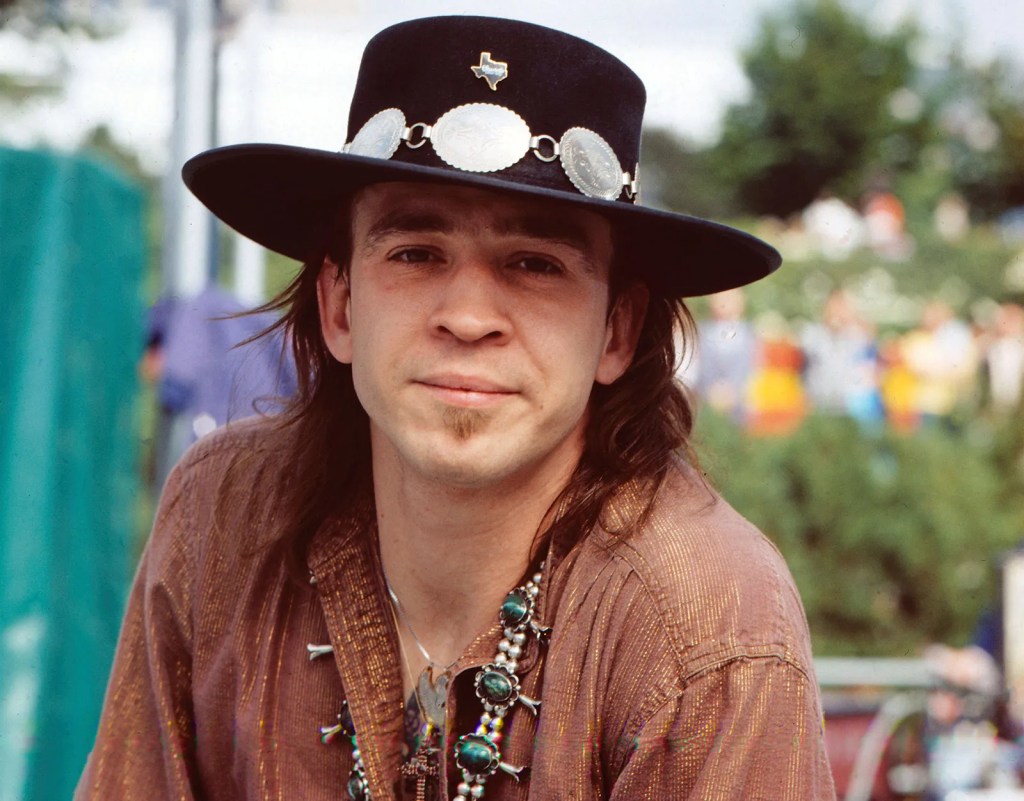
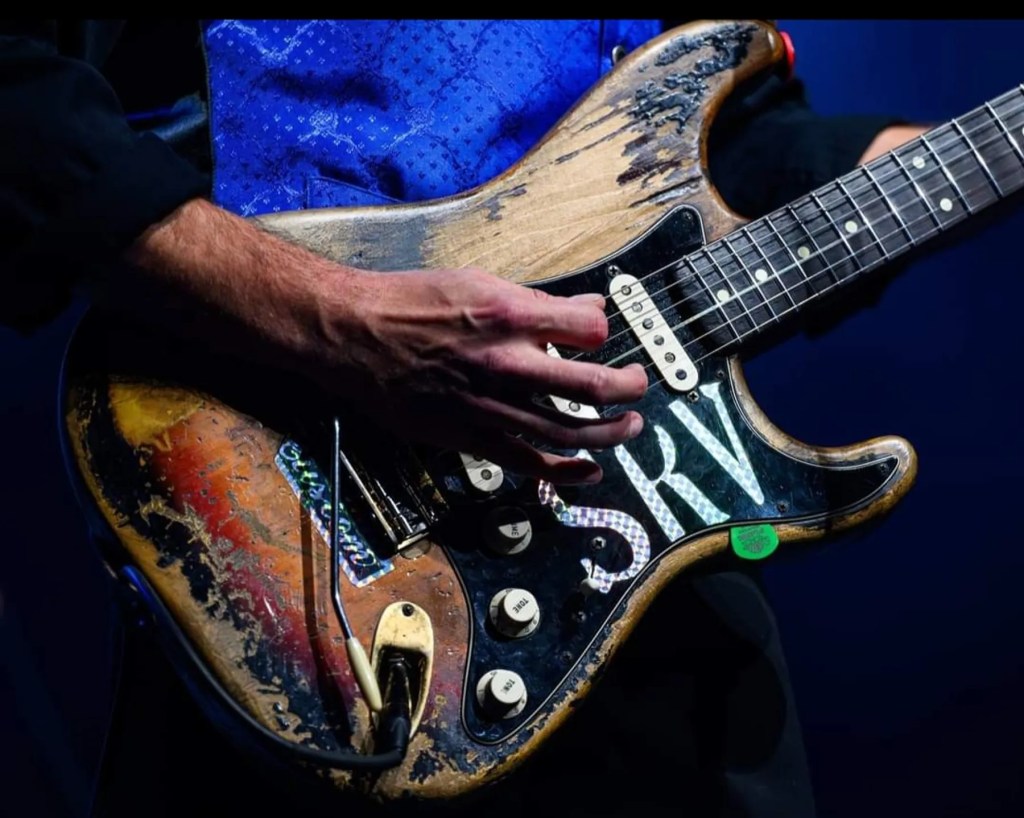
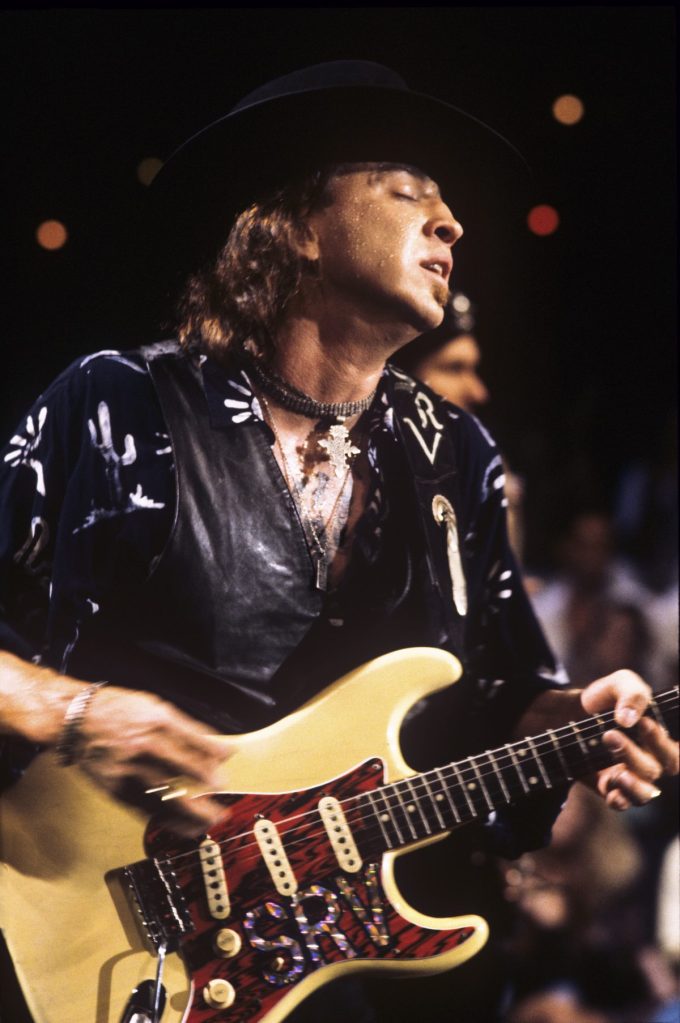
Stevie Ray Vaughan’s name has become synonymous with his iconic Fender Stratocaster, affectionately nicknamed “Number One” or “First Wife.” This 1963 Strat, modified with a 1962 neck, was Vaughan’s most treasured instrument, bearing the battle scars of relentless use on stage and in the studio. The guitar’s worn finish, chipped body, and personalized touches—like the “SRV” initials emblazoned on the pickguard—are testaments to its central role in his career.
What set Vaughan apart wasn’t just his choice of instrument but how he used it. His ferocious playing style, combining finger-straining string bends, rapid-fire licks, and precise picking, demanded the durability and responsiveness of “Number One.” Vaughan’s signature string gauge setup was legendary in itself—he often used strings as heavy as .013 to .058, a rarity in an era where lighter gauges were more common. This heavy gauge contributed significantly to his thick, resonant tone, allowing for deep, soulful bends and a percussive attack that defined his playing.
Vaughan’s mastery extended to his equipment as well. He was a devoted user of Ibanez Tube Screamer pedals, particularly the TS-808 and TS9 models, which added a smooth, warm overdrive to his sound without compromising clarity. This pedal, paired with his arsenal of Fender amplifiers, including Vibroverbs and Super Reverbs, provided the perfect combination of warmth, grit, and dynamics. His tone struck a balance between vintage warmth and a razor-sharp attack, making it instantly recognizable.
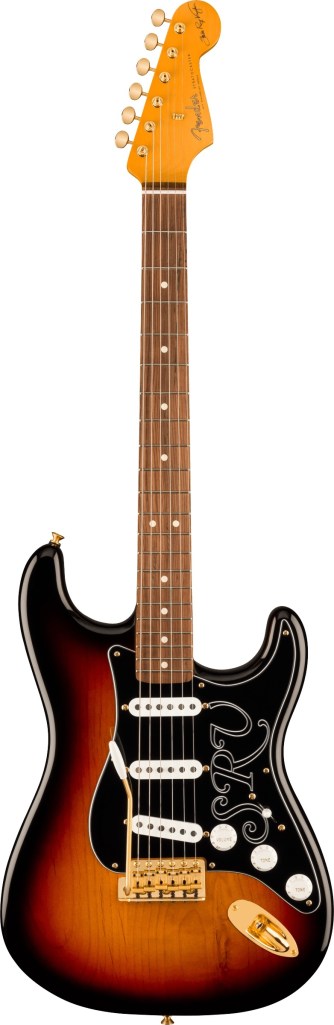
Beyond the gear, Vaughan’s aggressive use of vibrato and tremolo techniques amplified his emotive playing. Whether ripping through fiery solos or delivering slow, soulful blues, he coaxed an incredible range of tones from his Stratocaster, breathing life into every note. For Vaughan, “Number One” wasn’t just a guitar—it was an extension of his soul, integral to his artistry and the unforgettable legacy he left in the blues and rock worlds.
Influence and Impact
Stevie Ray Vaughan played a pivotal role in the revival of the blues genre during the 1980s, breathing new life into a style of music that had seen its mainstream prominence wane in previous decades. With his fiery passion, technical mastery, and unwavering dedication to the blues tradition, Vaughan not only preserved its roots but also modernized its sound, making it accessible to a new generation of listeners. His music served as a bridge between traditional blues and contemporary rock, seamlessly blending the soulful, emotional depth of legends like Albert King, Muddy Waters, and B.B. King with the raw energy and flair of rock icons such as Jimi Hendrix.
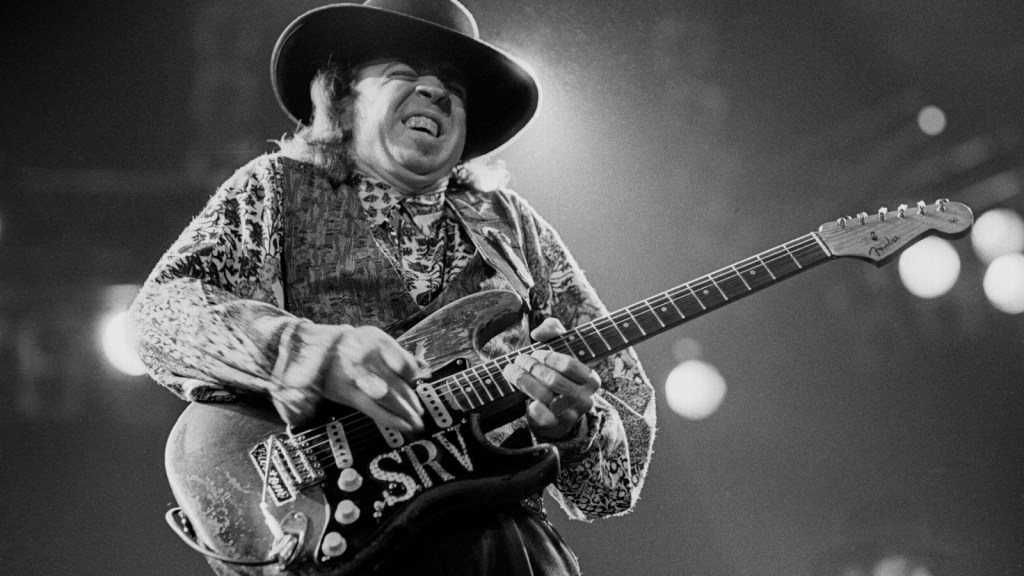
Vaughan’s timing was serendipitous. By the 1980s, the blues had largely retreated from the spotlight, overshadowed by the rise of pop, disco, and hard rock. Yet Vaughan’s arrival marked a resurgence of interest in the genre, as he brought blues back into the mainstream with albums like Texas Flood and Couldn’t Stand the Weather. His electrifying performances on tracks such as “Pride and Joy” and “Scuttle Buttin’” showcased his virtuosic guitar skills, while songs like “Tin Pan Alley” demonstrated his ability to channel raw, emotional storytelling through music.
What set Vaughan apart was his authenticity. While many artists of the time dabbled in blues-inspired music, Vaughan lived and breathed the genre. He respected its traditions while fearlessly pushing its boundaries, experimenting with tone, phrasing, and arrangements that resonated with younger, rock-oriented audiences. His ability to straddle these worlds made him a catalyst for the blues-rock movement, inspiring countless guitarists, from John Mayer to Kenny Wayne Shepherd, to pick up their instruments and delve into the blues.
Beyond his technical prowess, Vaughan’s sheer charisma and stage presence drew people into the world of blues. His performances were more than just concerts—they were spiritual experiences that showcased the genre’s enduring power. By infusing the blues with his unique voice and introducing it to a broader, often younger audience, Stevie Ray Vaughan didn’t just revitalize a genre; he ensured its survival for future generations.
Tragic Loss and Lasting Legacy
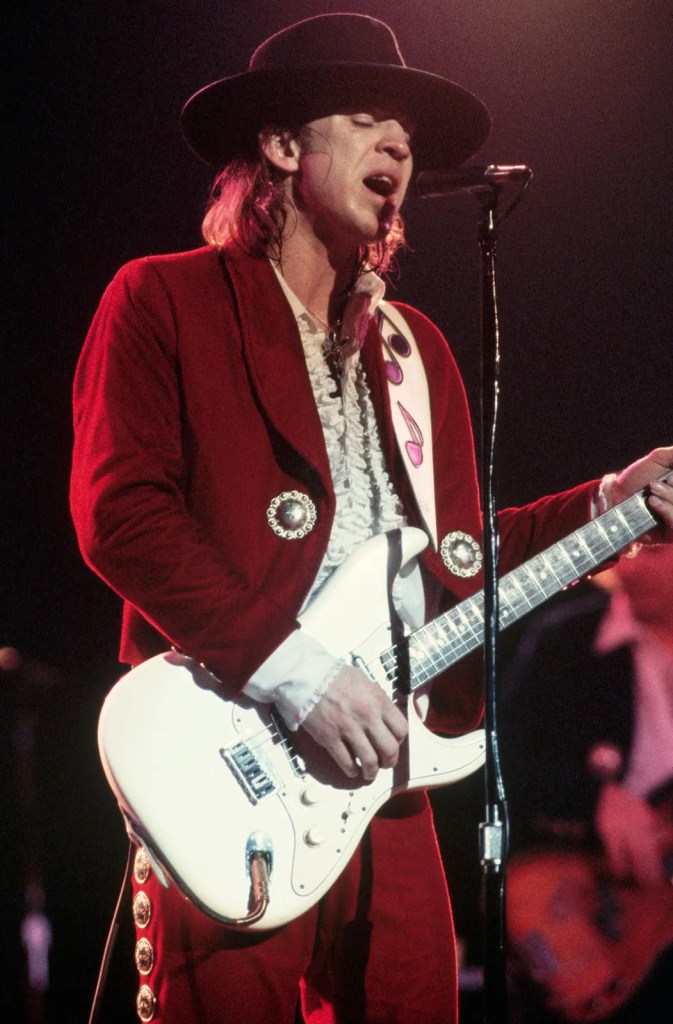
Stevie Ray Vaughan’s life and career came to a tragic and untimely end on August 27, 1990, when he died in a helicopter crash after performing at a star-studded concert at Alpine Valley Music Theatre in Wisconsin. He was just 35 years old, at the peak of his career and artistic mastery. Vaughan had been part of an all-star lineup that evening, sharing the stage with blues and rock legends such as Eric Clapton, Buddy Guy, Robert Cray, and his brother Jimmie Vaughan. The loss was devastating, not only to the music world but also to millions of fans who had come to admire him as both an artist and a person.
Despite his brief career, Vaughan’s influence on music remains profound and far-reaching. His work revitalized the blues, bringing it back into the mainstream and inspiring countless musicians to explore its rich history and emotional depth. Vaughan’s guitar skills were nothing short of revolutionary—his technical proficiency, coupled with his innate ability to channel raw emotion into every note, set him apart from his peers. He didn’t just play the blues; he lived it, pouring his struggles, triumphs, and soul into his music.
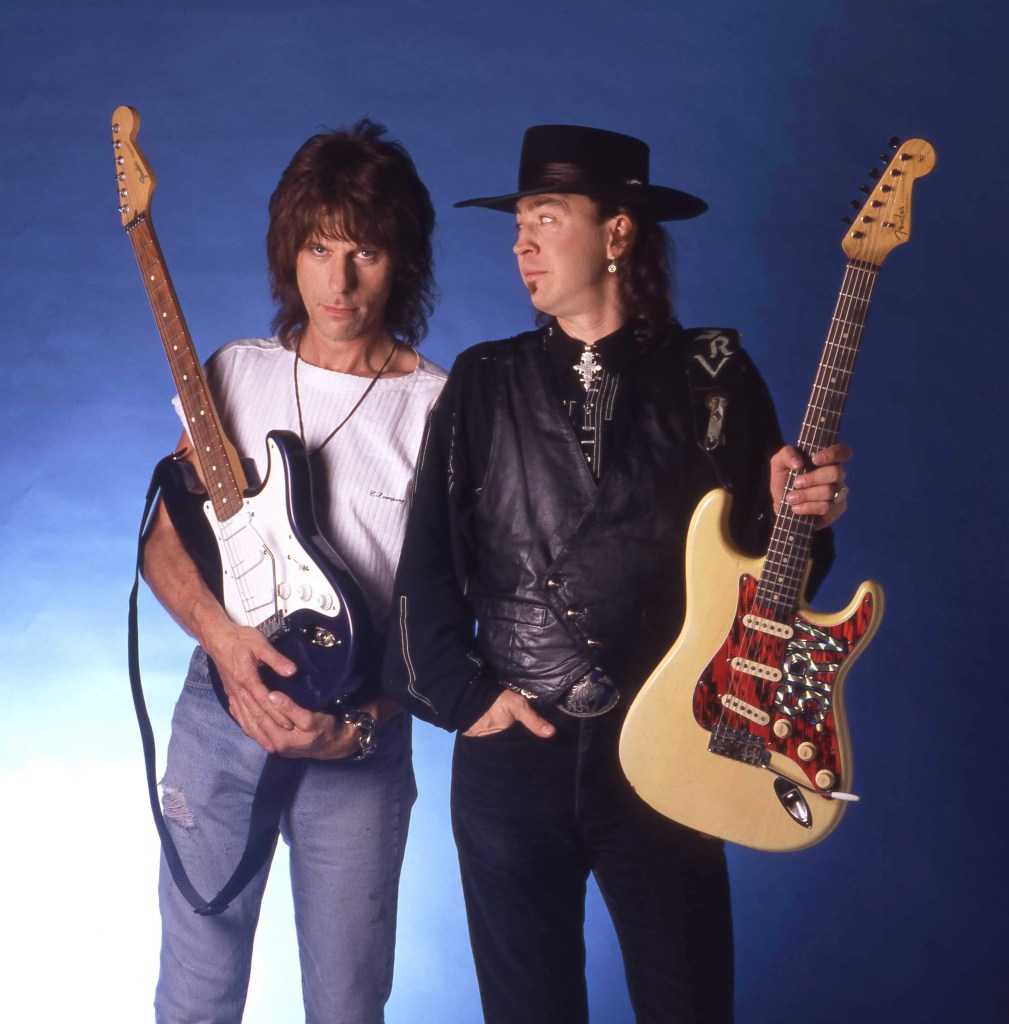
Vaughan was more than a guitar virtuoso. He was a storyteller, using his instrument as a voice to express the complexities of the human experience. Whether it was the joyous groove of “Pride and Joy,” the melancholic beauty of “Lenny,” or the haunting introspection of “Life Without You,” Vaughan’s music resonated deeply with listeners. His ability to convey profound emotional truths—pain, love, resilience—through his music has cemented his legacy as one of the most authentic and heartfelt musicians of all time.
His tragic death only amplified his status as a blues legend, placing him among the pantheon of artists whose influence transcends generations. Vaughan’s posthumous honors, including his induction into the Rock and Roll Hall of Fame in 2015, are testaments to his enduring legacy. For fans and musicians alike, Stevie Ray Vaughan remains an icon of raw talent, emotional honesty, and the transformative power of music.

A Legacy That Endures
Stevie Ray Vaughan’s story is one of raw talent, relentless dedication, and a deep connection to the music that shaped him. Though his time was tragically cut short, his legacy endures as a beacon for musicians and fans alike. Vaughan didn’t just play the blues; he embodied it, channeling life’s struggles and triumphs through his guitar with a passion that transcended notes and chords. His ability to bridge the traditional blues of his heroes with modern rock ensured the genre’s survival and evolution, inspiring countless artists to follow in his footsteps.
Even decades after his passing, Vaughan’s influence continues to reverberate. His music remains a testament to the power of authenticity and the universal language of emotion. From his blistering solos to his soulful phrasing, every note he played left an indelible mark on the world of music. For those who listen, Stevie Ray Vaughan offers more than entertainment; he provides a masterclass in artistry, perseverance, and the timeless beauty of the blues. His story serves as a reminder that while legends may leave us, their spirit lives on, forever etched into the fabric of our culture.
Bonus Track: 10 Stevie Ray Vaughan Insights
- Musical Family: Grew up in a musical family with his brother, Jimmie Vaughan, also a renowned blues guitarist.
- Early Talent: Showed prodigious musical talent from a very young age and was considered a guitar prodigy.
- Signature Sound: Known for his heavy use of vibrato, expressive bends, and soulful vibrato.
- Grammy Awards: Won multiple Grammy Awards for his recordings, underscoring his impact on the music industry.
- Influences: Heavily influenced by blues legends like Albert King and Buddy Guy, as well as by rock guitarists like Jimi Hendrix.
- Recovery and Redemption: Overcame severe alcohol and drug addiction, returning to music with renewed focus and sobriety.
- Posthumous Honors: Inducted into the Rock and Roll Hall of Fame in 2015, confirming his status as a music legend.
- Dedicated Following: Continues to have a dedicated fan base, with his music still widely played and revered.
- Legacy Projects: Numerous tribute concerts and albums have been dedicated to his memory, highlighting his lasting influence.
- Cultural Icon: Regarded as a symbol of Texas and its rich musical heritage, embodying the spirit and soul of American blues music.
Dive into the electrifying blues of Stevie Ray Vaughan with this playlist, showcasing his iconic riffs, soulful tones, and legendary tracks.

 oscaronguitars.com
Leave a comment