
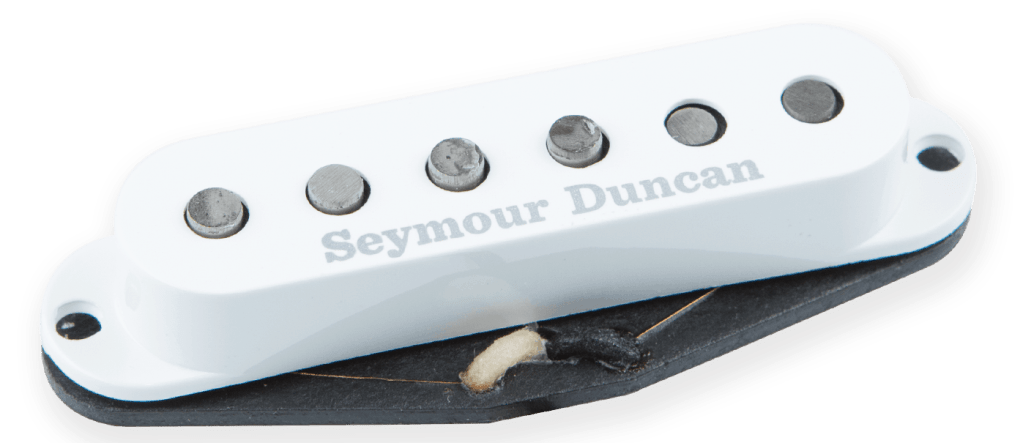
Alnico pickups are the heart of classic guitar tone, known for their warm, dynamic sound. But what’s behind the name “Alnico”? Let’s explore the origins, how they compare to ceramic pickups, and the differences between Alnico types like II, V, and more.
What Are Alnico Pickups? The Origins
Alnico is an acronym for Aluminum (Al), Nickel (Ni), and Cobalt (Co)—the key metals used in these magnets that were revolutionary for their strength and magnetic stability.
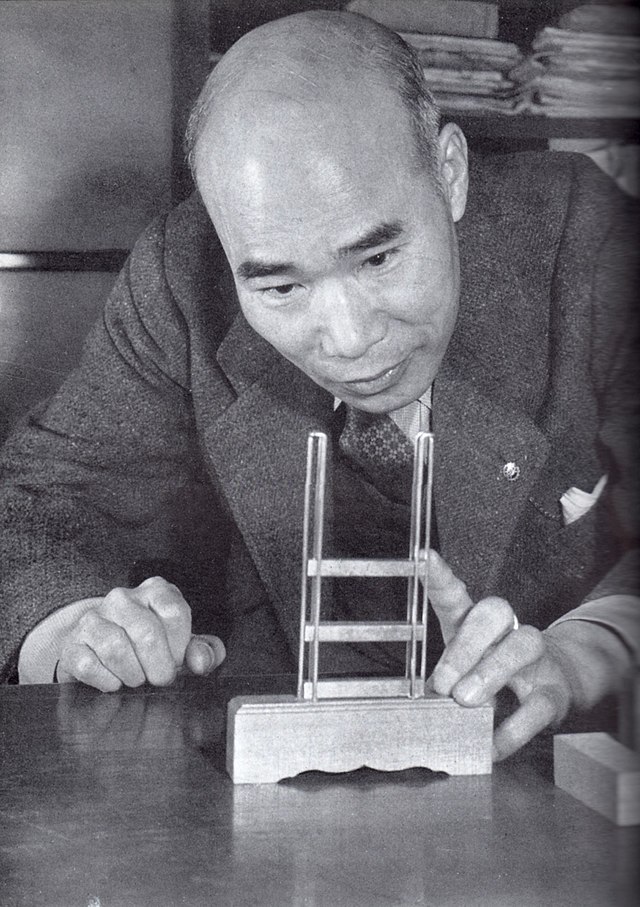
The development of Alnico magnets themselves can be traced back to the 1930s. Japanese scientists Tokushichi Mishima and his team are credited with the discovery of Alnico alloys. These magnets were originally developed for industrial uses, due to their strong magnetic properties.
Guitar manufacturers soon realized the potential of these new magnets, particularly for use in electric guitar pickups. Fender and Gibson, two major pioneers in the electric guitar world, were among the first companies to incorporate Alnico magnets into their pickups during the 1940s and 1950s. These pickups produced a warmer, more dynamic sound than the other magnetic materials available at the time, which is why they became a standard in many iconic electric guitars.
Why Are Alnico Pickups Better Than Ceramic?
One of the big debates among guitarists is the comparison between Alnico and ceramic pickups. Let’s break down why Alnico pickups often come out on top:
- Warmer Sound: Alnico magnets produce a warmer, more organic tone. Ceramics, on the other hand, tend to be punchier and sometimes harsher. For players chasing vintage or bluesy tones, Alnico pickups offer that round, smooth warmth that’s highly prized.
- Dynamic Sensitivity: Alnico pickups are more responsive to how hard or soft you play. This gives you greater control over your sound, allowing subtle nuances in your picking to shine through. Ceramic pickups, in contrast, are generally more compressed and less expressive in this regard.
- Natural Compression: Alnico pickups compress naturally as you dig into the strings. This can create a pleasing, smooth attack without harsh edges. Ceramics, while louder and more aggressive, don’t have this same natural compression, which can make them feel more rigid.
- Clarity and Transparency: Many guitarists find Alnico pickups to be more transparent, allowing the character of the guitar and the player to come through. Ceramic pickups tend to have a more modern, high-gain tone that can mask some of the guitar’s natural characteristics.
Understanding the Alnico Numbers (II, III, V, etc.)
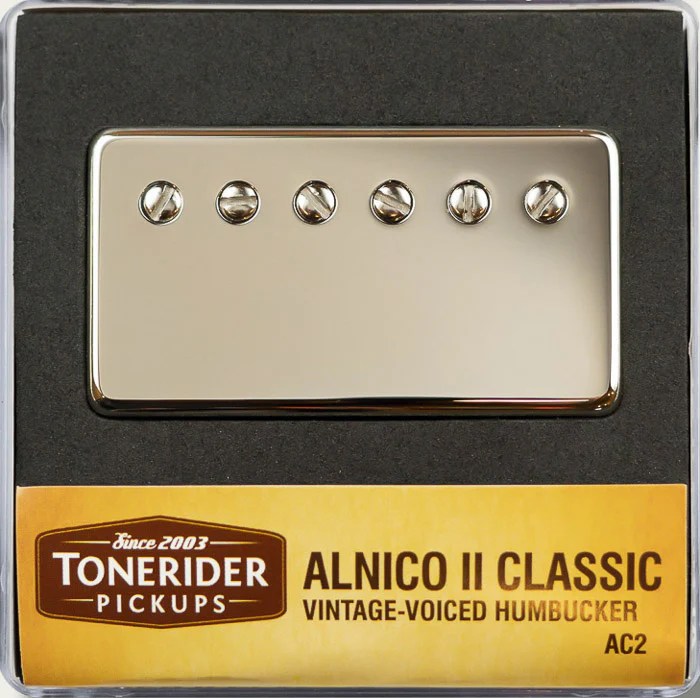
When you see terms like Alnico II, III, or V, it’s referring to the specific blend of metals in the magnet, which affects the tone and feel of the pickup. Here’s a breakdown of the most common Alnico types:
- Alnico II: Known for its soft, vintage feel, Alnico II magnets have lower magnetic strength, resulting in a smoother, less aggressive tone. These pickups are perfect for players looking for a mellow, vintage sound with rich midrange and smooth highs. You’ll often find Alnico II in vintage-styled pickups and guitars meant for blues or classic rock.
- Alnico III: This is the weakest of the Alnico magnets, offering a soft and warm tone with a slightly looser feel. These pickups are rare but have a unique character, especially when paired with hollow-body guitars or vintage jazz tones.
- Alnico V: By far the most popular type, Alnico V magnets have a stronger magnetic pull, resulting in a more powerful, articulate sound with better clarity and brighter highs. They offer a nice balance between vintage warmth and modern punch. These pickups work well for rock, pop, and other styles that demand a bit more edge without sacrificing warmth.
- Alnico IV: Less common but known for balancing between II and V, Alnico IV magnets are a great choice for those who want clarity but with a touch of the vintage vibe.
Each of these Alnico grades gives a distinct tonal flavor, so choosing the right one depends on your playing style and the sound you’re chasing.
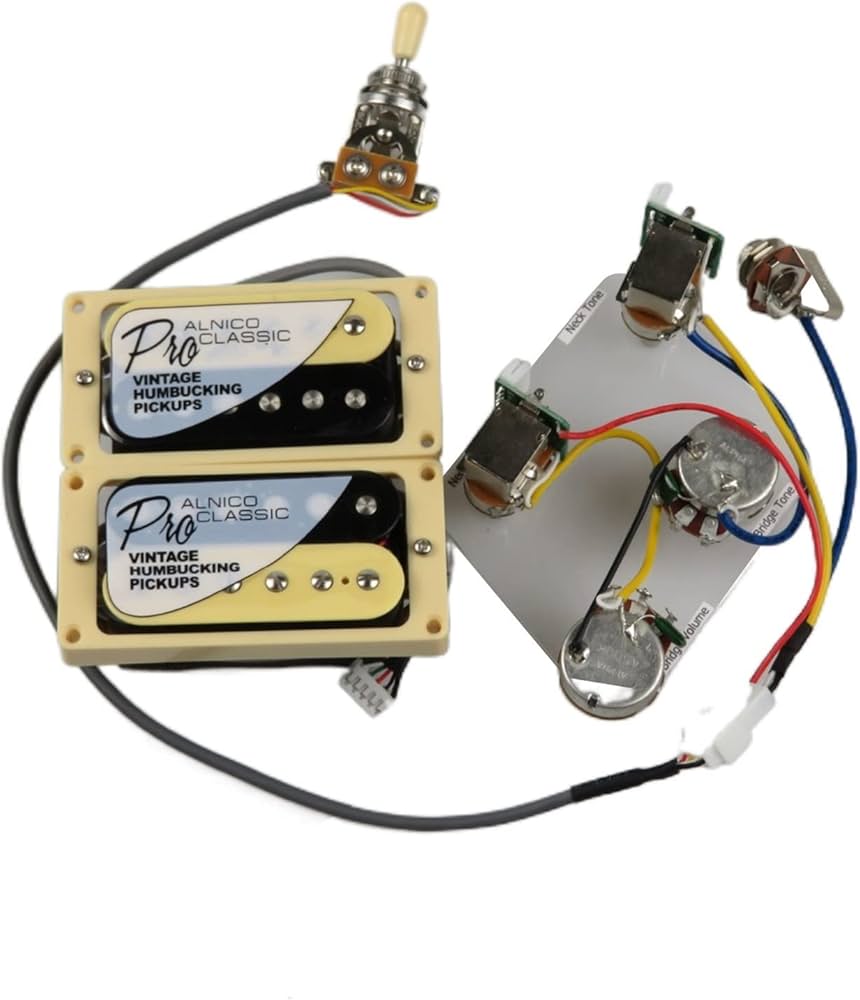
Alnico vs. Ceramic in Different Genres
Alnico pickups are beloved in genres like blues, jazz, and classic rock, where dynamics, warmth, and expression are key. In these styles, players want their guitar to feel alive, responding to every nuance in their playing.
On the other hand, ceramic pickups often excel in high-gain genres like metal, punk, and modern rock. Their higher output and more compressed, aggressive sound cut through loud, distorted mixes, making them great for shredding or heavy riffing. But for those seeking a more “vintage” voice, Alnico remains the go-to.
Pros and Cons of Alnico Pickups
Pros
- Warm and Organic Tone
- Alnico pickups produce a smooth, vintage-inspired sound ideal for blues, jazz, and classic rock.
- Dynamic Responsiveness
- Highly sensitive to playing nuances, allowing expressive control over tone.
- Natural Compression
- Provides a softer attack with rounded edges, perfect for mellow and nuanced performances.
- Versatile Tonal Options
- Different Alnico grades (II, III, V, etc.) offer diverse soundscapes for various genres and playing styles.
- Clarity and Transparency
- Maintains the guitar’s natural characteristics, highlighting both the player and the instrument.
Cons
- Lower Output
- Compared to ceramic pickups, Alnico magnets have a weaker magnetic pull, which may result in lower volume or less aggressive tones.
- Price
- Alnico pickups are often more expensive due to their materials and manufacturing processes.
- Limited Suitability for Modern Genres
- They may lack the high-output punch needed for metal, punk, or other high-gain styles.
- Delicate Balance with String Pull
- The magnetic pull of stronger Alnico grades like V can impact string sustain if not carefully calibrated.
- Vintage Focus
- While great for classic tones, they may not satisfy players looking for modern, cutting-edge sound profiles.
Conclusion: The Alnico Legacy
Alnico pickups have become the gold standard for those who prioritize a rich, expressive tone that captures the soul of their playing. While ceramic pickups may excel in certain modern contexts with their louder, more aggressive sound, Alnico’s warmth, dynamic response, and tonal versatility make it the preferred choice for many guitarists. Understanding the differences between Alnico II, III, V, and other grades helps players fine-tune their sound, whether they’re seeking smooth vintage vibes or something with a little more bite.
 oscaronguitars.com
Leave a comment