
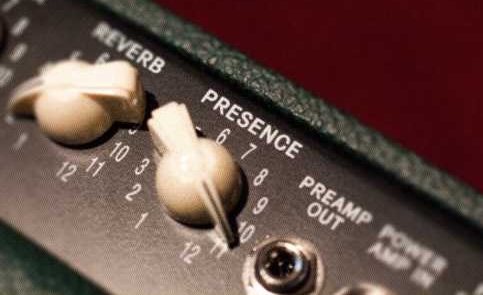
If you’ve been dialing in your amp settings and noticed a mysterious knob labeled “Presence,” you’re not alone. It’s one of those controls that might leave you scratching your head, especially if you’re not sure what it does or how it affects your tone. So, let’s demystify the “Presence” control on your guitar amp and figure out how it can help you shape your sound.
What is the Presence Control?
In simple terms, the Presence control is a type of high-frequency EQ that operates in your amp’s power amp section rather than the preamp. While your Treble, Mid, and Bass controls shape the tone in the preamp stage, the Presence control adjusts the higher frequencies after the signal has gone through most of the amp’s circuitry. This means it directly influences the overall brightness and clarity of your sound, particularly in the upper frequencies.
Think of Presence as a way to add a final touch of sparkle or edge to your tone. It doesn’t just boost the treble; it actually emphasizes certain high frequencies that help your guitar cut through the mix, especially in a live setting.
How Does Presence Affect Your Tone?
The Presence control primarily impacts the upper mids and treble frequencies, but in a different way than your Treble knob. While the Treble control shapes the high end in the preamp stage, the Presence control boosts or cuts the higher frequencies at the output stage, giving you more clarity and definition.
Here’s what adjusting the Presence control does to your tone:
- Boosting Presence: Turning up the Presence adds brightness and bite to your sound. It can make your guitar sound more aggressive and help your leads or rhythm parts stand out, especially when playing in a band where other instruments might be competing for space in the mix. It’s great for adding that extra bit of clarity to ensure your tone doesn’t get lost in the crowd.
- Lowering Presence: Turning down the Presence will mellow out your tone, reducing the high-end sizzle and making your sound smoother and warmer. This can be especially useful if you’re going for a more vintage or bluesy tone, or if your amp is naturally bright and you want to tame some of the harshness.
- Presence in High-Gain Settings: In high-gain settings, the Presence control becomes even more crucial. High-gain amps can sometimes sound muddy or congested, and increasing the Presence can help bring back clarity and articulation to your sound, especially when playing fast riffs or intricate solos.
Presence vs. Treble: What’s the Difference?
You might be wondering, “If I already have a Treble control, why do I need a Presence knob?” It’s a fair question, and the answer lies in how these controls affect your tone at different stages of amplification.
- Treble Control: The Treble control shapes the high frequencies in the preamp stage. This means it affects the tone before it’s amplified by the power section of your amp. The Treble knob adjusts the brightness of your tone but doesn’t necessarily add the same kind of sparkle or edge that the Presence control does.
- Presence Control: The Presence control, on the other hand, operates in the power amp stage. It adds or subtracts higher frequencies after your tone has been shaped by the preamp, giving your sound more clarity and definition without necessarily making it harsh. It’s more about enhancing the overall presence of your tone in the mix rather than just boosting treble.
When to Use the Presence Control
Now that you know what the Presence control does, let’s talk about when and how to use it:
- Cutting Through the Mix: If you’re playing live or recording with a full band, boosting the Presence can help your guitar cut through the mix. It adds that extra bit of clarity that ensures your tone is heard clearly, even when other instruments are competing for sonic space.
- Enhancing Clean Tones: For clean settings, a touch of Presence can add sparkle and articulation, making your chords and single notes sound more defined and lively.
- Shaping Distorted Tones: In distorted or high-gain settings, the Presence control can prevent your tone from becoming too dark or muddy. It helps articulate each note in fast riffs and solos, keeping your sound crisp and clear.
- Taming Harshness: If your amp is naturally bright or your tone is starting to sound harsh, reducing the Presence can smooth out the high end, making your sound warmer and more pleasant to the ears.
Experimenting with Presence
The best way to understand the Presence control is to experiment with it. Start with the Presence knob at noon (12 o’clock) and play around with different settings. Listen to how it affects your tone, especially in relation to the Treble control. You’ll notice that even a small adjustment can make a big difference in how your guitar sounds, particularly in a band mix.
Try different combinations of Presence and Treble to find the sweet spot that works for your style of playing and the specific sound you’re going for. Remember, there’s no right or wrong setting—just what sounds best to you.
Conclusion: Making Your Presence Known
The Presence control might seem like a small detail, but it’s a powerful tool for shaping your tone. Whether you’re looking to add some sparkle to your clean tones or bring clarity to your high-gain riffs, the Presence knob can help you dial in the perfect sound. So next time you’re tweaking your amp settings, don’t overlook the Presence control—experiment with it, and make your tone truly stand out.
 oscaronguitars.com
Leave a comment