
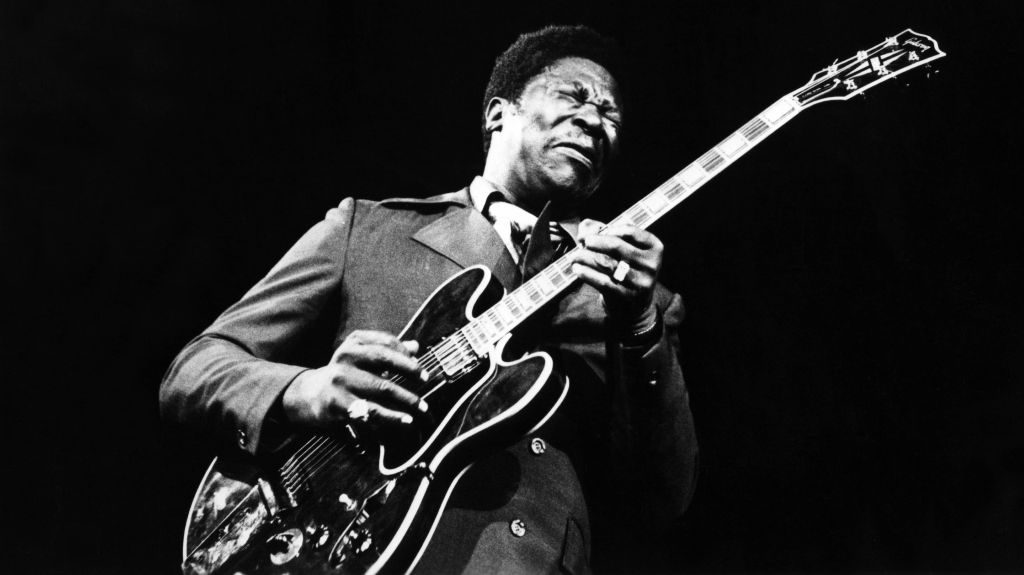
Blues guitar has been shaped by numerous extraordinary talents over the years, from the pioneering sounds of Robert Johnson to the golden era featuring legends like Muddy Waters, Albert Collins, Freddie King, Buddy Guy, and Albert King. The genre experienced a revival with Stevie Ray Vaughan, followed by modern-day virtuosos such as Joe Bonamassa and Kenny Wayne Shepherd. In the current blues scene, new talents like Jared James Nichols, Christone “Kingfish” Ingram, and the promising Grace Bowers are making waves. Yet, despite the incredible contributions of these musicians, none have had the profound influence on the genre quite like the King of the Blues, B.B. King.
With his unparalleled legacy, both as a guitarist and a performer, B.B. King’s impact on the blues remains unmatched. His soulful licks and distinctive vibrato left an indelible mark on every corner of the genre, earning him the reverence and status that few could hope to achieve. When we speak of “legendary guitars,” no one else comes to mind more fittingly than Mr. Riley Benjamin King himself, whose work continues to resonate through generations of blues lovers.
Early Life: From Mississippi Cotton Fields to Memphis Blues
Born Riley B. King on September 16, 1925, in Itta Bena, Mississippi, B.B. King began his life deeply entrenched in the world of the Delta blues. His early years were marked by hardship and poverty, but King found solace and expression in music, initially singing gospel songs in church. Moving to Memphis, Tennessee, in the late 1940s proved pivotal; it was here that he first gained recognition as a talented blues guitarist and singer.
Breaking Through: The Beale Street Blues Boy
B.B. King arrived in Memphis in 1948, drawn by its reputation as a mecca for blues musicians seeking opportunity. He quickly immersed himself in the city’s musical fabric, performing at local clubs and soaking in influences from fellow artists. His talent for connecting with audiences, both through his soulful voice and his expressive guitar playing, earned him the nickname “Beale Street Blues Boy.” This moniker was eventually shortened to the now-iconic “B.B.,” a name synonymous with blues music.
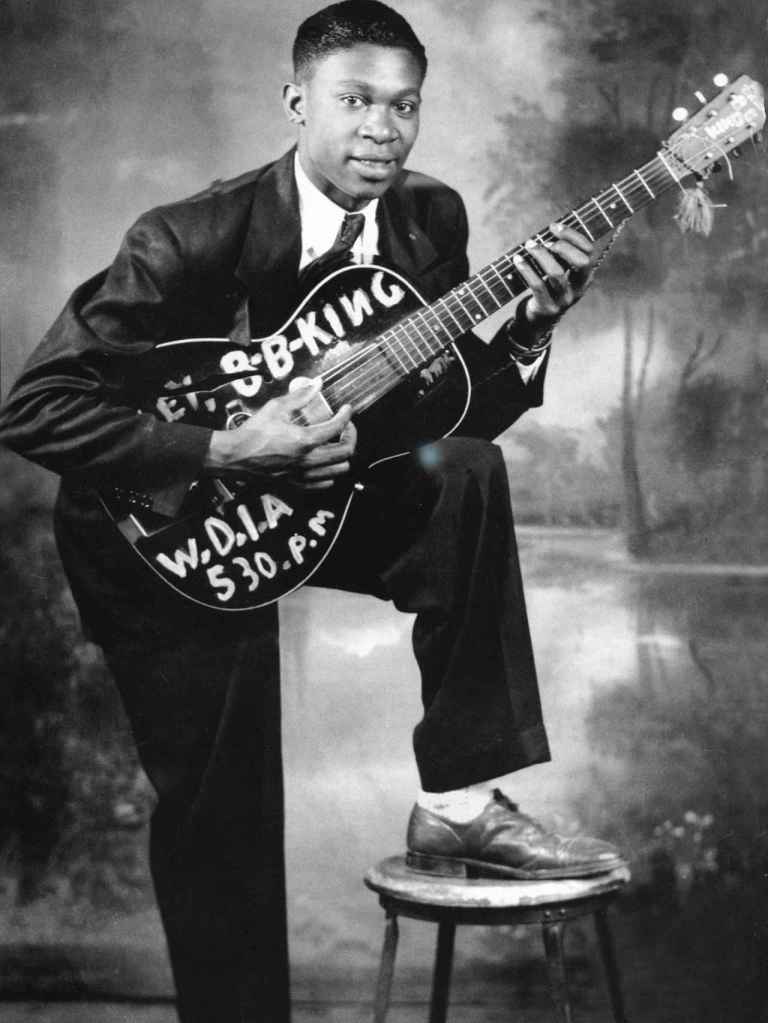
A defining moment in King’s early career came when he secured a regular slot on WDIA, a groundbreaking radio station in Memphis and one of the first in the United States to be owned and operated by African Americans. WDIA’s influence extended far beyond Memphis, reaching listeners across the South. King’s radio program, Sepia Swing Club, featured his live performances, which not only showcased his unique talent but also allowed him to connect directly with his audience. Through these broadcasts, King became a household name among blues fans, his emotive singing and innovative guitar techniques resonating deeply with listeners.
WDIA also provided King with invaluable exposure to the business side of music, as it connected him with influential figures in the industry and opened doors to recording opportunities. This combination of raw talent, relentless work ethic, and the support of Memphis’s thriving musical ecosystem catapulted B.B. King from a local performer to a rising star on the national stage.
The time King spent on Beale Street and at WDIA set the foundation for a career that would span more than six decades, making him one of the most celebrated and influential blues musicians in history. From those early days in Memphis, King’s music carried the essence of the Delta while elevating the blues to a global phenomenon.

Iconic Tracks: A Legacy in Lyrics and Melody
B.B. King’s discography is a treasure trove of timeless blues classics, each song serving as a testament to his unmatched skill in both songwriting and performance. Through his expressive vocals and virtuosic guitar playing, King crafted songs that not only defined the blues genre but also elevated it to new heights. Here are some of the tracks that cemented his place as the King of Blues:
“The Thrill Is Gone” – Widely regarded as King’s signature song, The Thrill Is Gone is a heart-wrenching ballad that captures the essence of lost love and longing. The song’s haunting melody is matched by King’s soulful, almost mournful vocal delivery. His signature guitar playing, with its deep vibrato and bending notes, adds a layer of emotional intensity that resonates with listeners on a profound level. This track, which became one of King’s most commercially successful, remains an iconic standard in the blues world.
“Lucille” – Lucille isn’t just a song; it’s a tribute to the instrument that became an extension of B.B. King himself. Named after his beloved Gibson guitar, which he once credited with saving his life during an altercation at a club, Lucille is a song that speaks to the deep, almost spiritual bond between a musician and his instrument. The track features King’s trademark guitar phrasing, with each note resonating with a level of passion and precision that only he could deliver. Lucille remains one of King’s most personal songs, encapsulating his journey and the role his guitar played in it.
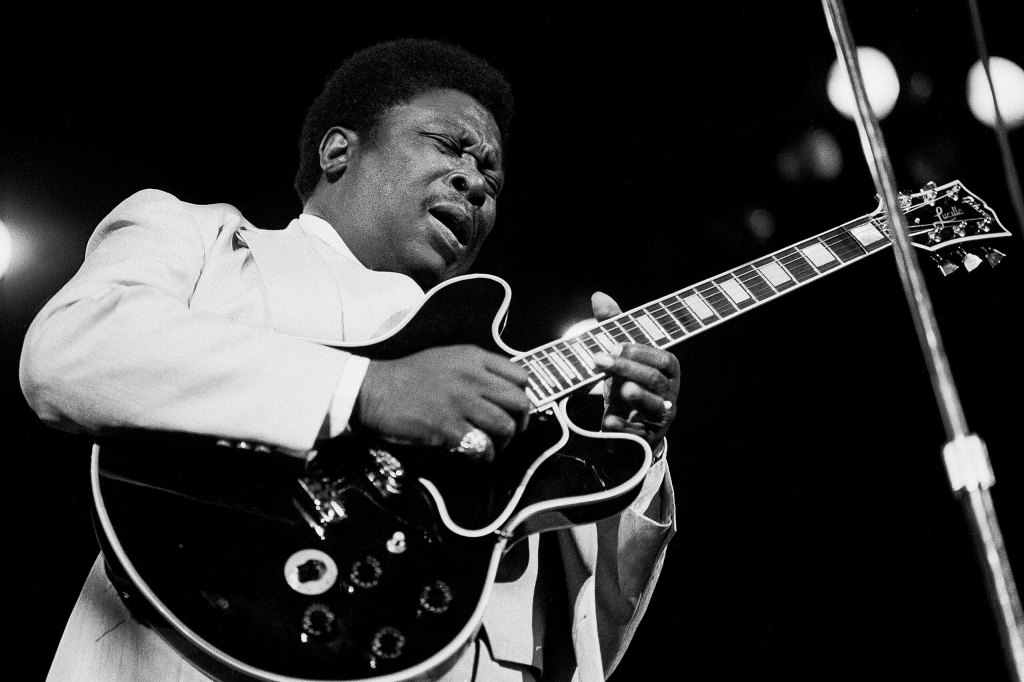
“Every Day I Have the Blues” – This track has been a staple in King’s live performances for decades. With its catchy riff and relatable lyrics, Every Day I Have the Blues became one of the cornerstones of his repertoire. The song speaks to the universal experience of heartbreak and hardship, a theme that resonates deeply within the blues genre. King’s ability to blend personal vulnerability with universal emotion made this song a crowd favorite, and it remains a timeless anthem for the blues.
“How Blue Can You Get?” – How Blue Can You Get? stands as one of King’s most powerful songs, delivering a masterclass in blues storytelling. The lyrics, dripping with sarcasm and pain, are perfectly complemented by King’s emotive guitar work, which practically sings the words between each note. The track features one of his most iconic guitar solos, filled with emotional depth, and it remains a perfect example of how King’s guitar not only provided melody but also functioned as an extension of his voice. This song encapsulates the grit and resilience that the blues is known for, while showcasing King’s unparalleled ability to convey sorrow, frustration, and strength.
These songs, among others, showcase B.B. King’s extraordinary ability to convey the raw emotion of the blues through both lyrics and melody. His discography continues to serve as a guide for aspiring blues musicians, offering endless lessons in the art of storytelling, phrasing, and emotional expression.
Gear and Style: The Sound of Lucille
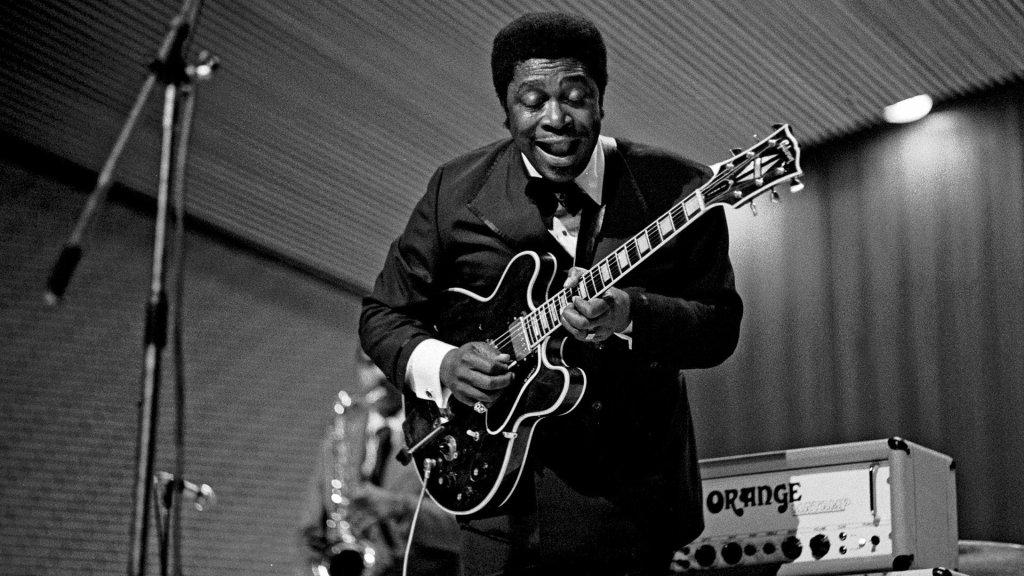
B.B. King’s guitar style is one of the most instantly recognizable sounds in the history of blues music, marked by its economy of notes, emotional depth, and unmatched expressiveness. While many of his contemporaries were known for fast, technically intricate solos, King revolutionized the blues with his understated yet powerful approach. He often said more with fewer notes, choosing to let each note resonate and speak to the listener rather than relying on speed or complexity. This approach became a hallmark of his playing, earning him the admiration of musicians across genres.

King’s main instrument, the Gibson ES-355, affectionately named Lucille, was not just a guitar; it became an extension of his soul. The ES-355, with its semi-hollow body and vibrant tone, allowed King to achieve the perfect blend of warmth and clarity. The guitar’s rich, resonant sound was the ideal canvas for King’s signature bends and vibrato, which he used to inject profound emotion into every note. Lucille wasn’t just a tool for creating music; it was a partner in his musical expression, capable of singing as loudly and as tenderly as his own voice.
King’s style was deeply influenced by the pioneering blues guitarist T-Bone Walker, who introduced the electric guitar to the blues in a way that King would later embrace and refine. From Walker, King learned the art of phrasing and how to use the guitar as a storytelling device. But while King borrowed elements from early blues figures, his playing was far from imitation. He blended traditional blues with influences from jazz and pop music, creating a sound that was all his own. King’s unique approach to phrasing—his ability to stretch notes and create space between them—helped elevate the blues into a form of musical storytelling, where every note had meaning.
In addition to his powerful vibrato, which became one of his most defining features, King was known for his masterful use of string bending. His ability to bend notes with precision, making them slide seamlessly from one pitch to another, became a key characteristic of his tone. This technique, combined with his delicate yet soulful touch, created a sound that could evoke pain, joy, and everything in between.
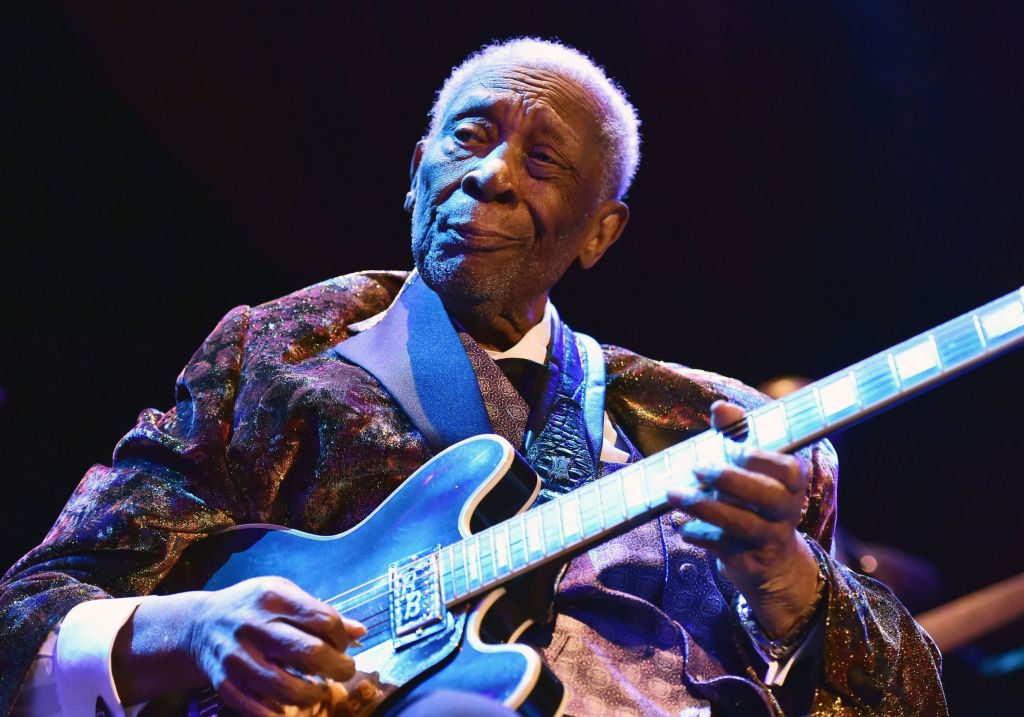
King’s setup, which included a Gibson ES-355 through a variety of amplifiers (including the iconic Lab Series L5 amp), was the perfect match for his style. The clean, crisp tone from his amp allowed his guitar’s natural voice to shine through, amplifying the nuances of his playing. He didn’t rely on heavy effects; instead, his tone was shaped by his touch, his technique, and the connection he had with Lucille.
B.B. King’s guitar playing remains a blueprint for aspiring musicians, showing that it’s not about playing fast or filling every moment with notes, but about playing with purpose and feeling. His legacy lives on in the enduring sound of Lucille, the guitar that helped define not only his career but the sound of modern blues itself.
Influence and Impact
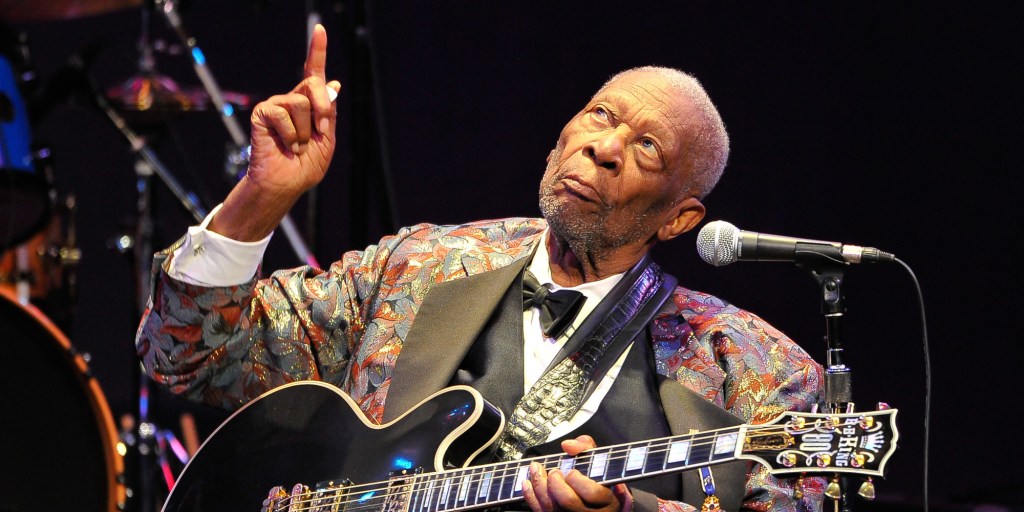
B.B. King’s influence on the blues and its place in American music history is nothing short of monumental. Widely regarded as one of the most important figures in the development of blues, King was the bridge that connected the raw, emotional sound of rural Delta blues with the more polished, commercially viable rhythm and blues (R&B) that would dominate the airwaves. His ability to merge traditional blues with modern sounds helped push the genre into the mainstream, bringing it to a wider audience without losing its soul or authenticity.
King’s contributions went far beyond his own performances—he was instrumental in shaping the direction of blues and its integration into popular music. By collaborating with artists across a wide array of genres, from rock and jazz to pop and gospel, King expanded the reach of the blues. His partnership with rock icons like Eric Clapton, U2, and John Mayer showcased his ability to seamlessly blend with musicians from other traditions while remaining unmistakably himself. These collaborations not only elevated his status but also brought blues music to new generations and diverse audiences.

As an ambassador for the blues, King took the genre to places it had never been before. His tours, performances, and recordings were pivotal in spreading the sounds of the blues from its Mississippi Delta origins to stages all over the world. He influenced countless musicians, from blues contemporaries like Buddy Guy and Albert King to rock legends such as Jimi Hendrix and the Rolling Stones. King’s unique guitar playing, emotive singing, and ability to evoke deep emotion with each note have shaped the playing styles of countless guitarists who followed in his footsteps.
But perhaps more than any of his musical achievements, King’s greatest legacy lies in his unwavering dedication to the blues. He devoted his life to preserving and promoting the genre, performing tirelessly around the world, and introducing new audiences to the beauty and complexity of the blues. His authenticity and commitment to the craft earned him the title “The King of the Blues,” a fitting honor for a man whose contributions to American music will never be forgotten. B.B. King’s impact on the blues is immeasurable, and his influence continues to resonate in the music world today.

Conclusion: The Legacy of the King of Blues
B.B. King’s legacy is firmly entrenched in the heart of American music, transcending generations and genres. From his humble beginnings in the Mississippi Delta to becoming a global ambassador for the blues, King’s music continues to resonate with listeners worldwide. His ability to fuse the raw emotional power of Delta blues with the sophistication of modern rhythm and blues not only helped elevate the genre but also broadened its appeal to diverse audiences. King’s guitar mastery, especially his distinctive use of vibrato and string bending, forever changed how the blues was played and heard. His unwavering dedication to the craft, commitment to innovation, and collaborations with countless artists ensure that his influence will endure for decades to come. With his iconic guitar, Lucille, King left an indelible mark on the blues, and through his timeless songs and performances, his legacy as the King of Blues remains unmatched. His contributions will continue to inspire musicians and music lovers alike, solidifying his place in history as one of the most influential artists of all time.
Bonus Track: 10 B.B. King Facts
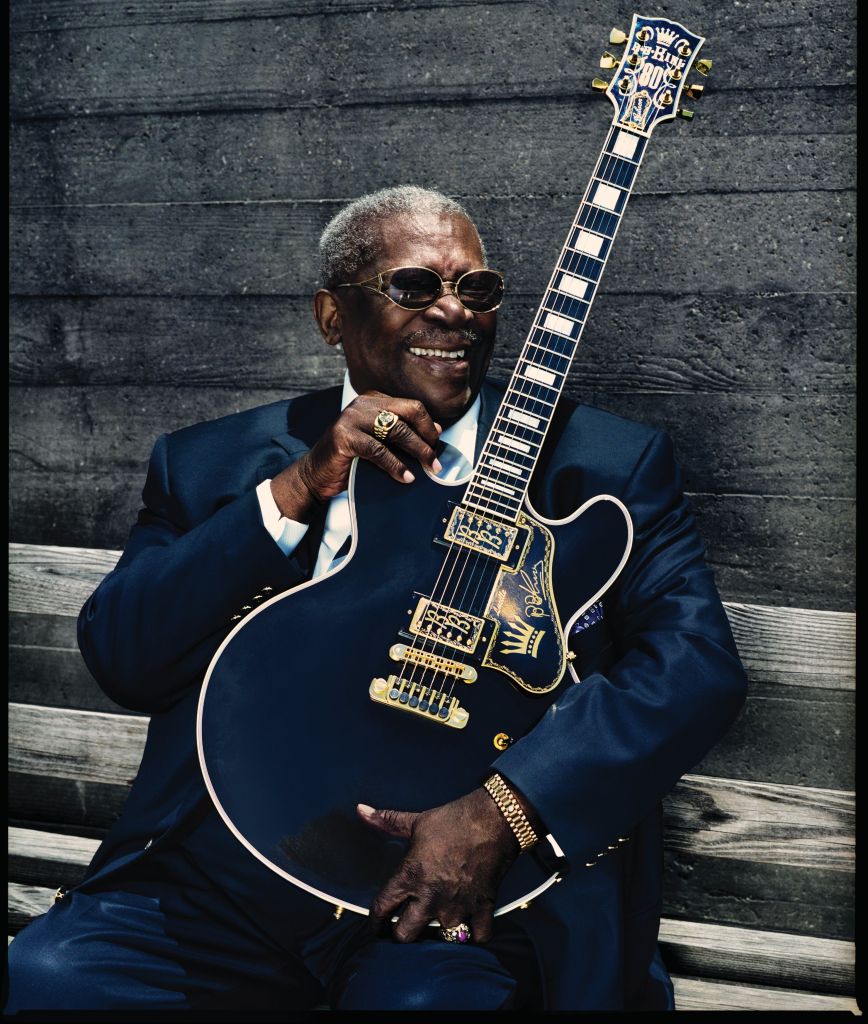
- “Lucille” – King named his guitars “Lucille” after an incident in which he risked his life to save his guitar from a burning venue.
- Grammy Awards – King won 15 Grammy Awards, including a Grammy Lifetime Achievement Award.
- Blues Foundation – He was a founding member of the Blues Foundation and was instrumental in the creation of the Blues Hall of Fame.
- International Ambassador – King toured extensively, bringing the blues to audiences around the world.
- Presidential Medal of Freedom – He was awarded the Presidential Medal of Freedom by President George W. Bush for his musical achievements and his contribution to the cultural heritage of the United States.
- Influential Collaborations – Collaborated with artists from Eric Clapton to U2, showing the versatility and universal appeal of his music.
- Extensive Discography – King released over 50 albums during his career.
- Love for Live Performance – Known for his relentless touring schedule, often playing more than 300 shows a year.
- Impact on Guitar Design – His use of Gibson guitars influenced the development of the ES series, making it a staple among blues musicians.
- Charitable Work – Engaged in numerous charitable efforts, particularly focused on education and music.
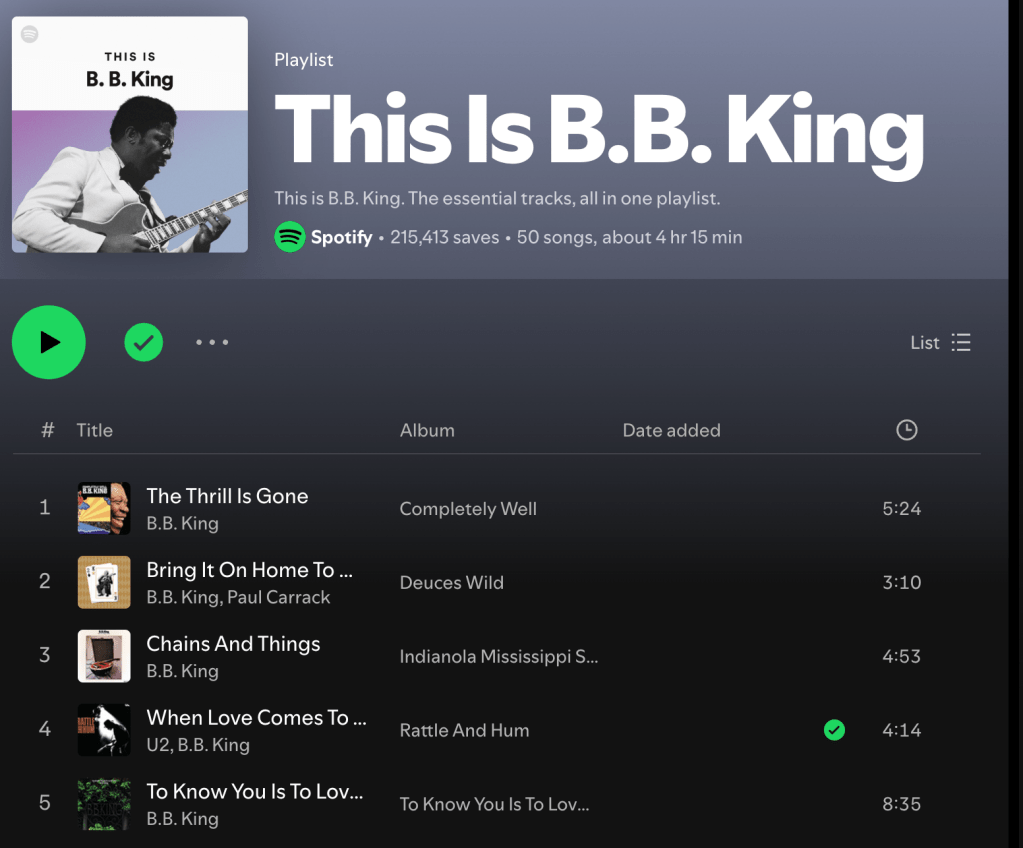
Experience the legendary tone, soulful notes, and unmatched feel of the great B.B. King in this carefully curated Spotify playlist.
 oscaronguitars.com
Leave a comment