
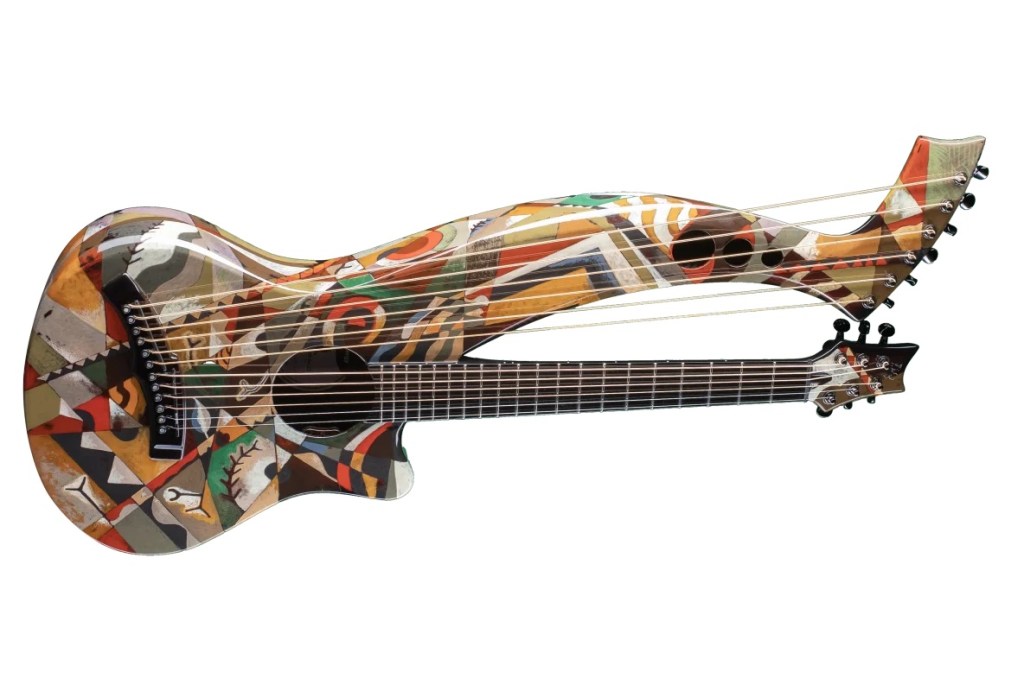
So, you’re thinking about taking the plunge and ordering a custom guitar? That’s an exciting step in your musical journey. There’s nothing quite like owning a guitar that’s been built just for you, with every detail tailored to your playing style, preferences, and personality. But before you dive in, it’s important to understand the process, what you’re getting into, and how to make the most of this unique experience. Let’s walk through everything you need to know about ordering a custom guitar, from start to finish.
1. Understanding the Appeal: Why Go Custom?
Before we get into the nitty-gritty, let’s talk about why you might choose a custom guitar in the first place. Custom guitars offer a level of personalization and craftsmanship that you just can’t get from off-the-shelf models. Whether you’re looking for a specific tone, unique aesthetics, or ergonomic features tailored to your playing style, a custom guitar allows you to bring your dream instrument to life.
Benefits of a Custom Guitar:
- Personalization: Every aspect of the guitar, from the body shape to the pickups, can be customized to your exact specifications.
- Craftsmanship: Custom guitars are often built by skilled luthiers who pour their expertise and passion into each instrument.
- Unique Features: You can incorporate special features or rare materials that aren’t available in standard production models.
- Emotional Connection: There’s something special about playing a guitar that’s been made just for you—it’s a true reflection of your musical identity.

2. Choosing the Right Luthier: Finding Your Guitar-Making Partner
The first step in the custom guitar journey is finding the right luthier—a skilled craftsperson who will bring your vision to life. This is a crucial decision, as the luthier’s expertise, style, and communication skills will significantly impact the final result.
Tips for Choosing a Luthier:
- Research: Start by researching luthiers who specialize in the type of guitar you want (e.g., acoustic, electric, classical). Look at their portfolios, read reviews, and check out their work on social media or their website.
- Experience: Consider the luthier’s experience and reputation. Established luthiers with a proven track record are more likely to deliver a high-quality instrument.
- Communication: Good communication is key. Make sure the luthier is responsive, listens to your ideas, and provides clear explanations of the process.
- Budget: Custom guitars can vary widely in price, depending on the materials, craftsmanship, and complexity of the build. Discuss your budget upfront and make sure you’re on the same page about costs.
Tip: If possible, try to meet the luthier in person or have a detailed conversation over the phone or via video call. This will give you a better sense of their personality and how well you’ll work together.
3. Defining Your Vision: What Do You Want?
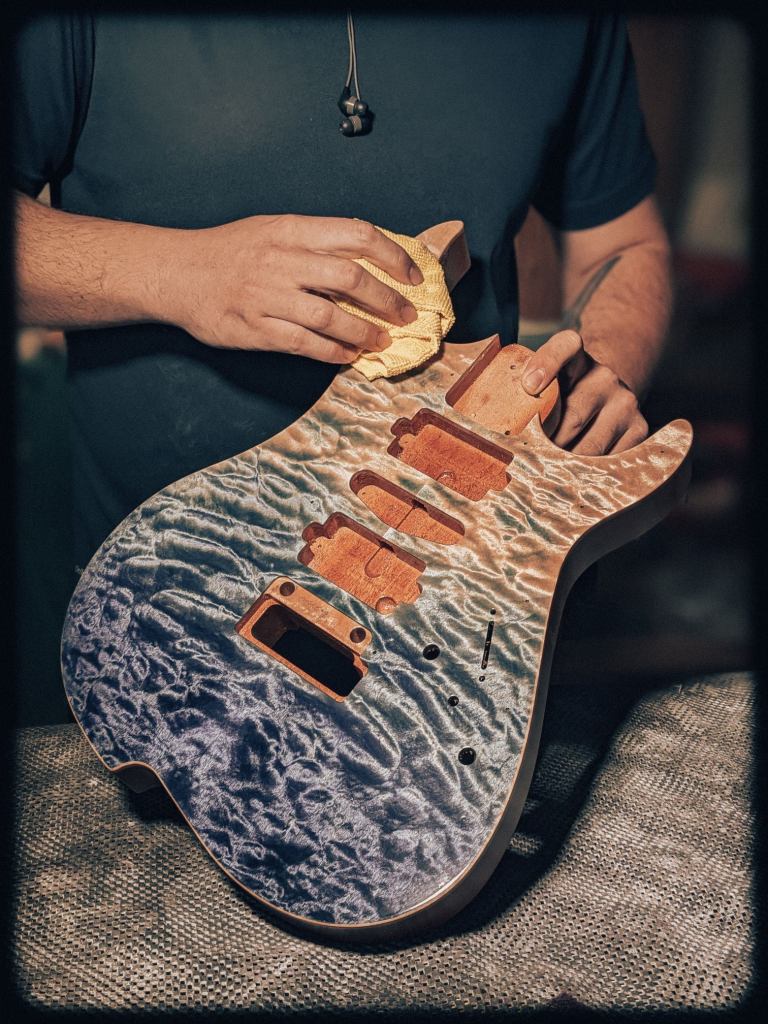
Once you’ve chosen your luthier, the next step is defining exactly what you want in your custom guitar. This is where your creativity comes into play—you have the freedom to design an instrument that’s uniquely yours. Here are some key aspects to consider:
- Body Shape and Style:
Consider the shape and style of the guitar body. Do you want something traditional, like a Stratocaster or Les Paul, or something completely original? Think about the guitar’s weight, balance, and how it fits your body. - Tonewoods:
The type of wood used in the guitar will significantly affect its tone. Common choices include mahogany, alder, ash, and maple for electrics, and spruce, cedar, and rosewood for acoustics. Discuss the tonal characteristics of different woods with your luthier to find the perfect match for your sound. - Neck Profile and Scale Length:
The neck profile (shape) and scale length (distance from the nut to the bridge) influence playability and feel. Whether you prefer a slim neck for fast playing or a thicker one for a comfortable grip, your luthier can create a neck that feels just right. - Fretboard and Frets:
Choose the material for the fretboard (e.g., rosewood, ebony, maple) and decide on the type and size of frets. Larger frets are better for bending notes, while smaller frets offer more precise intonation. - Electronics (for Electrics):
For electric guitars, selecting the right pickups and wiring configuration is crucial. Single-coil pickups offer a bright, clear tone, while humbuckers provide a thicker, more powerful sound. You can also discuss custom wiring options like coil-splitting or series/parallel switching. - Aesthetics:
This is your chance to get creative with the guitar’s appearance. Choose the finish, color, inlays, binding, and any custom artwork or engravings. Your guitar should not only sound amazing but look stunning too.
Tip: Don’t hesitate to ask your luthier for advice or suggestions. They’ve likely built countless guitars and can offer valuable insights based on their experience.

4. The Build Process: Patience and Communication Are Key
Once all the details are finalized, the luthier will begin the build process. This can take anywhere from a few months to a year or more, depending on the complexity of the project and the luthier’s schedule. Here’s what to expect during this phase:
- Updates:
Your luthier should keep you updated on the progress, sending you photos and descriptions as the build progresses. This helps you stay involved in the process and ensures everything is on track. - Adjustments:
Sometimes, adjustments need to be made along the way. Maybe you decide you want a different finish or change your mind about the pickups. Most luthiers are flexible and can accommodate changes, but keep in mind that significant alterations might add to the build time or cost. - Patience:
Building a custom guitar is an intricate process that requires time and attention to detail. Be patient and trust your luthier’s expertise. Rushing the process can lead to compromises in quality.
Tip: Maintain open communication with your luthier throughout the build. If you have any concerns or questions, don’t hesitate to reach out. A good luthier will be happy to keep you informed and address any issues that arise.

5. The Final Product: What to Expect When Your Guitar Arrives
After months of anticipation, the day will finally come when your custom guitar is ready. Here’s what to do when your new instrument arrives:
- Inspection:
Carefully inspect the guitar to make sure it meets your expectations. Check for any cosmetic flaws, playability issues, or unexpected surprises. Play it for a while to see how it feels and sounds. - Setup:
Your custom guitar should come with a professional setup, but it’s always a good idea to double-check the action, intonation, and neck relief. If something feels off, consult your luthier—they should be willing to make adjustments to ensure the guitar is perfect. - Break-In Period:
Like any new guitar, your custom instrument might need a little time to break in. Play it regularly and let it settle into its new environment. Over time, the guitar will develop its full character and tone.
Tip: Take your time getting to know your new guitar. It’s a unique instrument, and it might take a little while to fully appreciate all the details and nuances that make it special.
6. Things to Consider Before Taking the Plunge
Before you commit to ordering a custom guitar, here are a few final considerations:
- Budget:
Custom guitars are an investment, so make sure you’re comfortable with the cost. Discuss payment options with your luthier—many offer payment plans to make the process more manageable. - Time Commitment:
Understand that the process can take a long time. If you’re looking for a quick purchase, a custom guitar might not be the best option. Be prepared to wait for the final product. - Trust in Your Luthier:
Choosing the right luthier is essential. Make sure you’re confident in their abilities and that you have a good rapport. A strong relationship with your luthier will lead to a better outcome. - Personal Connection:
Remember, a custom guitar is more than just an instrument—it’s a reflection of your musical journey. Be sure that the guitar you’re designing is something you’ll cherish and enjoy for years to come.
Conclusion: A Custom Guitar Is a Labor of Love
Ordering a custom guitar is a unique and rewarding experience that goes far beyond simply buying an instrument. It’s a journey of collaboration, creativity, and craftsmanship, resulting in a guitar that’s truly one-of-a-kind. By understanding the process, choosing the right luthier, and taking the time to design your perfect instrument, you’ll end up with a guitar that not only meets your expectations but exceeds them.
So, if you’re ready to take the plunge, embrace the process, and get ready to own a guitar that’s as unique as your musical voice
 oscaronguitars.com
Leave a comment