
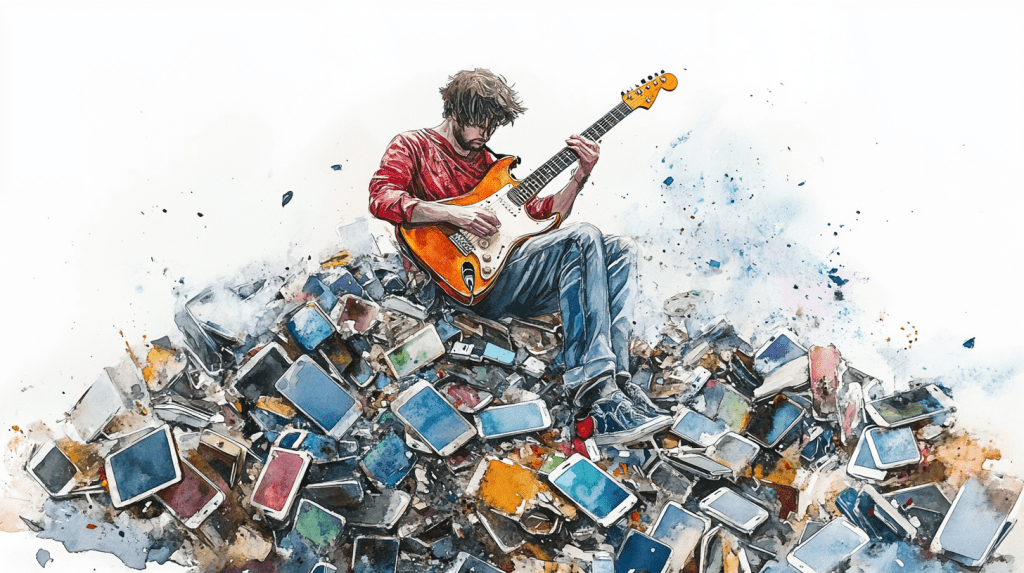
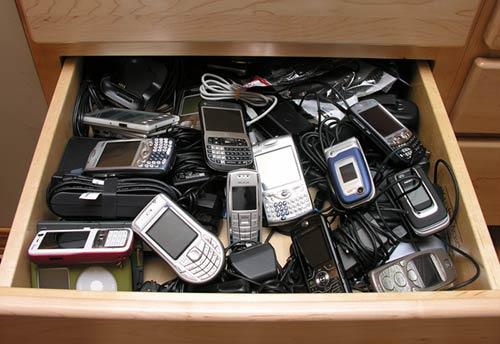
Think about your phone, tablet, or laptop for a moment. Where will they be in a few years? Probably collecting dust in a drawer—outdated, unsupported, and forgotten. Even your car, as advanced as it seems, isn’t built to last the way cars used to. Remember those classic Mercedes-Benz taxis in Europe that ran for millions of miles and stuck around for decades with proper care? That kind of longevity is rare today.

Take your brand-new iPhone: in a year or two, it’ll be replaced by a shinier model, hyped as ‘the best iPhone ever.’

Here’s the great news: your guitar isn’t like a gadget—it’s a whole different story. Unlike devices that demand constant updates and become obsolete, a well-made guitar stands the test of time. It doesn’t rely on software, apps, or fleeting trends to stay relevant. Guitars defy the throwaway culture that’s dominated the past 30 years. Built to last decades—sometimes generations—they’re timeless, reliable, and immune to planned obsolescence. No updates required, just a growing value and a lifetime of music.
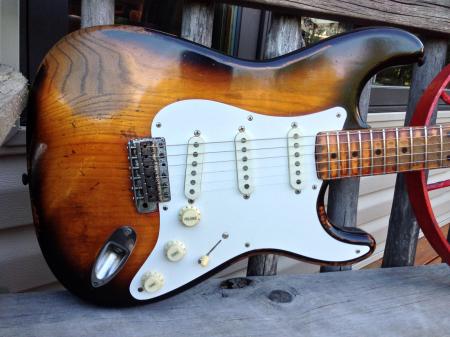
Some of the most iconic guitars in use today were designed over 70 years ago. The Gibson Les Paul (1952) and Fender Stratocaster (1954) are not just surviving—they’re thriving. These instruments are as coveted today as they were when they first hit the scene. Why? Because a well-made guitar doesn’t need constant upgrades to stay relevant. It simply works.
Unlike your gadgets, which might require costly repairs or replacements when they falter, guitars can often be kept in top shape with a little TLC:
- String changes: A quick swap and your tone is refreshed.
- Fret polishing: Keeps playability smooth and effortless.
- Neck adjustments: Rare but easy fixes for long-term reliability.
A guitar asks for so little yet gives back so much—often decades of loyal service. My youngest son shares my love for guitars, and the instruments I pass down to him will likely outlast us both. With proper care, those guitars could one day become heirlooms for his children, cherished reminders of their grandfather’s passion. A well-cared-for guitar isn’t just an instrument; it’s a legacy, capable of enduring through generations.
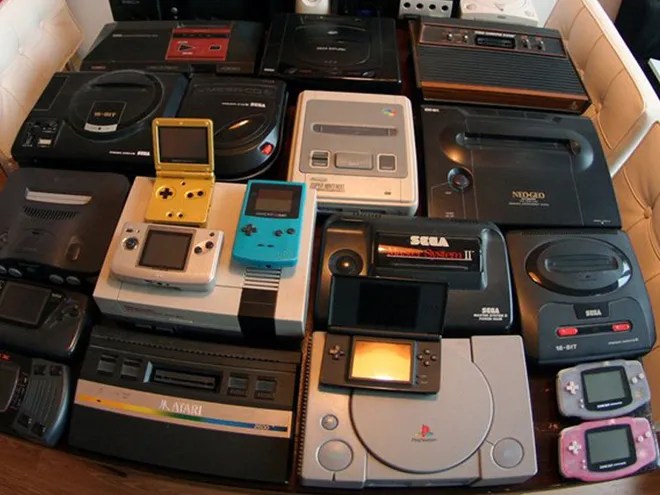
Ever tried to fire up a 10-year-old video game console? Chances are, it’s either incompatible with modern TVs or the games are no longer supported. I learned this lesson the hard way with some external hard drives using early Thunderbolt connectors—now completely useless because no Apple computer supports them anymore.
But guitars? They don’t follow those frustrating rules. No firmware updates, no apps to maintain. Imagine saying, ‘I had to stop playing my Parker Fly because the manufacturer stopped supporting it, and it’s incompatible with today’s operating systems.’ Sounds ridiculous, right? Yet, it’s the reality with so much of our tech. Think about the first-generation iPad—it once had beautiful, innovative apps that vanished when the creators went out of business. Can you picture that happening with your guitar? It’s unthinkable.
A Stratocaster from the 1960s still sings as beautifully today as it did back then—if not better, thanks to the magic of aging wood and craftsmanship.
Unlike tech gadgets, which are designed with planned obsolescence in mind, guitars have designs rooted in timelessness. The curves of a Les Paul or the offset body of a Fender Telecaster aren’t just functional—they’re iconic. These designs have stood the test of time, appealing to players across decades and genres.

A guitar from the 1950s or 60s not only holds its value but often appreciates over time. They’re investments in both craftsmanship and culture.
Now, let’s talk about sustainability. The endless cycle of upgrading to the latest tech creates a tidal wave of e-waste, growing faster than we can handle. Guitars, on the other hand, are a shining example of durability and sustainability. Many vintage models are still cherished and actively played today, proving that exceptional craftsmanship is the ultimate counter to our throwaway culture.
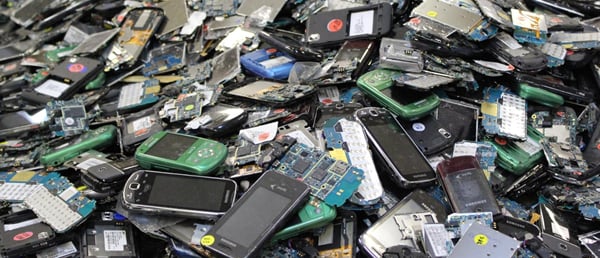
The guitar industry has also stepped up its game, with sustainable woods becoming more common and endangered tree species now better protected. Manufacturers are more environmentally responsible than ever, with many aiming for carbon neutrality. But let’s compare that to the tech world—where toxic chemicals, raw materials like lithium for batteries, and the complex, expensive processes of recycling are wreaking havoc on the planet. While the tech industry scrambles for solutions, guitars continue to offer a greener, lasting alternative.

Even as music evolves, the guitar remains a staple. Whether it’s blues, rock, jazz, or even metal, the instrument’s versatility ensures it never loses relevance. What other piece of technology from the 1950s can claim the same?
Unlike the tech we cycle through endlessly, guitars stand as a rare symbol of endurance and timelessness. They aren’t just tools for creating music—they’re lifelong companions, storytellers, and legacy builders. Each scratch, ding, and patina tells a unique tale of moments shared, songs written, and memories made.
While gadgets are destined to become outdated and forgotten, a well-crafted guitar transcends generations, growing richer with age and care. It’s an investment not only in music but in sustainability, craftsmanship, and culture. In a world dominated by throwaway products, guitars remind us of what truly lasts: quality, passion, and the stories we leave behind.
So, the next time you cradle your guitar, know that you’re holding more than wood and strings. You’re holding history, creativity, and a piece of artistry that will outlive us all. That’s something no smartphone or tablet could ever hope to achieve.

 oscaronguitars.com
Leave a comment