
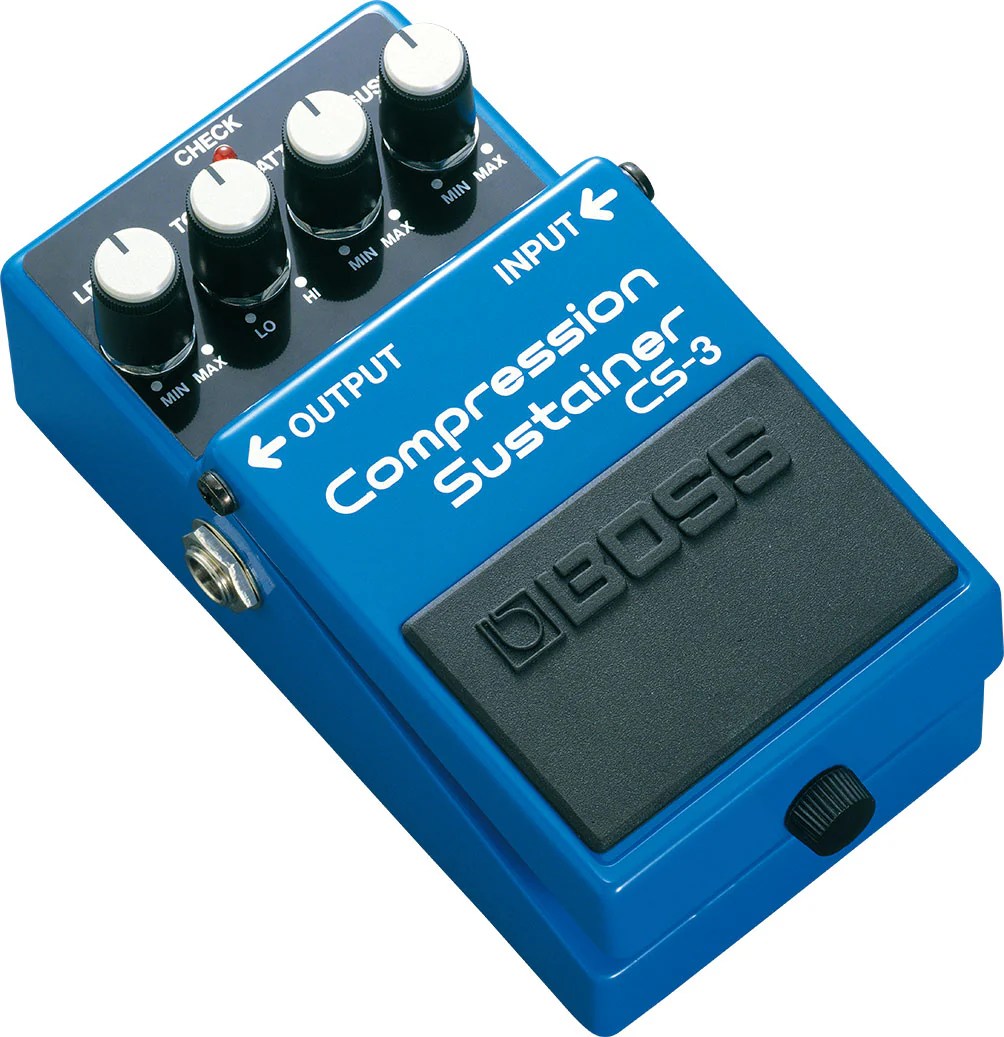
If you’ve ever dabbled with effects pedals or looked into getting that perfect guitar tone, you might have come across the term “compressor.” But what exactly is a compressor, and why should you care about it? Let’s dive into the world of compression and unravel how it can transform your sound.
What is a Compressor?
At its core, a compressor is a device that controls the dynamic range of your guitar signal. Dynamic range is the difference between the loudest and softest parts of your sound. A compressor works by reducing the volume of the louder parts and boosting the quieter ones, making your overall sound more consistent and polished.
Imagine you’re playing a solo with some really loud notes and some soft ones. Without compression, those loud notes might overpower everything, and the soft notes could get lost. A compressor evens this out, so everything sits well in the mix.
How Does a Compressor Work?
A compressor works using a few key parameters:
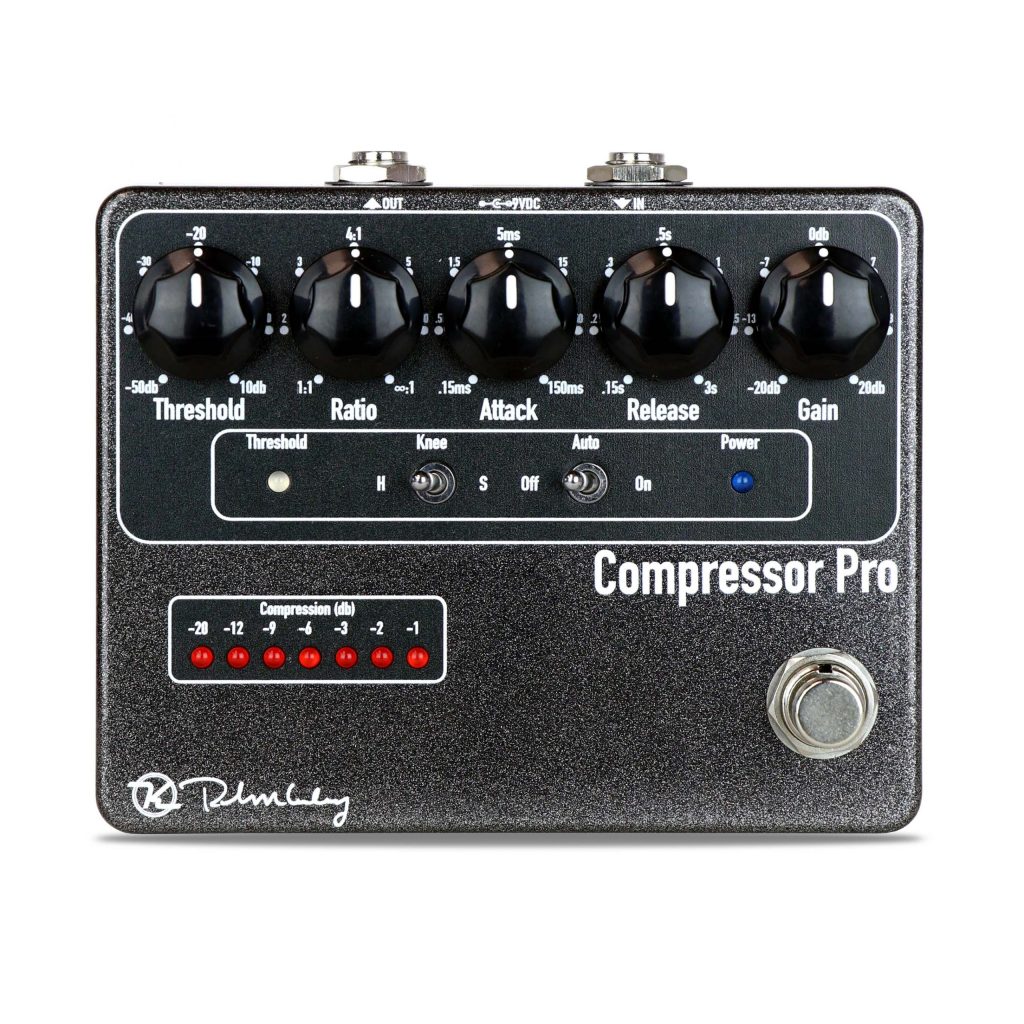
- Threshold: This is the level at which the compressor starts to act. If your signal goes above this level, the compressor kicks in.
- Ratio: This controls how much compression is applied once the signal exceeds the threshold. For example, a 4:1 ratio means that for every 4 dB above the threshold, the output will only be 1 dB above the threshold.
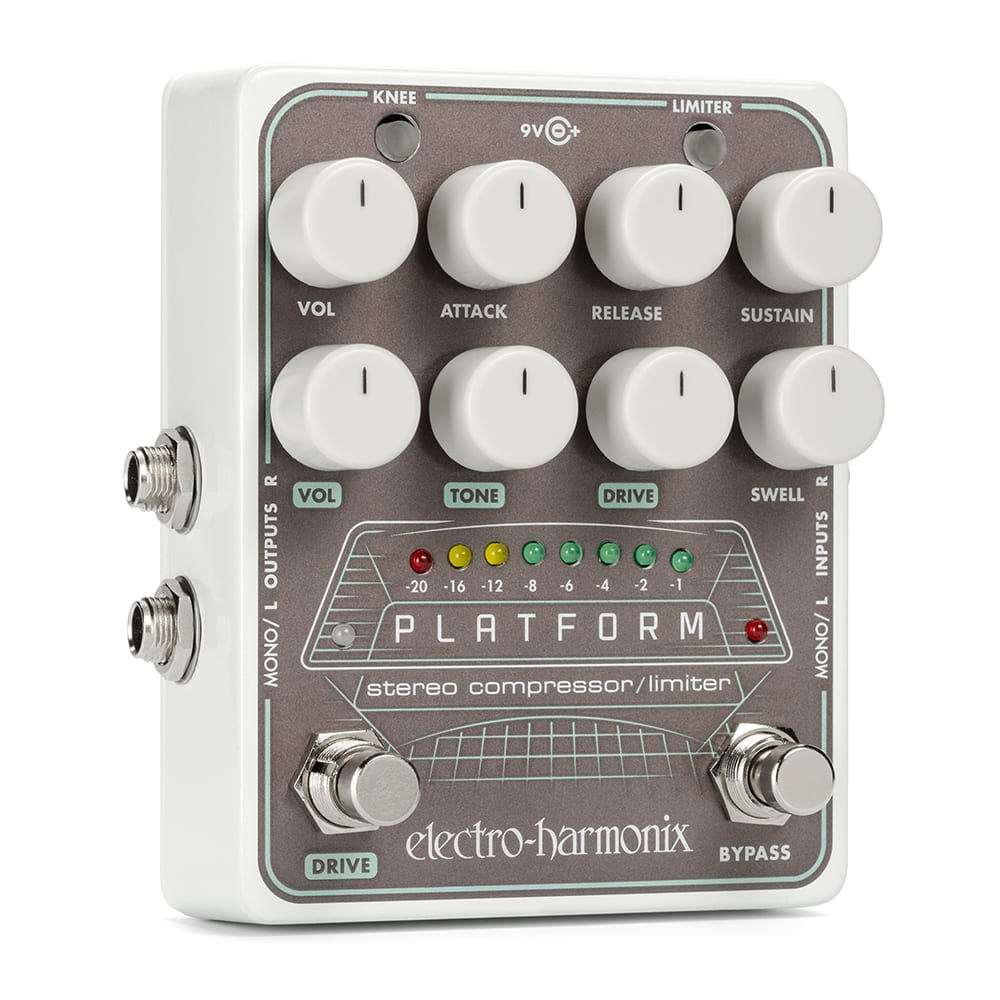
- Attack: This controls how quickly the compressor responds once the signal exceeds the threshold. A fast attack will catch transients (the initial peaks of sound) quickly, while a slow attack lets more of the initial signal through before compressing.
- Release: This determines how quickly the compressor stops compressing after the signal drops below the threshold. A fast release will return to normal levels quickly, while a slow release allows for a smoother transition.
- Knee: This affects how the compression starts to kick in around the threshold. A hard knee means compression starts abruptly, while a soft knee makes the onset of compression more gradual.
- Make-up Gain: After compression reduces the volume of your signal, make-up gain lets you boost the overall output level to compensate for the reduction.
Why Use a Compressor?
Using a compressor can make a significant difference in your guitar tone. Here’s why you might want to incorporate one into your setup:
- Consistency: A compressor helps keep your volume levels steady, which is especially useful in live performances or recording situations where you want a controlled sound.
- Sustain: Compressors can increase sustain by smoothing out the decay of your notes. This is great for solos where you want your notes to ring out longer.
- Clarity: By managing the dynamic range, a compressor can help individual notes stand out more clearly, which is perfect for intricate playing or complex chord voicings.
- Tone Shaping: Compressors can subtly shape your tone, enhancing or reducing certain frequencies and adding warmth or presence to your sound.
- Smoothness: Compressors can smooth out harsh transients or sharp attacks, making your sound more polished and less abrasive.
Types of Compressors
There are a few different types of compressors, each with its own characteristics:
- Studio Compressors: These are typically rack-mounted units used in recording studios. They offer high-quality compression with precise controls and are often used for their transparency.
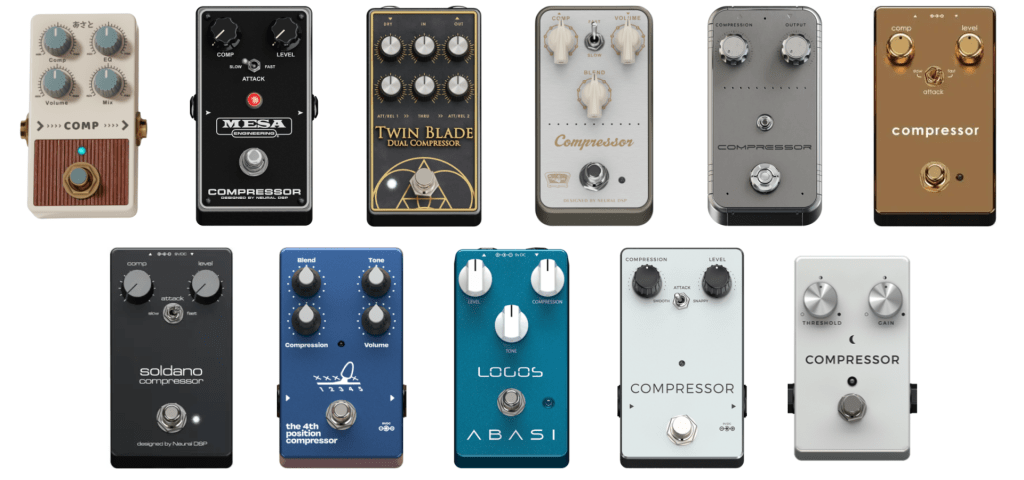
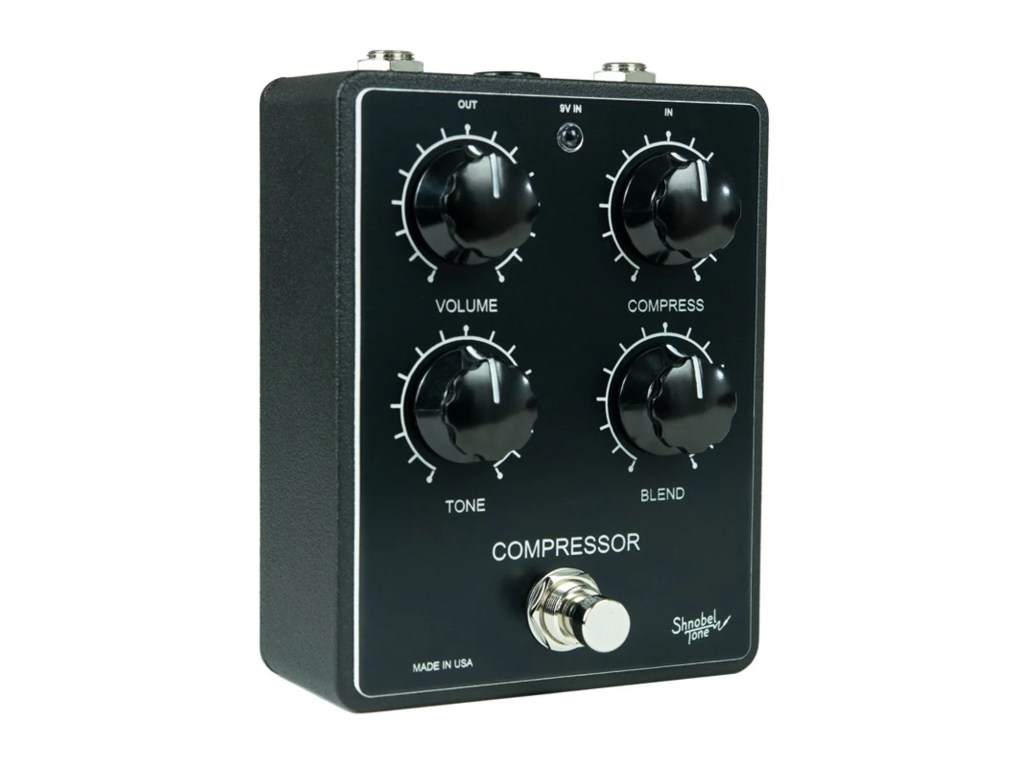
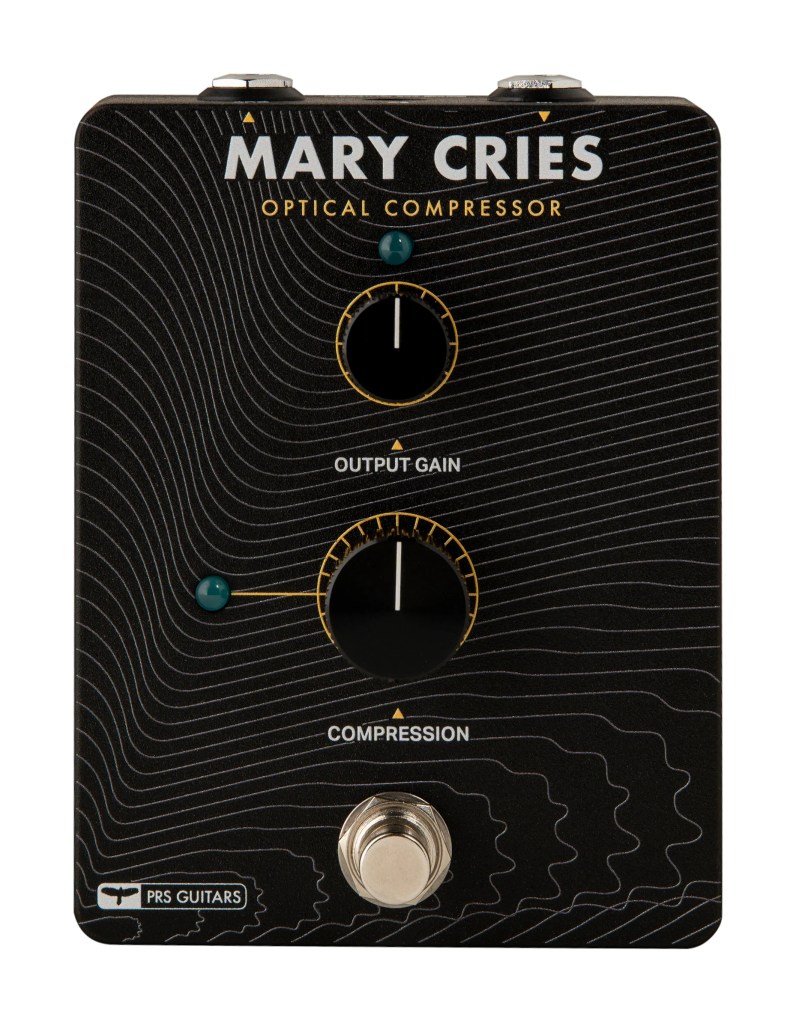
- Pedal Compressors: These are compact and designed for guitarists. They’re easy to use and can add color or character to your tone, depending on the design.
- Software Compressors: Found in digital audio workstations (DAWs), these offer a range of compression options and are used in recording and mixing.
How to Use a Compressor
Getting the most out of a compressor involves some experimentation. Here are a few tips to get you started:
- Start with Subtle Settings: Begin with gentle compression settings and adjust from there. You don’t need extreme settings to get a noticeable effect.
- Adjust Attack and Release: Experiment with attack and release times to see how they affect your playing. Faster attack times will catch more transients, while slower times will let more of your initial sound through.
- Listen for Changes: Pay attention to how the compressor affects your tone. You’re aiming for a smoother, more consistent sound without squashing the life out of your playing.
- Use in Conjunction with Other Effects: A compressor can work well with other effects like overdrive or delay. Experiment with the order of your effects to find the best sound.
- Consider Your Style: Different playing styles may benefit from different compression settings. For example, a country guitarist might use more compression for a smooth, twangy sound, while a rock guitarist might prefer less.
Conclusion: Embrace Compression
Understanding and using a compressor can greatly enhance your guitar tone by providing consistency, sustain, and clarity. By adjusting the various parameters, you can fine-tune your sound to match your playing style and musical needs. So, whether you’re aiming for a polished studio sound or a controlled live performance, a compressor can be a valuable tool in your tone arsenal.
Happy playing, and may your tone always be just right!
 oscaronguitars.com
Leave a comment