

Hello, fellow guitar enthusiasts! Back in my time in Mexico around 1987, owning an electric guitar was a dream far out of reach for most. Instead, the go-to instrument for budding musicians was the classical guitar. It was the perfect choice—not just because it was more affordable and didn’t need amplification, but because it was deeply intertwined with the music of the era.
Classical guitars were the backbone of two immensely popular genres: música ranchera (our version of country music) and the ever-romantic boleros. These guitars, with their soft nylon strings and warm tones, were easy to carry anywhere—ideal for impromptu parties or, even better, a traditional serenata. Imagine showing up outside your girlfriend’s window with a group of friends, serenading her with heartfelt boleros to declare or reaffirm your love. The sweet, expressive sound of nylon strings made these moments unforgettable.
In other parts of the world, acoustic guitars leaned more toward folk music, featuring steel strings and larger, more resonant bodies. Meanwhile, classical guitars were often reserved for flamenco (with slight design differences) or their namesake: classical music.
Today, let’s dive into the enchanting world of classical guitar. This isn’t just about strumming some chords; it’s about weaving intricate stories through music, blending history, emotion, and unmatched charm. If you’ve ever heard the delicate melodies of a classical guitar piece, you know how it stands apart. So, grab a comfy seat and let’s explore this rich and captivating genre together!
A Glimpse into Classical Guitar History
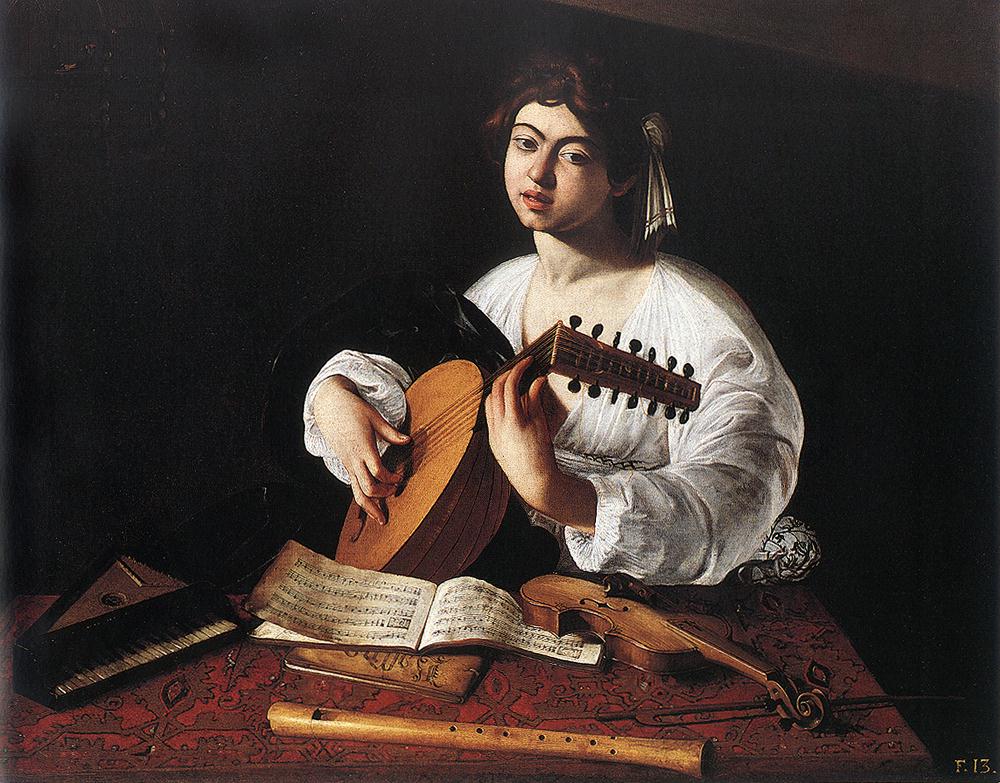
The history of the classical guitar is as rich and intricate as the melodies it produces, with roots that can be traced back centuries. This beloved instrument evolved from earlier string instruments, primarily the lute and vihuela, both of which played significant roles in shaping its development.
The lute, which originated in the Middle East before making its way to Europe during the Renaissance, is characterized by its rounded back and fretted neck. It was widely popular among musicians and composers of the time, leading to a wealth of repertoire and techniques that would later influence the guitar.
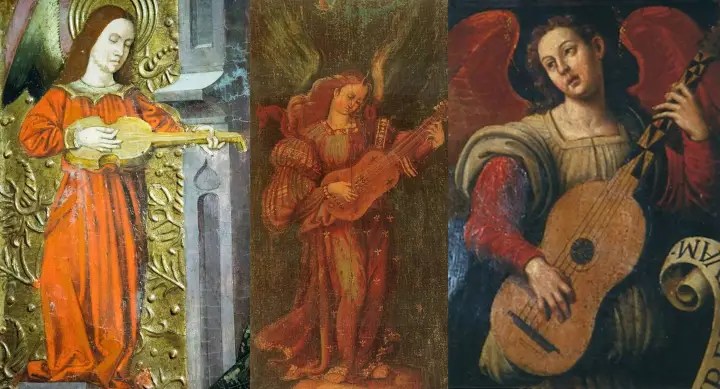
The vihuela, a Spanish instrument from the 15th and 16th centuries, shares many features with the lute but has a flatter body and a focus on guitar-like techniques. It was integral to Spanish music, leading to the fusion of styles that helped shape the early guitar.
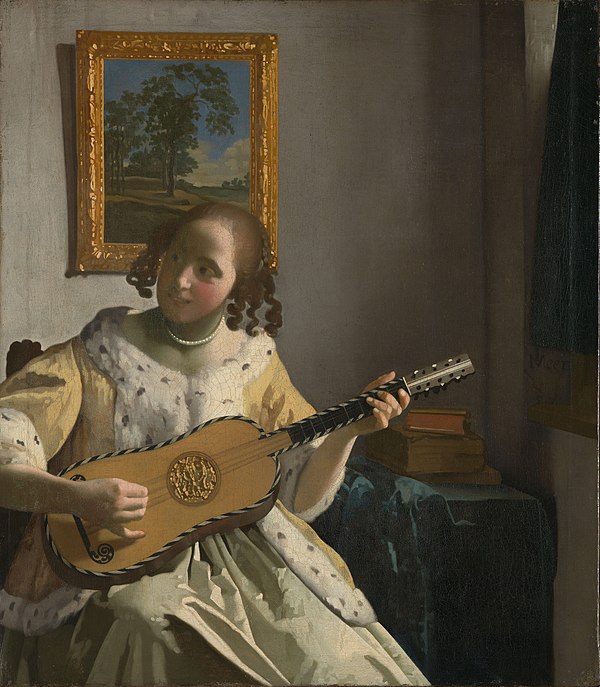
As these instruments evolved, so did the guitar itself. By the 18th century, the baroque guitar emerged, featuring five courses (pairs of strings) and a smaller body. This guitar was predominantly used in chamber music, and composers like Fernando Sor and Mauro Giuliani began to write specifically for it, setting the stage for the instrument’s popularity.
As we move into the 19th century, the classical guitar began to take on the shape and characteristics we recognize today. One of the most significant developments was the introduction of the six-string guitar, which replaced the earlier five-course designs. This transition allowed for greater versatility in playing and composition, paving the way for a broader range of musical styles.
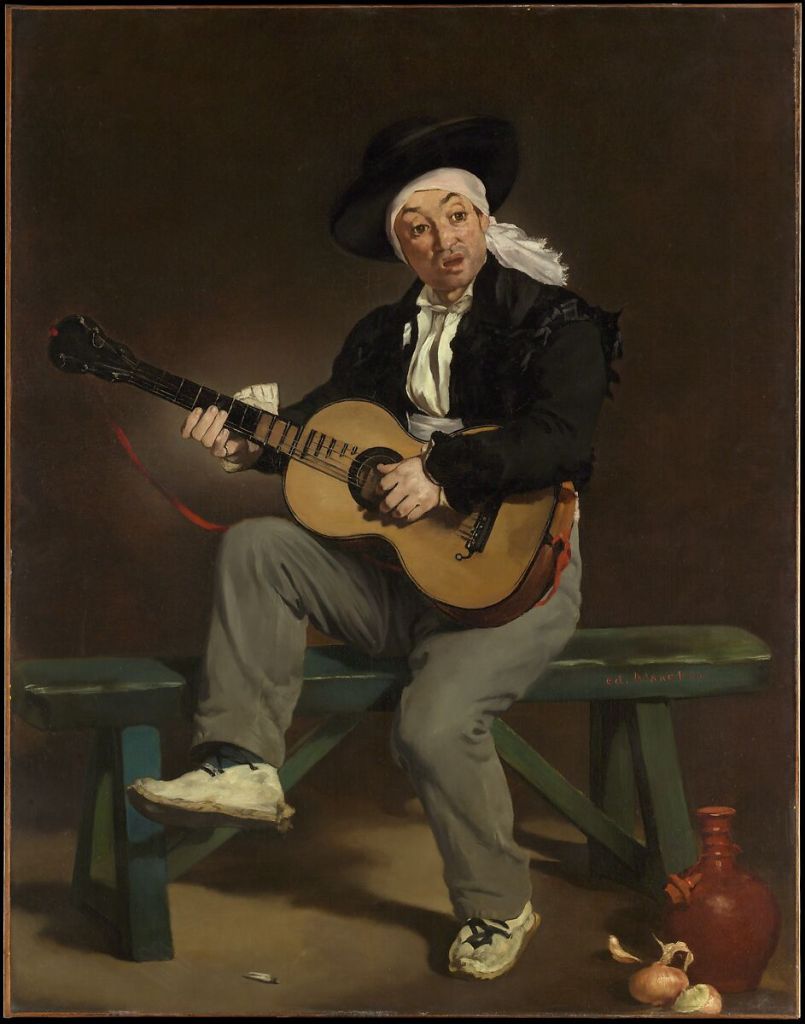
The modern classical guitar, often referred to as the Spanish guitar, was popularized by luthiers like Antonio de Torres. Torres made pivotal changes to the guitar’s design, including a larger body and a refined bracing system, which enhanced the instrument’s tonal richness and projection.
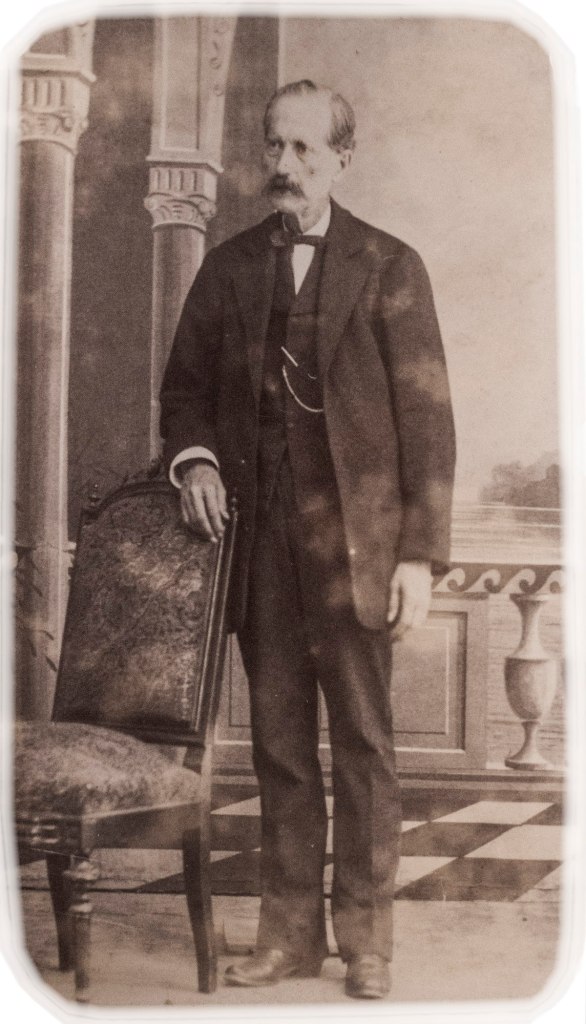
His innovations laid the groundwork for the guitars we see today, emphasizing a balance between volume and tonal quality. The fan bracing pattern he developed allowed for better vibration of the top wood, resulting in a fuller sound.
Acoustic Properties
Speaking of sound, the acoustic properties of the classical guitar are crucial to its unique voice. The combination of materials—typically a spruce or cedar top paired with rosewood or mahogany back and sides—creates a warm, rich tone that is highly sought after. The choice of woods impacts not only the sound but also the guitar’s response and sustain.

The neck of a classical guitar is generally wider than that of its steel-string counterpart, providing more space for fingerstyle techniques and intricate melodies. This wider neck, combined with nylon strings, allows for a softer, mellower tone that is perfect for the nuances of classical music. The tension of nylon strings is lower than that of steel strings, contributing to the overall warmth and ease of playability.
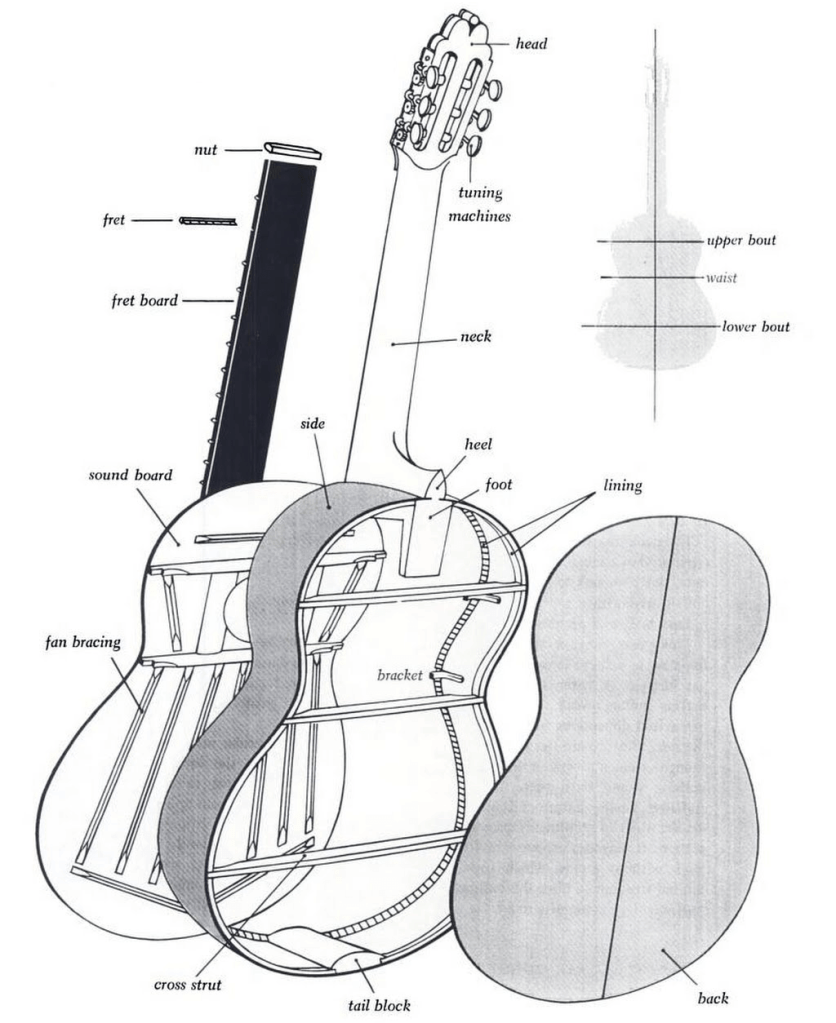
In summary, the classical guitar’s evolution from ancient string instruments to the modern design we know today has been shaped by historical influences and innovative craftsmanship. With its unique acoustic properties, the classical guitar continues to hold a special place in the hearts of musicians and music lovers alike, creating a sound that is both timeless and versatile.
Famous Classical Guitarists You Should Know
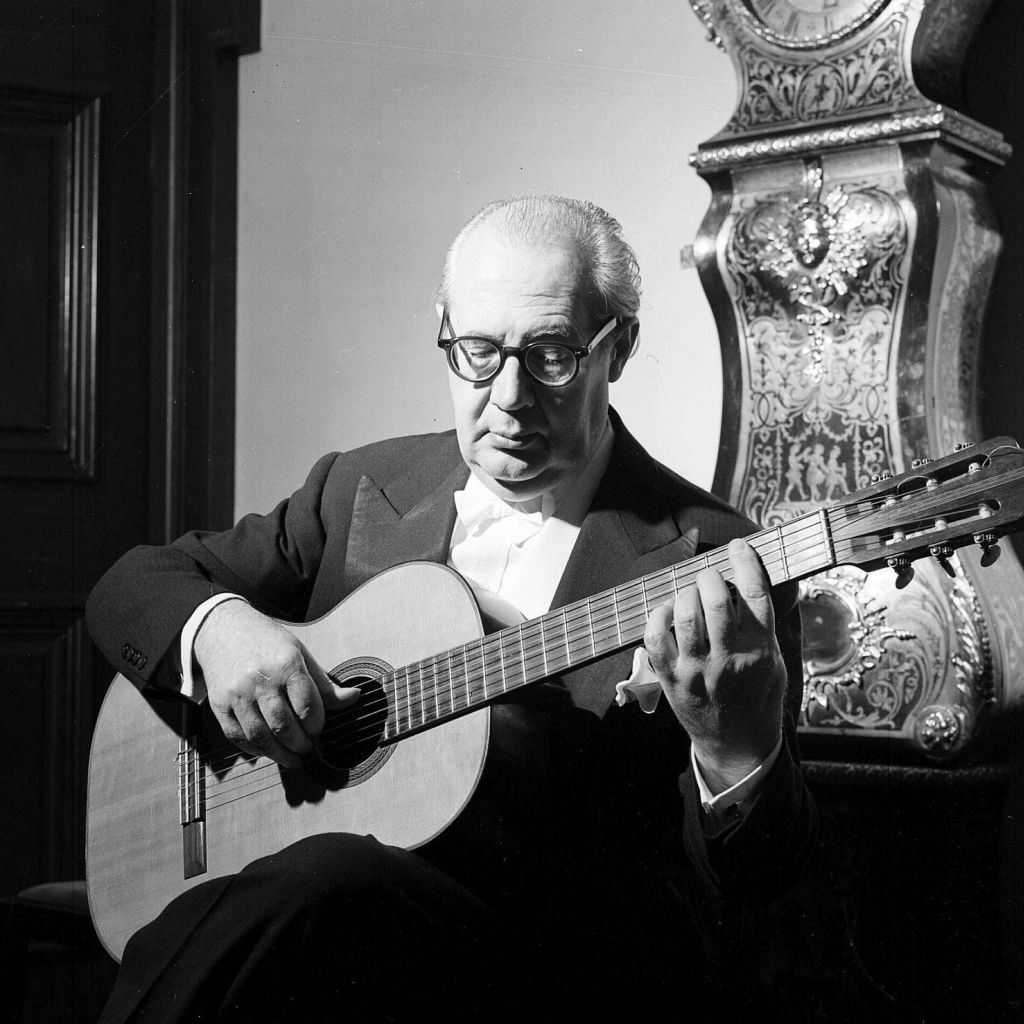
One of the key figures in the guitar world is Andrés Segovia. He’s like the godfather of modern classical guitar. Back in the 20th century, he was instrumental in bringing classical guitar to concert halls, showing everyone that this instrument could stand shoulder to shoulder with orchestral music. His dedication to the craft helped lay the groundwork for all the amazing players we have today.
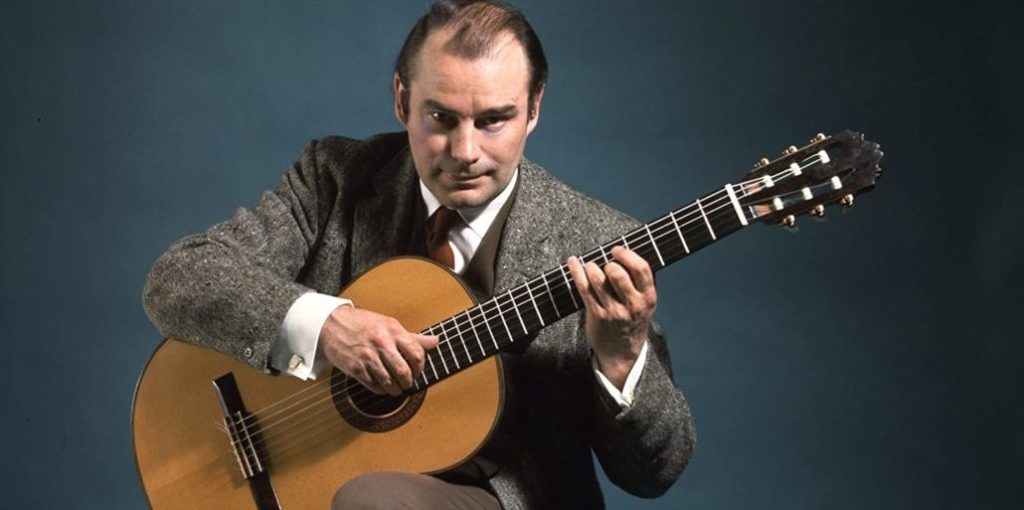
Speaking of amazing players, let’s talk about some of the legends who have graced the stage with their extraordinary skills. Julian Bream is another giant in the classical guitar scene. He had this incredible ability to bring both traditional and contemporary pieces to life, introducing new compositions and helping to expand the repertoire. His performances are nothing short of mesmerizing!
And then there’s John Williams, whose technical prowess is just mind-blowing. He’s known for blending classical traditions with a modern twist, and his recordings have captivated audiences around the globe. If you haven’t checked out his work, you’re in for a treat!

Don’t forget about Paco de Lucía, the flamenco maestro! His virtuosic playing style and innovative techniques made him a superstar in both the classical and flamenco worlds. If you want to feel the passion of Spanish guitar, his albums are a must-listen.

And let’s not overlook the incredible Ana Vidović, a rising star in the classical guitar community. Her emotive performances and impeccable technique are sure to leave you inspired.

Important Pieces That Define the Repertoire
Now, let’s get into some of the most iconic pieces you absolutely have to know. One of the most famous is “Asturias (Leyenda)“ by Isaac Albéniz. This piece is a fantastic showcase of the guitar’s rhythmic and melodic capabilities, drawing inspiration from Spanish folk music. If you hear it, you’ll probably feel the urge to tap your feet along!
Another beautiful piece is “Recuerdos de la Alhambra” by Francisco Tárrega. This one is all about the tremolo technique, creating a dreamy, nostalgic atmosphere. It’s perfect for transporting you to the romantic streets of Spain. And don’t miss “Canco del Lladre” by Miguel Llobet, which highlights the guitar’s emotional depth and storytelling ability. And for a real treat, check out “La Catedral” by Agustín Barrios Mangoré. This piece combines technical skill with lyrical beauty, making it a favorite among guitarists and audiences alike.
The Significance of Classical Guitar in the Guitar World
Why is classical guitar such a big deal in the music world? For one, it’s a foundational influence across numerous genres! The techniques honed in classical guitar have seeped into jazz, flamenco, rock, and pop, enriching the styles of countless guitarists. In the jazz realm, artists like Chet Atkins, Joe Pass, John McLaughlin, Earl Klugh, and John Knowles have all embraced classical guitar, weaving its techniques into their performances. On the heavier side, rock legends like Eddie Van Halen and Yngwie Malmsteen have also incorporated classical elements into their music. It’s amazing to see how the principles of classical guitar continue to shape and inspire modern sounds!







Plus, classical guitar serves as a fantastic educational tool for aspiring musicians. It teaches essential skills like fingerstyle technique, sight-reading, and music theory. Many guitarists start with classical training because it builds a solid foundation that can be applied to any genre.
Conclusion
In the end, classical guitar music is more than just a genre; it’s a vibrant part of the guitar world that continues to inspire and connect people. With its rich history, incredible players, and stunning repertoire, it remains a beloved tradition for musicians and audiences alike. Whether you’re a seasoned player or just starting, there’s always something new to discover in the realm of classical guitar!
Dive into the enchanting world of classical guitar with this Spotify playlist!

 oscaronguitars.com
Leave a comment