
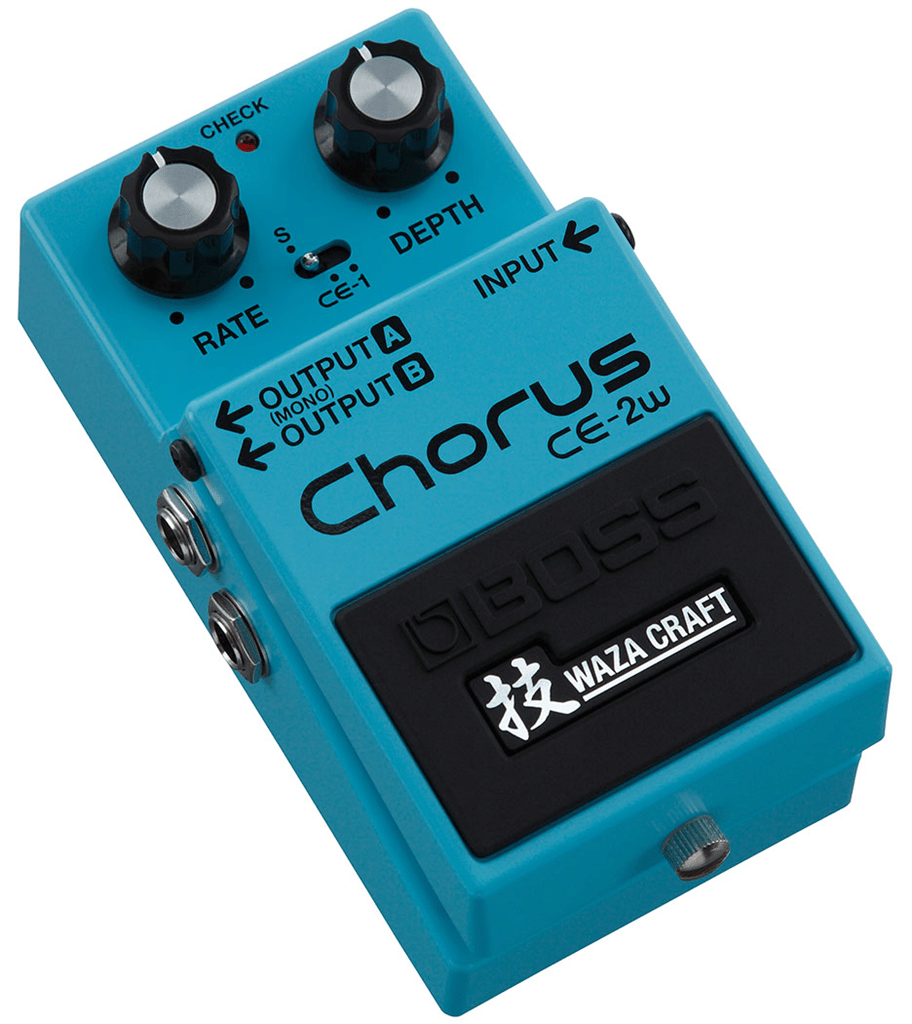
If you’ve ever listened to a track and wondered how those lush, shimmering sounds were created, chances are, the secret lies in the chorus effect. This effect is a staple in many guitarists’ pedalboards, but what exactly does it do, and how can it elevate your tone? Let’s dive into the world of chorus and find out how it can add some magic to your sound.
What Is a Chorus Effect?
At its heart, a chorus effect duplicates your guitar signal and then slightly alters the duplicate, mixing it back with the original. The result? A sound that’s richer and more immersive than a single guitar signal alone. Imagine if you had multiple versions of yourself playing the same part at slightly different times—this is the essence of what a chorus effect achieves.
How Does Chorus Work?
Here’s a breakdown of how a chorus effect works:
- Signal Duplication: The chorus pedal creates a copy of your guitar signal.
- Pitch Modulation: This duplicated signal is then slightly detuned or modulated in pitch, often using a Low-Frequency Oscillator (LFO) to create subtle variations in pitch.
- Delay: The modulated signal is delayed by a very short time, typically in the range of milliseconds. This creates the illusion of multiple guitars playing together.
- Mixing: The modulated signal is blended with the original signal, adding depth and dimension to your sound.

Key Parameters of Chorus Pedals
Understanding the key parameters of a chorus pedal can help you dial in the perfect sound:
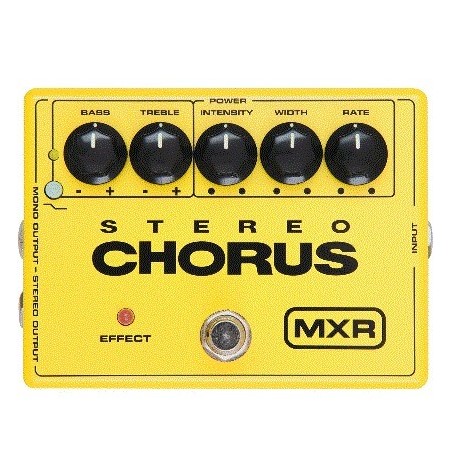
- Depth: This controls the intensity of the modulation. A higher depth means more pronounced pitch variation, making the chorus effect more noticeable.
- Rate: This determines how fast the pitch modulation occurs. A faster rate creates a more noticeable, almost vibrato-like effect, while a slower rate gives a more subtle chorus.
- Mix: This adjusts the balance between the dry (unaffected) signal and the wet (affected) signal. A higher mix level means more of the chorus effect is heard.
- Delay Time: This controls the amount of delay applied to the modulated signal before it’s mixed back with the original. Shorter delay times create a tighter, more subtle effect, while longer delays add more spaciousness.
Why Use a Chorus Effect?
Here’s why a chorus effect might become your go-to for adding flair to your guitar sound:
- Richness and Depth: Chorus adds a sense of spaciousness and complexity to your tone, making it sound fuller and more vibrant.
- Textural Variety: It can make a clean guitar sound more dynamic and interesting, or add a lush, sweeping quality to distorted tones.
- Ambient Quality: Chorus can give your sound an ambient, dreamy quality, which is fantastic for creating atmospheric textures in your playing.
- Enhanced Presence: Adding chorus to solos or rhythm parts can make them stand out more in the mix, giving your sound a bit of extra presence.
Types of Chorus Effects
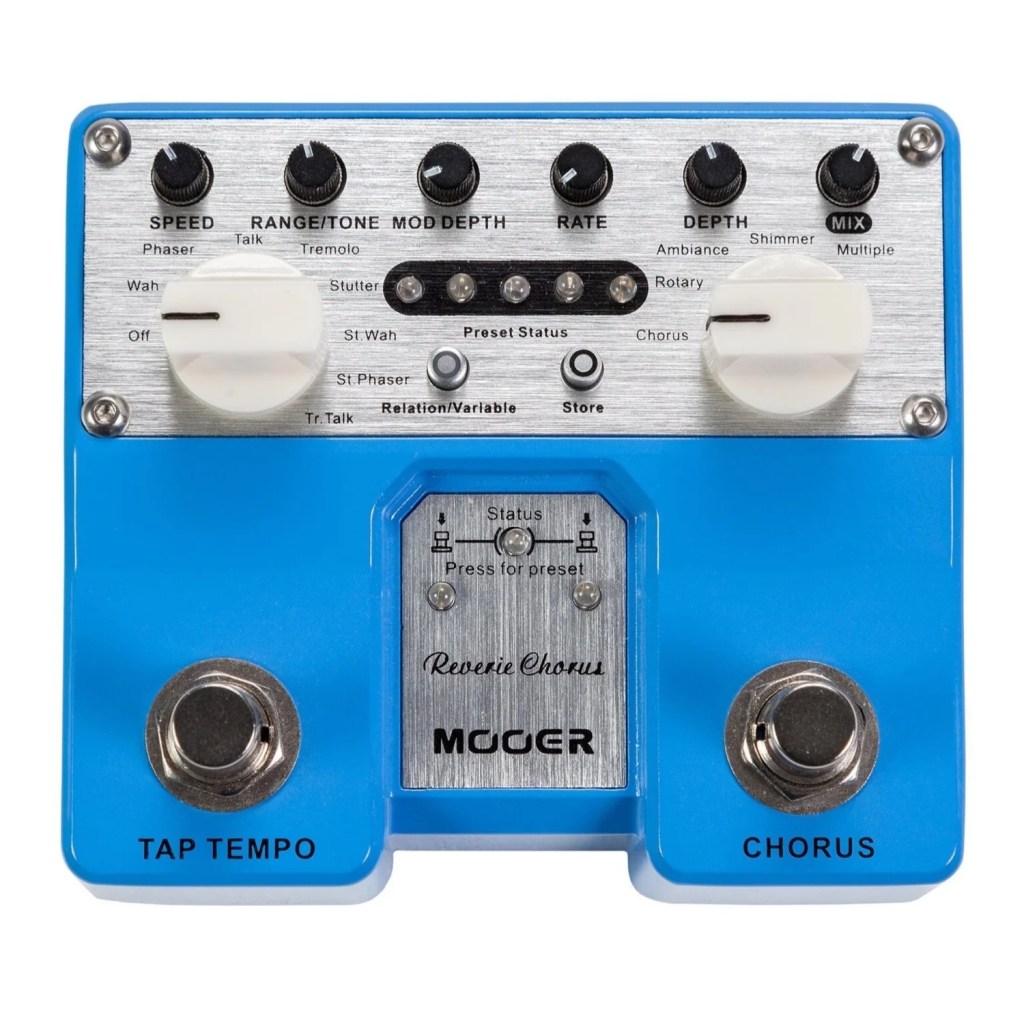
There are several types of chorus effects, each with its own character:
- Analog Chorus: Known for its warm, rich sound, analog chorus pedals use analog circuits to produce modulation. They’re prized for their classic, vintage vibe.
- Digital Chorus: Digital chorus pedals use digital processing to create modulation. They offer precise control over parameters and can reproduce a wide range of chorus sounds.
- Multi-Effects Units: Many modern multi-effects processors include chorus effects along with other effects, allowing for extensive customization.
How to Use a Chorus Effect
Here are some tips to make the most out of your chorus effect:
- Start Subtle: Begin with lower depth and rate settings to get a feel for how the chorus affects your tone. You can always increase these settings if you want a more pronounced effect.
- Experiment with Mix: Adjust the mix level to find the right balance between your dry and wet signals. Too much chorus can overwhelm your sound, while too little might not be noticeable.
- Combine with Other Effects: Chorus works well with other effects like delay or reverb. Experiment with different combinations to find the perfect sound for your playing style.
- Use Sparingly: While chorus is great for adding depth, using it too much can make your sound muddy. Apply it selectively to parts of your playing where you want to add texture.
- Match with Your Style: Different genres and playing styles might call for different chorus settings. For instance, a subtle chorus might work well for jazz, while a more pronounced effect could be perfect for shoegaze or ambient music.
Conclusion: Embrace the Chorus Effect
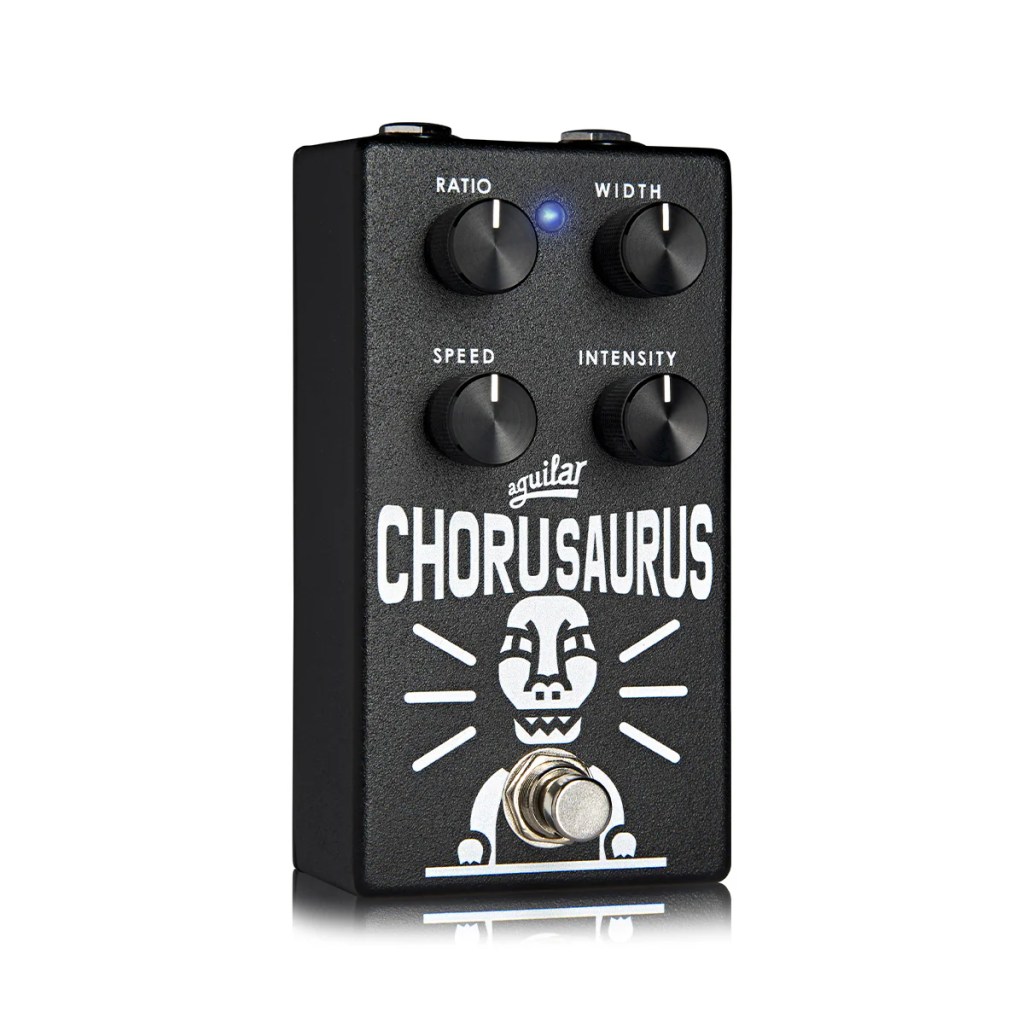
The chorus effect is a powerful tool for adding depth, richness, and a touch of magic to your guitar sound. By understanding how it works and experimenting with its various parameters, you can unlock a wide range of sonic possibilities. Whether you’re aiming for a lush, ambient sound or a subtle enhancement, chorus can be a game-changer for your tone. So, plug in, tweak those knobs, and let your creativity shine!
 oscaronguitars.com
Leave a comment