
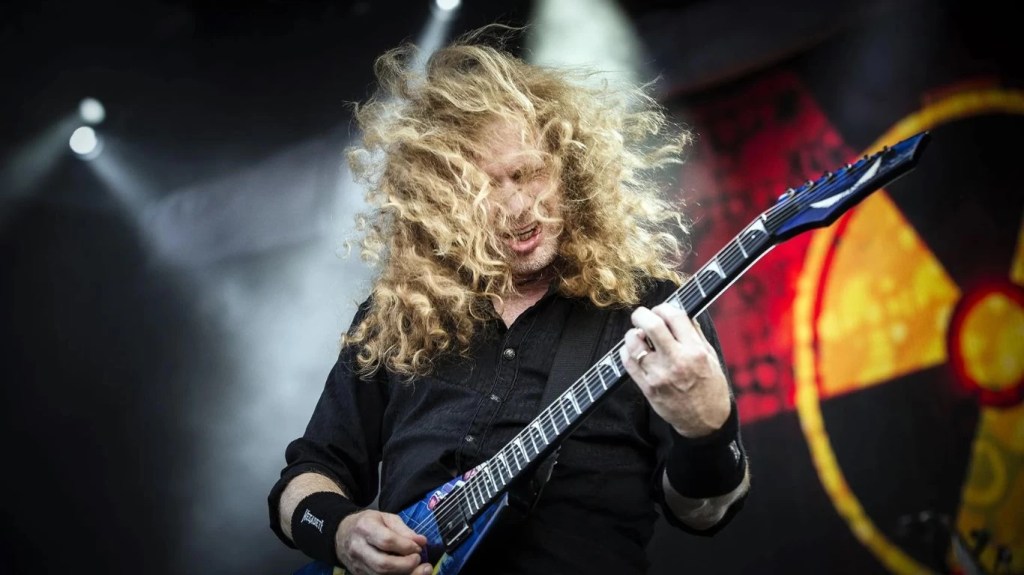
From Founding Metallica to Leading Megadeth
Dave Mustaine, born on September 13, 1961, in La Mesa, California, stands as one of the most pivotal figures in the history of heavy metal. His early career saw him join Metallica in its infancy as the original lead guitarist, a position that showcased his raw talent and aggressive playing style. Mustaine’s contributions to Metallica’s sound during its formative years, particularly in shaping the riffs and compositions of early tracks, were crucial in laying the foundation for what would become a genre-defining band.
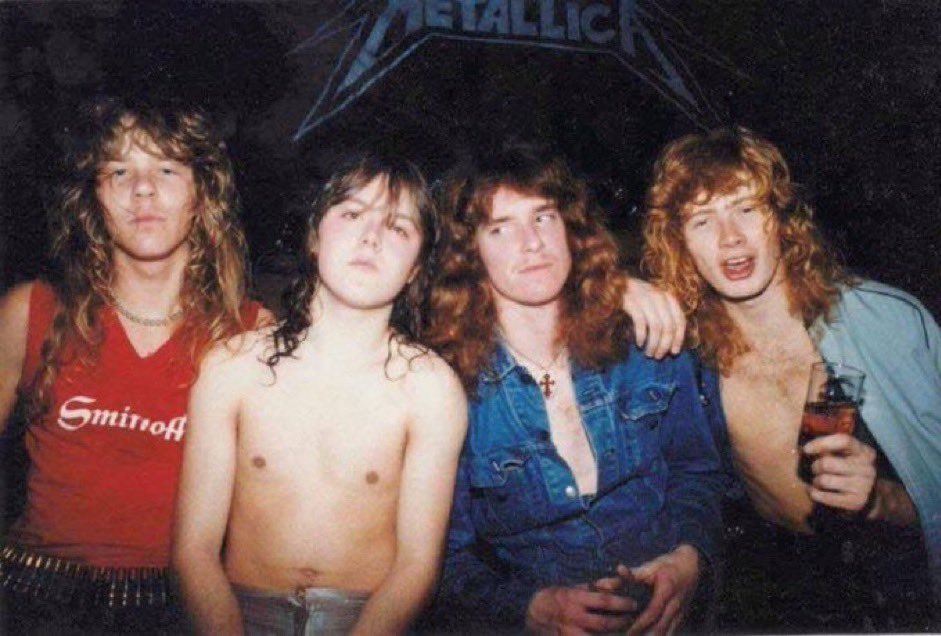
However, Mustaine’s tenure with Metallica was short-lived. In 1983, he was famously dismissed due to personal conflicts and substance abuse issues. This event, while devastating at the time, became a catalyst for Mustaine’s transformation as a musician and leader. Fueled by determination and a desire to surpass his former band, Mustaine founded Megadeth, a project that would go on to become a cornerstone of thrash metal and one of the “Big Four” bands, alongside Metallica, Slayer, and Anthrax.
From its inception, Megadeth stood apart with its razor-sharp precision, intricate arrangements, and a ferocity that pushed the boundaries of the thrash genre. Mustaine’s leadership brought a unique blend of technical complexity and searing intensity to the band’s music, setting a new standard for musicianship in heavy metal. Beyond the instrumentation, Mustaine’s politically charged and introspective lyrics added depth to Megadeth’s catalog, addressing topics such as global conflict, social corruption, and personal struggles with an intellectual edge that distinguished the band from its contemporaries. This combination of virtuosic guitar work and thought-provoking content cemented Megadeth’s status as a pivotal force in thrash metal, with Mustaine at its uncompromising helm.
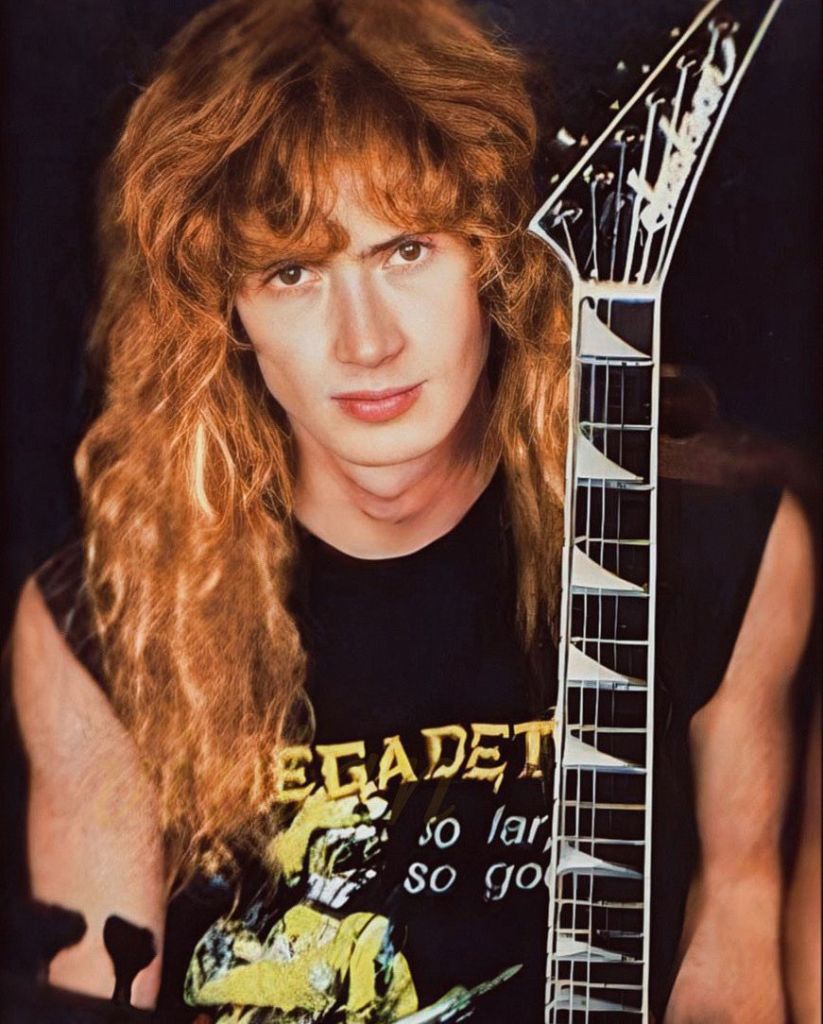
Megadeth: Pioneers of Technical Thrash
Under Dave Mustaine’s visionary leadership, Megadeth emerged as a powerhouse in thrash metal, releasing a series of groundbreaking albums that not only defined the band but also reshaped the genre itself. Landmark records such as Peace Sells… but Who’s Buying? (1986) and Rust in Peace (1990) are widely regarded as cornerstones of thrash metal, celebrated for their intricate musicianship, blistering tempos, and thought-provoking lyricism.
Peace Sells… but Who’s Buying? heralded Megadeth’s arrival as a force to be reckoned with. Tracks like “Wake Up Dead” and the title song, “Peace Sells,” exemplified Mustaine’s ability to combine ferocious riffs with a narrative voice that tackled societal issues head-on. The album’s raw energy and sharp commentary resonated with a generation disillusioned by political and social unrest, establishing Megadeth as a band with both substance and style.
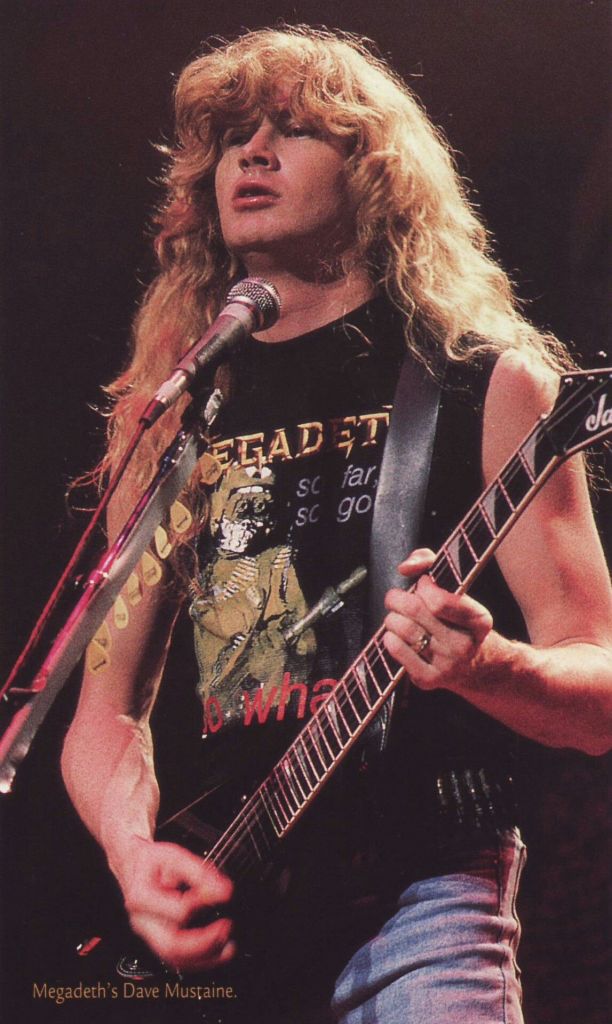
With Rust in Peace, Megadeth reached new creative heights. The album is a masterclass in technical complexity, with tracks like “Holy Wars… The Punishment Due” and “Hangar 18” featuring rapid-fire riffing, intricate guitar solos, and shifting time signatures that demand a high level of technical proficiency. These compositions showcased Mustaine’s evolution as both a guitarist and a songwriter, blending sheer aggression with an almost classical sense of structure and harmony.
Throughout Megadeth’s discography, Mustaine’s lyrics stand out for their intellectual depth and unflinching honesty. Themes of politics, war, addiction, and personal strife are explored with a mix of biting critique and introspection. This lyrical sophistication, paired with the band’s uncompromising technical standards, set Megadeth apart from many of their peers, cementing their legacy as innovators in the thrash metal movement.
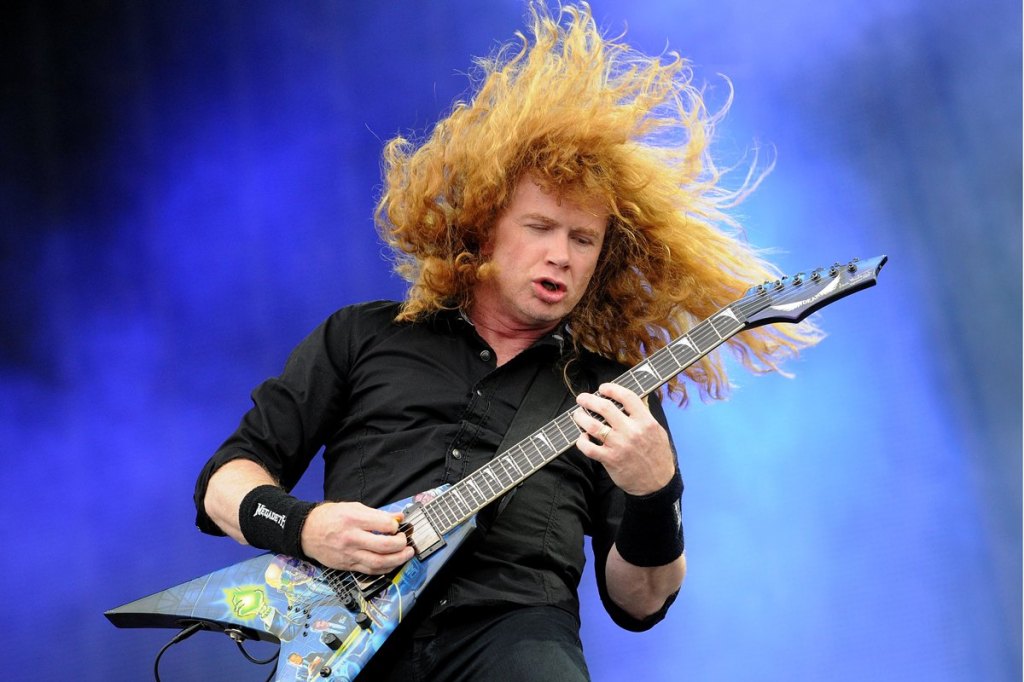
Iconinc Tracks: Shredding the System
Dave Mustaine’s catalog is rich with tracks that have defined the sound and ethos of thrash metal, showcasing his unparalleled technical skill and lyrical depth. These songs have become anthems for metal fans worldwide, standing as testaments to Mustaine’s artistry and influence.
- “Holy Wars… The Punishment Due”
Widely regarded as one of thrash metal’s greatest compositions, this multi-faceted epic from Rust in Peace is a tour de force of Mustaine’s songwriting and guitar prowess. The track begins with a galloping rhythm and politically charged verses addressing religious conflict, then transitions into a blistering instrumental section that highlights Mustaine’s precision and creativity. Its complex structure and virtuosic guitar solos set a benchmark for technical achievement in metal. - “Peace Sells”
The opening bassline, played by David Ellefson, is instantly recognizable, but it’s Mustaine’s snarling riff and provocative lyrics that make this song an enduring classic. From the album Peace Sells… but Who’s Buying?, the track critiques societal and political hypocrisies with biting sarcasm. Its combination of memorable hooks and thematic weight has made it a cornerstone of Megadeth’s live performances and thrash metal history. - “Symphony of Destruction”
A perfect blend of simplicity and power, this track from Countdown to Extinction became one of Megadeth’s most commercially successful songs. Built around a thunderous, mid-tempo riff, the song captures a sense of inevitability in its depiction of political manipulation and societal collapse. Its anthemic chorus invites audience participation, cementing its status as a fan favorite. - “Hangar 18”
A standout track on Rust in Peace, “Hangar 18” is a showcase of Mustaine’s technical mastery and storytelling. The song is driven by rapid-fire riffs and features an array of solos from both Mustaine and guitarist Marty Friedman. The lyrics, inspired by conspiracy theories surrounding extraterrestrial life, add a layer of intrigue to this high-octane piece, which remains a staple in Megadeth’s live setlists.
These tracks not only highlight Mustaine’s skill as a guitarist and songwriter but also underscore his ability to blend aggression, melody, and narrative. Together, they form the backbone of a legacy that continues to inspire metal musicians and fans alike.
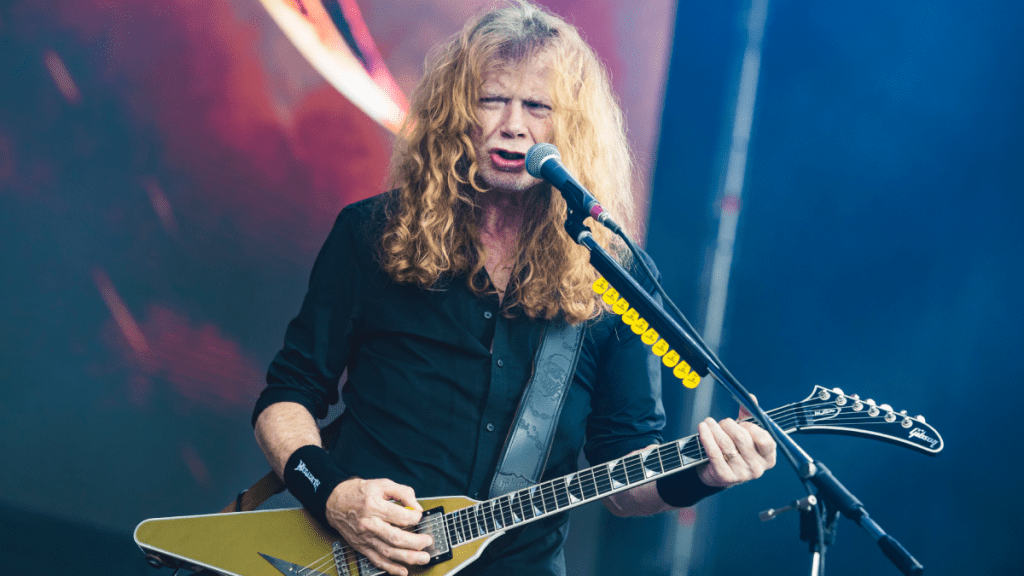
Gear and Style: The Mustaine Arsenal
Dave Mustaine’s signature playing style and tone are integral to his identity as one of metal’s most influential guitarists. Known for his precision and aggression, Mustaine’s technique combines rapid alternate picking, intricate riffing, and a keen sense of melody, setting him apart as a technical innovator in thrash metal.

Guitars: Precision Meets Power
Central to Mustaine’s arsenal is the Dean VMNT, his signature guitar. Designed to meet the demands of thrash metal, the VMNT features a sleek, V-shaped body for ergonomic playability and aggressive aesthetics. Equipped with Seymour Duncan Mustaine Active Pickups, the guitar delivers a sharp, articulate tone with the clarity needed for complex riffs and solos. These pickups provide the punch and definition necessary for high-speed playing without sacrificing warmth and depth. In addition to the VMNT, Mustaine has previously used guitars from Jackson, ESP, and Gibson, each tailored to his evolving preferences over the decades.
Amplification: Crushing Tone
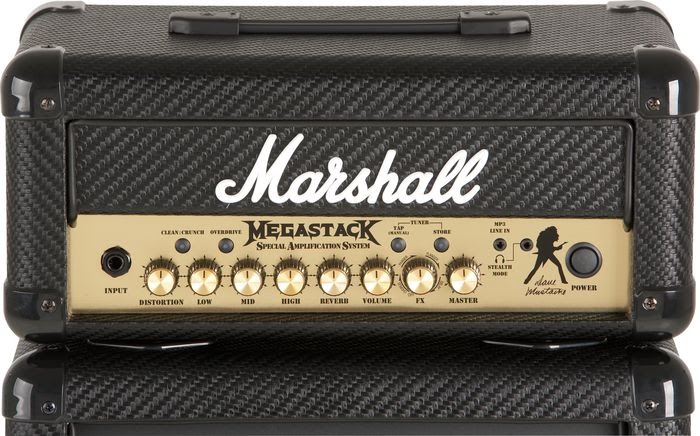
Mustaine’s rig has evolved to ensure his tone remains as cutting-edge as his playing. He often relies on high-gain amplifiers like Marshall JCM800s, which are synonymous with classic metal tones. More recently, he collaborated with Friedman Amplification to create his signature Dave Friedman amp, designed to capture his distinct, overdriven sound. These amplifiers deliver the saturated, crunchy distortion that defines Megadeth’s aggressive sound, while maintaining the clarity needed for fast, intricate passages.
Effects and Customization
While Mustaine keeps his effects usage relatively minimal, his pedalboard includes key components to fine-tune his tone. He often uses pedals like a Wah for expressive soloing, a Noise Gate to maintain clarity during rapid riffs, and occasional Delay or Reverb to add depth to solos. His dedication to tone extends to customizations, ensuring every element of his gear—from cables to speakers—contributes to his unmistakable sound.
Playing Style: Aggression and Complexity
Mustaine’s playing is rooted in his mastery of alternate picking, allowing for rapid, percussive note articulation. His riffs are often densely packed with palm-muted chugs, syncopated rhythms, and chromatic runs, requiring a high degree of precision. His solos blend technical prowess with melodic phrasing, drawing influences from classical music to create passages that are both aggressive and sophisticated.
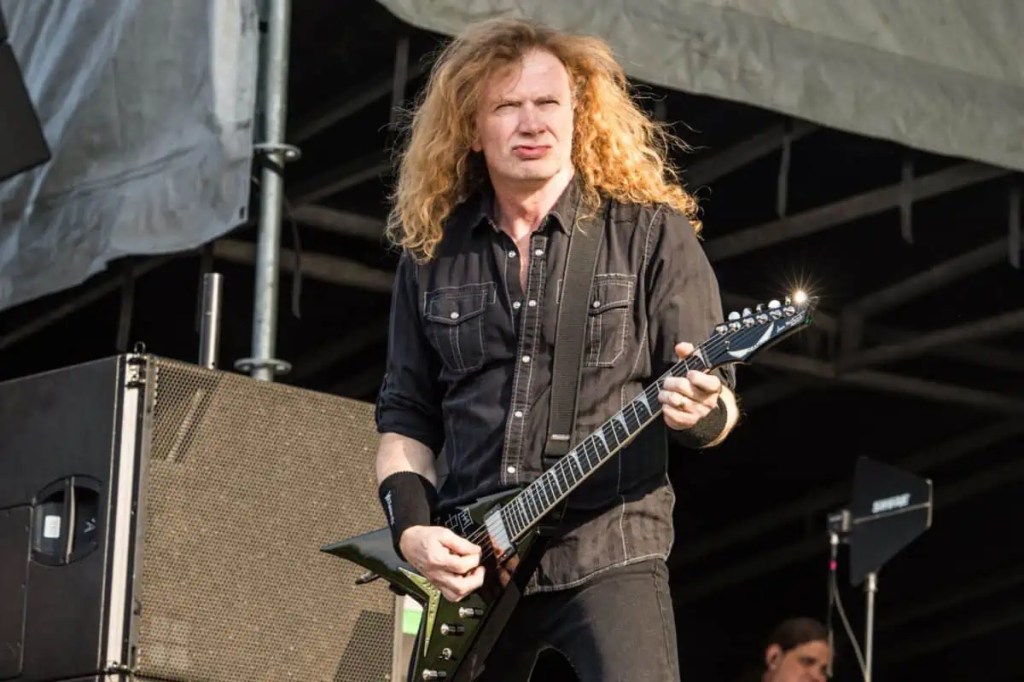
Legacy in Gear Innovation
Beyond his personal setup, Mustaine has been instrumental in advancing guitar and amplifier design, collaborating with manufacturers to develop instruments and equipment tailored to thrash metal’s rigorous demands. His contributions have influenced the design philosophies of modern gear, benefiting generations of guitarists.
Mustaine’s gear and playing style are more than tools; they are extensions of his identity as a musician. Together, they embody the relentless energy, technical brilliance, and uncompromising vision that have defined his career and cemented his legacy in the annals of metal history.
Influence and Impact
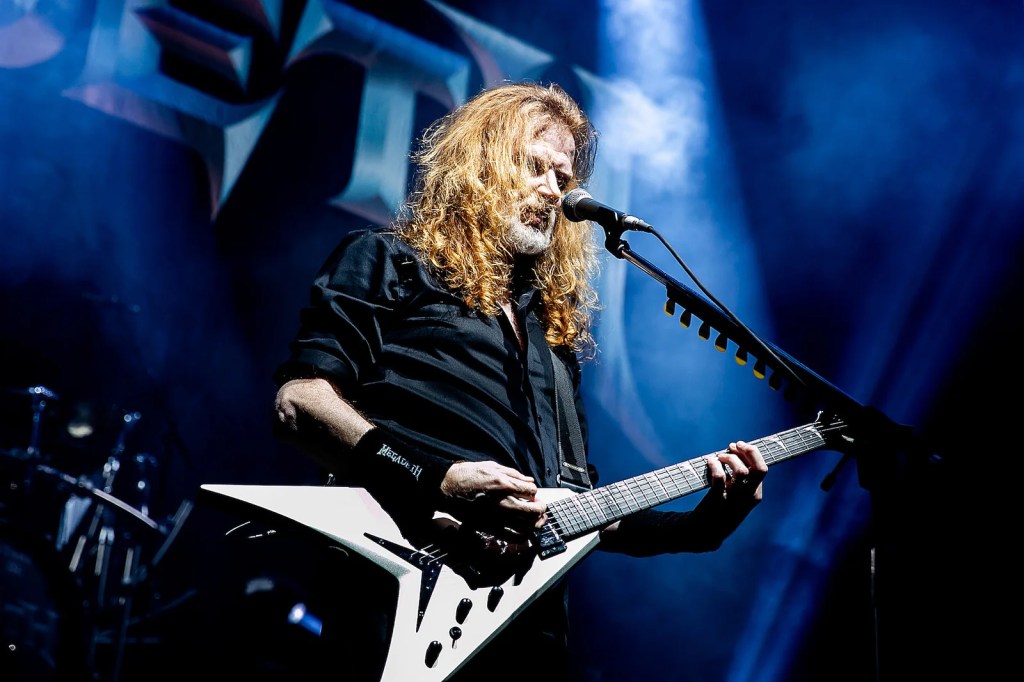
Dave Mustaine’s contributions to the evolution of heavy metal, particularly thrash metal, are immeasurable. As one of the driving forces behind the American thrash metal movement, Mustaine not only helped define the genre but also pushed its boundaries, setting a high standard for technical proficiency and songwriting. His relentless pursuit of innovation has left a profound imprint on the metal community and beyond.
Pioneer of Thrash Metal
Mustaine’s role in shaping thrash metal is both foundational and transformative. As a member of Metallica during its formative years, he was instrumental in crafting some of the riffs and ideas that defined the band’s early sound. After his departure, Mustaine channeled his determination into founding Megadeth, a band that would rival and complement Metallica in its influence. Megadeth’s music brought a new level of complexity and sophistication to thrash, blending aggressive tempos and intricate arrangements with politically and socially charged lyrics.
Technical Mastery and Musical Innovation
A virtuoso guitarist, Mustaine’s approach to the instrument is characterized by rapid alternate picking, tightly structured riffs, and seamlessly integrated melodic solos. His ability to marry raw aggression with technical finesse has inspired countless musicians across genres. Albums like Rust in Peace are frequently cited as technical benchmarks, showcasing his skill in crafting compositions that challenge even the most seasoned guitarists.
Beyond his playing, Mustaine’s songwriting is equally impactful. He introduced an intellectual edge to thrash metal, addressing themes such as geopolitics, societal corruption, personal struggle, and existential dilemmas with a lyrical depth rarely seen in heavy music. This balance of technicality and thought-provoking content has set Megadeth apart and solidified Mustaine’s legacy as a trailblazer.
A Legacy of Resilience
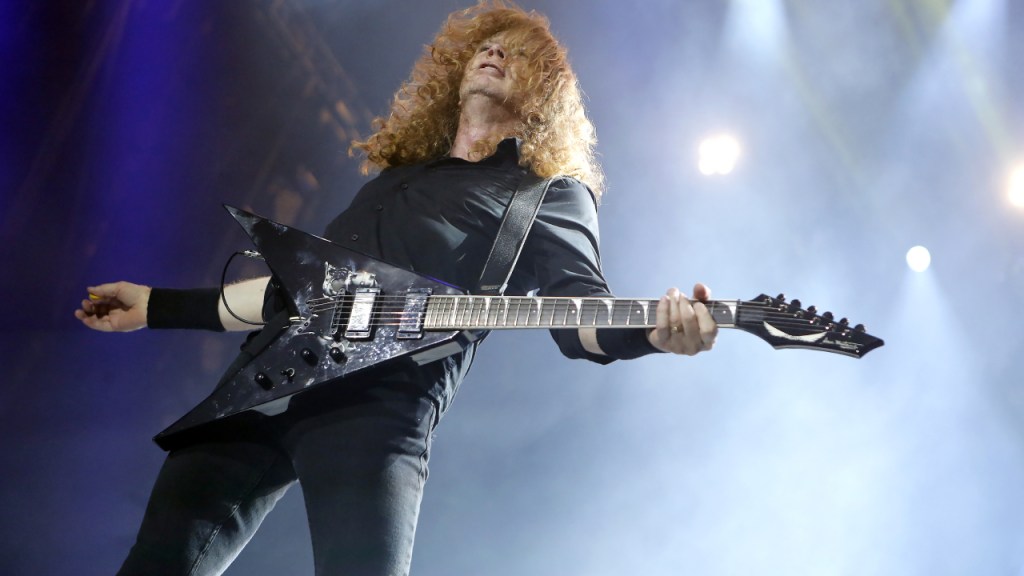
Mustaine’s journey is as much about resilience as it is about musical accomplishment. Overcoming the adversity of his dismissal from Metallica, struggles with addiction, and later, a battle with throat cancer, Mustaine has continuously reinvented himself and his music. His resilience has made him a symbol of perseverance, earning respect even among his critics.
Influence Beyond Music
Mustaine’s impact reaches beyond the confines of thrash metal. His collaborations with guitar and amplifier manufacturers have influenced gear design, while his outspoken personality has sparked debates and inspired discussions within the music industry. As an author, producer, and mentor, Mustaine has shared his knowledge and experiences, shaping the careers of up-and-coming artists and ensuring the continuation of metal’s legacy.
A Place in Rock History
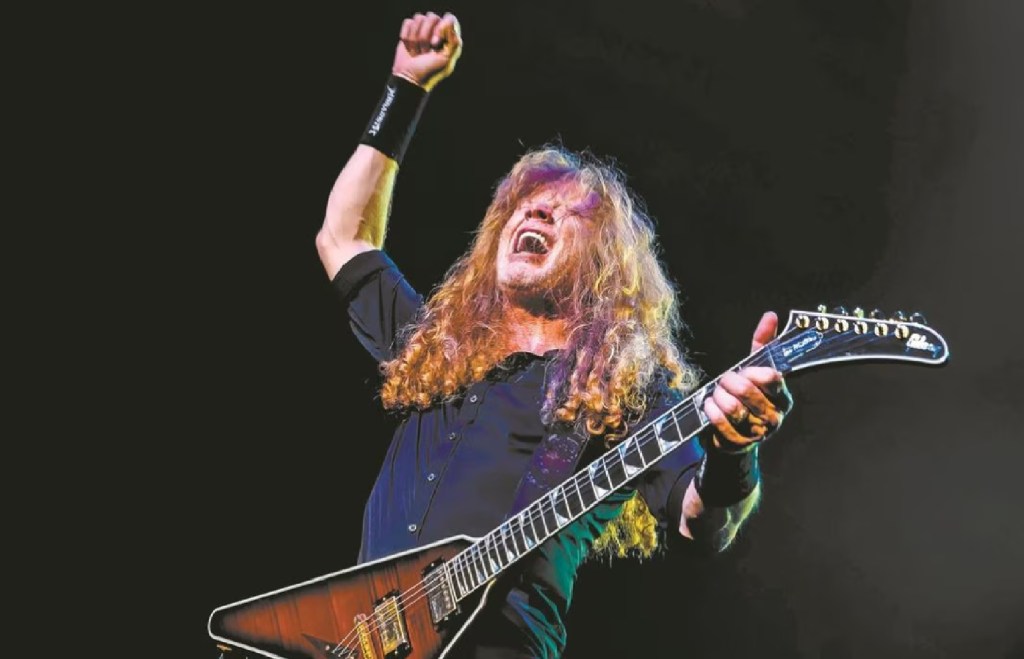
Mustaine’s combination of technical brilliance, lyrical depth, and an indomitable spirit has earned him a unique and enduring place in the annals of rock history. As the frontman of Megadeth, he continues to lead one of the most influential bands in metal, while his innovations and contributions to the genre remain a source of inspiration for future generations. In the world of heavy music, Dave Mustaine is not just a player but a pioneer and a legend.
Dave Mustaine’s legacy in heavy metal is a testament to his relentless drive, unparalleled talent, and innovative spirit. As the mastermind behind Megadeth, he has consistently pushed the boundaries of thrash metal, blending blistering technical proficiency with thought-provoking themes that resonate deeply with fans across generations. His intricate compositions and distinctive guitar work have redefined what it means to be a metal musician, setting standards that continue to inspire and challenge the music world.
Through decades of personal and professional challenges, Mustaine’s resilience and commitment to his craft have remained unwavering. From his early days in Metallica to his evolution as the driving force of Megadeth, Mustaine has proven that determination and creativity can transform adversity into greatness. Today, he stands as a towering figure in the history of heavy music—a pioneer, a trailblazer, and an enduring force in the genre he helped to shape.
Bonus Track: 10 Facts About Dave Mustaine
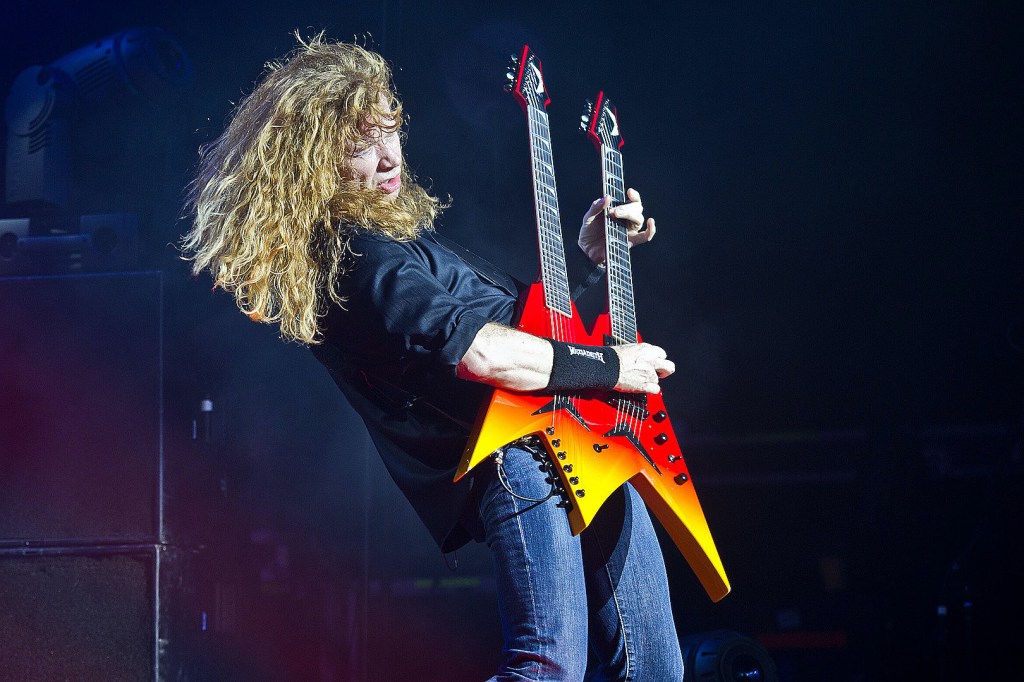
- Early Expulsion: His departure from Metallica fueled his determination to surpass his former band.
- Classical Influences: Incorporates elements of classical music into his guitar solos and compositions.
- Cancer Survivor: Mustaine battled and overcame throat cancer, an ordeal that has impacted his perspective and creativity.
- Author: Has published autobiographies detailing his life, struggles, and insights into the music industry.
- Political Commentary: Known for his sharp and often controversial political commentary, reflecting his deep engagement with global issues.
- Acoustic Experiments: Has explored acoustic and softer music styles, showing his versatility as a musician.
- Voice Actor: Has lent his voice to several animated series, showcasing his flair for drama.
- Guitar Innovator: Collaborated extensively with manufacturers to develop guitars and amps that meet the specific needs of thrash metal guitarists.
- Philanthropy: Involved in charitable activities, particularly those supporting cancer patients and music education.
- Mentor and Producer: Has produced albums for other bands and mentored young musicians, influencing the next generation of metal artists.
 oscaronguitars.com
Leave a comment