

Starting your guitar journey can feel like stepping into a new universe—so many parts, strings, and accessories to choose from! But don’t worry, that’s what the Beginner’s Corner is all about.
With so many parts, types of strings, and accessories out there, where do you even begin? Don’t worry—I’ve got your back! In this article, we’ll break down the essential components of a guitar, talk about the different types of strings, and highlight some must-have accessories to kickstart your musical journey. Let’s dive in!
The Main Parts of a Guitar
Understanding your instrument is key to becoming a better player. Here’s a quick rundown of the main parts of both acoustic and electric guitars:
- Body: The large part of the guitar that produces sound. In acoustics, it’s hollow, while electrics are usually solid or semi-hollow.
- Neck: This long section holds the fretboard and allows you to press the strings to create different notes.
- Fretboard: Located on top of the neck, this is where you place your fingers to play notes. It’s marked with frets, which are the metal strips that help you know where to press.
- Headstock: The top part of the guitar where the tuning pegs are located. This is where you tune your guitar to ensure it sounds just right!
- Bridge: The part that holds the strings in place on the body of the guitar. It’s also where vibrations are transmitted to create sound.
- Pickups (Electric Guitars): These are the magnetic devices that capture the vibrations of the strings and turn them into electrical signals. They’re crucial for getting that awesome electric sound!

Types of Guitar Strings
Once you’ve got a handle on the guitar parts, let’s talk about strings! Your choice of strings can impact your sound and playability. Here are the main types:
- Nylon Strings: Often used for classical and flamenco guitars, these strings are softer and easier on your fingers, making them great for beginners.
- Steel Strings (for Acoustic Guitars): Found on most acoustic guitars, steel strings provide a brighter tone but can be tougher on the fingers, especially for new players.
- Steel Strings (for Electric Guitars): These come in various gauges (thicknesses) and materials. Lighter strings are easier to play, while heavier strings produce a fuller sound.
When starting out, it’s usually best to choose lighter gauge strings. They’ll be gentler on your fingers while you’re building strength and technique.
Buying an Amp: Your Key to Great Tone
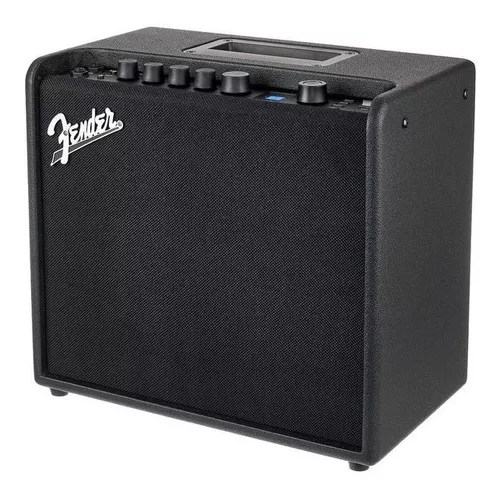
If you’re starting with an electric guitar, picking the right amp is essential. Beginners should look for a 10–20 watt amp with built-in features like effects and headphone jacks for silent practice. A versatile practice amp is the ideal starting point. Here are two great options:
- Practice Amps: Compact and user-friendly, with built-in effects. The Fender Mustang LT25 offers an intuitive interface and a wide range of tones, perfect for beginners.
- Solid-State Amps: Reliable and lightweight, providing consistent tone. The Boss Katana Gen 3 delivers excellent sound with numerous effects, customizable via the Boss Tone Studio software.
Essential Accessories
Now that you know the basics of your guitar and strings, let’s cover some essential accessories to enhance your playing experience:
- Tuner: A good tuner is a must-have to keep your guitar sounding its best. Clip-on tuners are easy to use and affordable! If you prefer an app, GuitarTuna is great for both iOS and Android, offering a user-friendly interface and various tuning options.
- Metronome: A metronome will help you play at the right tempo, which is incredibly important for developing your timing and rhythm. A good metronome app is Pro Metronome, which is available for both iOS and Android. It offers various time signatures, subdivisions, and practice features to suit your needs.
- Picks: Whether you prefer fingerpicking or using a pick, having a few picks in different thicknesses will help you find your preferred style. Experiment with various materials and shapes to see what feels best in your hand.
- Guitar Strap: If you plan on playing standing up, a strap is essential for keeping your guitar secure and comfortable. Look for adjustable straps that provide good support and are made of comfortable materials.
- Gig Bag or Case: Protect your guitar with a gig bag for light transport or a hard case for extra protection. A gig bag is great for casual outings, while a hard case offers maximum protection for travel or storage.
- String Winder and Cutter: These essential tools streamline the string-changing process, saving you time and effort. Opt for a combined winder and cutter for maximum convenience. If you want to take it up a notch, invest in a motorized winder like the $20 bucks Ernie Ball Power Peg—it makes restringing a breeze and is worth every penny. Trust me, you’ll thank yourself during your next string change!
- Capo: This handy tool lets you change the key of your guitar without having to learn new finger positions. It’s great for playing along with different songs and makes it easier to experiment with different sounds and styles.
Conclusion
Getting to know the basics of your guitar, the types of strings, and the essential accessories can make a huge difference in your playing experience. Embrace the learning process, and don’t be afraid to ask questions as you go! Remember, every guitarist starts somewhere, so take your time, enjoy the journey, and most importantly, have fun making music!
 oscaronguitars.com
Leave a comment