
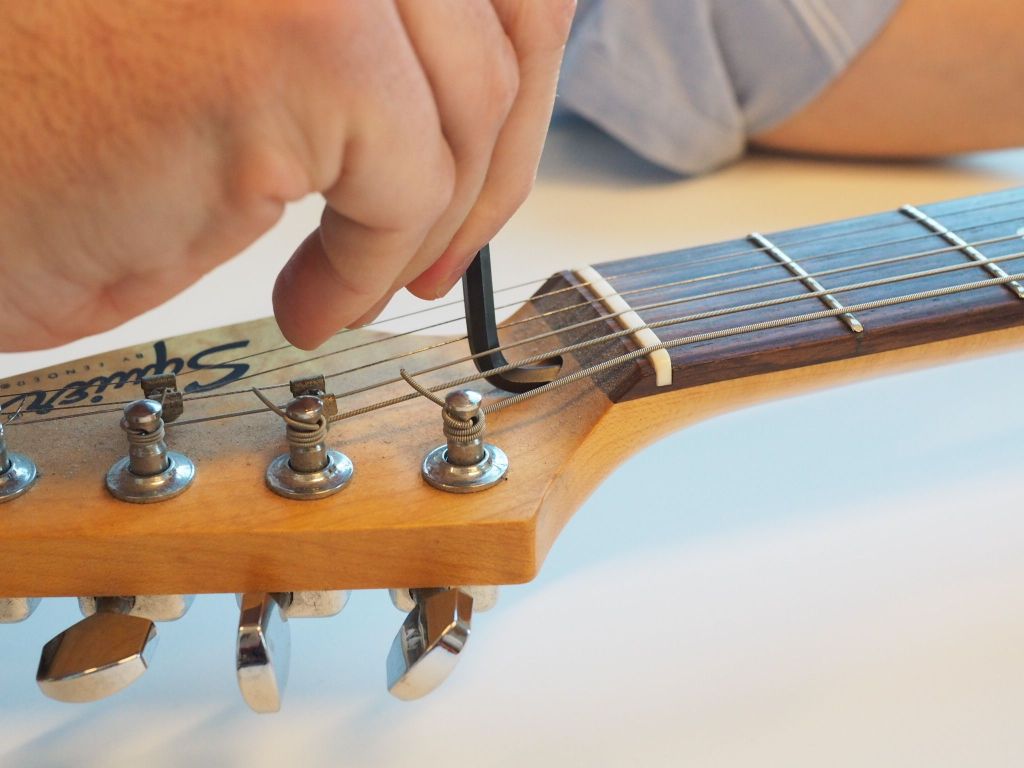
1. What Is a Guitar Setup?
Before we get into why setup is so important, let’s define what it actually is. A guitar setup is a process of adjusting various parts of the instrument to ensure it plays as smoothly as possible. This includes adjusting the neck, string height (action), intonation, and often a few other tweaks to make sure everything is in perfect harmony.
Key Elements of a Guitar Setup:
- Truss Rod Adjustment: Ensures the neck has the correct amount of relief (slight curvature) to prevent fret buzz and make the guitar easier to play.
- Action Adjustment: Refers to the height of the strings above the fretboard. The right action makes playing comfortable and reduces the chance of buzzing.
- Intonation: Ensures that the guitar stays in tune as you play up and down the neck, particularly when playing chords higher on the fretboard.
- Pickup Height (for Electrics): Adjusting the distance between the pickups and the strings can affect the guitar’s tone and output.
- Nut and Saddle Adjustment: Fine-tuning these parts ensures the strings sit correctly at both ends of the guitar, contributing to better intonation and playability.
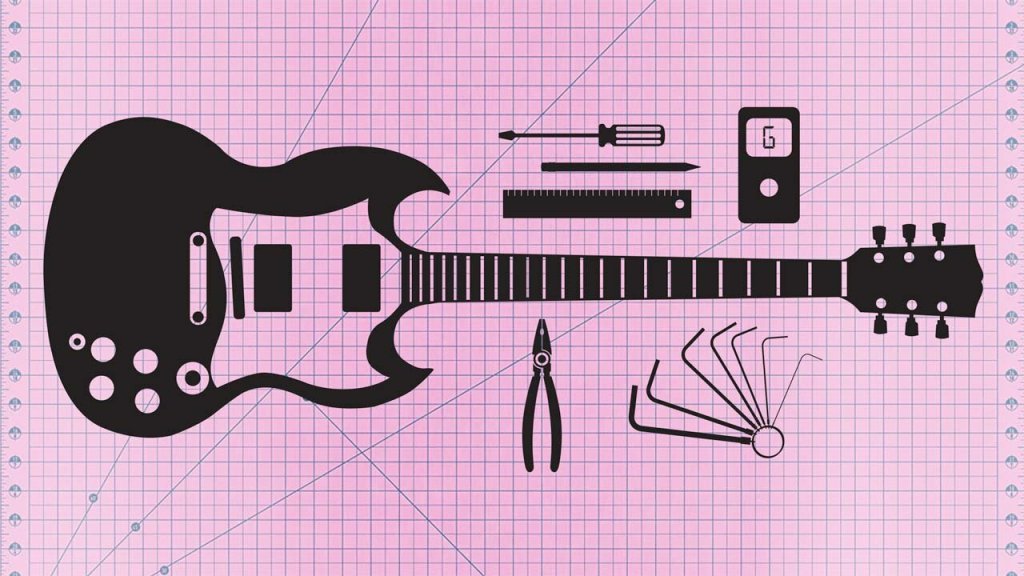
2. Why Setup Matters: The Benefits of a Properly Set Up Guitar
A proper guitar setup isn’t just about making minor adjustments—it’s about transforming the instrument into one that feels great under your fingers and sounds the way it should. Here’s why it matters:
1. Playability:
A well-set-up guitar is easier to play. The action is just right, the strings don’t buzz, and every note rings out clearly. This makes it more enjoyable to practice and helps you play more confidently.
2. Sound Quality:
Even a high-quality guitar can sound off if it’s not properly set up. Proper intonation ensures that your chords and notes sound in tune across the entire fretboard. Adjusting the pickups on an electric guitar can also optimize your tone.
3. Comfort:
The right setup makes playing physically comfortable, which is especially important if you’re spending hours practicing. A poorly set-up guitar can cause hand strain or make it difficult to press down the strings, leading to frustration.
4. Longevity:
Regular setups can also extend the life of your guitar. By maintaining proper neck relief and action, you reduce the risk of long-term damage to the neck or fretboard, keeping your instrument in top shape for years to come.

3. When Should You Get a Setup?
So, when should you get your guitar set up? Ideally, every new guitar should go through a setup before it’s played extensively. Even if your guitar feels okay right out of the box, a setup can fine-tune it to your specific preferences and playing style.
Situations Where a Setup Is Necessary:
- New Guitar: Most new guitars benefit from an initial setup to correct any issues from the factory or shipping.
- Seasonal Changes: Changes in temperature and humidity can affect your guitar’s neck and action, requiring a setup.
- String Changes: Switching to a different string gauge often necessitates a new setup to accommodate the change in tension.
- Playability Issues: If your guitar feels hard to play, buzzes, or doesn’t sound right, a setup can usually fix the problem.
Tip: Even if your guitar has been set up before, it’s a good idea to have it checked regularly, especially if you notice any changes in how it plays or sounds.
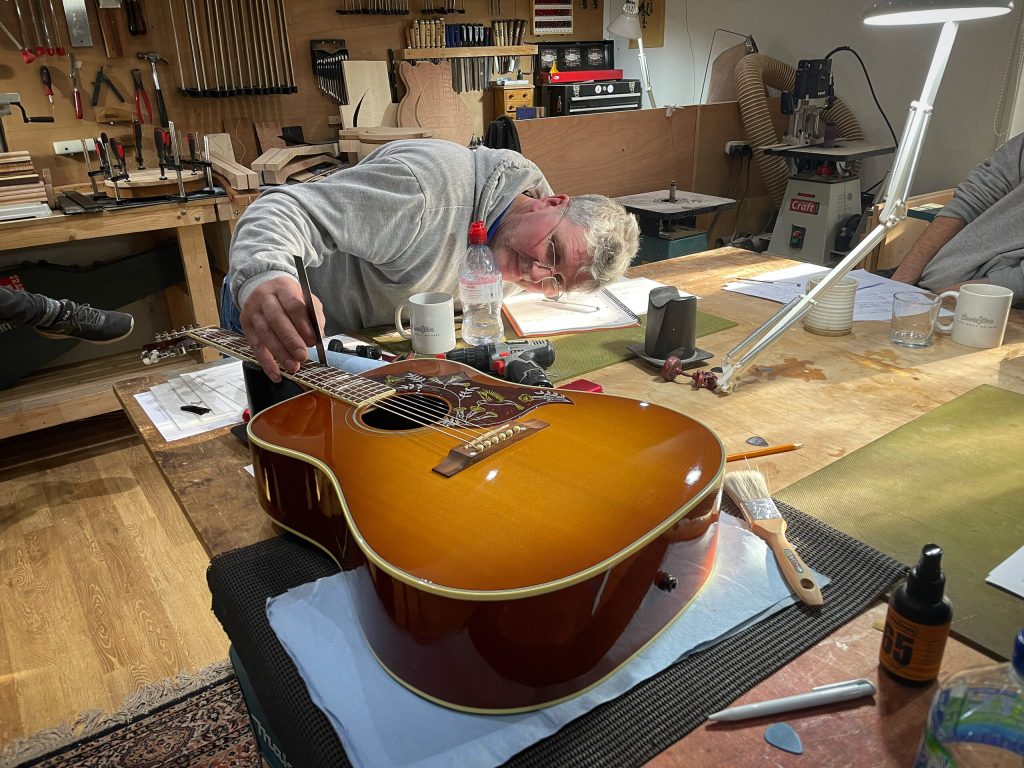
4. DIY Setup vs. Professional Setup: What’s Right for You?
When it comes to guitar setups, you have two options: doing it yourself or taking it to a professional. Each has its pros and cons.
DIY Setup:
- Pros:
- Cost-effective (once you have the necessary tools).
- Allows you to make adjustments to your liking whenever needed.
- Helps you learn more about your guitar and how it works.
- Cons:
- Requires a good understanding of the guitar’s mechanics.
- Easy to make mistakes that could potentially damage your guitar.
- Time-consuming if you’re not experienced.
Professional Setup:
- Pros:
- Done by someone with expertise and experience.
- Ensures your guitar is set up perfectly without the risk of mistakes.
- Usually includes additional tweaks and inspections you might not think of.
- Cons:
- Costs more than a DIY setup.
- You’ll need to find a trusted technician, which can take time.
- May require leaving your guitar at the shop for a few days.
Tip: If you’re new to guitars or just want the peace of mind that comes with a perfect setup, it’s worth taking your guitar to a professional. However, if you’re comfortable with the mechanics and want to learn, starting with minor adjustments yourself can be a rewarding experience.

5. How to Ensure Your Guitar Is Perfectly Set Up
Whether you’re doing the setup yourself or taking it to a pro, here’s how to ensure your guitar is set up to play like a dream:
1. Check the Action:
Make sure the string height feels comfortable to you. The action shouldn’t be so high that it’s hard to press down the strings, but it also shouldn’t be so low that the strings buzz.
2. Test the Intonation:
Play notes at the 12th fret and compare them to the harmonic at the same fret. They should match in pitch. If they don’t, the intonation needs to be adjusted.
3. Look for Buzzing:
Play every note on the fretboard and listen for any buzzing or dead spots. If you hear any, it could be a sign that the action or neck relief needs adjustment.
4. Play Your Favorite Songs:
After a setup, play some of your go-to songs or riffs. The guitar should feel smooth and easy to play, with a clear, consistent tone across all the strings and frets.
5. Get Feedback:
If you had a professional setup, don’t hesitate to ask them what adjustments were made and why. This will help you understand your guitar better and know what to expect in the future.
Conclusion: A Setup Is Essential for Every Guitar
No matter how much you spend on a guitar, a proper setup is essential to ensure it plays at its best. Whether you’re a beginner or a seasoned player, taking the time to set up your guitar—or having it done professionally—can make a world of difference in your playing experience.
So, before you dive into hours of practice or performance, make sure your guitar is set up to play like a dream. It’s a small investment of time and money that will pay off in better sound, improved playability, and greater enjoyment every time you pick up your instrument.
 oscaronguitars.com
Leave a comment