
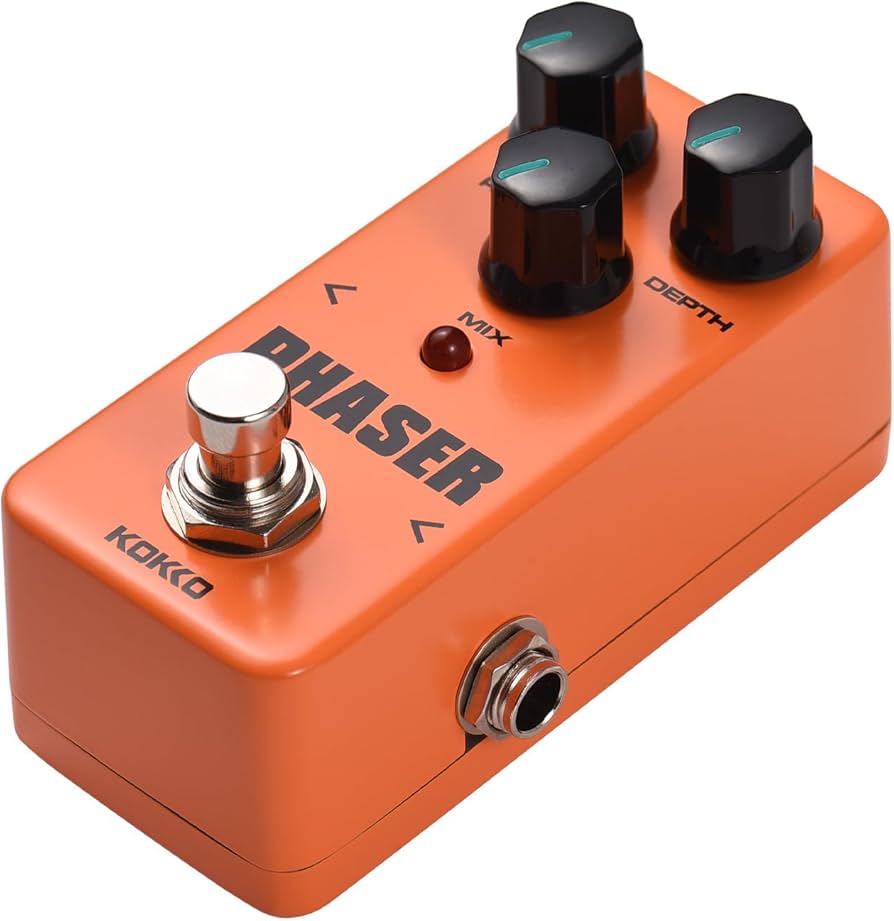
What Exactly Does the Phaser Effect Do?
Hey, guitar enthusiasts! If you’ve ever wondered about that swooshing, swirling sound in some of your favorite tracks, it’s likely the work of a phaser effect. This cool effect adds a dynamic, moving quality to your tone, and it’s a favorite among guitarists for good reason. Let’s dive into what a phaser does and how you can use it to spice up your sound.
What Is a Phaser Effect?
A phaser is an effect that creates a sweeping, whooshing sound by altering the phase of your guitar signal. Essentially, it takes your original signal, splits it into two paths, and then changes the phase of one path. When you mix the two signals back together, the result is a series of peaks and troughs in the frequency spectrum that create that signature phasing effect.
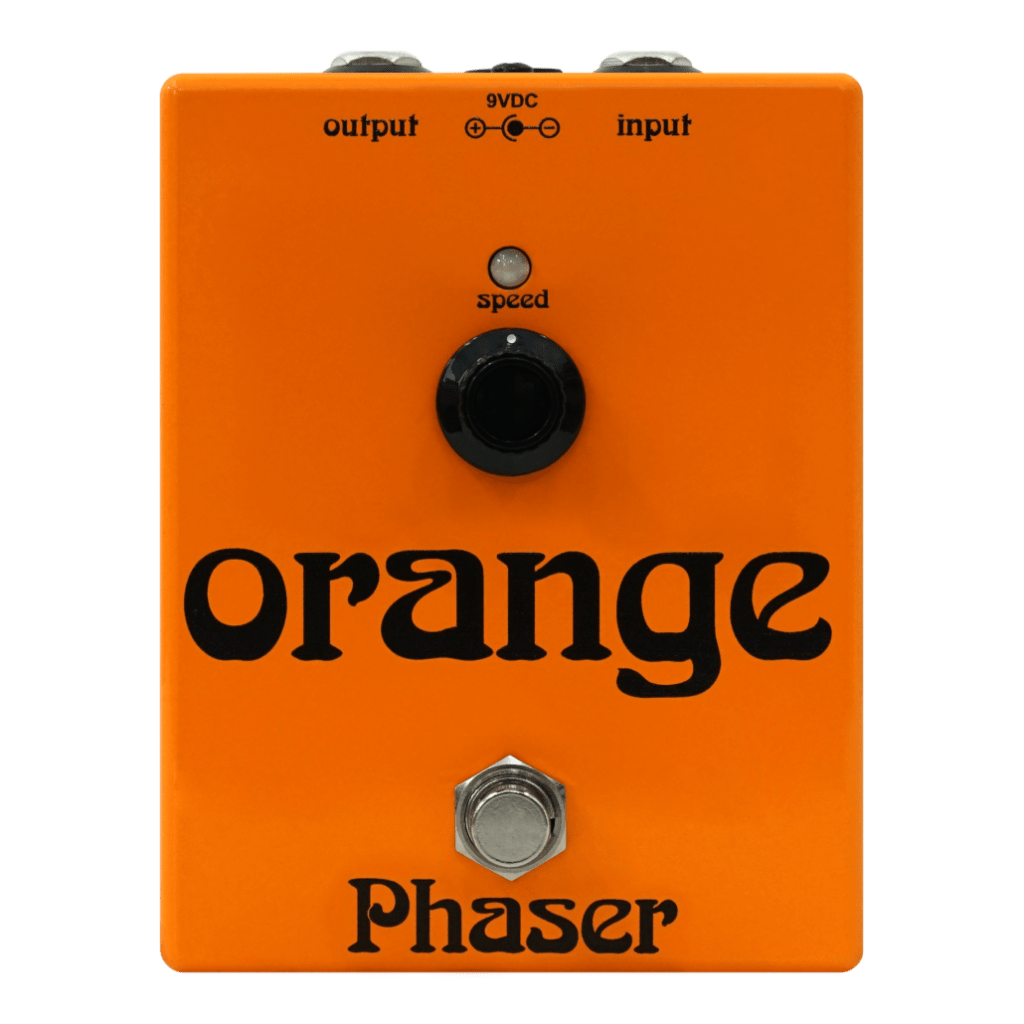
How Does a Phaser Work?
Here’s a step-by-step breakdown of how a phaser effect creates its unique sound:
- Signal Splitting: The phaser splits your guitar signal into two paths—one is processed through a series of all-pass filters, while the other remains unaffected.
- Phase Shifting: The processed signal undergoes phase shifting, where its phase is changed in a cyclic manner. This shifting is controlled by a Low-Frequency Oscillator (LFO) that modulates the phase over time.
- Mixing: The phase-shifted signal is then mixed back with the original signal. The interaction between these two signals creates constructive and destructive interference, which results in the characteristic phasing effect.
- Resonance: Most phaser pedals also include a resonance or feedback control that emphasizes the peaks and troughs in the filtered signal, adding depth and intensity to the effect.
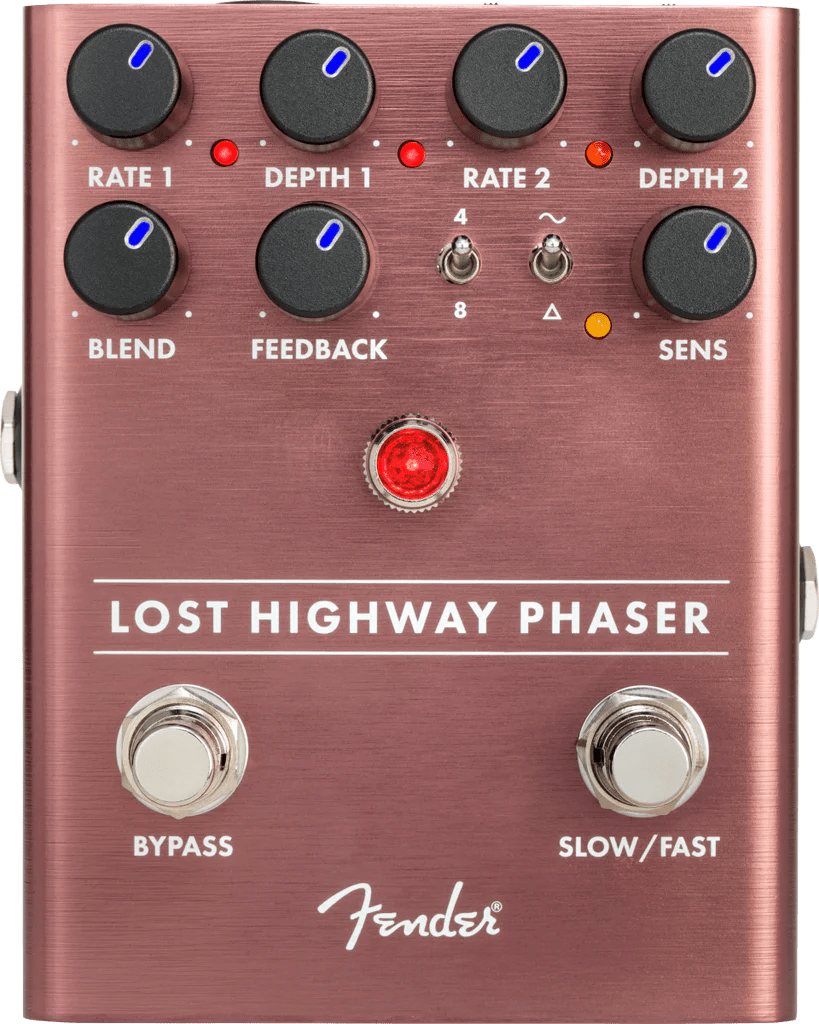
Key Parameters of Phaser Pedals
Understanding these key parameters can help you tailor the phaser effect to your liking:
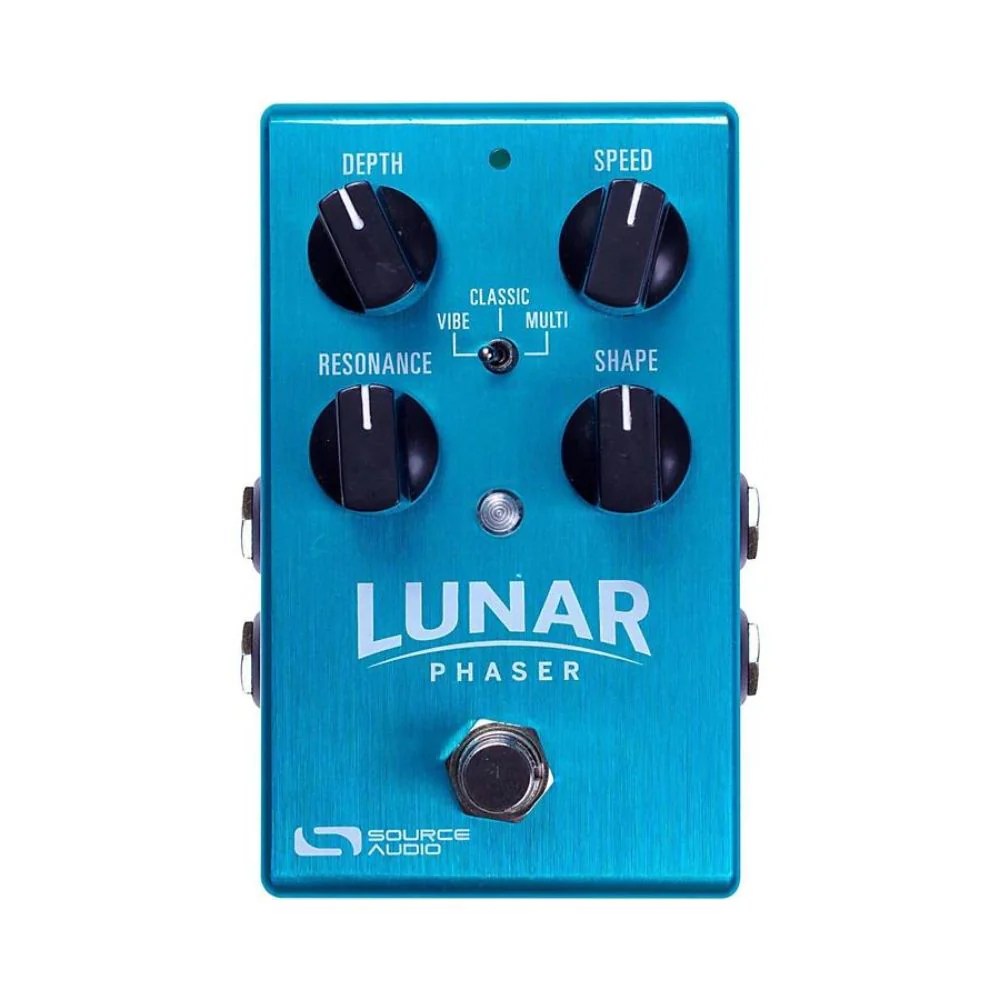
- Rate: This controls the speed of the phase shifting. A higher rate means a faster sweep, while a lower rate creates a slower, more subtle effect.
- Depth: This adjusts the intensity of the phasing effect. More depth results in a more pronounced, dramatic sound, while less depth keeps the effect subtle.
- Resonance: This increases the feedback in the circuit, accentuating the peaks in the phaser effect. Higher resonance can make the effect more pronounced and pronounced.
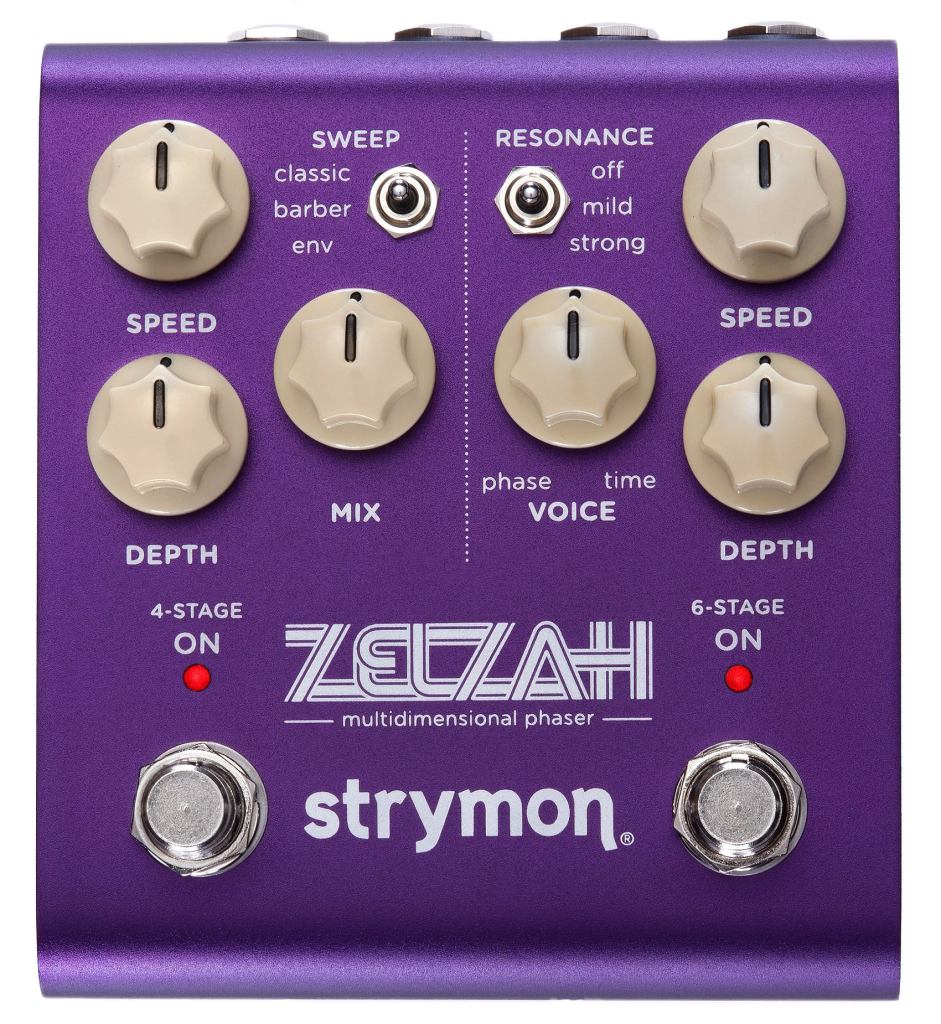
- Phase Shifting Stages: Some phaser pedals allow you to adjust the number of stages in the phase shifting process. More stages can create a more complex, sweeping effect, while fewer stages produce a simpler, more focused sound.
Why Use a Phaser Effect?
Phaser effects can add a range of interesting textures to your guitar tone. Here’s why you might want to incorporate a phaser into your setup:
- Dynamic Movement: Phasers introduce a sweeping, dynamic movement to your sound, making your playing more engaging and lively.
- Enhanced Atmosphere: The phaser can create a spacey, atmospheric quality that’s perfect for ambient or psychedelic music.
- Unique Textures: Whether you’re looking for a subtle shimmer or a pronounced whoosh, phasers offer a range of textures to explore.
- Versatility: Phasers can be used effectively in a variety of musical styles, from classic rock and funk to modern experimental genres.
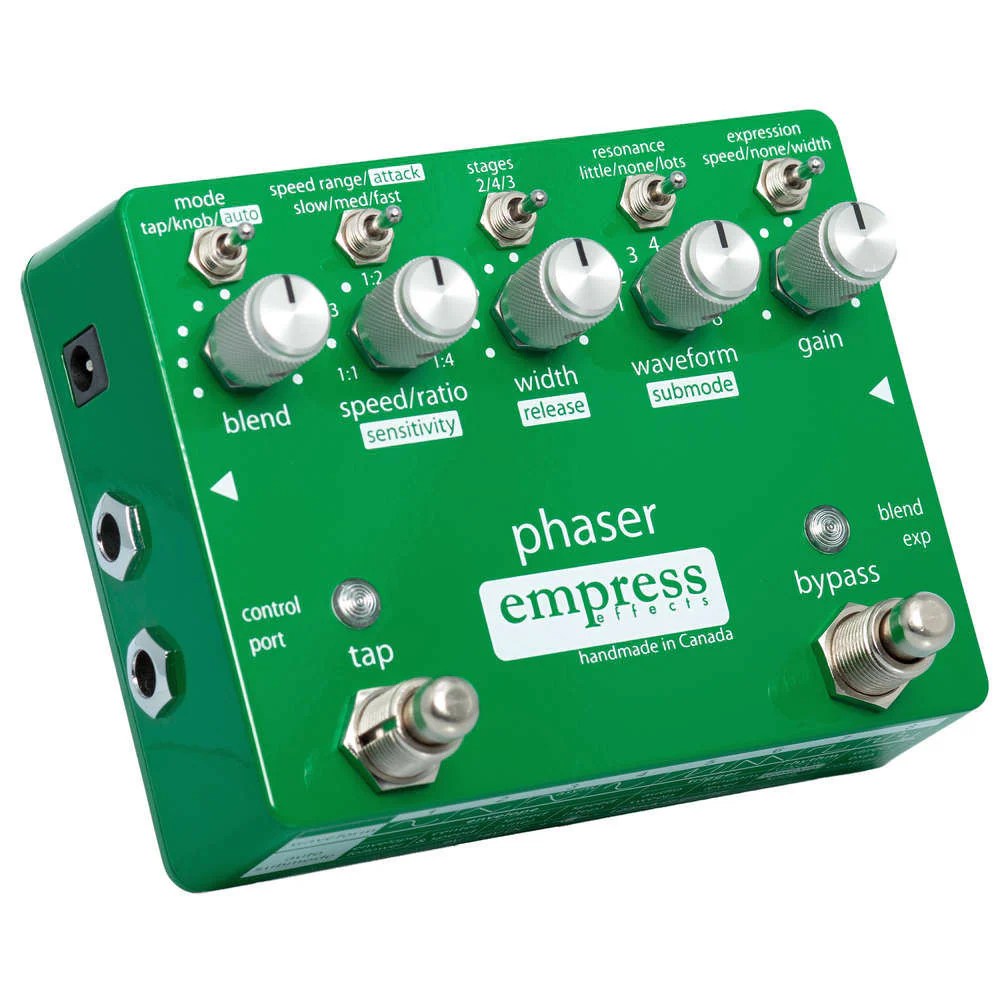
Types of Phaser Effects
There are different types of phaser effects, each with its own character:
- Analog Phasers: These use analog circuitry to produce a warm, vintage sound. They’re known for their rich, organic phasing.
- Digital Phasers: Digital phasers use digital processing to achieve precise control over the effect. They can offer a wide range of phasing sounds and options.
- Multi-Effects Units: Many modern multi-effects processors include phaser effects along with other effects, allowing for versatile sound design.
How to Use a Phaser Effect
Here are some tips to help you make the most of your phaser:
- Start Small: Begin with subtle settings for rate and depth to understand how the phaser affects your tone. You can gradually increase these settings as you get comfortable.
- Experiment with Resonance: Adjust the resonance to find the right balance. Too much resonance can make the effect overwhelming, while too little might not have the desired impact.
- Combine with Other Effects: Phasers can work well in combination with other effects like delay or reverb. Experiment to find interesting combinations that enhance your sound.
- Match with Your Style: Tailor the phaser settings to suit your playing style and the musical context. Different genres and playing techniques might call for different phasing characteristics.
- Use Sparingly: While phasers can add great texture, using them too much can overshadow your playing. Apply them thoughtfully to highlight certain parts of your performance.
Conclusion: Embrace the Phaser Effect
The phaser effect is a fantastic tool for adding dynamic, sweeping textures to your guitar sound. By understanding how it works and experimenting with its parameters, you can unlock a range of creative possibilities. Whether you’re aiming for a subtle shimmer or a pronounced whoosh, the phaser can elevate your tone and bring a unique quality to your playing. So, plug in, tweak those settings, and let the phaser magic begin!
 oscaronguitars.com
Leave a comment