
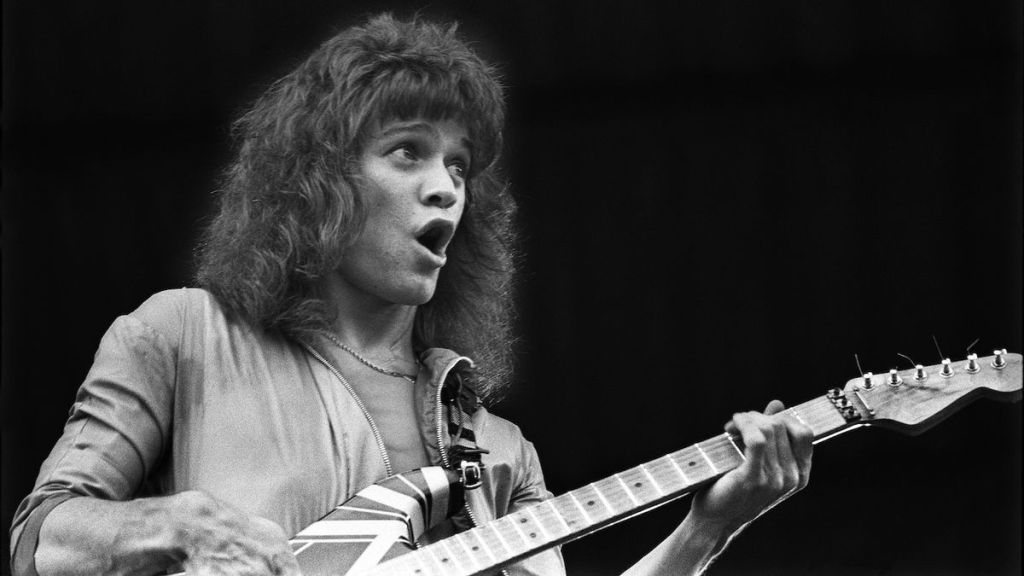
Introducing “The Van Halen Vibe”
When I first sat down to write an article about the legendary Eddie Van Halen, I imagined a concise piece capturing the essence of his immense talent. However, as I delved deeper, I found myself pouring out paragraphs about his groundbreaking amps, iconic guitars, and the indelible influence he had on rock music. I couldn’t help but highlight his legendary tracks and the incredible legacy he left behind. Before I knew it, I had a mountain of content!
Then it hit me—no one is going to read all this in one sitting! So, I decided to create a dedicated section titled “The Van Halen Vibe.” Here, I’ll explore all things Eddie Van Halen, from his gear choices to the impact he made on the music world.
Without further ado, let’s dive into the origins of Eddie Van Halen and discover how this guitar virtuoso became one of the most influential musicians in rock history!
Introduction
Eddie Van Halen, often hailed as one of the greatest guitarists of all time, is renowned for his innovative playing style, unmatched creativity, and groundbreaking contributions to rock music. However, before he became a household name, Eddie’s journey began in a modest household, marked by his passion for music and a relentless pursuit of excellence. This article delves into the early years of Eddie Van Halen, exploring the influences that shaped his distinctive sound and the pivotal moments that set him on the path to stardom.
Early Life and Musical Influences
Eddie Lodewijk Van Halen was born on January 26, 1955, in Amsterdam, Netherlands, to Dutch-Indonesian parents. His father, Eugen, was a classical pianist and music teacher, while his mother, Jan, was a skilled musician in her own right. The Van Halen family relocated to Pasadena, California, in 1962 when Eddie was just seven years old. This move would prove to be a crucial turning point in his life, exposing him to the vibrant music scene of Southern California.
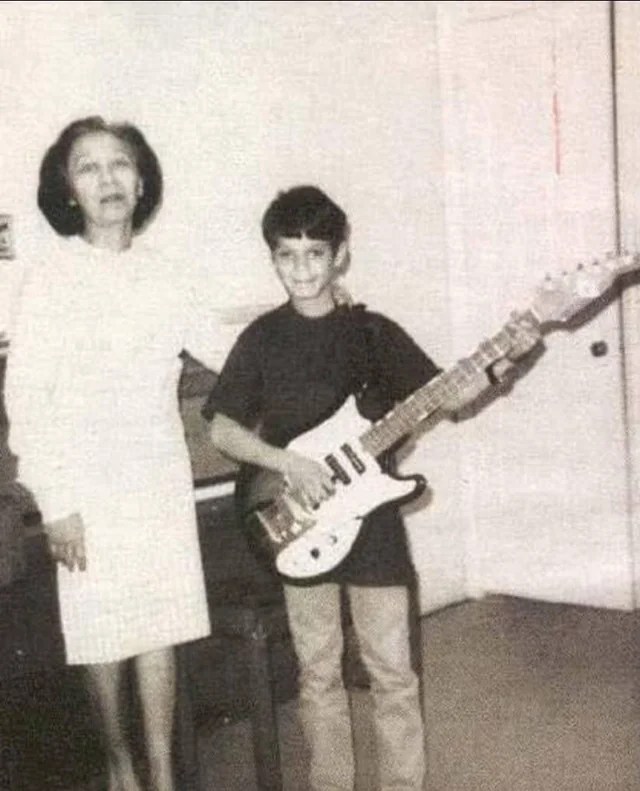
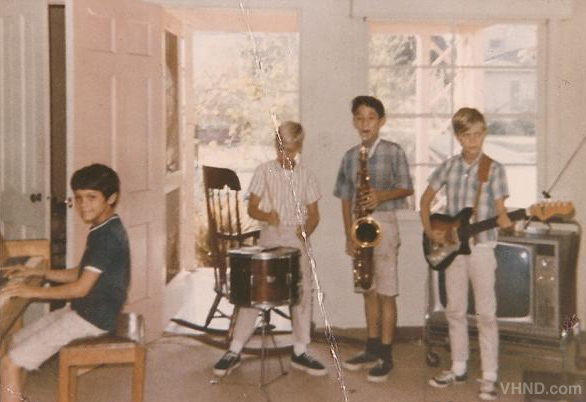
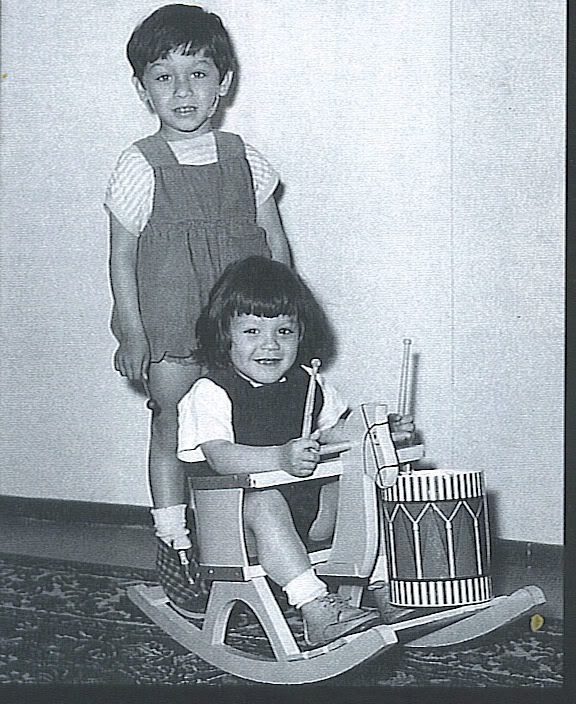
Initially, Eddie and his older brother, Alex, took piano lessons from their father. However, Eddie quickly found himself drawn to the guitar, captivated by the sounds of rock legends like Jimi Hendrix, Eric Clapton, and Jimmy Page. The electric guitar became his true passion, and he soon shifted his focus from classical piano to the more expressive and energetic realm of rock music. This transition would lay the foundation for his innovative approach to guitar playing.
The Birth of Van Halen
In 1972, Eddie and Alex formed a band called Mammoth, along with vocalist David Lee Roth and bassist Mark Stone. They played local gigs, honing their skills and developing a unique sound that combined hard rock with an infectious energy. It was during this time that Eddie began to experiment with his guitar tone, crafting the signature sound that would come to define Van Halen.


The band soon changed their name to Van Halen, and in 1974, they caught the attention of producer Ted Templeman after a series of successful performances in the Los Angeles area. Templeman recognized the raw talent of the group and signed them to Warner Bros. Records. This pivotal moment set the stage for the release of their self-titled debut album in 1978, which would catapult them to fame.


The Impact of “Eruption”
Eddie’s breakthrough moment came with the release of “Eruption,” a groundbreaking guitar solo featured on the debut album. This track showcased Eddie’s revolutionary tapping technique, which involved playing two notes simultaneously with both hands on the fretboard. The solo demonstrated an unprecedented level of technical skill and creativity, leaving listeners in awe and establishing Eddie as a guitar virtuoso.
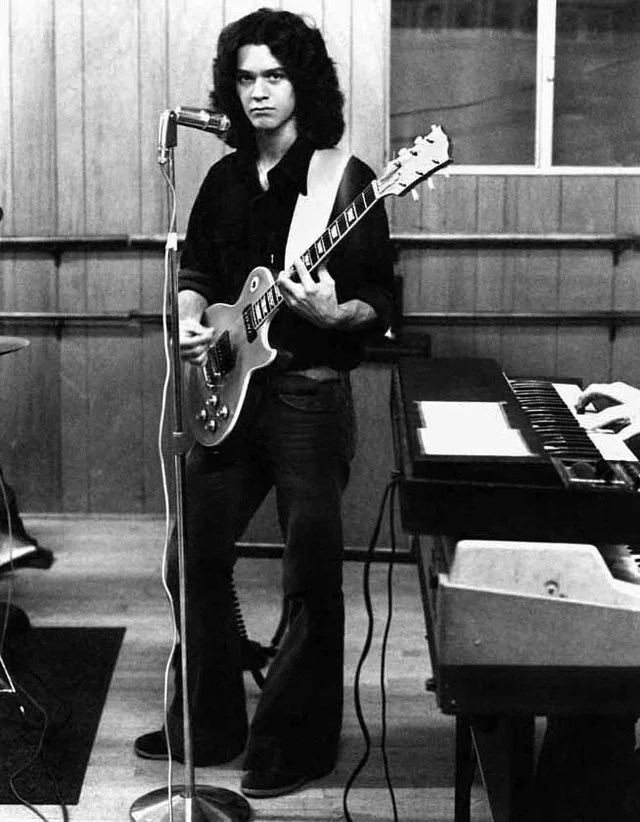
The influence of “Eruption” cannot be overstated; it inspired countless guitarists to explore new techniques and pushed the boundaries of what was possible on the instrument. It remains a defining moment in rock history, solidifying Eddie’s status as a trailblazer.
Conclusion
The beginnings of Eddie Van Halen’s career were marked by passion, creativity, and an insatiable desire to push the boundaries of music. From his early influences and the formation of Van Halen to the creation of the iconic Frankenstrat and the release of “Eruption,” Eddie laid the groundwork for a legacy that would shape the future of rock guitar. His innovative spirit and groundbreaking techniques continue to inspire generations of musicians, ensuring that his impact on the world of music remains timeless.
 oscaronguitars.com
Leave a comment