

From Nightclub Virtuoso to Jazz Legend
Born John Leslie Montgomery on March 6, 1923, in Indianapolis, Indiana, Wes Montgomery emerged from modest beginnings to redefine the role of the guitar in jazz. Raised in a musical family, Montgomery faced financial hardships early on and worked tirelessly to support his loved ones. Despite these challenges, he found solace and inspiration in music, particularly after hearing recordings of pioneering jazz guitarist Charlie Christian. This pivotal moment motivated him to teach himself the guitar, an instrument he would later revolutionize.
Largely self-taught, Montgomery’s playing style was as unique as his journey. Rejecting the traditional pick, he opted to use his thumb to pluck the strings, a technique born out of necessity to play quietly so as not to disturb his neighbors during late-night practice sessions. This thumb-picking method produced a warm, mellow tone that contrasted sharply with the sharper attack of pick players, giving his music an intimate, vocal-like quality. He further distinguished himself through his innovative use of octave melodies—a technique in which he played the same note simultaneously on two strings, spaced an octave apart. This approach not only enriched his harmonic textures but also created a soulful, singing quality that became his hallmark.
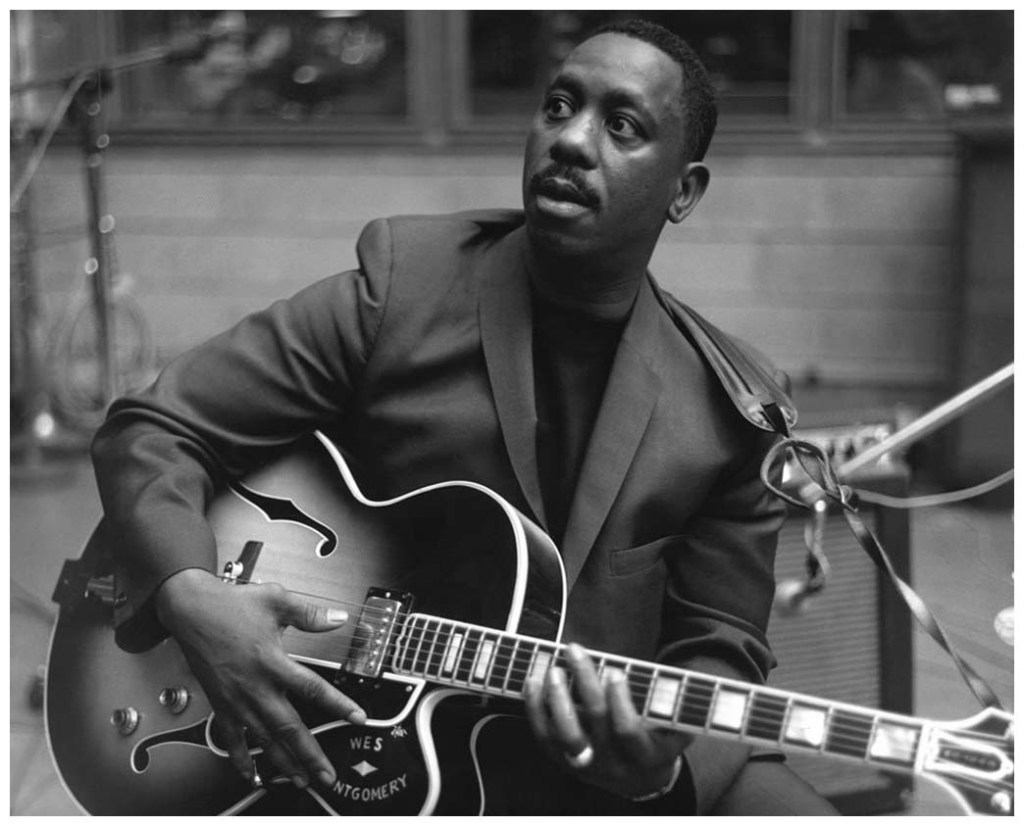
Montgomery’s early gigs were in local Indianapolis clubs, where he honed his craft and built a reputation for his impeccable timing, inventive improvisation, and emotional expressiveness. These formative years laid the foundation for a style that was as technically masterful as it was deeply human, embodying the spirit of jazz while breaking new ground for the instrument. His ability to infuse each note with meaning and create a distinctive voice on the guitar cemented his status as a transformative figure in jazz history.
A Unique Style That Redefined Jazz Guitar
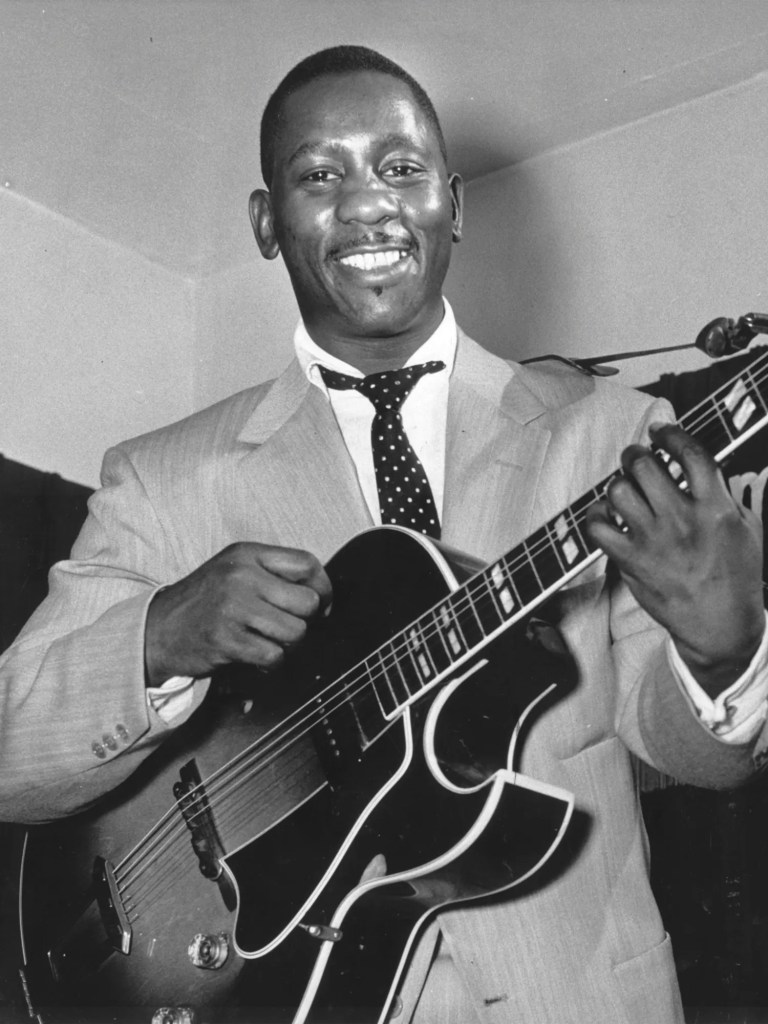
Wes Montgomery’s professional music career took shape during his years performing in Indianapolis nightclubs, where he developed his craft while juggling a day job to support his family. These intimate, late-night gigs became his proving ground, allowing him to refine his unique thumb-picking technique and establish a reputation as a guitarist of extraordinary talent and emotional depth. His performances drew attention from local musicians and audiences alike, setting the stage for his eventual rise to prominence.
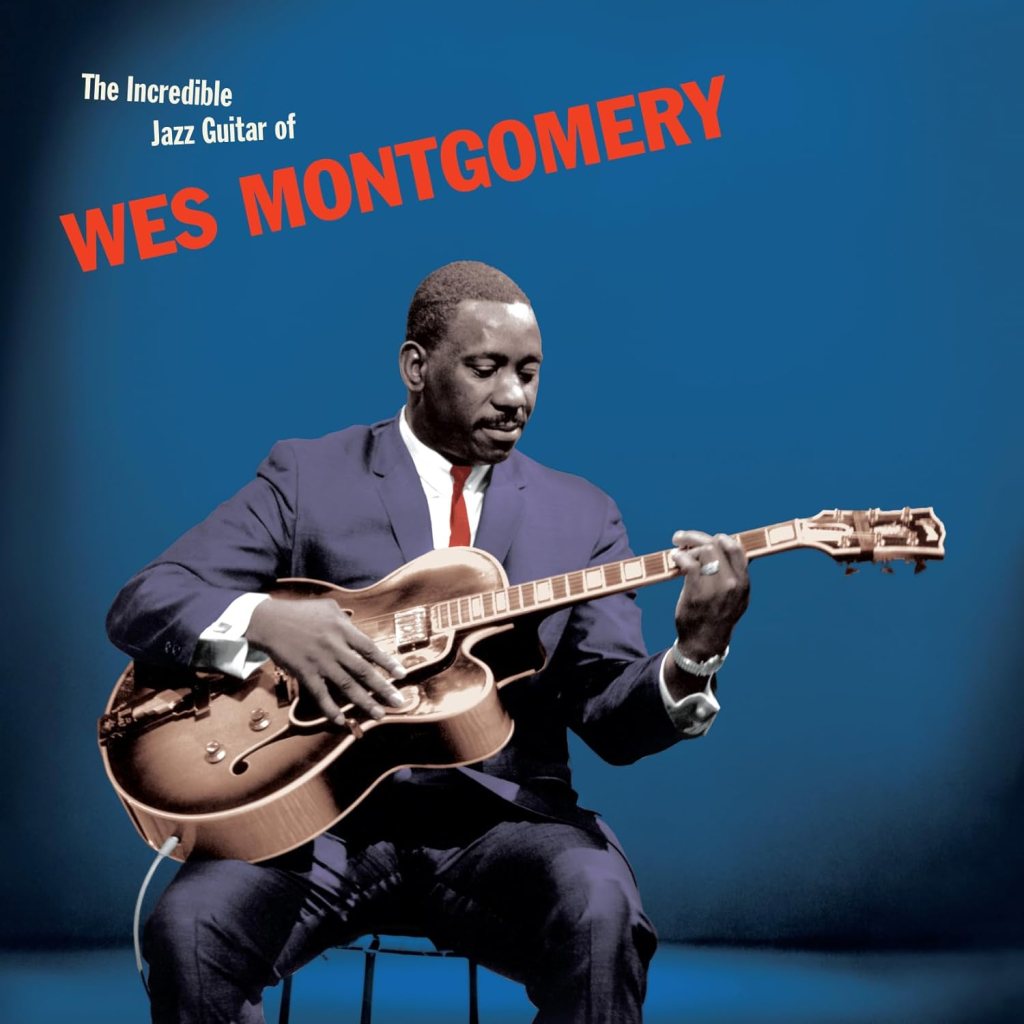
Montgomery’s national breakthrough arrived with the release of The Incredible Jazz Guitar of Wes Montgomery in 1960, a landmark album that not only cemented his place in the jazz pantheon but also redefined the possibilities of jazz guitar. The record showcased Montgomery’s unparalleled technical skill, his innovative use of octaves, and his deeply expressive phrasing, all delivered with a soulful warmth that resonated with listeners. Tracks like “West Coast Blues” and “D-Natural Blues” highlighted his ability to blend complex harmonies with heartfelt melodies, creating music that was both intellectually stimulating and emotionally captivating. This album not only introduced Montgomery to a broader audience but also became a cornerstone of modern jazz guitar, influencing countless musicians for generations to come.
Iconic Tracks: A Masterclass in Jazz Guitar
Wes Montgomery’s legacy is immortalized through a repertoire of iconic tracks that have become essential listening for jazz guitarists and enthusiasts alike. These compositions showcase his technical brilliance, emotive depth, and innovative approach to the guitar, solidifying his influence on the jazz genre:
- “West Coast Blues”
A standout from his seminal album The Incredible Jazz Guitar of Wes Montgomery, this track is a masterclass in Montgomery’s ability to merge intricate chord progressions with a swinging, bluesy rhythm. It exemplifies his skill in crafting sophisticated, harmonically rich pieces that remain accessible and deeply expressive. - “Four on Six”
Arguably one of his most celebrated compositions, “Four on Six” is a cornerstone of jazz guitar repertoire. The piece features Montgomery’s pioneering use of octaves, a technique that adds depth and warmth to his melodic improvisations. Its rhythmic complexity and harmonic sophistication highlight his ability to push the boundaries of jazz guitar. - “Road Song”
This track, from the album of the same name, showcases Montgomery’s gift for blending soulful melodies with a propulsive rhythmic drive. Its lyrical quality and catchy structure made it a favorite among fans and musicians, embodying the soulful, groove-oriented side of his artistry. - “Bumpin’ on Sunset”
A hallmark of Montgomery’s later career, this smooth, melodic tune exemplifies his crossover appeal and his influence on the burgeoning smooth jazz movement. Its laid-back groove and lush arrangement reflect his ability to create music that was both artistically profound and broadly appealing.
Each of these tracks not only underscores Montgomery’s technical and compositional genius but also illustrates his unparalleled ability to communicate emotion through his instrument, a skill that continues to inspire and resonate with musicians worldwide.
Gear and Technique: The Montgomery Method
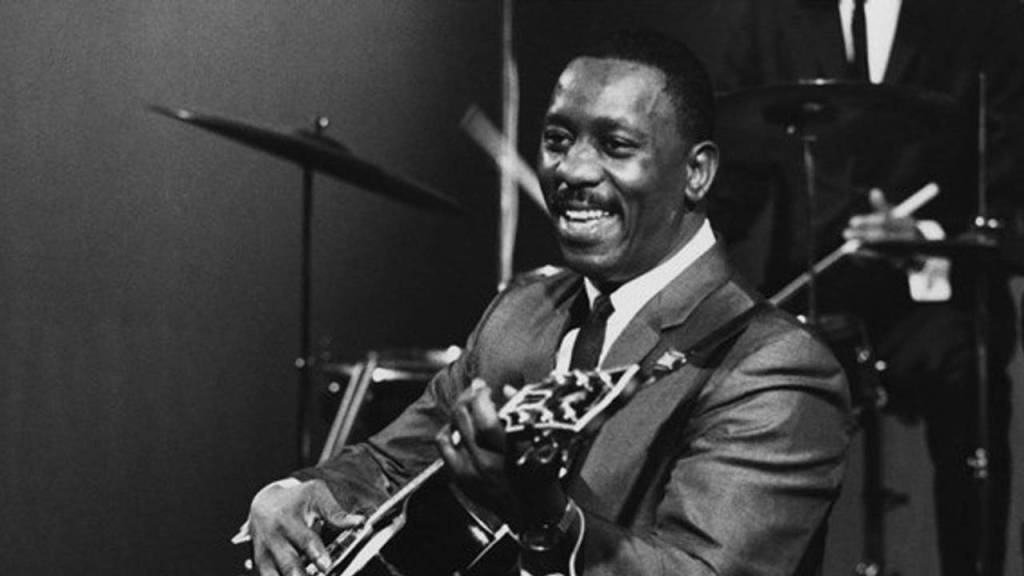
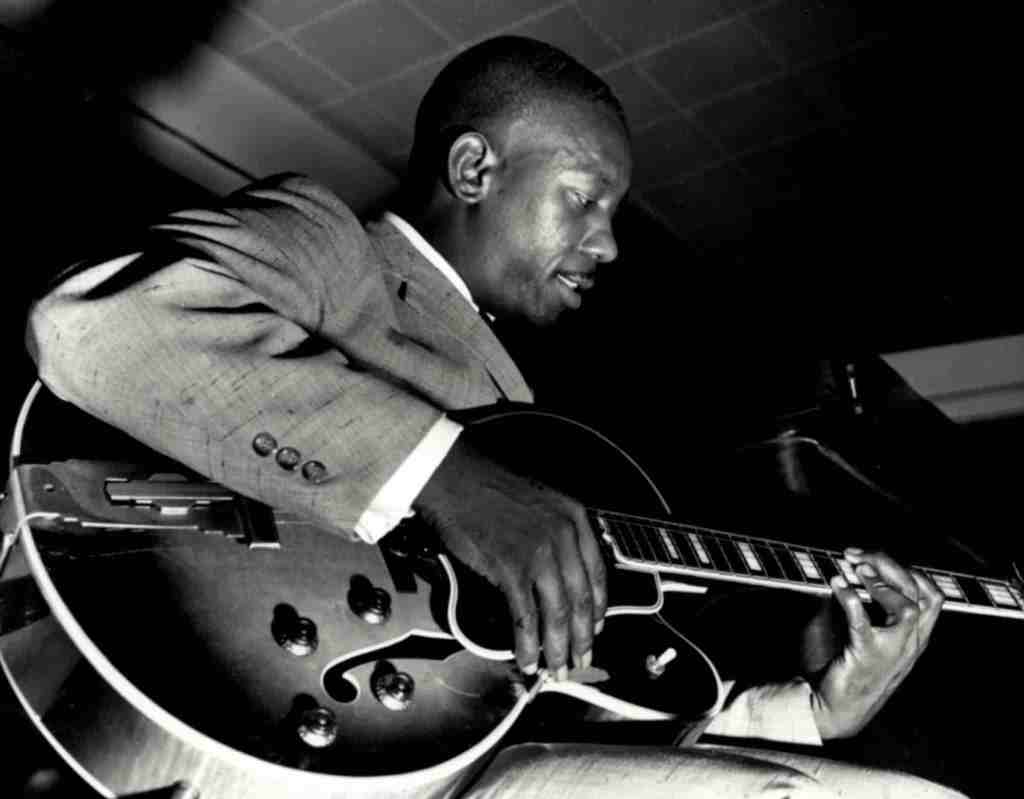
Wes Montgomery’s approach to the guitar was a remarkable departure from conventional techniques, and it played a pivotal role in defining his singular sound. Instead of using a traditional pick, Montgomery plucked the strings exclusively with his thumb, a method he developed to play quietly during late-night practice sessions. This unconventional technique produced a softer, warmer, and more rounded tone that became his unmistakable sonic signature. Beyond tone, the thumb-picking method offered Montgomery greater control over dynamics and phrasing, enabling a fluidity and expressiveness that set him apart from his contemporaries.
One of Montgomery’s most influential innovations was his mastery of octave techniques. By playing the same note on two strings an octave apart, he created a lush, full-bodied sound that added depth and richness to his solos. This technique became a hallmark of his playing, showcasing his ability to blend technical mastery with melodic sophistication. It’s a style that has since inspired countless jazz guitarists and remains a cornerstone of jazz guitar pedagogy.
Montgomery’s instrument of choice was the Gibson L-5 CES, a high-end archtop guitar renowned for its warm, resonant tone and impeccable craftsmanship. This guitar perfectly complemented his thumb-picking and octave techniques, enhancing the clarity and richness of his sound. His setup was remarkably simple by today’s standards: he relied on the natural qualities of the L-5 CES and a clean amplifier, eschewing elaborate effects. This minimalist approach allowed the nuances of his playing to shine through, emphasizing his technique and musicality rather than relying on external embellishments. Montgomery’s ability to achieve such profound expressiveness with a straightforward setup underscores the genius of his artistry.
Legacy and Influence
Wes Montgomery’s life was tragically cut short when he passed away at the age of 45 on June 15, 1968, yet his influence on jazz guitar remains as profound today as it was during his lifetime. In a career that spanned just over a decade in the national spotlight, Montgomery redefined the possibilities of the guitar, establishing it as a central instrument in jazz and elevating its role beyond mere accompaniment.
Montgomery’s revolutionary approach to melody, harmony, and rhythm showcased the guitar as a versatile and emotive voice, capable of conveying profound depth and complexity. His techniques—particularly his thumb-picking and octave playing—opened new doors for guitarists, blending technical innovation with heartfelt expression. These contributions have not only shaped the sound of modern jazz but have also transcended genre boundaries, influencing musicians in blues, rock, and even smooth jazz.
Generations of guitarists, from George Benson and Pat Metheny to contemporary artists, credit Montgomery as a guiding inspiration in their musical journeys. His recordings continue to serve as essential studies for aspiring musicians and as timeless masterpieces for jazz enthusiasts. Montgomery’s enduring legacy is a testament to the transformative power of his artistry, ensuring that his groundbreaking contributions to music will continue to resonate for years to come.
Conclusion: The Enduring Influence of Wes Montgomery
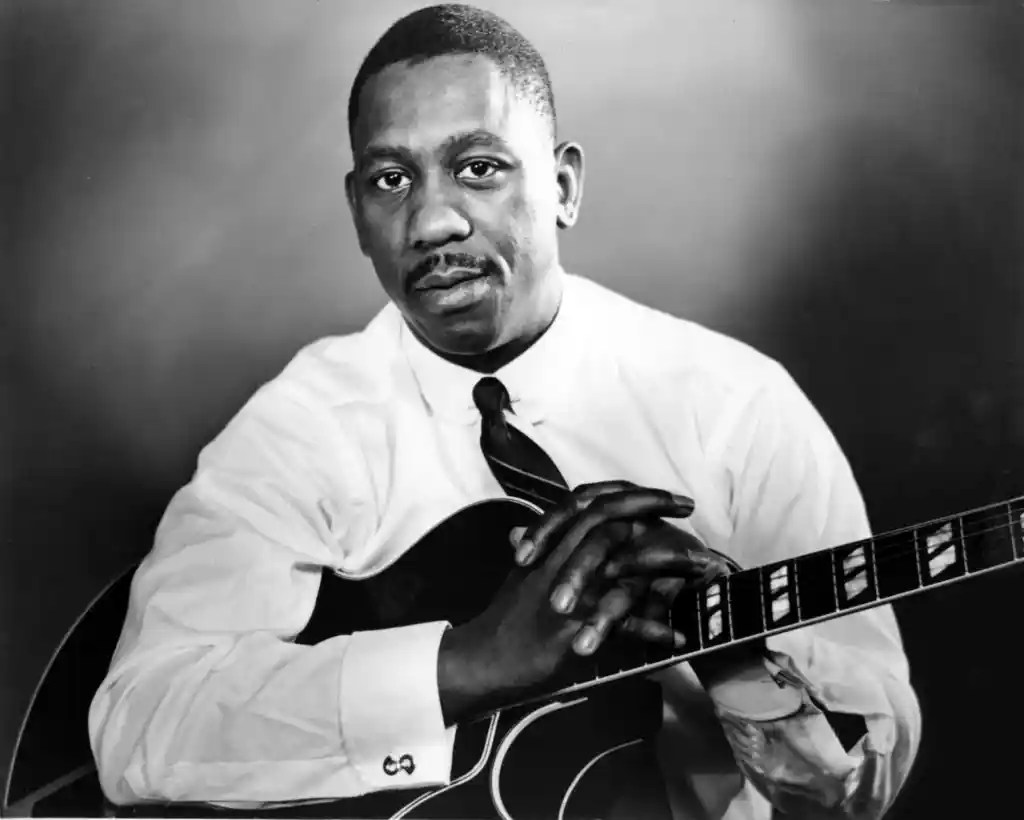
Wes Montgomery’s life was tragically cut short when he passed away at the age of 45 on June 15, 1968, yet his influence on jazz guitar remains as profound today as it was during his lifetime. In a career that spanned just over a decade in the national spotlight, Montgomery redefined the possibilities of the guitar, establishing it as a central instrument in jazz and elevating its role beyond mere accompaniment.
Montgomery’s revolutionary approach to melody, harmony, and rhythm showcased the guitar as a versatile and emotive voice, capable of conveying profound depth and complexity. His techniques—particularly his thumb-picking and octave playing—opened new doors for guitarists, blending technical innovation with heartfelt expression. These contributions have not only shaped the sound of modern jazz but have also transcended genre boundaries, influencing musicians in blues, rock, and even smooth jazz.
Generations of guitarists, from George Benson and Pat Metheny to contemporary artists, credit Montgomery as a guiding inspiration in their musical journeys. His recordings continue to serve as essential studies for aspiring musicians and as timeless masterpieces for jazz enthusiasts. Montgomery’s enduring legacy is a testament to the transformative power of his artistry, ensuring that his groundbreaking contributions to music will continue to resonate for years to come.
Bonus Track: 10 Wes Montgomery Insights
- Late Bloomer: Montgomery didn’t record his first album as a leader until he was 36.
- Family Man: He was devoted to his family, often working in factories during the day before playing gigs at night to support them.
- Self-Taught Genius: Learned guitar by listening to recordings of Charlie Christian and Django Reinhardt.
- Jazz Standards: Many of his recordings have become essential listening for anyone studying jazz.
- Grammy Awards: Posthumously awarded Grammy recognition for his contributions to music.
- Influencer of Giants: Influenced guitarists ranging from George Benson to Pat Metheny.
- Crossover Appeal: His music reached beyond jazz enthusiasts to inspire pop and rock musicians.
- Renowned Albums: Albums like Smokin’ at the Half Note are considered among the best jazz recordings ever made.
- Global Impact: Known worldwide, with a particularly significant following in Japan.
- Educational Legacy: His techniques are taught in music schools around the globe, cementing his place in the educational canon of jazz.
 oscaronguitars.com
Leave a comment