
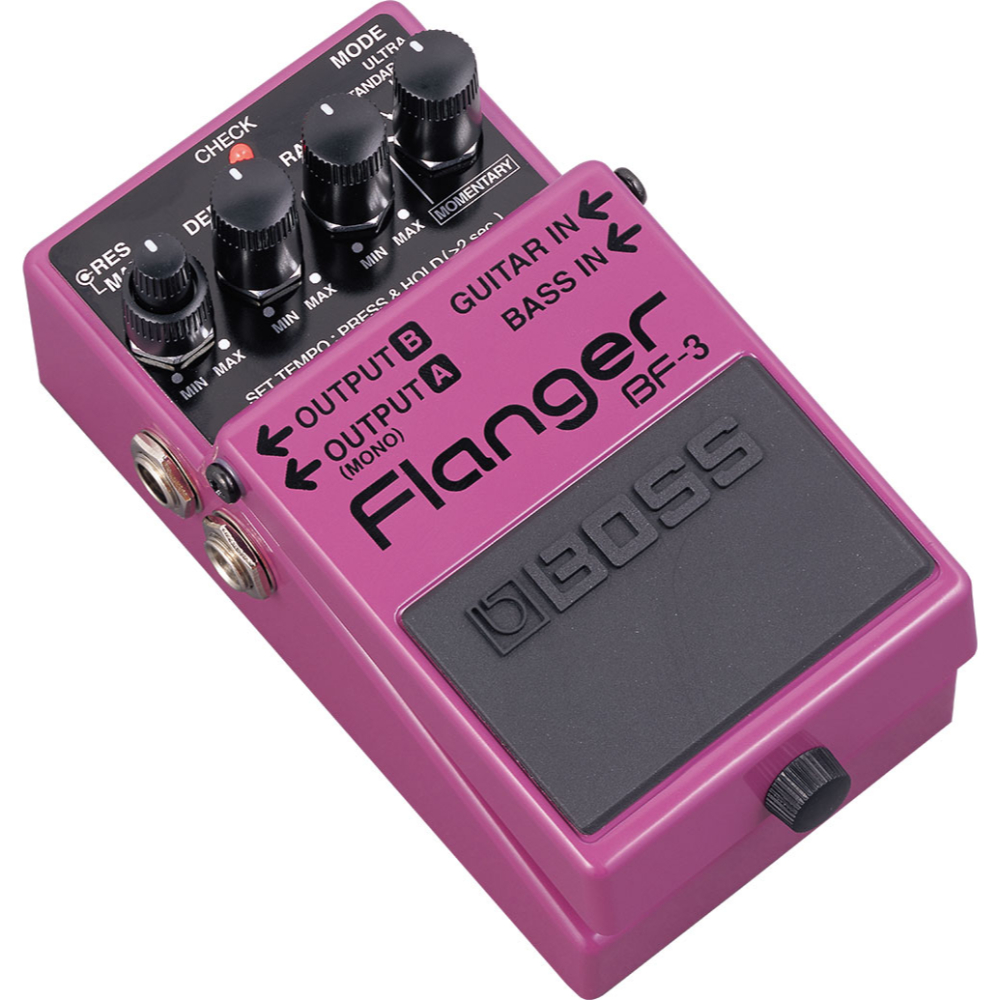
Ever heard that jet-plane whoosh or metallic swoosh in your favorite tracks and wondered what magic was behind it? It’s likely the work of a flanger effect! This iconic sound can add a whole new dimension to your playing, and today, we’re diving into exactly what a flanger does and how you can use it to transform your tone.
What Is a Flanger Effect?
A flanger is an effect that creates a sweeping, jet-like sound by combining your original guitar signal with a delayed version of itself. The delay time is modulated in real-time, resulting in a characteristic swooshy sound with pronounced peaks and troughs. It’s a bit like a chorus effect but with more extreme modulation and a more pronounced sound.
How Does a Flanger Work?
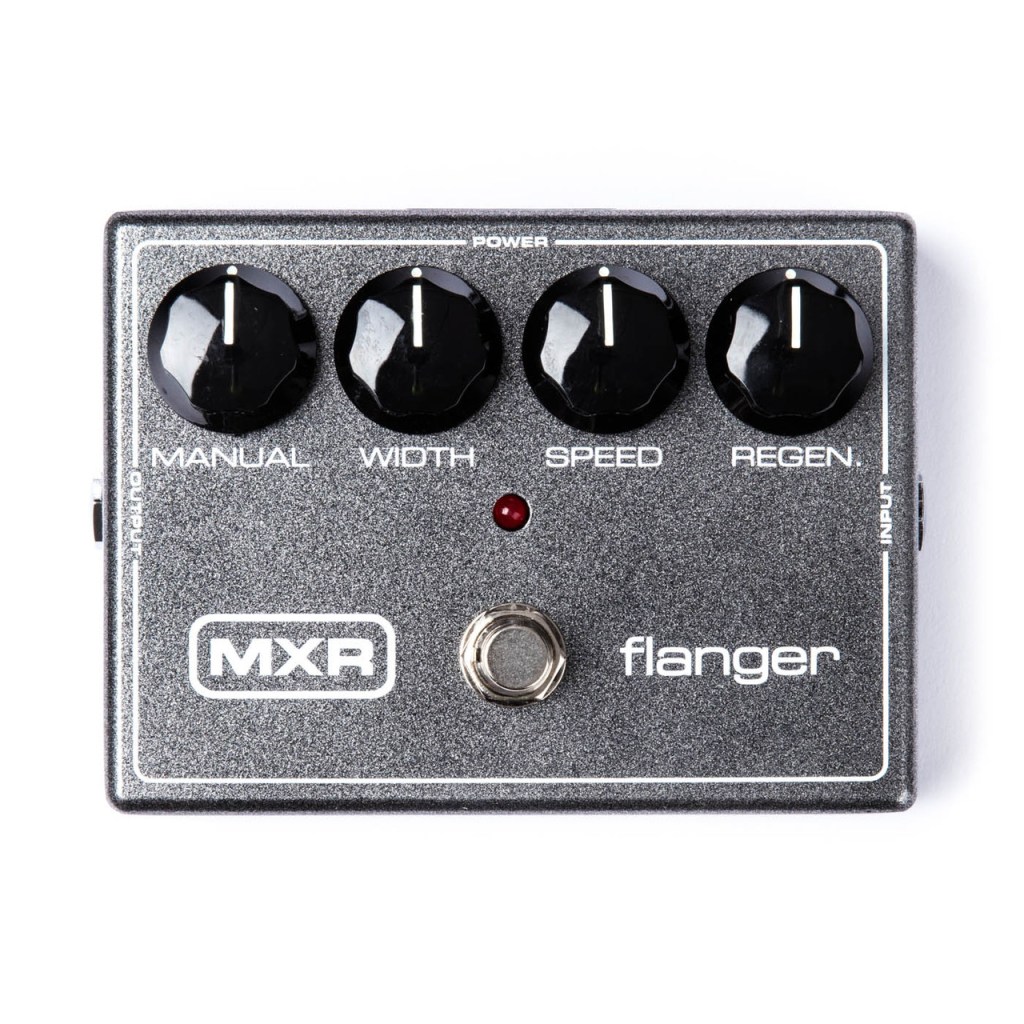
Here’s a step-by-step look at how a flanger effect creates its unique sound:
- Signal Duplication: The flanger takes your original signal and duplicates it, creating two paths: the original and the delayed.
- Delay and Modulation: The delayed signal is slightly out of sync with the original one. The delay time is modulated by a Low-Frequency Oscillator (LFO) or other modulation source, causing it to change dynamically over time.
- Mixing: The modulated delayed signal is mixed back with the original signal. This interaction causes phase cancellation and reinforcement, which results in the characteristic swooshing or jet-plane effect.
- Feedback: Many flanger pedals include a feedback control, which sends some of the output signal back into the effect’s input. This can accentuate the flanging effect, creating a more pronounced sound.
Key Parameters of Flanger Pedals
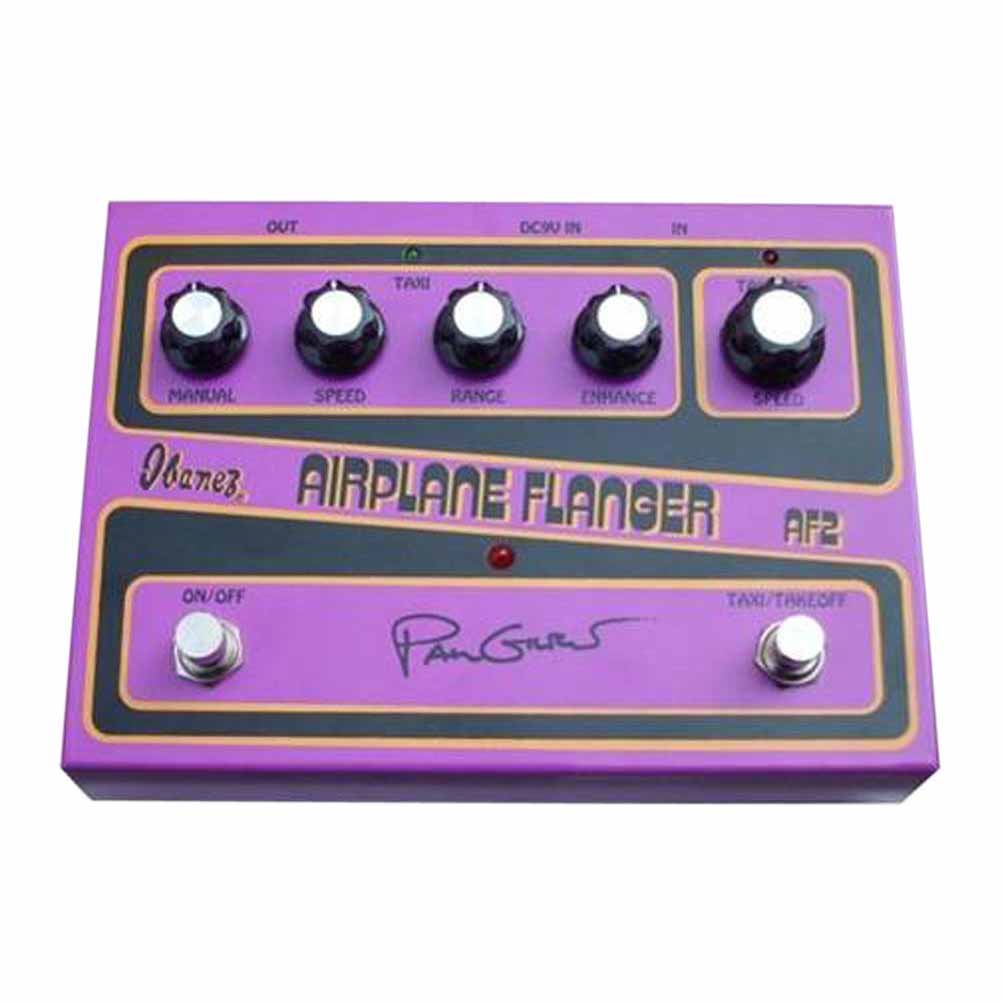
Understanding these parameters can help you tailor the flanger effect to fit your style:
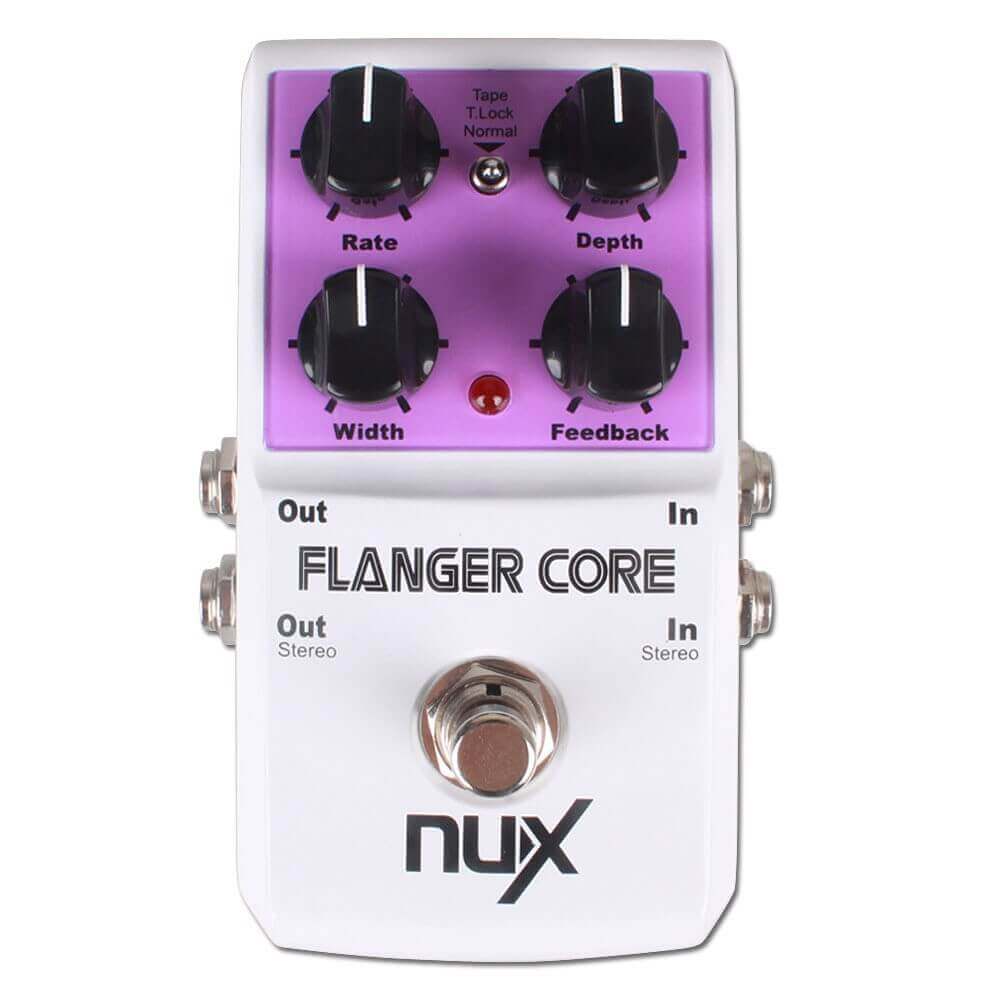
- Rate: Controls the speed of the modulation. A higher rate results in a faster, more intense sweep, while a lower rate creates a slower, subtler effect.
- Depth: Adjusts the intensity of the effect. More depth means a more pronounced flanging sound, while less depth keeps the effect more subtle.
- Feedback: Increases the amount of the output signal fed back into the effect, which can create more dramatic sweeps and pronounced peaks in the sound.
- Delay Time: Controls the amount of delay before the modulated signal is mixed back with the original. Shorter delay times produce a more subtle effect, while longer delays create more pronounced swooshes.
Why Use a Flanger Effect?
Flanger effects are great for adding a unique character to your sound. Here’s why you might want to incorporate a flanger into your setup:
- Jet-Plane Sweeps: The flanger’s signature swooshing sound can give your playing a dramatic, otherworldly quality.
- Textural Depth: Flangers add a layer of depth and movement to your tone, making it more dynamic and engaging.
- Creative Possibilities: With its range of settings, the flanger can be used for subtle enhancements or full-blown sonic transformations, offering plenty of creative possibilities.
- Versatility: Flangers can be used in various musical styles, from classic rock to modern experimental genres, making them a versatile addition to your pedalboard.
Types of Flanger Effects
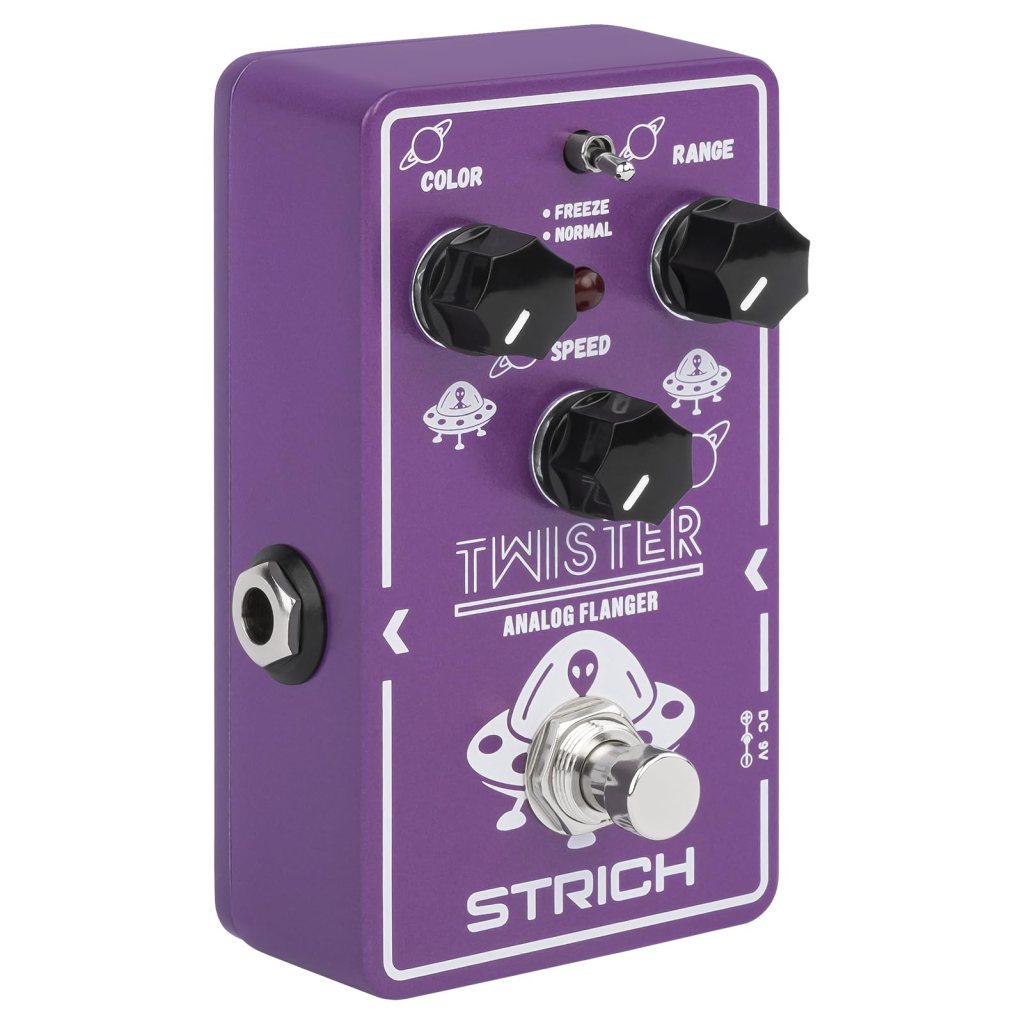
There are a few different types of flanger effects, each offering its own unique sound:
- Analog Flangers: These use analog circuitry to produce a warm, vintage sound with a classic flanging character.
- Digital Flangers: Digital flangers use digital processing to offer precise control over the effect, along with a wider range of modulation options.
- Multi-Effects Units: Many modern multi-effects processors include flanger effects along with other options, providing versatility and convenience.
Tips for Using a Flanger Effect
Here are some tips to help you get the most out of your flanger pedal:
- Start with Subtle Settings: Begin with moderate rate and depth settings to get a feel for how the flanger affects your tone. You can adjust these settings to create more pronounced effects as needed.
- Experiment with Feedback: Adjust the feedback to find the right balance. Too much feedback can make the effect overwhelming, while too little might not be noticeable.
- Combine with Other Effects: Flangers work well with other effects like delay and reverb. Experiment with combinations to find interesting and unique sounds.
- Match with Your Style: Tailor the flanger settings to suit your playing style and the musical context. Different genres and techniques might call for different flanging characteristics.
- Use Sparingly: While flangers can add great texture, using them too much can overshadow your playing. Apply them thoughtfully to enhance specific parts of your performance.
Conclusion: Embrace the Flanger Effect
The flanger effect is a powerful tool for adding dynamic, sweeping textures to your guitar sound. By understanding how it works and experimenting with its parameters, you can unlock a range of creative possibilities. Whether you’re looking for a subtle enhancement or a dramatic swoosh, the flanger can elevate your tone and bring a unique quality to your playing.
 oscaronguitars.com
Leave a comment