
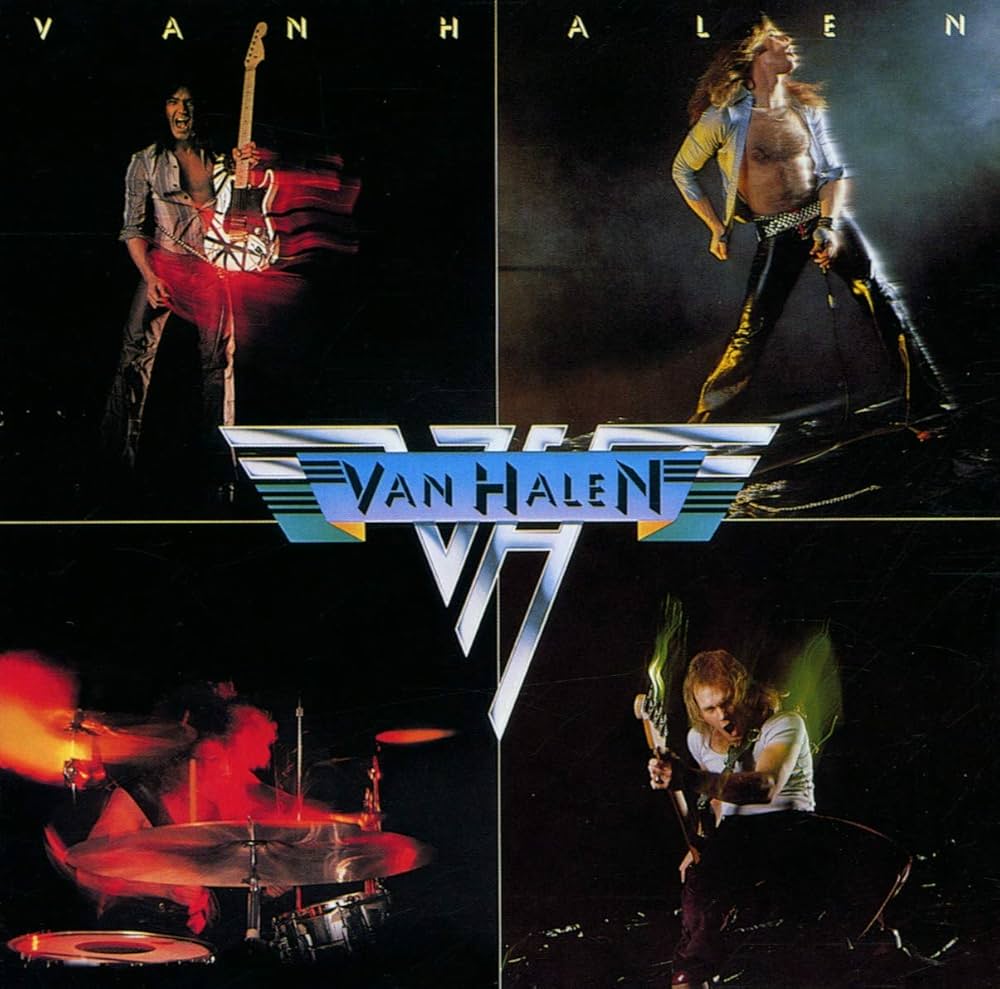
In the world of rock music, few albums have had as profound an impact as Van Halen’s self-titled debut, released in 1978. This record not only introduced the world to a fresh sound but also revolutionized guitar playing, establishing Eddie Van Halen as a virtuoso and changing the landscape of rock forever. Let’s explore the album’s production, iconic tracks, legacy, and the innovation brought forth by Eddie Van Halen.
A New Sound for a New Era
Before we dive into the tracks, it’s essential to understand the context in which Van Halen emerged. The 1970s rock scene was saturated with bands that had established their sound, yet Van Halen arrived with a blend of hard rock, pop sensibilities, and an electrifying performance style that set them apart. The band’s lineup included Eddie Van Halen on guitar, Alex Van Halen on drums, Michael Anthony on bass, and the charismatic David Lee Roth on vocals.
Van Halen was recorded at Sunset Sound in October 1977 for around $40,000, primarily in Studio 1 with minimal overdubs on tracks like “Runnin’ with the Devil,” “Jamie’s Cryin’,” “Feel Your Love Tonight,” and “Ice Cream Man.”
Produced by Ted Templeman and engineered by Donn Landee, the album captured the band’s raw energy by recording live to tape rather than using traditional multi-tracking. Landee recalled, “They cut 28 tracks in about two hours. That’s when we knew we had a band that could play.”
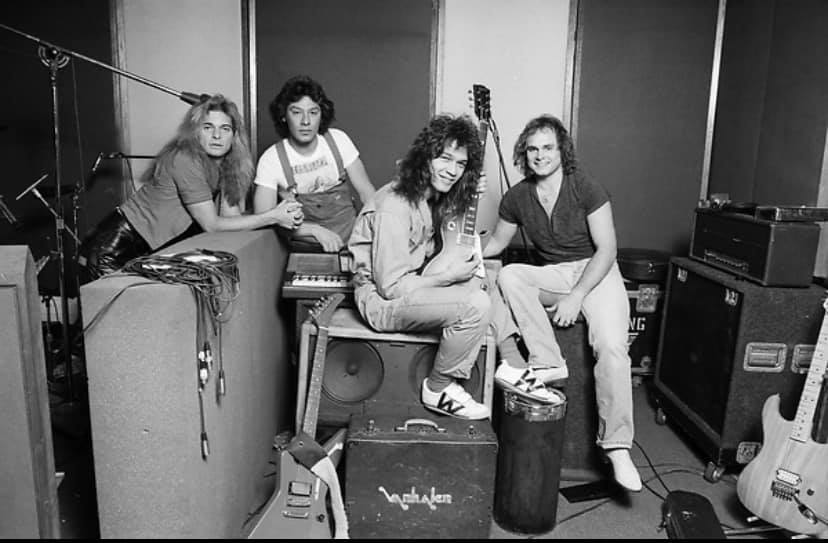
In 2017, Warren Huart revisited Sunset Sound with students from the Los Rios Rock School to re-record the album, striving for an authentic sound by recreating Landee’s original mic setup. The drums were placed in Studio 1, with guitar and bass amps in separate ISO booths, using mostly Shure SM57-style mics. The overheads featured three condenser mics to capture a full stereo image.
The Production Journey
Ted Templeman had previously worked with the Doobie Brothers. His vision was to capture the raw energy of the band’s live performances while ensuring that Eddie’s guitar work shone through. The recording took place at Sunset Sound Studios in Los Angeles, a location famous for its history of producing classic records.
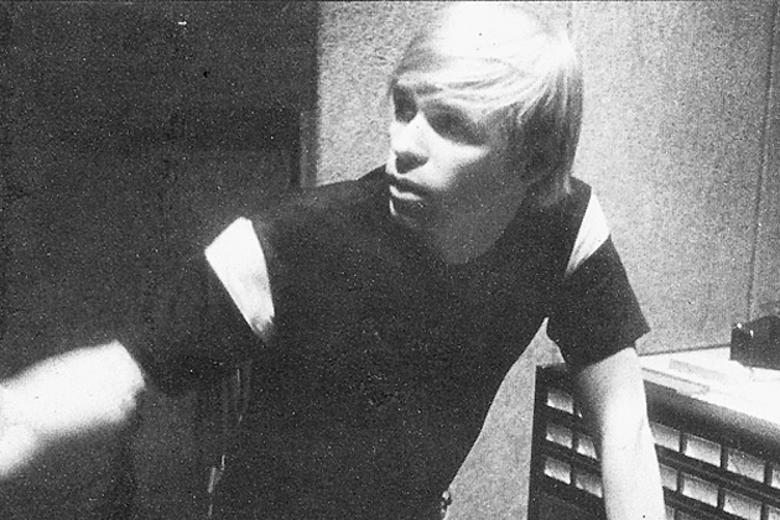
The band used an early technique called “flanging” on tracks like “Ain’t Talkin’ ‘Bout Love.” Eddie Van Halen famously used a Variac, a variable transformer, to lower the voltage of his amplifier, which allowed him to achieve a distinctive tone that became a signature of his style. This technique, combined with his intricate finger-tapping method, created sounds that were previously unheard in rock music.
Iconic Tracks that Defined a Generation
The self-titled album features several tracks that would go on to become rock anthems.
“Runnin’ with the Devil”
The opening track, “Runnin’ with the Devil,” is a perfect introduction to the band’s high-energy vibe. The song features a catchy bass line and powerful vocals, setting the tone for the rest of the album. The haunting opening harmonics played by Eddie, coupled with Roth’s confident delivery, create an immediate sense of urgency and excitement.
“Eruption”
Perhaps the most iconic moment on the album is Eddie’s instrumental track “Eruption.” This 1:42 minute showcase of guitar virtuosity features Eddie’s groundbreaking two-handed tapping technique, which was revolutionary at the time. The track is often cited as one of the greatest guitar solos in rock history, influencing countless guitarists who followed.
“You Really Got Me”
Another standout track is Van Halen’s rendition of The Kinks’ classic “You Really Got Me.” The band’s version reinterprets the song with a heavier, more aggressive sound, demonstrating how they could breathe new life into classic material. Eddie’s guitar riff, filled with power and attitude, laid the foundation for an energetic performance that defined the band’s live shows.
“Ain’t Talkin’ ‘Bout Love”
“Ain’t Talkin’ ‘Bout Love” is another highlight, featuring one of the most recognizable guitar riffs in rock music. The song’s blend of heavy verses and an anthemic chorus showcases Eddie’s ability to craft infectious melodies while maintaining a hard-hitting sound. The track captures the band’s essence—raw energy, catchy hooks, and impeccable musicianship.
“Jamie’s Cryin’”
The ballad “Jamie’s Cryin’” showcases the band’s versatility. With its reflective lyrics and melodic guitar lines, it reveals a softer side of Van Halen while still retaining the edge that fans loved. This track further solidified Eddie’s reputation not only as a technical player but also as a songwriter capable of creating emotional depth.
Eddie Van Halen: The Innovator
At the heart of Van Halen’s sound is Eddie Van Halen, whose innovative approach to guitar playing reshaped rock music. His use of the “Frankenstrat,” a guitar he built himself by combining parts from different instruments, became iconic. This guitar, equipped with a single humbucker pickup and a tremolo bar, allowed Eddie to create a unique sound that was both powerful and expressive.
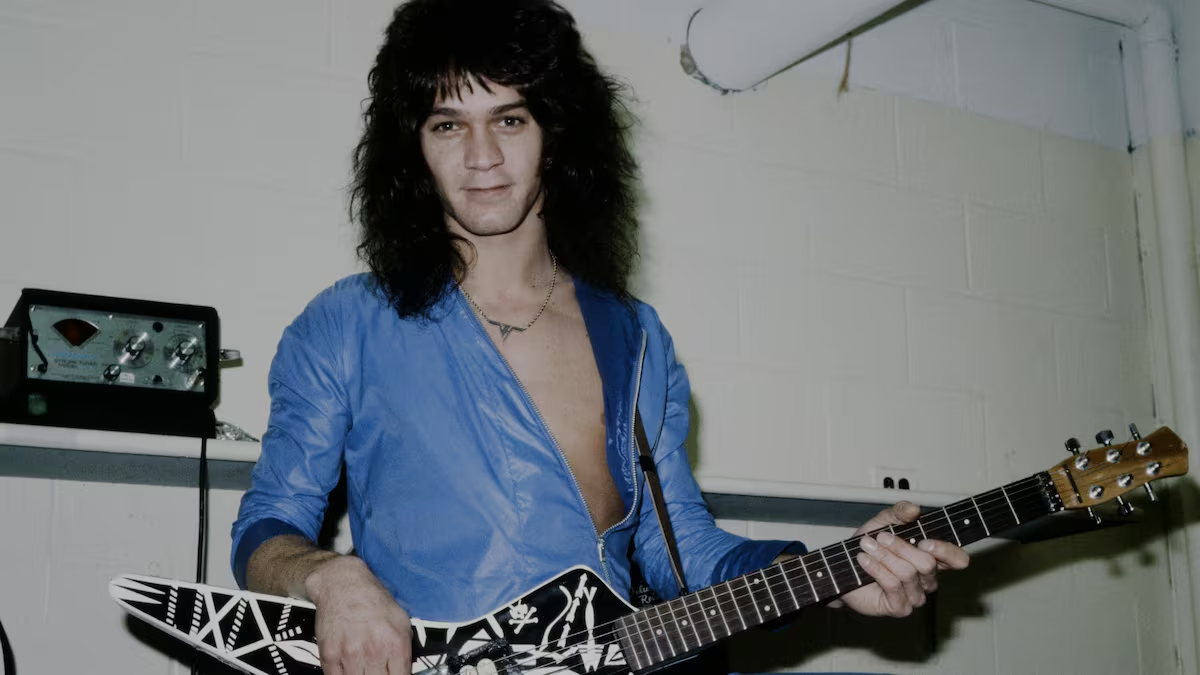
Eddie’s influence extended beyond his technical skill; his creativity in songwriting and arrangement also played a crucial role in the band’s success. Tracks like “Ain’t Talkin’ ‘Bout Love” feature complex song structures that diverged from the straightforward verse-chorus format prevalent at the time, showcasing his willingness to experiment.
The Legacy of Van Halen’s Debut Album
The impact of Van Halen’s debut album cannot be overstated. It opened the floodgates for a new generation of guitarists and bands that sought to emulate Eddie’s groundbreaking style. The album has been credited with influencing the glam metal movement of the 1980s, with many bands adopting similar aesthetics and guitar techniques.
Van Halen’s self-titled debut remains a benchmark for rock music. Its blend of high-energy performances, catchy melodies, and innovative guitar work laid the groundwork for future generations of musicians. In 2007, the album was inducted into the Grammy Hall of Fame, solidifying its status as a timeless classic.
Conclusion: The Legacy and Historical Impact of Van Halen (1978)
The release of Van Halen’s self-titled debut album in 1978 wasn’t just the launch of a band—it was a seismic event that reshaped the entire landscape of rock music, guitar playing, and the music industry as a whole. Eddie Van Halen’s revolutionary use of two-handed tapping, blistering speed, and innovative tone opened new frontiers for what a guitarist could achieve, setting a new standard for technical excellence. For rock ‘n’ roll, Van Halen brought an electric fusion of hard rock energy and pop sensibility, making complex musicianship accessible and massively popular.
The album’s impact extended beyond music, sparking a renaissance in guitar culture and inspiring countless players who would go on to define the 1980s rock and metal scenes. Eddie’s guitar innovations also drove demand for specialized musical instruments and gear, including custom guitars and amplifiers, giving rise to new product lines and influencing manufacturers like Kramer, Peavey, and later, his own brand EVH.
From revitalizing rock in the late ’70s to sparking an instrumental revolution, Van Halen stands as a defining moment in music history. The band’s raw energy, virtuosity, and larger-than-life personality not only made rock exciting again but also ensured that their influence would resonate for decades to come.

 oscaronguitars.com
Leave a comment