
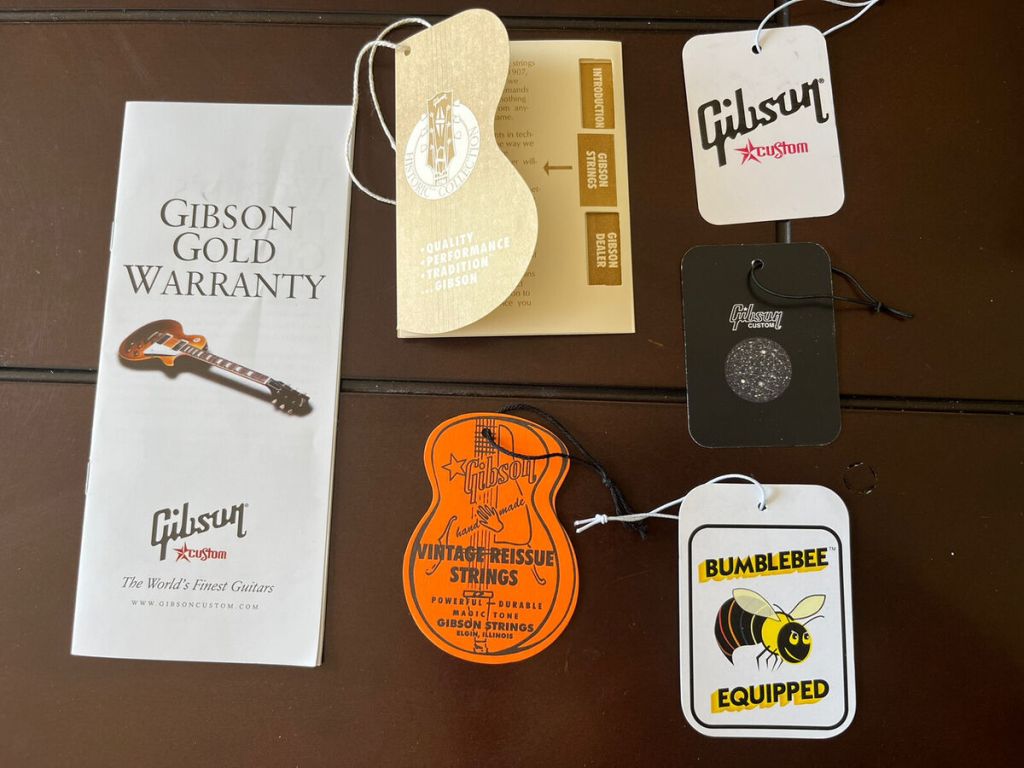
Whether it’s your first instrument or an addition to your collection, it’s important to consider more than just the guitar’s features and price. Warranties and return policies are critical aspects of buying a new guitar, providing you with protection and peace of mind. Let’s dive into what you need to know about guitar warranties and return policies, and what to watch for in the fine print.
1. The Importance of Guitar Warranties
A guitar warranty is essentially a promise from the manufacturer or seller that the instrument will be free from defects in materials and workmanship for a specified period. It’s your safety net in case something goes wrong with your guitar after purchase.
Why Warranties Matter:
- Protection Against Defects: Even high-quality guitars can sometimes have defects that aren’t apparent at the time of purchase. A warranty ensures that you’re covered if your guitar has a manufacturing flaw, such as a warped neck, faulty electronics, or poor fretwork.
- Peace of Mind: Knowing that your investment is protected can give you peace of mind, allowing you to enjoy your new guitar without worrying about potential issues.
- Value for Money: A good warranty adds value to your purchase by offering free repairs or replacements within the warranty period, saving you potentially costly repairs.
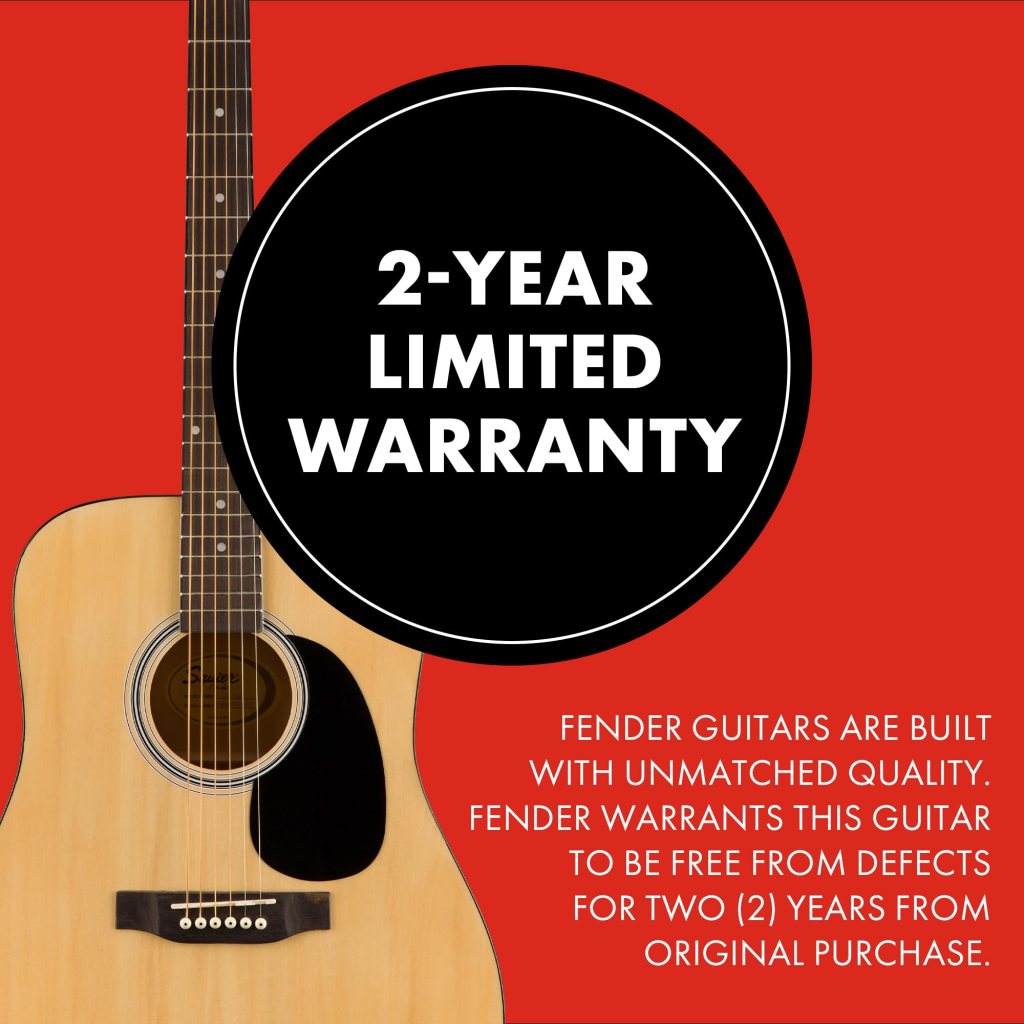
2. Types of Guitar Warranties
Not all warranties are created equal. Here are the common types of warranties you might encounter when buying a guitar:
1. Manufacturer’s Warranty:
This is the most common type of warranty, provided by the guitar manufacturer. It typically covers defects in materials and workmanship but doesn’t cover wear and tear or damage caused by misuse.
2. Store Warranty:
Some retailers offer their own warranty in addition to the manufacturer’s warranty. This might cover more, such as accidental damage or provide an extended warranty period.
3. Extended Warranty:
You can often purchase an extended warranty from the retailer, which extends the coverage period beyond the standard manufacturer’s warranty. This is optional and comes at an additional cost.
4. Limited vs. Lifetime Warranty:
A limited warranty only covers specific issues (usually defects) for a certain period, while a lifetime warranty covers the guitar for as long as you own it. However, lifetime warranties often come with conditions and exclusions, so read the details carefully.
3. What to Look For in the Fine Print
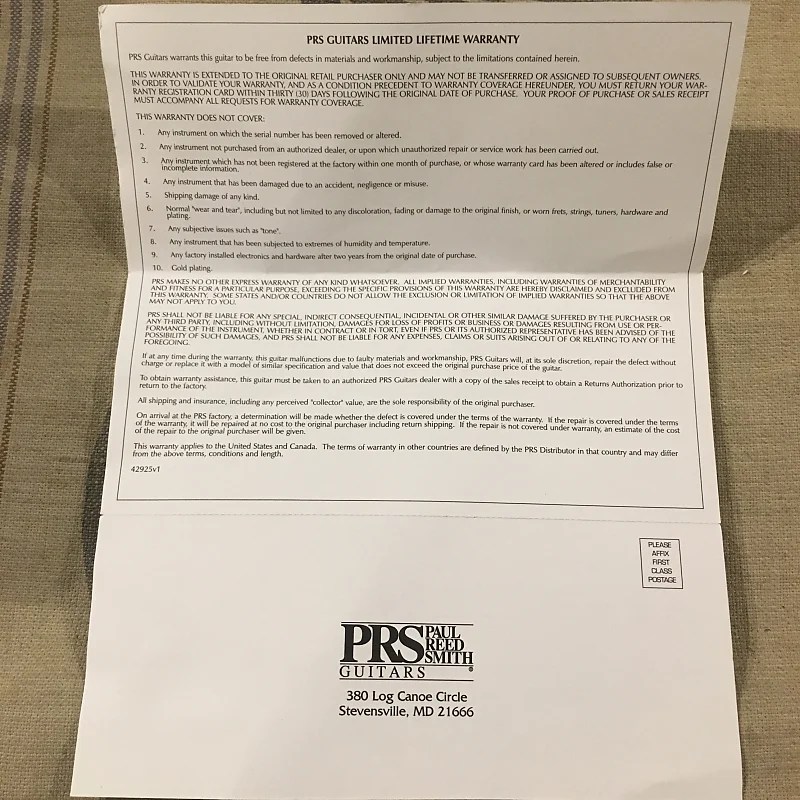
When considering a guitar warranty, it’s important to read the fine print to understand exactly what’s covered and what’s not. Here’s what to look for:
1. Coverage Details:
Make sure you understand what the warranty covers. Does it include parts and labor? Are there specific exclusions, like fret wear, finish issues, or hardware? Knowing this upfront can prevent surprises down the line.
2. Warranty Period:
Check how long the warranty is valid. Some warranties cover only a year, while others might offer longer coverage. Be sure to note when the coverage begins—usually from the date of purchase.
3. Conditions and Exclusions:
Warranties often have conditions and exclusions that limit coverage. For example, some warranties are void if you make unauthorized modifications to the guitar, or if you don’t follow proper maintenance procedures.
4. Repair or Replace Policy:
Understand whether the warranty covers repairs, replacements, or both. Some warranties only cover repairs, while others might offer a replacement if the guitar is deemed unrepairable.
5. Authorized Service Centers:
Check if the warranty requires you to use authorized service centers for repairs. Taking your guitar to an unauthorized technician could void the warranty, so it’s important to know where you can go for service.
6. Transferability:
If you’re buying a used guitar, check if the warranty is transferable to you. Most warranties are not, meaning you won’t be covered if you’re not the original owner.
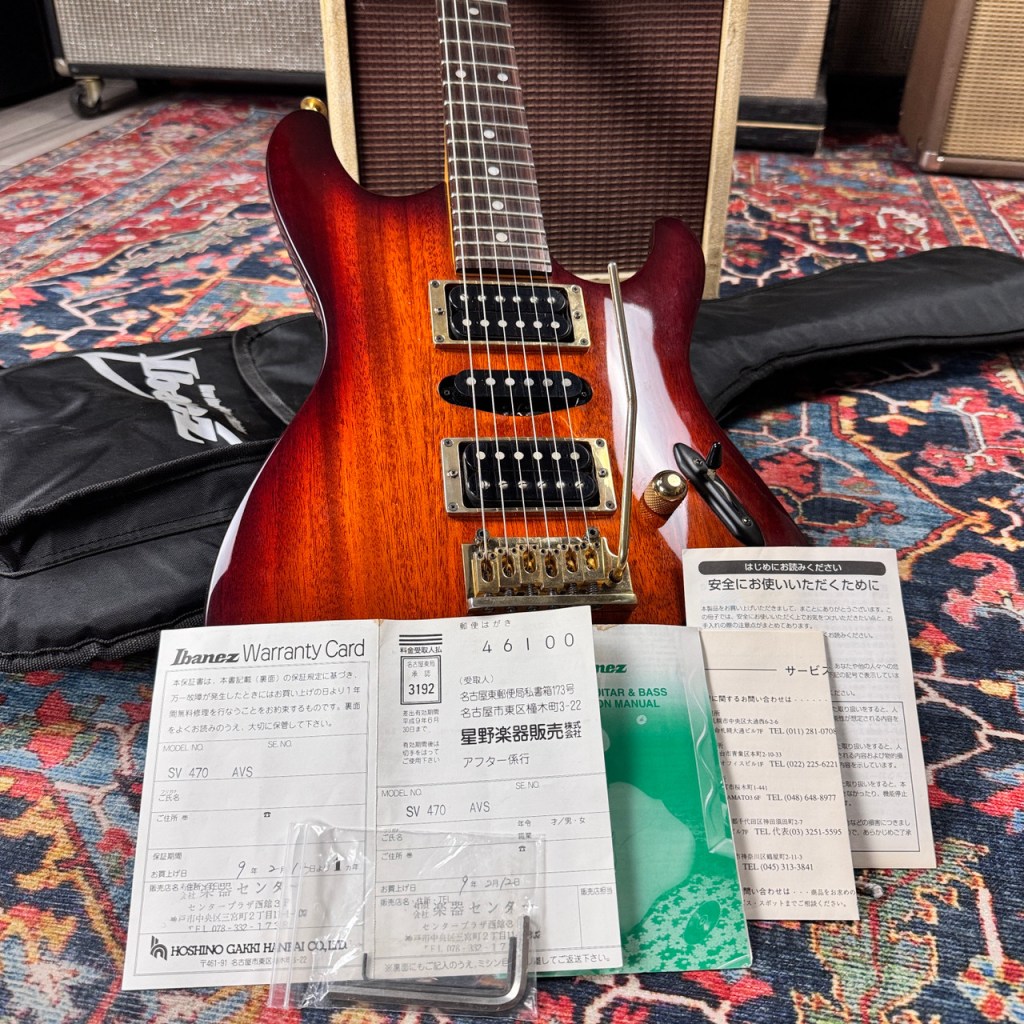
4. The Importance of Return Policies
In addition to warranties, return policies are crucial when buying a guitar, especially if you’re purchasing online or haven’t had the chance to play the guitar in person.
Why Return Policies Matter:
- Try Before You Commit: Even if you’ve researched the guitar thoroughly, it might not feel or sound the way you expected when it arrives. A return policy allows you to try the guitar risk-free and return it if it doesn’t meet your expectations.
- Protection Against Buyer’s Remorse: If you realize that the guitar isn’t the right fit for your playing style or musical goals, a good return policy gives you the option to exchange or return it for a refund.
- Online Shopping Security: When buying a guitar online, you rely on descriptions, photos, and videos. A return policy protects you if the guitar doesn’t match its description or if it arrives damaged.
5. What to Look For in a Return Policy
When reviewing a return policy, here are the key factors to consider:
1. Return Window:
Check how long you have to return the guitar. Return windows typically range from 14 to 60 days, but the longer the better, especially for expensive purchases.
2. Condition Requirements:
Understand the condition in which the guitar must be returned. Most retailers require the guitar to be in “like-new” condition with all original packaging and accessories. Be careful when testing the guitar to avoid damaging it, as this could affect your ability to return it.
3. Restocking Fees:
Some retailers charge a restocking fee for returns, which can be as much as 15-20% of the purchase price. Make sure you’re aware of any potential fees before committing to a purchase.
4. Return Shipping:
Determine who covers the cost of return shipping. Some retailers offer free returns, while others require you to pay for shipping, which can be costly for larger instruments like guitars.
5. Exchange vs. Refund:
Check if the retailer offers a full refund or only store credit/exchange options. If you’re not completely satisfied with the guitar, having the option for a refund gives you more flexibility.

6. What to Do If There’s a Problem
If you encounter an issue with your guitar that you believe is covered under warranty or if you need to return the guitar, here’s what to do:
1. Contact the Seller or Manufacturer:
Reach out to the seller or manufacturer as soon as possible to report the issue or initiate a return. Be clear and specific about the problem, and provide any necessary documentation, such as photos or proof of purchase.
2. Follow the Return Process:
If you’re returning the guitar, follow the seller’s return instructions carefully. Make sure to package the guitar securely to avoid damage during shipping, and keep tracking information until the return is processed.
3. Keep Records:
Document all communications and keep copies of receipts, warranty information, and return shipping details. This can be crucial if there are any disputes or issues with the return or warranty claim.
Conclusion: Protect Your Investment with Warranties and Return Policies
When buying a guitar, it’s easy to get caught up in the excitement of choosing the perfect instrument. But taking the time to understand warranties and return policies is just as important. These protections ensure that you’re covered if something goes wrong with your guitar and give you the peace of mind to enjoy your new instrument to the fullest.
 oscaronguitars.com
Leave a comment