
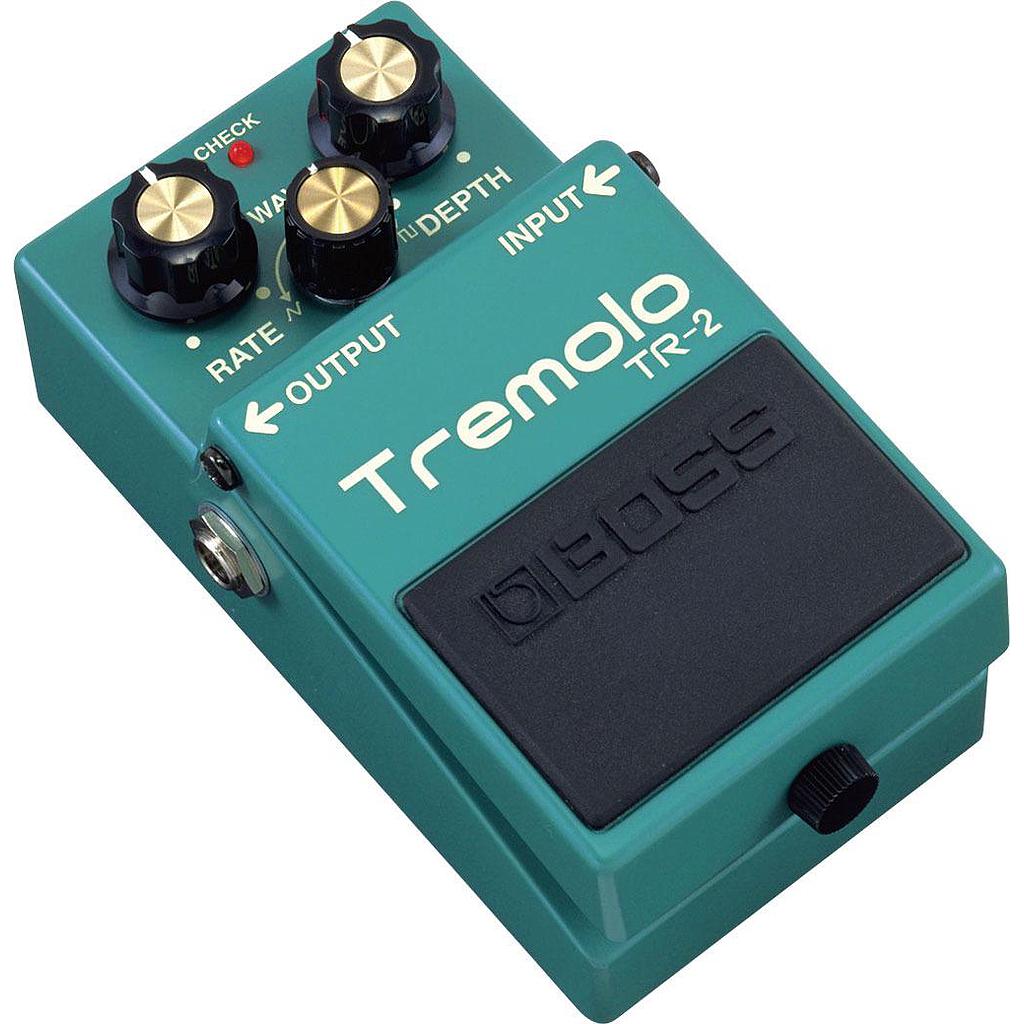
Today, we’re diving into a classic effect that often gets mixed up with other terms: the tremolo effect. Not to be confused with the vibrato effect or the tremolo bar on your guitar, this tremolo is all about modulating your signal’s volume to create a unique rhythmic pulse. Whether you’re a fan of vintage sounds or looking to add a touch of dynamic flair to your tone, this guide will help you understand how tremolo effects work and how to make the most of them.

What Is Tremolo Effect?
The tremolo effect modulates the volume of your guitar signal in a rhythmic manner. Unlike vibrato, which affects pitch, tremolo alters the amplitude or volume of the signal. This creates a pulsating or shimmering effect that can add a dynamic, rhythmic element to your sound.

How Does Tremolo Effect Work?
Here’s a breakdown of how the tremolo effect achieves its unique sound:
- Signal Modulation: The effect works by periodically altering the volume of the guitar signal. This modulation is typically controlled by an LFO (Low-Frequency Oscillator) within the effect unit or digital simulation.
- Rate Control: This knob adjusts how quickly the volume modulation occurs. A faster rate creates a choppy, staccato effect, while a slower rate results in a smoother, more subtle pulse.
- Depth Control: This knob determines the intensity of the volume modulation. More depth means a more pronounced effect, while less depth creates a subtler, gentler pulse.
- Waveform Shape: Some tremolo effects allow you to adjust the waveform of the modulation, such as sine, square, or triangle waves. Each shape affects the way the volume modulation sounds, from smooth and rounded to sharp and staccato.

Key Parameters of Tremolo Effects
Understanding these key parameters can help you shape your tremolo sound:
- Rate: Controls the speed of the modulation. A higher rate produces a faster, more pronounced tremolo effect, while a lower rate results in a slower, more mellow sound.
- Depth: Adjusts the depth of the modulation, or how much the volume fluctuates. More depth gives a more dramatic effect, while less depth keeps it subtle.
- Waveform: Some tremolo pedals let you choose the shape of the modulation waveform. Sine waves produce smooth, rounded modulations, while square waves create a more pronounced on-off effect.
Why Use a Tremolo Effect?
Adding a tremolo effect to your setup can offer several benefits and creative possibilities:
- Dynamic Pulse: The tremolo effect introduces a rhythmic, pulsing quality to your tone, which can add movement and interest to your playing.
- Vintage Vibes: Tremolo was a staple in vintage amplifiers and effects, so it’s perfect for achieving that classic, retro sound.
- Textural Variation: By modulating your volume, tremolo adds a layer of texture and dynamics that can make your playing stand out and feel more expressive.
- Versatile Applications: Tremolo can be used in various musical contexts, from surf rock to ambient soundscapes, making it a versatile addition to any pedalboard.
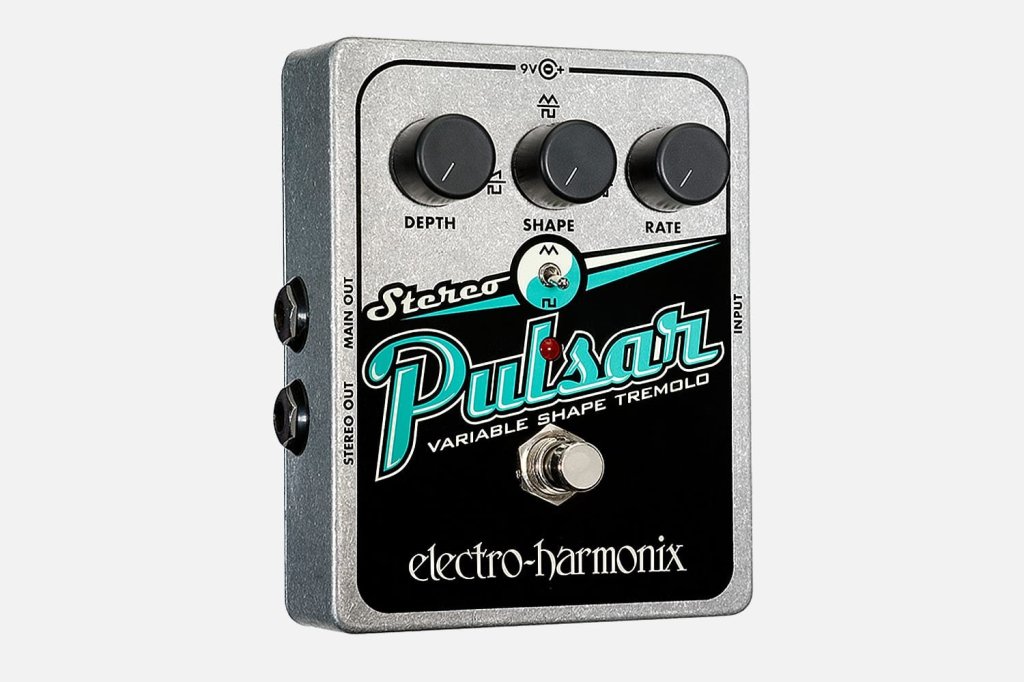
Types of Tremolo Effects
Here are a few types of tremolo effects you might encounter:
- Analog Tremolo: Uses analog circuitry to produce warm, classic sounds with a vintage feel. Often favored for its smooth modulation and tonal character.
- Digital Tremolo: Employs digital processing to offer precise control over the effect. It often includes additional features like waveform selection and advanced modulation options.
- Multi-Effects Units: Many modern multi-effects processors feature tremolo effects along with other options, providing flexibility and convenience for players who want a range of sounds in one unit.
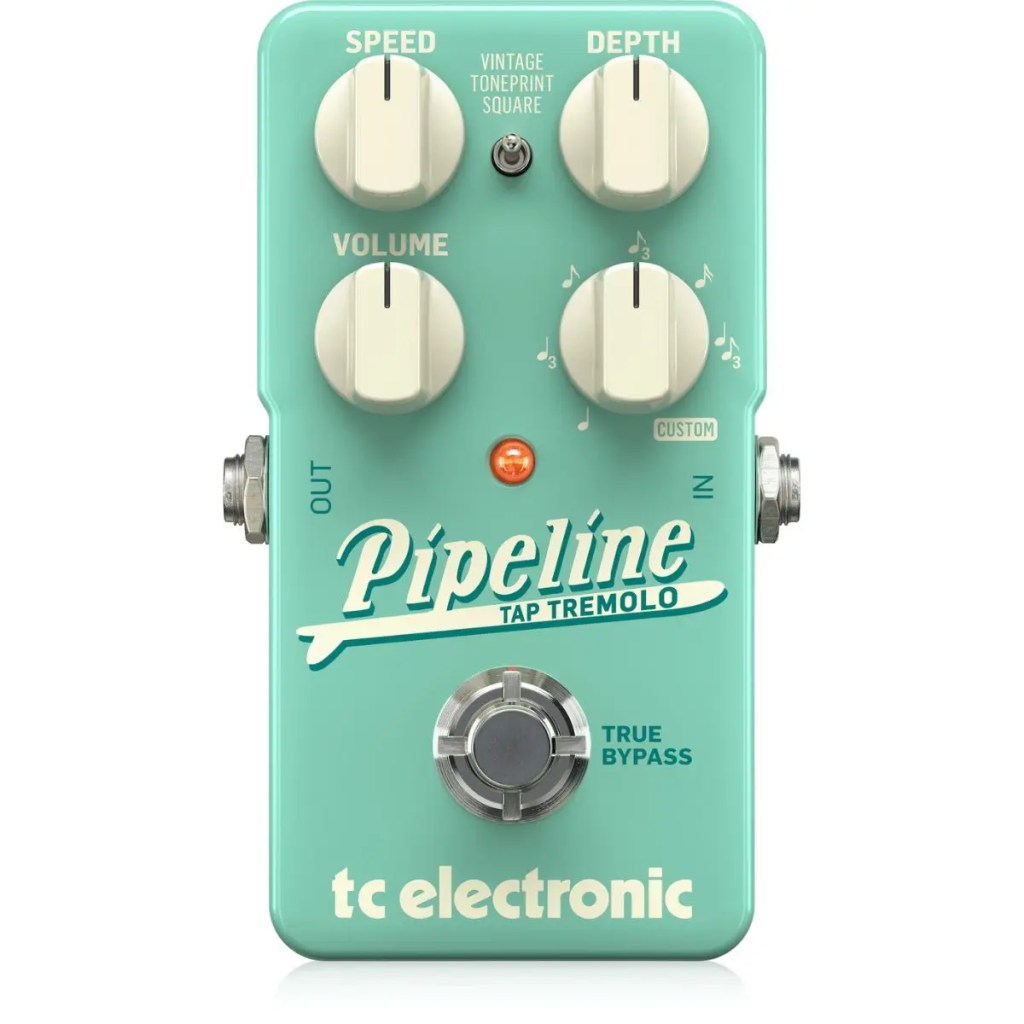
Tips for Using Tremolo Effect
To get the most out of your tremolo effect, consider these tips:
- Start with Moderate Settings: Begin with moderate rate and depth settings to understand how the tremolo affects your tone. You can adjust these as you experiment.
- Experiment with Waveforms: If your pedal offers different waveform shapes, try them out to find which one best fits your style and the sound you’re aiming for.
- Combine with Other Effects: Tremolo works well with other effects like reverb and delay. Experiment with different combinations to discover interesting textures and sounds.
- Use It Sparingly: While tremolo can be a powerful tool, using it too much can overshadow your playing. Apply it thoughtfully to enhance specific parts of your performance.

Conclusion: Embrace the Tremolo Effect
The tremolo effect is a fantastic way to add rhythmic depth and dynamic texture to your guitar sound. By understanding how it works and experimenting with its parameters, you can create everything from subtle pulses to dramatic, vintage-inspired effects.
 oscaronguitars.com
Leave a comment