

Today we’re diving into a commonly misunderstood effect: vibrato. When we’re talking about vibrato in the context of effect units or digital simulations, we’re not referring to the classic vibrato bar on your guitar. Instead, we’re focusing on how the vibrato effect alters your sound in a unique and versatile way. Ready to explore how this effect can enhance your tone? Let’s break it down!
What Is Vibrato Effect?
The vibrato effect modulates the pitch of your guitar signal, creating a subtle oscillation that can add warmth and depth to your sound. Unlike the vibrato bar, which physically bends the strings to achieve pitch changes, the vibrato effect uses electronic means to produce a similar pitch modulation.
How Does Vibrato Effect Work?
Here’s a closer look at how the vibrato effect achieves its distinctive sound:
- Pitch Modulation: Vibrato works by periodically varying the pitch of your signal. This modulation is controlled electronically, often through an LFO (Low-Frequency Oscillator), which adjusts the pitch in a regular, rhythmic manner.
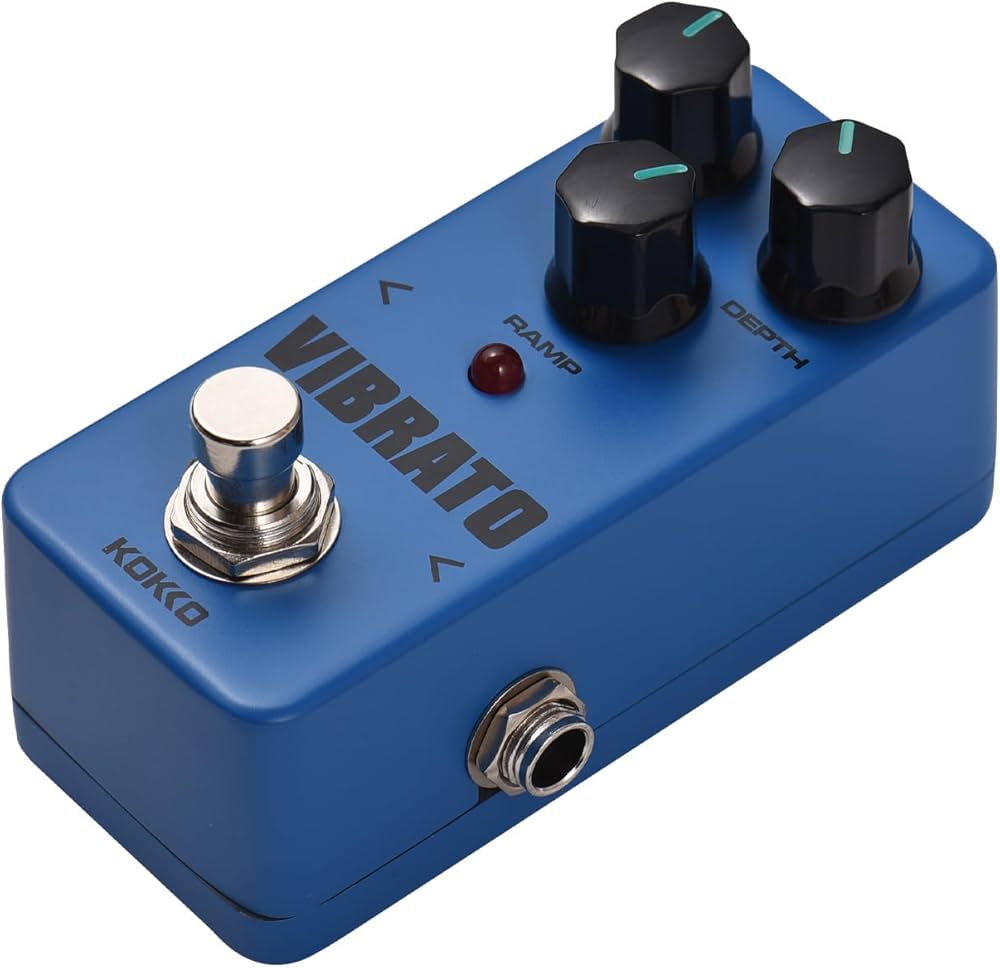
- Rate Control: This knob adjusts how quickly the pitch modulation occurs. A higher rate results in a faster pitch oscillation, which can create a more pronounced vibrato effect. A lower rate results in a slower, more subtle modulation.
- Depth Control: This knob controls the extent of the pitch modulation. More depth means a more noticeable pitch shift, while less depth produces a gentler effect.
- Waveform Shape: Some vibrato effects allow you to choose the shape of the modulation waveform, such as sine or triangle waves. Each shape affects the character of the pitch modulation, from smooth and rounded to more pronounced.
Key Parameters of Vibrato Effects
Understanding these key parameters can help you shape your vibrato sound:
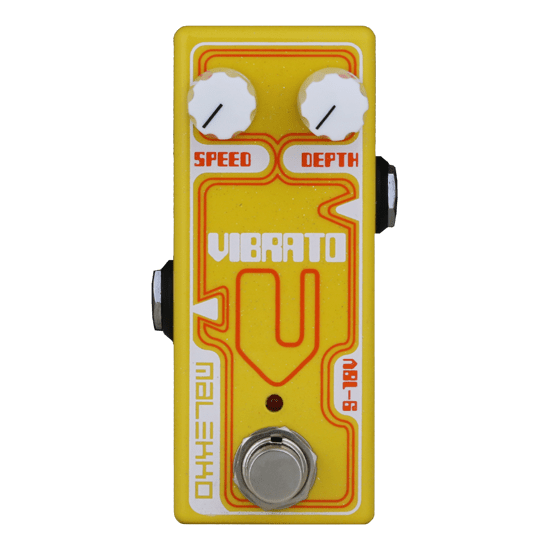
- Rate: Determines how fast the pitch modulation occurs. Higher rates produce a more noticeable vibrato, while lower rates offer a more subtle effect.
- Depth: Adjusts the intensity of the pitch modulation. More depth results in a wider pitch variation, while less depth keeps the effect more subtle.
- Waveform: Some pedals let you choose the waveform shape, which impacts the smoothness and character of the vibrato effect. Sine waves provide a smooth modulation, while square waves create a more abrupt change.
Why Use a Vibrato Effect?
Incorporating a vibrato effect into your setup can offer several benefits and creative possibilities:
- Warmth and Richness: Vibrato adds warmth and a lush, rich quality to your tone, making it more expressive and engaging.
- Vintage Vibes: Vibrato effects have been a staple in classic guitar tones, especially in genres like blues and rock. They’re great for achieving that vintage sound.
- Textural Variation: By modulating pitch, vibrato adds a layer of texture and dynamic variation to your playing, making your sound stand out.
- Versatile Applications: Vibrato can be used in various musical contexts, from adding subtle color to chords to enhancing single-note leads and solos.
Types of Vibrato Effects
Here are a few types of vibrato effects you might encounter:
- Analog Vibrato: Uses analog circuitry to produce warm, vintage-inspired sounds. Often favored for its classic tonal character and smooth modulation.
- Digital Vibrato: Employs digital processing for precise control over the effect. It often includes additional features like waveform selection and advanced modulation options.
- Multi-Effects Units: Many modern multi-effects processors feature vibrato effects alongside other options, offering flexibility and convenience for players who want a range of sounds in one unit.

Tips for Using Vibrato Effect
To get the most out of your vibrato effect, consider these tips:
- Start with Moderate Settings: Begin with moderate rate and depth settings to understand how the vibrato affects your tone. Adjust as needed to find your preferred sound.
- Experiment with Waveforms: If your pedal offers different waveform shapes, try them out to discover which one best suits your style and the sound you’re aiming for.
- Combine with Other Effects: Vibrato works well with other effects like delay and reverb. Experiment with different combinations to find interesting and unique textures.
- Use It Creatively: Vibrato can add subtle color or dramatic flair to your playing. Use it creatively to enhance specific parts of your performance and make your tone more expressive.
Conclusion: Embrace the Vibrato Effect
The vibrato effect is a fantastic way to add warmth, depth, and character to your guitar sound. By understanding how it works and experimenting with its parameters, you can create everything from subtle enhancements to dramatic tonal shifts.
 oscaronguitars.com
Leave a comment