
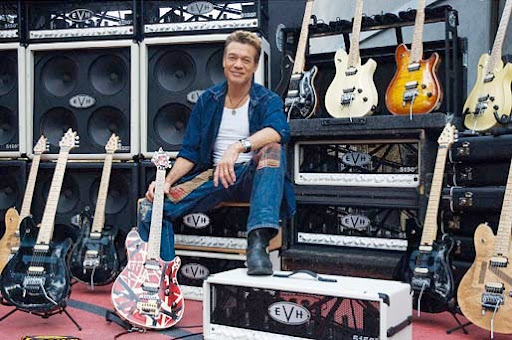
Eddie Van Halen’s name is synonymous with groundbreaking guitar playing, innovative techniques, and a distinctive sound that transformed rock music. However, what often goes unnoticed is the pivotal role of amplifiers in shaping his iconic tone. From his early days in the garage to the grand stages of the world, Eddie’s quest for the perfect sound led him to experiment with various amps, both commercially available and custom-built. This article delves into the amplifiers that defined Eddie Van Halen’s legendary sound, exploring the brands he favored, the modifications he made, and some lesser-known aspects of his amplification journey.
The Early Years: Discovering Tone
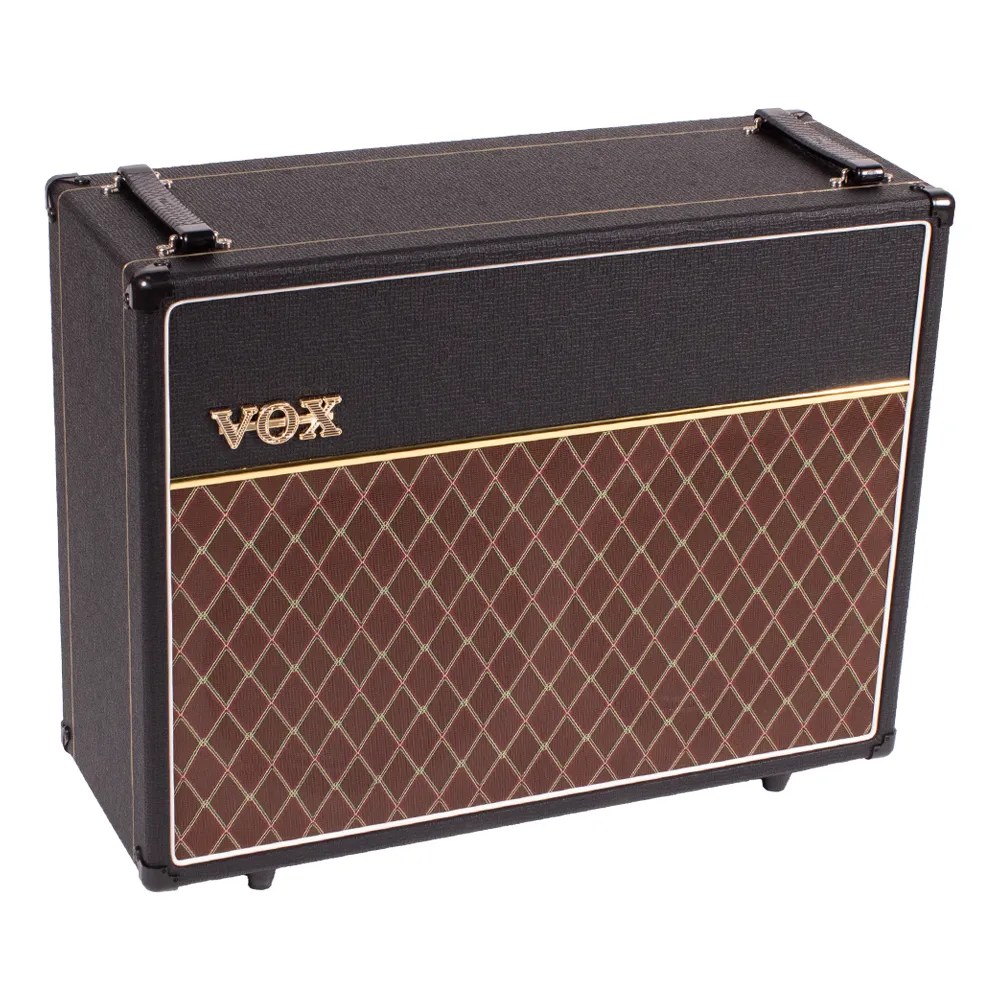
Eddie Van Halen’s early musical influences were pivotal in shaping his sound, and amplifiers played a significant role in this development. As a teenager, he primarily used Gibson Les Paul guitars, which he paired with a Vox AC30 amp. The Vox provided the warmth and character that Eddie craved, laying the groundwork for his future tonal explorations. However, it wasn’t until he switched to Fender Stratocasters that his journey into the world of amplifiers truly began.
The Marshall Era: Unleashing Power
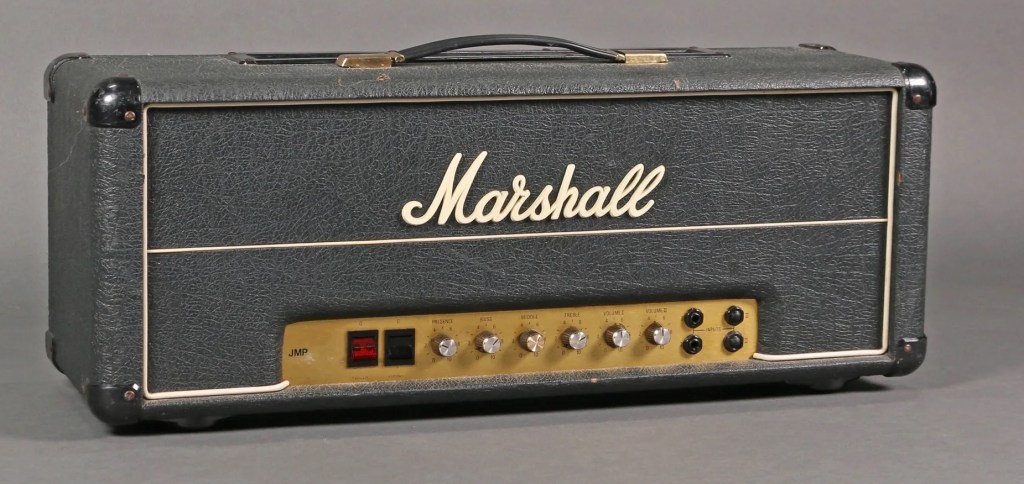
In the mid-1970s, Eddie began using Marshall amplifiers, which became a staple of his rig. He favored the Marshall Super Lead 100 head, known for its powerful, punchy sound and ability to produce the rich harmonic overtones that characterized his playing. Eddie often cranked the amp to achieve a natural overdrive, which gave his tone that sought-after “brown sound.”
Custom Modifications
What set Eddie apart was not just his choice of amplifiers but also his knack for modifying them. He would often replace the stock speakers with Celestion Greenbacks or other high-quality speakers to enhance tonal response. Eddie’s customization didn’t stop there; he would also adjust the circuit to boost the gain and tweak the tone controls to suit his unique style. One lesser-known fact is that he would often experiment with different tubes, favoring EL34 and 6L6 types, to achieve the desired sonic characteristics.
The Birth of the “Brown Sound”
Eddie’s use of Marshall amps played a crucial role in developing what is now known as the “brown sound.” This term refers to the warm, creamy distortion that defined many of his tracks. To achieve this sound, he often ran two Marshall heads simultaneously—one for clean tones and the other for distortion—creating a layered effect that added depth to his sound.
Peavey: A New Chapter
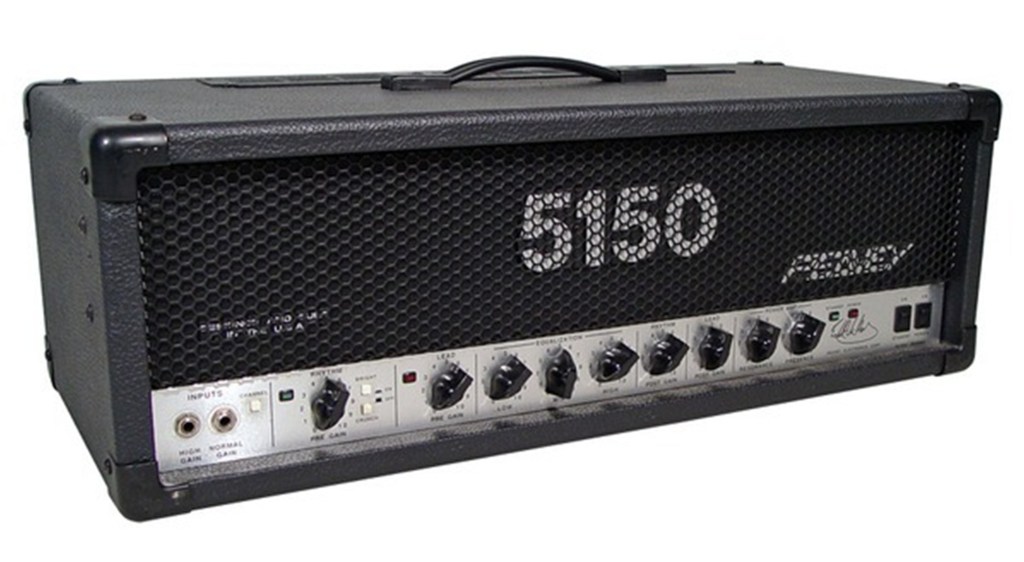
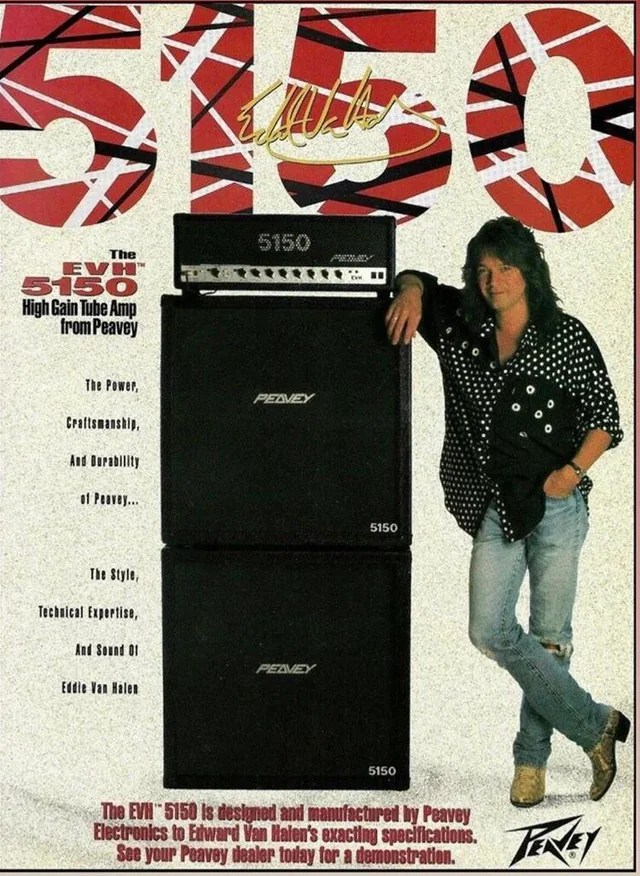
In the early 1980s, Eddie began working with Peavey Electronics to create his signature amplifiers. The Peavey 5150, introduced in 1992, was a game-changer. It combined the raw power of a Marshall with the clarity and articulation that Eddie sought. The amp featured two channels, allowing for a wide range of tones, from sparkling cleans to heavy crunch. Eddie’s collaboration with Peavey resulted in an amp that became a favorite among guitarists worldwide.
Signature Features
The 5150’s design was tailored to Eddie’s specifications. It included a unique gain structure that allowed for smooth overdrive and a tight low end, perfect for his aggressive playing style. Additionally, the amp featured an FX loop, making it easy for Eddie to integrate his favorite effects pedals. Lesser-known is that Eddie would often replace the stock preamp tubes with NOS (New Old Stock) varieties to further refine his tone.
The Music Man Years: Innovation Continues
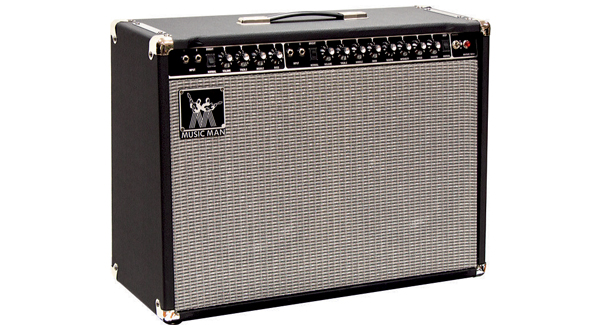
Eddie’s partnership with Ernie Ball Music Man also influenced his amplifier choices. While promoting his signature guitar, the Eddie Van Halen Music Man, he collaborated on amplifiers that complemented his playing style. The Music Man 212 HD was designed to deliver a clean, powerful sound, allowing Eddie to push the amp to its limits without sacrificing clarity.
A Blend of Old and New
The Music Man amps blended traditional tube warmth with modern features. Eddie’s input on these amps focused on achieving a balance between vintage warmth and contemporary punch. A lesser-known fact about the Music Man amps is that they incorporated solid-state technology, which allowed for more reliability on the road—something Eddie valued as a touring musician.
The Final Chapter: EVH Amps
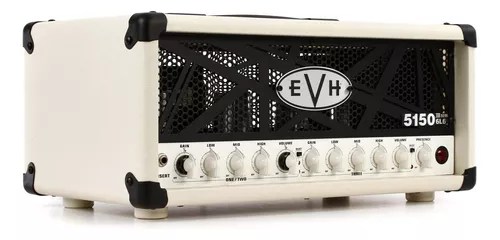
After leaving Peavey, Eddie launched his own line of amplifiers under the EVH (Eddie Van Halen) brand. The EVH 5150 III series, introduced in 2007, represented the culmination of his lifelong journey with amplification. These amps feature three channels, allowing for a vast array of tonal possibilities, and were designed to deliver the classic Van Halen sound while accommodating modern playing styles.
Features and Innovations
The EVH 5150 III amps are equipped with features such as a built-in noise gate and a separate EQ for each channel, giving guitarists unprecedented control over their sound. The EL34 power tubes provide the necessary punch, while the preamp design allows for a wide range of overdriven tones. Eddie’s dedication to innovation is evident in these amps, which reflect both his personal preferences and his desire to push the boundaries of sound.
The Signature Tone
One of the defining aspects of the EVH amps is their ability to replicate the “brown sound” that Eddie was famous for. His signature tone is characterized by a tight low end, smooth mids, and harmonically rich high frequencies. Eddie achieved this through meticulous testing and refinement of the amp’s circuitry, ensuring that every player could experience a taste of his legendary sound.
Conclusion
Eddie Van Halen’s journey through the world of amplifiers is a testament to his relentless pursuit of the perfect tone. From his early days with Marshall amps to the creation of his signature EVH line, Eddie’s innovative spirit and willingness to experiment set him apart as a true pioneer in the realm of rock music. His legacy continues to inspire guitarists around the world, reminding us that great tone is not just about the guitar but also about the amplifiers that bring the sound to life.
 oscaronguitars.com
Leave a comment