

From California Roots to the Heart of American Primitive Guitar
Marisa Anderson, born in Northern California and now based in Portland, Oregon, is a guitarist, composer, and improviser whose work has carved a unique path in the world of instrumental music. Known for her innovative blend of American traditional music, blues, folk, and experimental sounds, Anderson’s guitar playing is both deeply rooted in the past and strikingly contemporary. Her ability to evoke vast emotional landscapes with just a guitar has made her one of the most respected and sought-after musicians in the folk and experimental music scenes.
A Journey from Classical Beginnings to Avant-Garde Folk
Marisa Anderson’s journey into music began with classical training in guitar, piano, and composition. However, she found herself drawn to the sounds of traditional American music, particularly the fingerstyle guitar techniques of the American Primitive guitarists like John Fahey and Robbie Basho. This led her to explore the rich traditions of blues, gospel, country, and folk music, which she began to blend with her background in classical and experimental music.
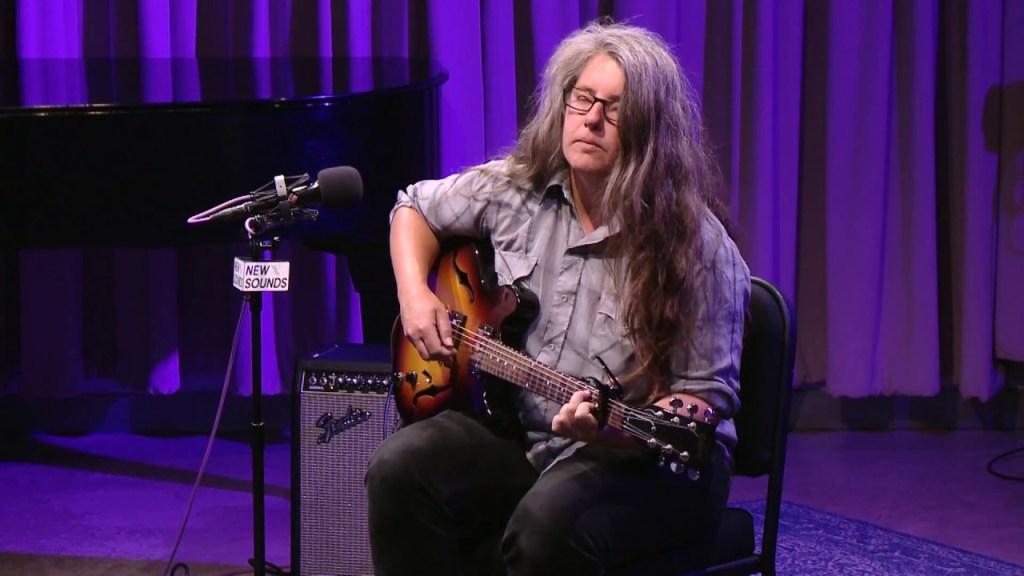
After relocating to Portland, Anderson became deeply involved in the local music scene, performing with various bands and developing her solo work. Her first solo album, The Golden Hour (2009), showcased her distinctive approach to guitar, combining traditional American music with improvisation and modern influences. Anderson’s subsequent albums, including Mercury (2013), Into the Light (2016), and Cloud Corner (2018), further established her as a leading figure in the instrumental guitar world, with each release expanding her sonic palette and deepening her exploration of American roots music.
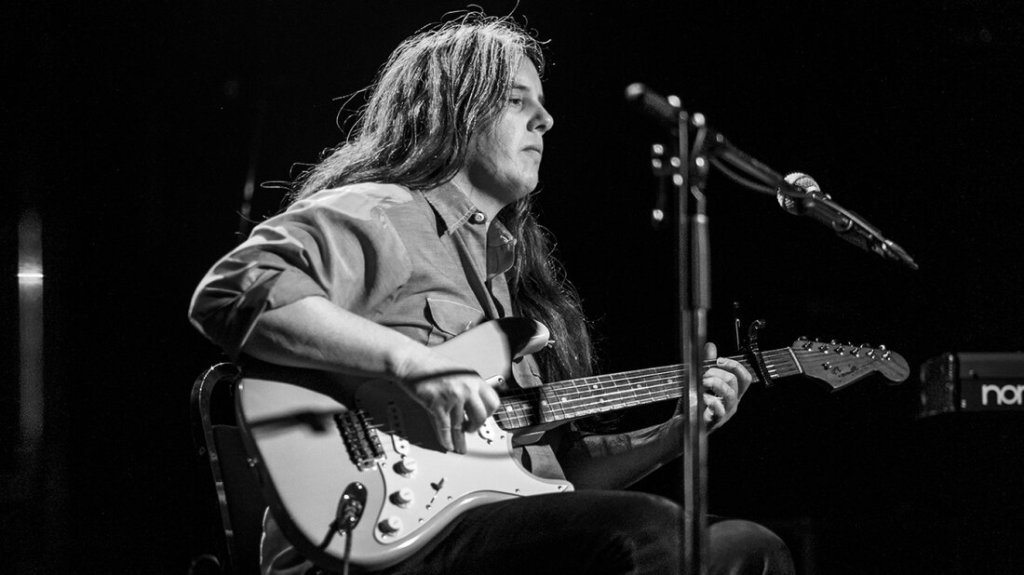
Iconic Tracks: Exploring the Depths of American Music
Marisa Anderson’s music is characterized by its emotive depth, technical mastery, and seamless blending of genres, highlighted in several key tracks:
- “In the Valley of the Sun” – From her album Mercury, this track features Anderson’s signature fingerpicking style, blending blues, folk, and country into a reflective, meditative piece.
- “Cloud Corner” – The title track from her 2018 album, Cloud Corner, showcases Anderson’s ability to create expansive soundscapes with a minimalist approach, combining folk melodies with subtle, ambient textures.
- “Sant Feliu de Guíxols” – A standout track from Into the Light, this piece captures the essence of Anderson’s style, where melodic lines intertwine with complex rhythms to evoke a sense of journey and discovery.
- “Waltz of Shadows” – From The Golden Hour, this track exemplifies Anderson’s blending of traditional waltz rhythms with modern, experimental guitar techniques, creating a piece that feels both timeless and avant-garde.
Gear and Technique: The Art of Fingerstyle Storytelling
Marisa Anderson is known for her masterful use of fingerstyle guitar, a technique that allows her to play bass lines, melodies, and chords simultaneously, creating a full, rich sound from a single instrument. She often plays vintage guitars, such as her 1957 Gibson ES-125, which contribute to the warm, resonant tones that define her music. Anderson’s approach to the guitar is deeply rooted in the traditions of American music, but she also incorporates elements of improvisation, allowing her to explore new sounds and push the boundaries of genre. Her music often feels like a conversation with the listener, with each note and phrase telling a part of a larger story.
Influence and Impact
Marisa Anderson’s influence extends beyond the world of traditional guitar music, impacting musicians and listeners across genres. Her ability to blend the old with the new, and her commitment to exploring the emotional and sonic possibilities of the guitar, has inspired a new generation of guitarists to delve into the rich traditions of American music while also pushing its boundaries. Anderson’s work is often cited as a prime example of the American Primitive guitar tradition in the modern era, yet her music is distinctly her own, reflecting her unique voice and vision.
Conclusion: The Continuing Evolution of Marisa Anderson
Marisa Anderson continues to be a powerful force in the world of instrumental music, celebrated for her ability to evoke the vast landscapes and deep emotions of American music through her guitar. Her work, which is both a tribute to the past and a bold step into the future, ensures that her influence will continue to grow. As she continues to explore new sounds and ideas, Marisa Anderson’s legacy as a leading figure in modern folk and experimental music is firmly established.
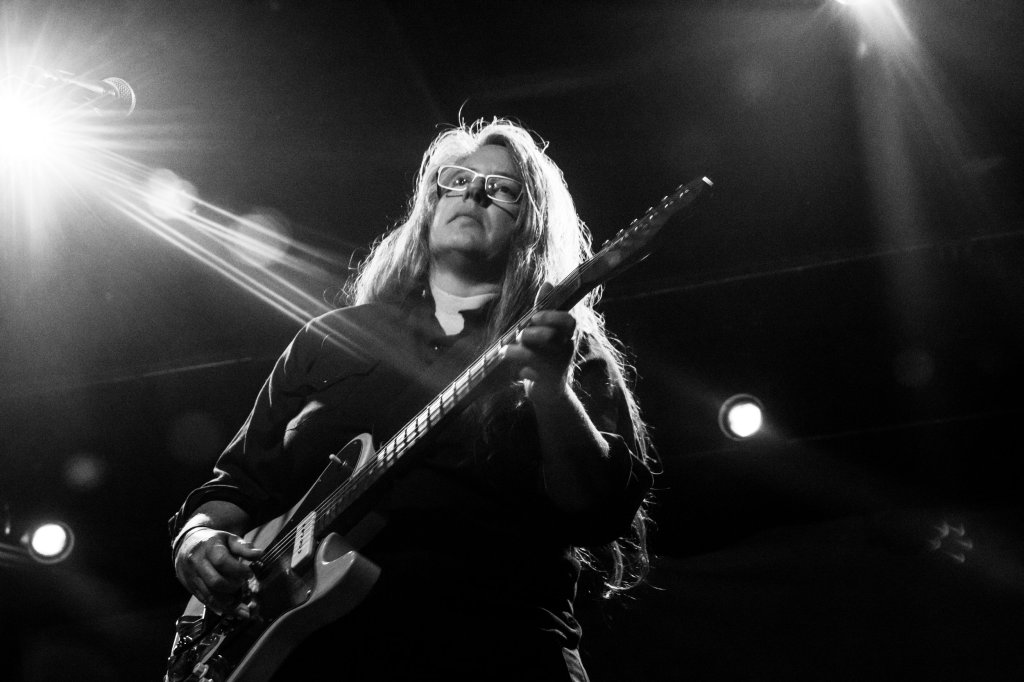
Bonus Track: 10 Facts About Marisa Anderson
- Classical Beginnings: Started her musical journey with classical training in guitar, piano, and composition before gravitating towards American folk and blues.
- American Primitive Influence: Inspired by the American Primitive guitarists like John Fahey and Robbie Basho, which heavily influenced her fingerstyle technique and improvisational approach.
- Portland Music Scene: Became a key figure in the Portland music scene, where she developed her unique blend of folk, blues, and experimental music.
- First Solo Album: Released her first solo album, The Golden Hour, in 2009, which established her as a rising star in the instrumental guitar world.
- Instrumental Storytelling: Known for her ability to tell stories and evoke emotional landscapes through her instrumental compositions.
- Signature Guitar: Often plays a vintage 1957 Gibson ES-125, which contributes to the warm, resonant tones that define her sound.
- Improvisational Mastery: Incorporates improvisation into her music, allowing her to explore new sounds and push the boundaries of traditional genres.
- Cultural Explorer: Her music often reflects her interest in different cultures and landscapes, incorporating elements from various musical traditions into her compositions.
- Collaboration and Experimentation: Frequently collaborates with other musicians and artists, continually expanding her musical horizons and embracing new challenges.
- Continued Innovation: Continues to release new music and tour internationally, maintaining a strong presence in the global folk and experimental music scenes.

 oscaronguitars.com
Leave a comment