
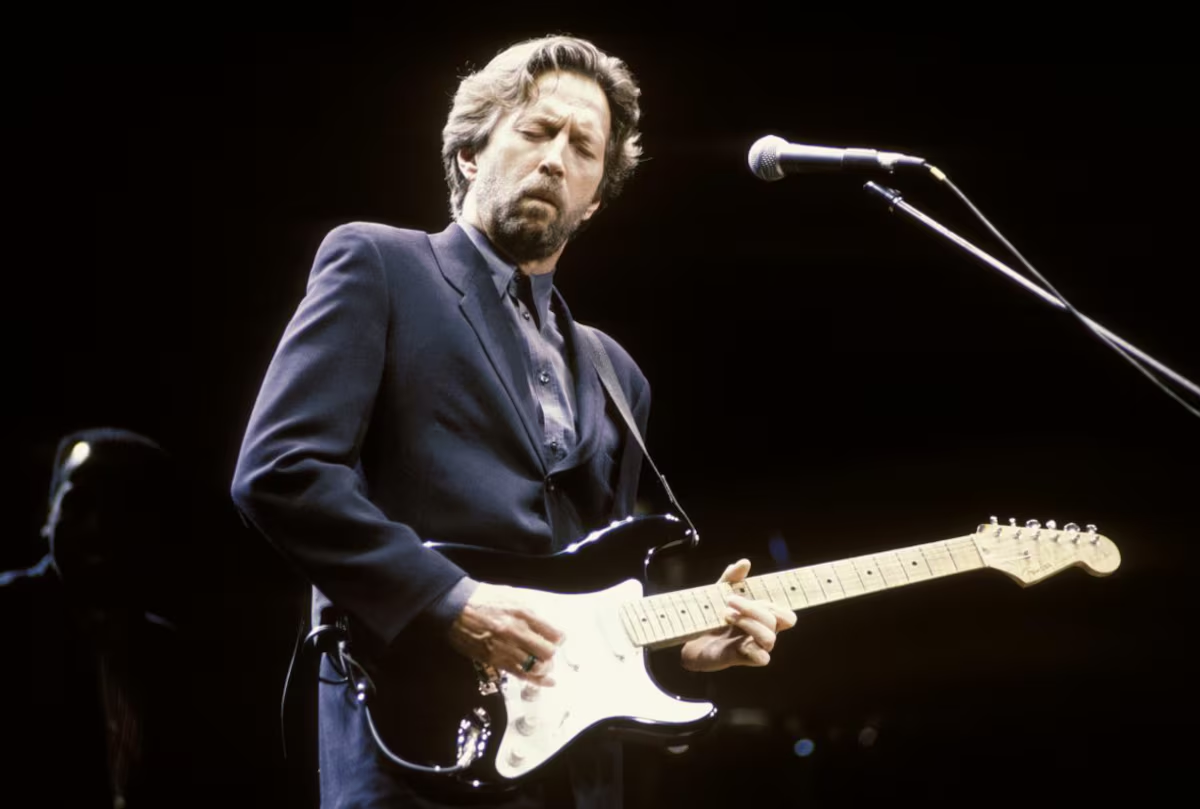
Eric Clapton, born on March 30, 1945, in Ripley, Surrey, England, is one of the most influential and revered guitarists in rock and blues history. His journey from a young blues enthusiast to a global icon is marked by groundbreaking contributions to multiple legendary bands, an ever-evolving style, and a deeply personal connection to the music he plays.
The Yardbirds and the Birth of a Legend
Clapton’s professional career took off in 1963 when he joined The Yardbirds, a British blues-rock band that would later serve as a launching pad for some of rock’s greatest guitarists, including Jeff Beck and Jimmy Page. During his tenure with the band, Clapton honed his blues-based playing style, heavily inspired by American artists such as Freddie King, Buddy Guy, and Robert Johnson. However, as The Yardbirds transitioned towards a more commercial, pop-oriented sound with hits like For Your Love, Clapton grew dissatisfied with the musical direction. In 1965, he made the pivotal decision to leave the group in search of a more authentic blues experience.
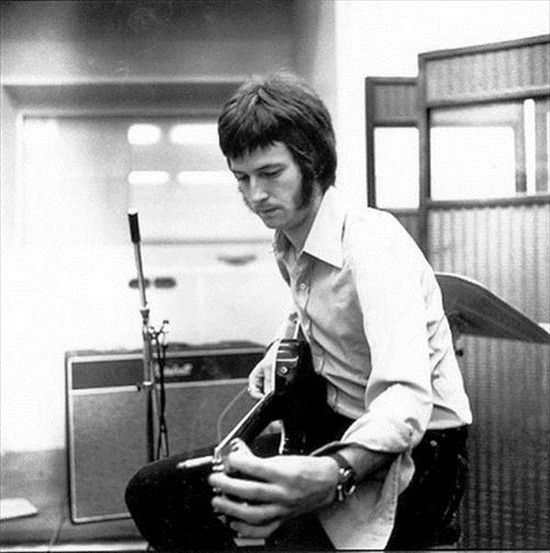
The Bluesbreakers: Clapton Becomes a Guitar God
Shortly after departing The Yardbirds, Clapton joined John Mayall & the Bluesbreakers, a move that would cement his reputation as one of the finest blues guitarists of his generation. It was during this period that the now-legendary phrase “Clapton is God” began appearing as graffiti across London, reflecting his growing status among fans. His fiery lead playing on the album Blues Breakers with Eric Clapton (1966), often referred to as the “Beano” album, showcased a thick, overdriven tone that became the blueprint for British blues-rock guitarists. His use of a Gibson Les Paul through a cranked Marshall amp redefined electric guitar sound, inspiring countless players, including future greats like Gary Moore and Peter Green.
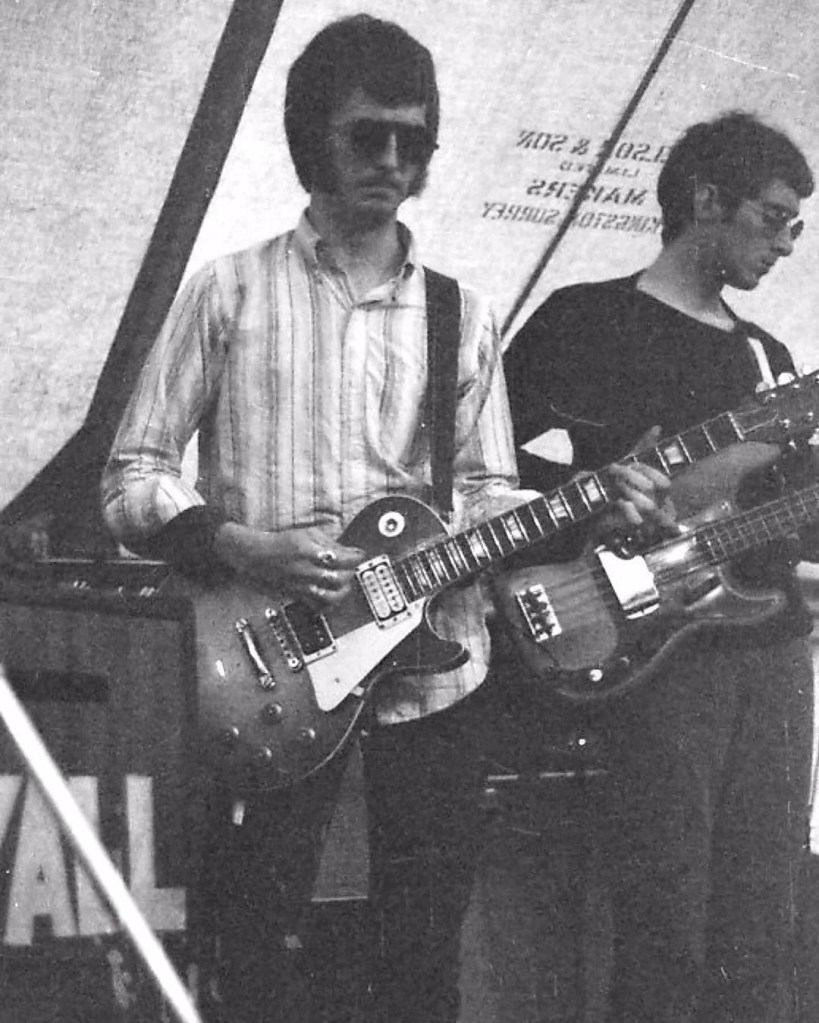
Cream: Redefining Rock with Power and Virtuosity
In 1966, Clapton co-founded Cream, a pioneering supergroup that blended blues, jazz, and psychedelia with unparalleled musicianship. Alongside bassist Jack Bruce and drummer Ginger Baker, Clapton pushed the boundaries of what a rock trio could achieve. With extended improvisational jams, intricate solos, and heavy distortion, Cream helped shape the future of rock music.
Hits like Sunshine of Your Love, White Room, and Crossroads (his electrifying reinterpretation of Robert Johnson’s blues classic) cemented Clapton’s place in the pantheon of rock legends. His fluid phrasing, emotional vibrato, and use of the “woman tone” (achieved by rolling back the tone knob on his Gibson SG) became his signature. Despite Cream’s immense success, internal tensions and the sheer intensity of their playing led to the band’s breakup in 1968.
Blind Faith and a Shift in Style
Following Cream’s dissolution, Clapton teamed up with Steve Winwood, Ginger Baker, and Ric Grech to form Blind Faith, one of rock’s first “supergroups.” Their self-titled 1969 album, featuring classics like Can’t Find My Way Home and Presence of the Lord, showcased a more refined, melodic side of Clapton’s playing. However, the group disbanded after one album and a brief tour, as Clapton grew increasingly disillusioned with the pressures of superstardom.
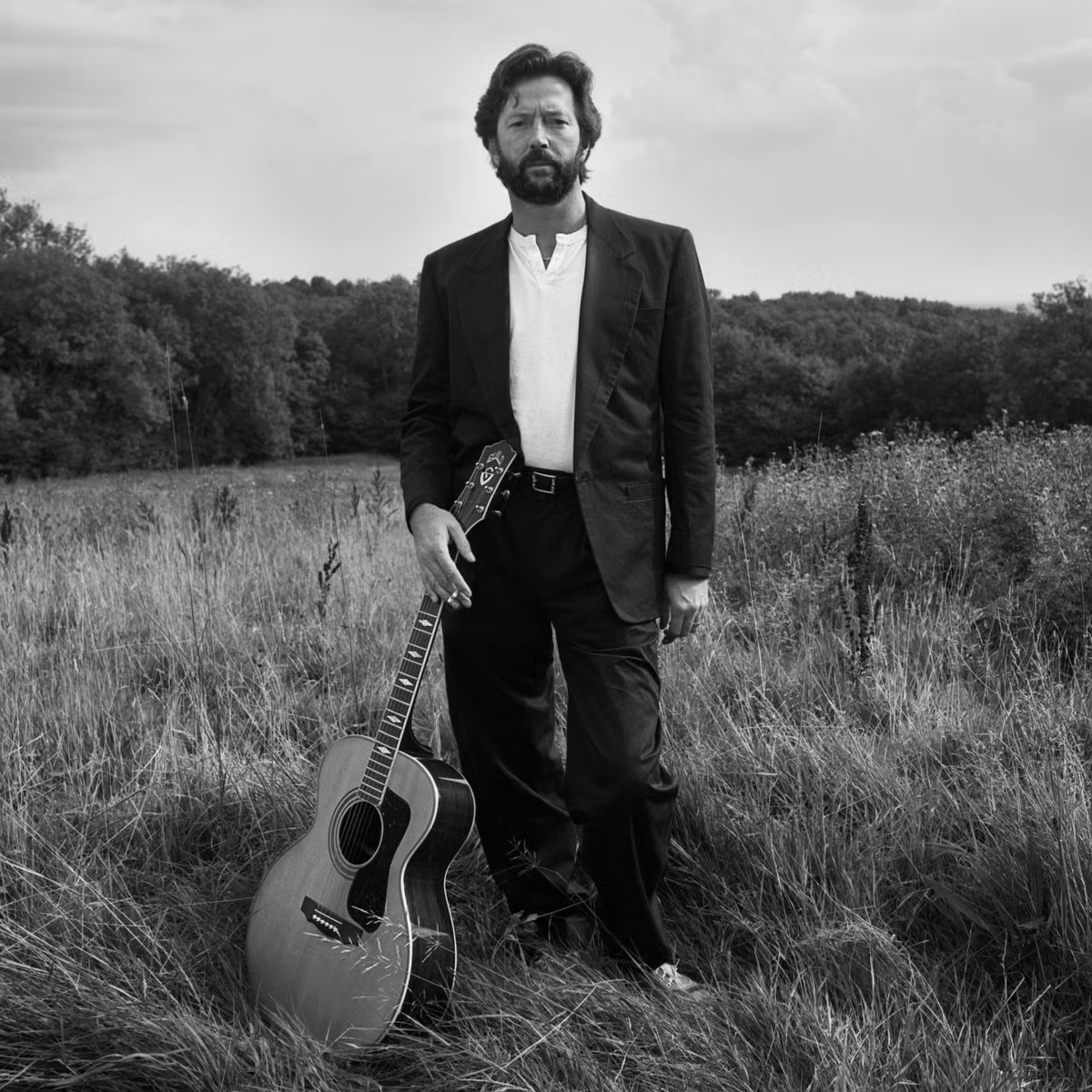
Delaney & Bonnie and the Road to Derek and the Dominos
Seeking a break from the spotlight, Clapton joined Delaney & Bonnie and Friends as a sideman, embracing a more collaborative and roots-based approach. This period profoundly influenced his playing and songwriting, introducing him to the laid-back, Southern blues-rock sound that would define much of his solo career.
Soon after, he formed Derek and the Dominos, a short-lived yet legendary project. Their 1970 album Layla and Other Assorted Love Songs is widely regarded as one of the greatest blues-rock records of all time. The title track, Layla, was a passionate, anguished masterpiece inspired by Clapton’s unrequited love for Pattie Boyd (then married to his friend George Harrison). Featuring the scorching slide guitar work of Duane Allman, the song remains one of the most iconic guitar-driven anthems ever recorded.
Solo Stardom and a New Musical Direction
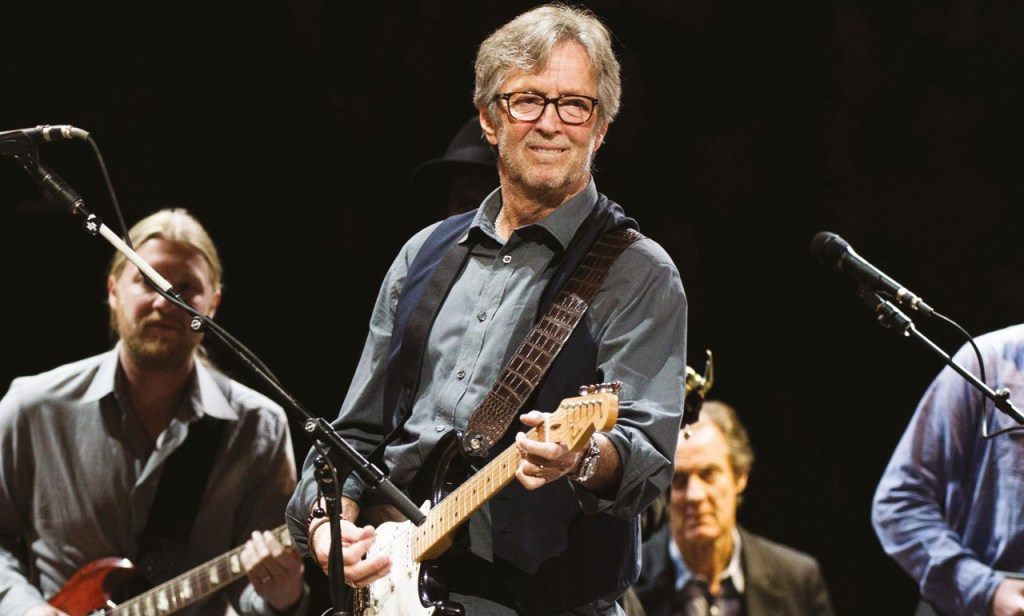
By the early 1970s, Clapton was battling severe heroin addiction, which sidelined his career for several years. His triumphant return came with the release of 461 Ocean Boulevard (1974), a more relaxed and groove-oriented album that featured his now-iconic cover of Bob Marley’s I Shot the Sheriff. This marked a shift towards a more restrained, song-focused approach, contrasting with the fiery virtuosity of his early years.
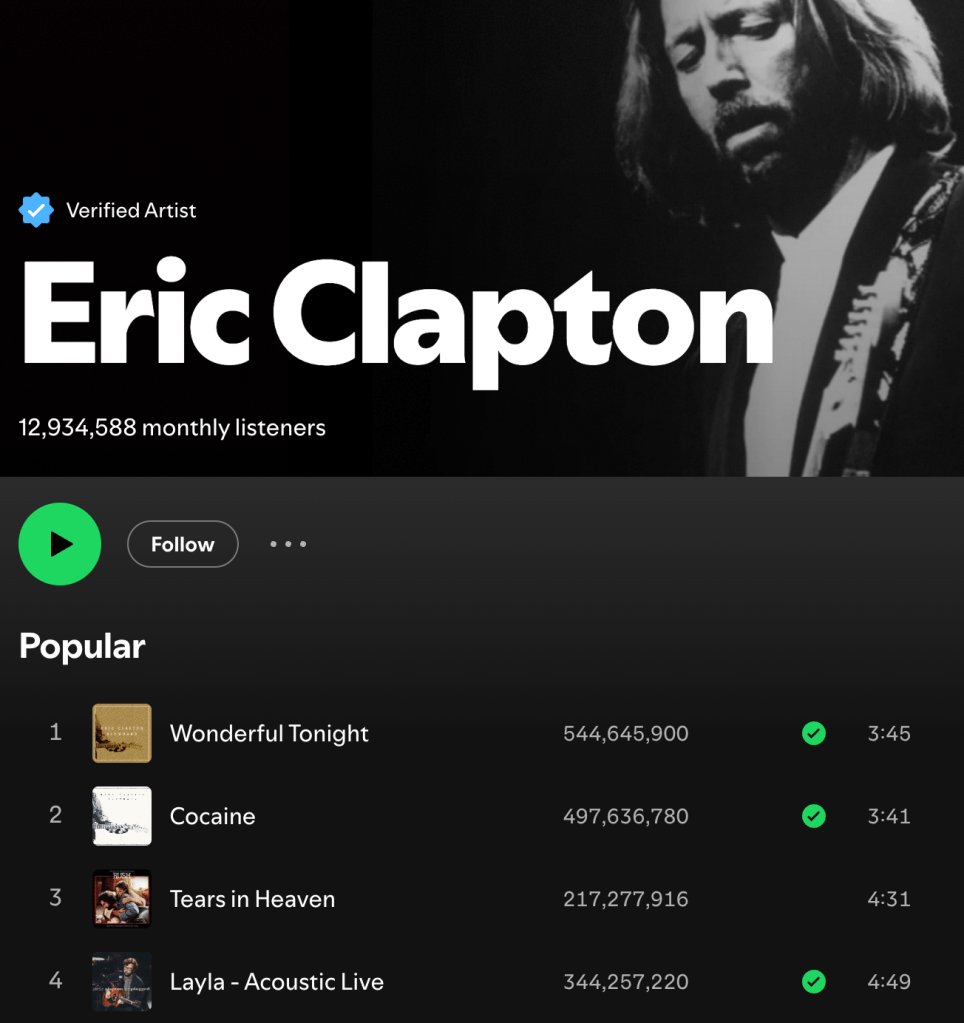
Throughout the late ‘70s and ‘80s, Clapton continued evolving, experimenting with different styles while maintaining his blues roots. Songs like Wonderful Tonight, Tears in Heaven, and Cocaine showcased his ability to balance emotional depth with technical brilliance.
Legacy and Influence
Clapton’s impact on music is immeasurable. His guitar work has inspired generations of players, from blues purists to hard rock shredders. Beyond his technical prowess, his ability to convey raw emotion through his playing sets him apart. Whether it’s the fiery aggression of Crossroads, the melancholic longing of Tears in Heaven, or the effortless groove of I Shot the Sheriff, Clapton’s touch is unmistakable.
Inducted into the Rock and Roll Hall of Fame three times (as a member of The Yardbirds, Cream, and as a solo artist), Clapton remains one of the most celebrated musicians in history. His passion for the blues, dedication to his craft, and relentless pursuit of musical authenticity have secured his place as one of the all-time greats.
From the smoky blues clubs of London to stadiums worldwide, Clapton’s journey is one of artistic reinvention, personal struggles, and unwavering dedication to his instrument. His legacy continues to shape the future of guitar playing, proving that the blues will never fade.

Iconic Tracks: A Testament to Musical Genius
Eric Clapton’s career is a journey through some of the most influential and emotionally charged songs in rock and blues history. His ability to channel raw emotion, technical mastery, and melodic brilliance into his music has resulted in a catalog of timeless tracks that continue to resonate with audiences worldwide. Here are some of his most iconic songs, each showcasing a different facet of his genius.
“Layla” (with Derek and the Dominos, 1970)
Perhaps Clapton’s most defining composition, Layla is an explosive mix of love, longing, and heartache, inspired by his unrequited love for Pattie Boyd (then married to his friend George Harrison). The song’s unmistakable opening riff, played with Duane Allman’s slide guitar harmonizing alongside Clapton’s lead, is one of the most powerful and instantly recognizable moments in rock history.
The song is structured in two distinct sections:
- The first half is an urgent, desperate cry of love, driven by a ferocious guitar riff and Clapton’s impassioned vocals.
- The second half, an extended piano outro composed by drummer Jim Gordon, transforms the song into a bittersweet, melancholic farewell.
Despite its initial modest reception, Layla has since become one of the greatest love songs in rock history, a staple of guitar-driven music, and an essential piece in Clapton’s legacy.
“Sunshine of Your Love” (with Cream, 1967)
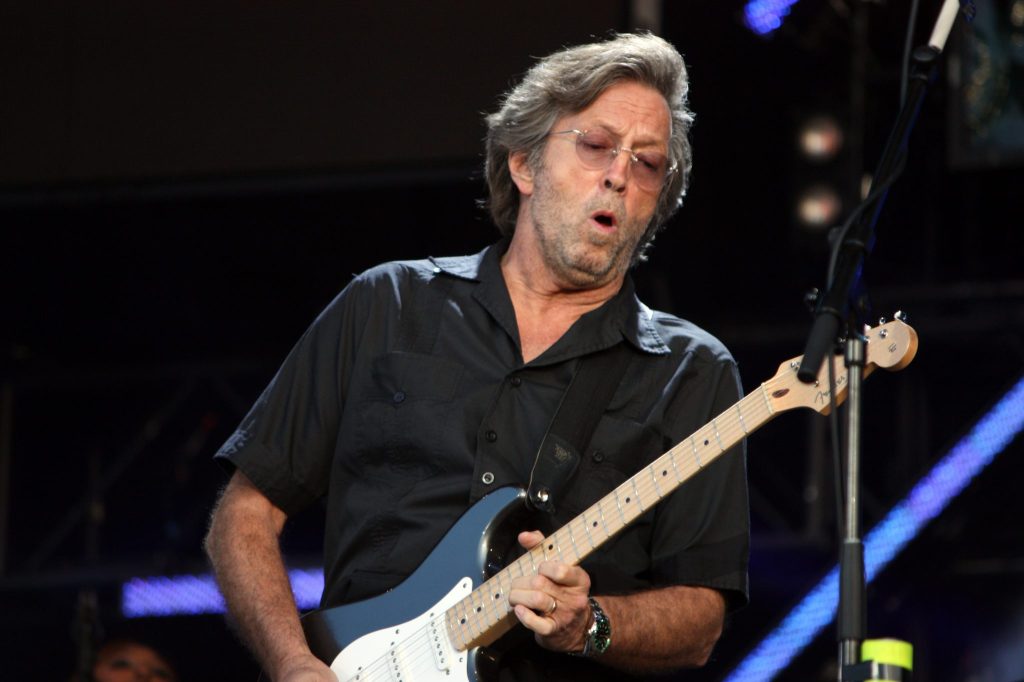
A psychedelic blues masterpiece, Sunshine of Your Love is driven by one of the most iconic guitar riffs in rock—a hypnotic, descending blues line that is both simple and devastatingly effective.
Written during Cream’s peak, this track perfectly captures the band’s blend of blues roots and psychedelic experimentation. Clapton’s solo, played with his famed “woman tone” (rolling back the tone knob on his Gibson SG), is a lesson in sustain, phrasing, and musical tension.
With Jack Bruce’s thunderous bassline and Ginger Baker’s distinctive tom-heavy drumming, Sunshine of Your Love remains an essential rock anthem and a defining moment in Clapton’s career.
“Tears in Heaven” (1992)
A deeply personal song, Tears in Heaven was written in the wake of an unthinkable tragedy—the death of Clapton’s four-year-old son, Conor, who fell from a high-rise apartment in 1991. Unlike Clapton’s usual blues-infused compositions, this song is gentle, acoustic, and devastatingly emotional, reflecting a grief that is universal and deeply human.
Originally recorded for the soundtrack of Rush (1992), the song became a defining moment in Clapton’s career, winning three Grammy Awards (Song of the Year, Record of the Year, and Best Male Pop Vocal Performance). Its stripped-down performance on MTV Unplugged further solidified its place in musical history.
With lyrics that ask, Would you know my name if I saw you in heaven?, this song transcends music—it is a moment of raw vulnerability, a testament to loss, healing, and the power of music to express the inexpressible.
“Wonderful Tonight” (1977)
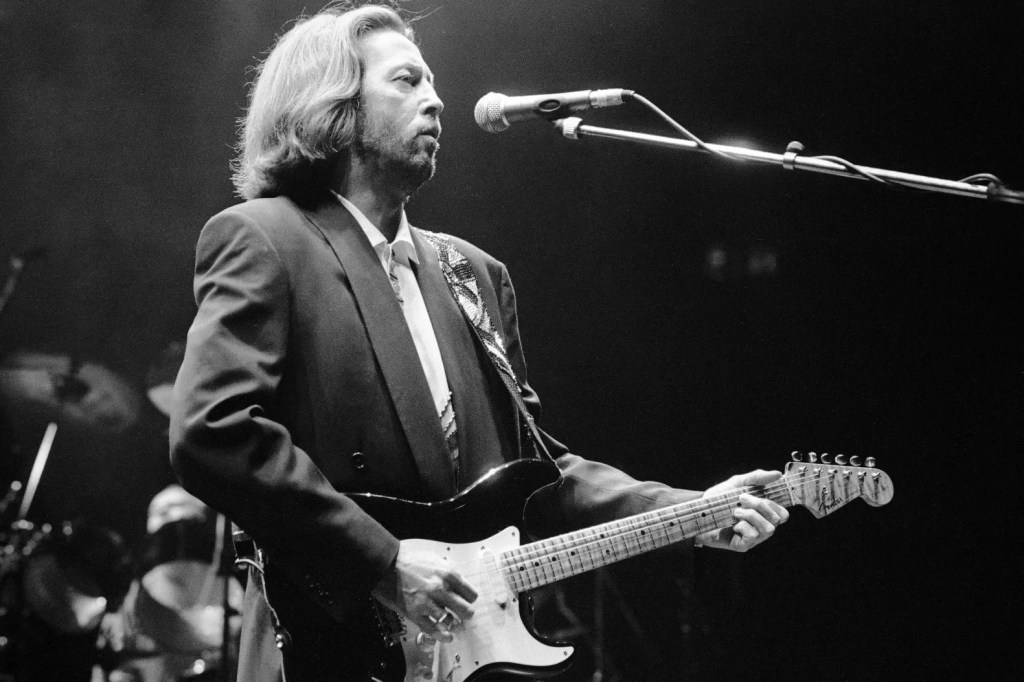
Where Layla captured the turmoil of unrequited love, Wonderful Tonight is a simple yet profound declaration of love and admiration. Written for Pattie Boyd (whom he eventually married), the song is built around a slow, melodic lead guitar line that perfectly mirrors its heartfelt lyrics.
The song’s beauty lies in its minimalism—Clapton’s soft, understated vocals paired with a warm, clean Stratocaster tone create an intimate, romantic atmosphere. Over the years, it has become a wedding favorite and one of Clapton’s most beloved songs.
Despite its gentle sound, the song also represents Clapton’s struggles during that era, as he later admitted that he was dealing with alcohol addiction at the time of writing. This contrast between love and personal hardship makes Wonderful Tonight even more poignant.
“Crossroads” (with Cream, 1968)
A fiery reinterpretation of Robert Johnson’s blues classic, Crossroads showcases Clapton at his most ferocious and technically dazzling. Recorded live at the Fillmore West, this version became the definitive rock-blues adaptation, featuring searing solos and a lightning-fast delivery that captured the intensity of Cream’s live performances.
The song’s theme—a man selling his soul to the devil for musical talent—aligns perfectly with Clapton’s deep blues roots. His ability to modernize traditional blues while retaining its raw emotion is on full display, making Crossroads a cornerstone of rock guitar.
“Cocaine” (1977)
Written by J.J. Cale but popularized by Clapton, Cocaine is often misinterpreted as an endorsement of drug use, but in reality, it serves as a cautionary tale about addiction. With its hypnotic riff, laid-back groove, and bluesy swagger, the song became one of Clapton’s live staples.
The track’s slow, deliberate pacing gives Clapton room to stretch out his lead guitar work, employing sharp, rhythmic phrasing and subtle wah-wah flourishes. It remains one of his most recognizable songs and a testament to his ability to turn minimalist blues structures into unforgettable anthems.
“I Shot the Sheriff” (1974)
Clapton’s cover of Bob Marley’s reggae classic helped bring the genre to a global audience. While Marley’s original had a raw, rootsy feel, Clapton’s version added bluesy lead lines, a smoother production, and a rock-oriented groove, making it a massive hit.
This song demonstrated Clapton’s versatility, proving he could step outside his blues-rock comfort zone and still create something authentic and powerful. The success of I Shot the Sheriff played a crucial role in introducing reggae to mainstream rock audiences.
Clapton’s Musical Legacy
These songs are just a snapshot of Eric Clapton’s legendary career, each representing a different phase of his musical evolution. From the fiery improvisation of Cream to the deeply personal songwriting of his solo career, Clapton has continually redefined himself while staying true to his blues roots.
His ability to craft emotive melodies, masterful guitar work, and timeless compositions ensures that his music will continue to inspire generations to come. Whether electrifying stadiums or delivering an intimate acoustic ballad, Clapton’s songs remain a testament to his genius and enduring influence.
Gear and Style: The Clapton Sound
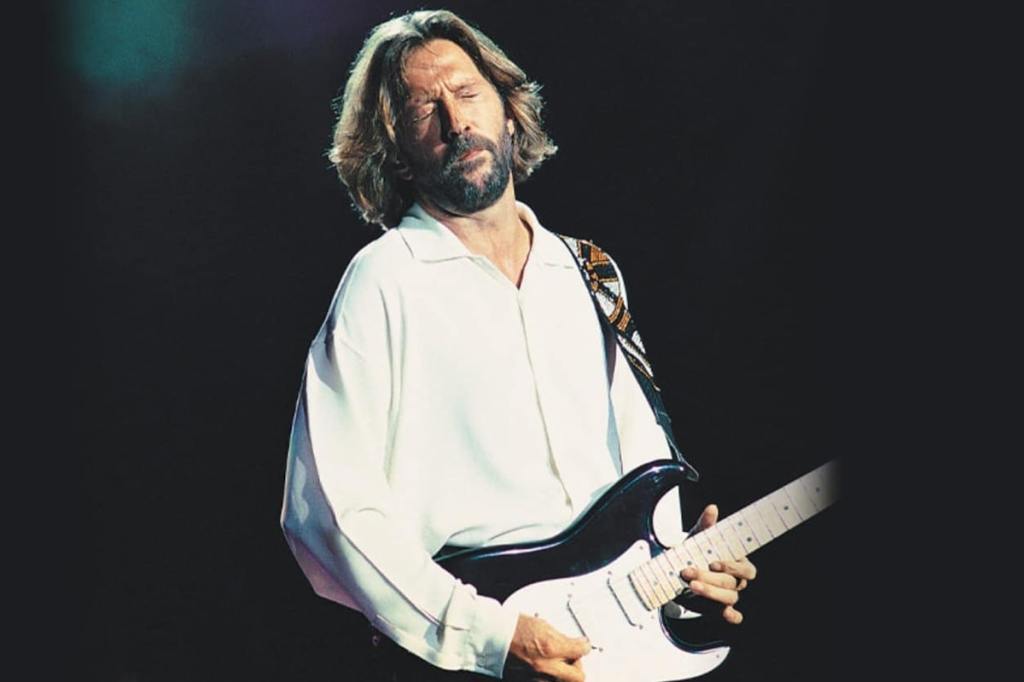
Eric Clapton’s tone is legendary—smooth, expressive, and deeply rooted in the blues. Over the years, his gear and playing style have evolved, but his signature sound remains unmistakable. Whether wielding a Gibson Les Paul, a Fender Stratocaster, or even a Martin acoustic, Clapton’s ability to blend raw emotion with technical precision has influenced generations of guitarists.
The Evolution of Clapton’s Guitars
Early Years: The Gibson Era
In his early days with The Yardbirds and John Mayall & the Bluesbreakers, Clapton was known for using Gibson guitars, particularly a 1960 Gibson Les Paul Standard. This setup, played through a Marshall amp, produced the thick, warm, and overdriven tone that defined the British blues movement. His use of this combination on the Beano album set the gold standard for blues-rock guitar tone.
With Cream, Clapton experimented further, switching between a Gibson SG (nicknamed “The Fool”), a Gibson ES-335, and a Gibson Firebird I. These guitars, along with his aggressive playing and pioneering use of sustain and feedback, contributed to the band’s heavy, psychedelic sound. His ability to create thick, violin-like tones, often rolling back the tone knob to achieve what he called the “woman tone,” became one of his trademarks.
The Stratocaster Era: Blackie and Beyond
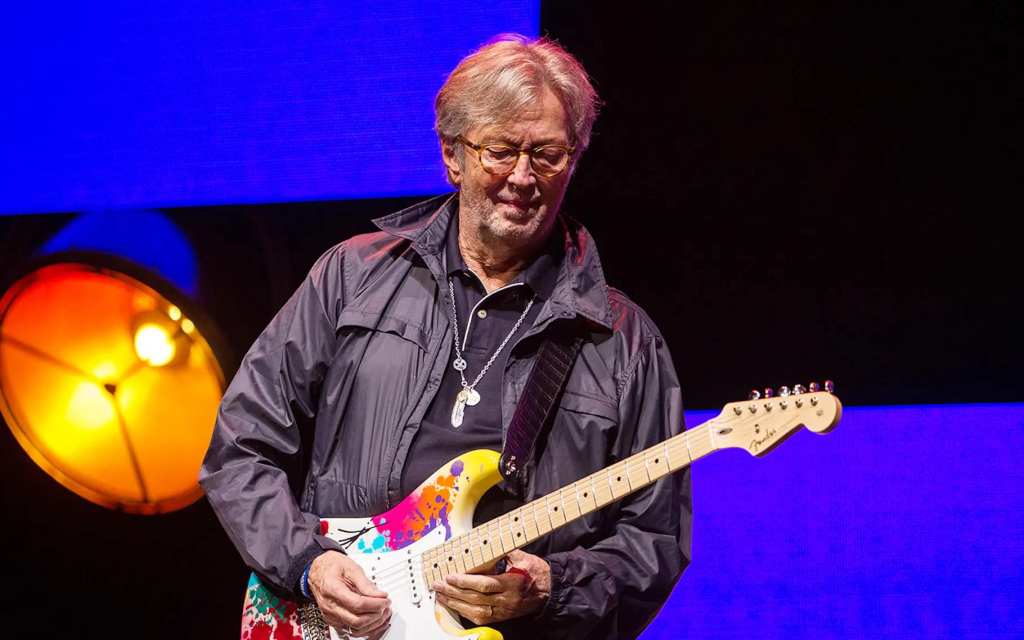
By the early 1970s, Clapton had transitioned to the Fender Stratocaster, a move that would define his sound for decades. His most famous Strat, Blackie, was a custom-built guitar assembled from parts of three 1950s Stratocasters he had purchased in Nashville. Blackie became his main instrument from 1970 to 1985 and was used extensively on albums like 461 Ocean Boulevard and Slowhand.
The Strat’s brighter, more articulate tone allowed Clapton to refine his playing style, emphasizing clean phrasing, dynamic control, and expressive bends. Unlike the heavier, overdriven tones of his Cream days, his Stratocaster era focused on a more fluid and lyrical approach.
In 1988, Fender released the Eric Clapton Signature Stratocaster, featuring vintage noiseless pickups, an active mid-boost circuit, and a soft V-shaped neck profile—designed to replicate the feel of Blackie. This model remains one of the most popular artist signature guitars on the market.
Amplifiers and Effects: The Essence of His Sound
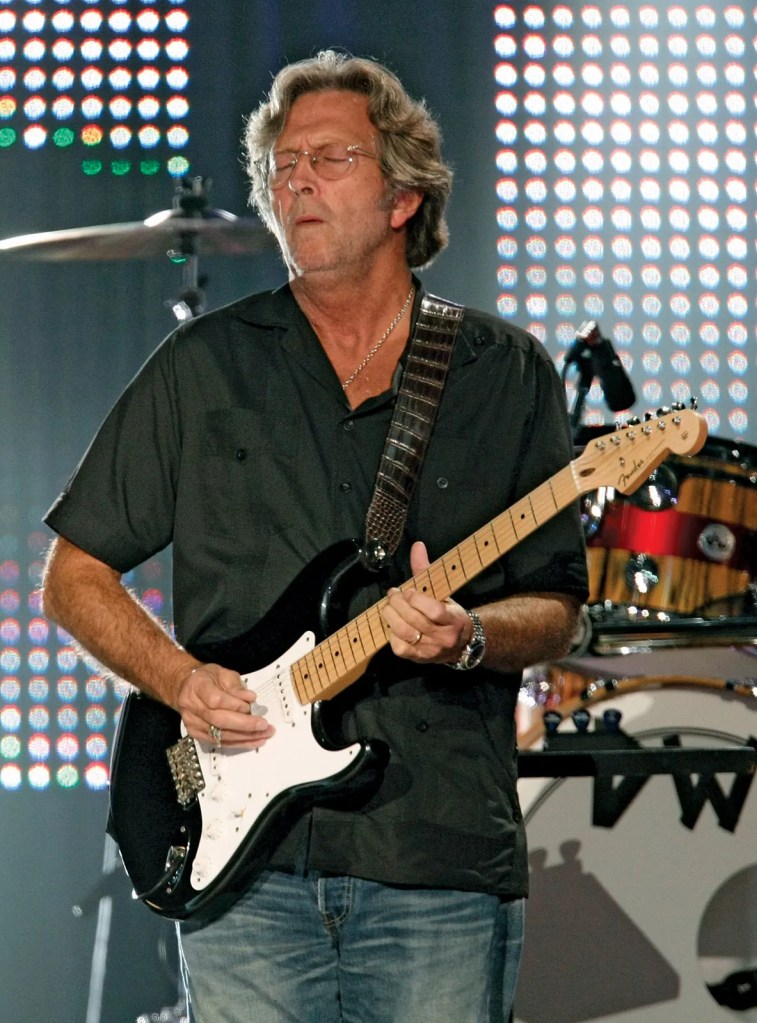
Clapton’s tone is remarkably straightforward, often relying on the natural characteristics of his guitar and amp rather than an extensive array of effects. However, his choice of amplification and occasional use of pedals play a key role in shaping his sound.
Amplifiers:
- Marshall JTM45 – Used during his time with the Bluesbreakers, this amp contributed to his thick, warm, and punchy blues tone.
- Marshall 1962 Bluesbreaker Combo – This amp, paired with a Les Paul, defined the sound of the Beano album. The “Bluesbreaker” amp remains one of the most sought-after blues-rock amplifiers.
- Fender Twin Reverb – Used during the mid-1970s and beyond, this amp provided a cleaner, more articulate tone, complementing his transition to Strats.
- Soldano SLO-100 – Clapton occasionally used this high-gain amp in the late ‘80s, particularly on Journeyman.
- Fender EC Tremolux – A custom amp developed for his later years, offering a warm, bluesy tone with built-in tremolo.
Effects:
While Clapton is known for his minimalist approach to effects, he has used a few key pedals throughout his career:
- Wah Pedal (Vox or Cry Baby Wah) – Used extensively during his Cream days (White Room, Tales of Brave Ulysses).
- Dallas Arbiter Fuzz Face – Occasionally used for a heavier, more distorted tone.
- Tremolo – Featured in songs like While My Guitar Gently Weeps.
- Overdrive/Boost (Ibanez Tube Screamer, Boss OD-1, or built-in boost in his Stratocaster) – Used to push his amp into a rich, singing sustain.
Playing Style: The Heart of Slowhand’s Sound
Fluid and Melodic Phrasing
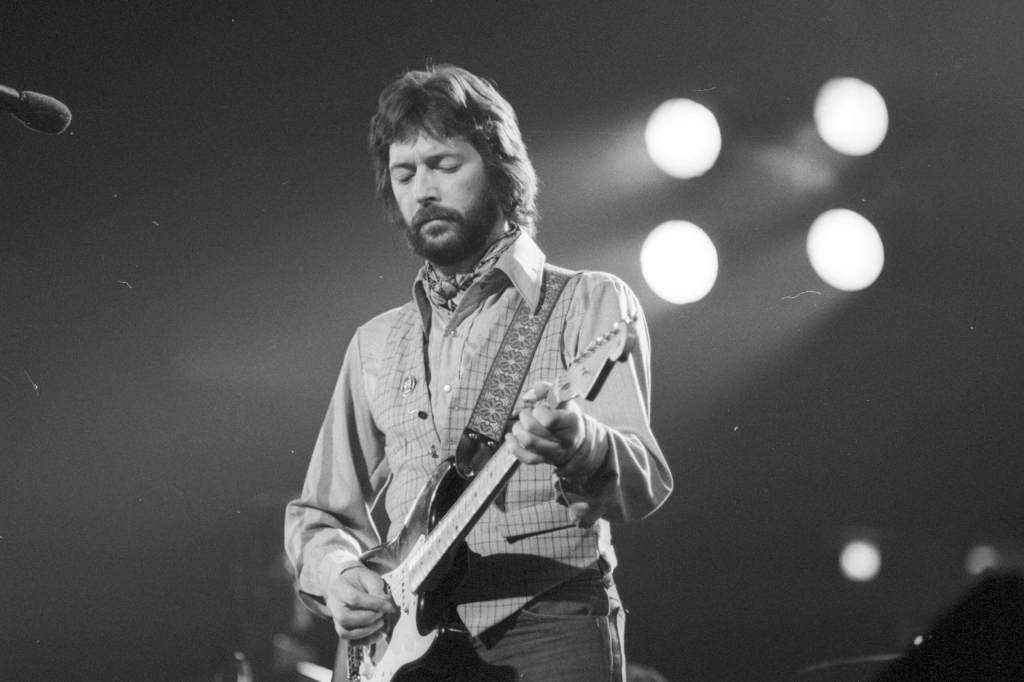
Clapton’s playing is often described as vocal-like, with each note carefully placed for maximum emotional impact. His phrasing is deeply influenced by blues legends like B.B. King, Albert King, and Freddie King. He frequently employs call-and-response phrasing, reminiscent of traditional blues singers.
Vibrato and Bending
One of the most recognizable elements of Clapton’s style is his smooth, controlled vibrato. Unlike the wide, aggressive vibrato of players like Zakk Wylde, Clapton’s vibrato is more subtle and refined, giving his notes a singing quality. His bending technique is also signature—often bending up a full step or more with perfect intonation, allowing his notes to soar.

The “Woman Tone”
Developed during his Cream years, Clapton’s “woman tone” is achieved by rolling down the tone knob on his guitar while using the neck pickup. This creates a smooth, violin-like sustain with reduced high frequencies, as heard in songs like Sunshine of Your Love.
Fingerpicking and Acoustic Mastery
Clapton is also an accomplished acoustic player. His Unplugged album (1992) showcased a different side of his musicianship, with stripped-down renditions of classics like Tears in Heaven and an acoustic blues reworking of Layla. His fingerpicking technique on songs like Before You Accuse Me and Nobody Knows You When You’re Down and Out highlights his deep understanding of Delta blues traditions.

The Legacy of Clapton’s Sound
Eric Clapton’s sound is the result of decades of refinement, blending blues authenticity with rock energy. Whether it’s the overdriven Les Paul through a cranked Marshall or the shimmering clean tones of his Strat through a Fender amp, his playing remains instantly recognizable. His influence stretches across countless guitarists, from blues purists to hard rock players, cementing his place as one of the most important figures in the history of the electric guitar.
Influence and Impact: The Legacy of Eric Clapton
Eric Clapton’s influence on music goes far beyond his technical prowess on the guitar. His ability to bridge blues and rock, his role in shaping multiple legendary bands, and his continued evolution as a solo artist have left an indelible mark on modern music. More than just a musician, Clapton has been a champion of the blues, a mentor to generations of guitarists, and a cultural icon whose work transcends genre and era.
Bringing the Blues to the Mainstream
One of Clapton’s most significant contributions to music is his role in popularizing the blues for mainstream audiences. When he emerged in the early 1960s, blues music was largely an underground genre, confined to niche clubs and appreciated mostly by dedicated enthusiasts. Clapton, however, took the raw power and deep emotion of blues guitar and infused it into rock, helping to create what would later be known as blues rock.
His time with John Mayall & the Bluesbreakers was a turning point. The 1966 Blues Breakers with Eric Clapton album introduced British and American listeners to the pure, unfiltered power of the blues, played through the lens of rock. His fiery, expressive lead work on tracks like Hideaway and All Your Love set a new standard for electric blues guitar.
With Cream, he pushed blues into uncharted territory, blending traditional 12-bar blues structures with extended improvisational jams and heavy distortion. His electrifying performances of Crossroads and Spoonful remain some of the most powerful live blues recordings ever captured.
Later, as a solo artist, Clapton continued to honor his blues heroes, covering classics by Robert Johnson, Muddy Waters, and B.B. King. Albums like From the Cradle (1994) and Me and Mr. Johnson (2004) were direct tributes to the pioneers of the blues, introducing younger generations to their music.
Genre-Blending and Musical Evolution
While Clapton is best known for his blues and rock playing, his career has spanned multiple genres, showcasing his versatility and ability to adapt. His collaborations and solo work have ranged from reggae to pop, country to jazz-infused rock.
- Reggae Influence: Clapton’s 1974 cover of Bob Marley’s I Shot the Sheriff introduced reggae to mainstream rock audiences. The song became a global hit and played a role in increasing Marley’s international visibility.
- Pop & Ballads: Songs like Wonderful Tonight and Tears in Heaven showcased a softer, more introspective side of Clapton, proving that he could write deeply personal, emotional music beyond the blues-rock spectrum.
- Acoustic Reinvention: His Unplugged performance in 1992, featuring acoustic versions of Layla, Tears in Heaven, and blues standards, revitalized his career and won multiple Grammy Awards, proving that his talent was not limited to electric guitar.
This ability to evolve while staying true to his roots is one of the reasons Clapton has remained relevant for over six decades.
Inspiration to Generations of Guitarists
Clapton’s guitar playing has influenced countless musicians, from blues purists to hard rock and metal shredders. His signature phrasing, emotive vibrato, and masterful bends have been studied by guitarists worldwide.
Some of the many notable artists who cite Clapton as a major influence include:
- Eddie Van Halen – Praised Clapton as his primary inspiration, particularly his work in Cream.
- Stevie Ray Vaughan – Heavily influenced by Clapton’s phrasing and blues-rock fusion.
- John Mayer – Often referred to as a modern-day Clapton, blending blues with contemporary pop.
- Derek Trucks – Inspired by Clapton’s slide work and improvisational style.
Even metal guitarists like Zakk Wylde and Kirk Hammett have acknowledged Clapton’s impact, particularly in his approach to vibrato and solo phrasing.
Accolades and Recognition
Clapton’s contributions to music have earned him some of the most prestigious honors in the industry:
- 18 Grammy Awards – Recognizing his excellence in performance, songwriting, and influence.
- 3-time Rock and Roll Hall of Fame Inductee – The only musician to be inducted three times:
- With The Yardbirds (1992)
- With Cream (1993)
- As a solo artist (2000)
- Brit Award for Outstanding Contribution to Music (1987)
- Commander of the Order of the British Empire (CBE) – For his services to music.
- Kennedy Center Honors (1998) – Recognizing his lifetime achievement in the arts.
Beyond awards, Clapton’s enduring popularity is evident in the continued success of his tours, album sales, and the lasting cultural relevance of his music.
Philanthropy and Personal Impact
Beyond his music, Clapton has also made a lasting impact through his philanthropy. His struggles with addiction led him to establish the Crossroads Centre, a rehabilitation facility in Antigua that helps those battling substance abuse. The Crossroads Guitar Festival, launched in 1999, has become one of the most significant charity events in the music world, bringing together legendary guitarists to raise funds for addiction recovery programs.
His openness about his personal struggles—losing his son, overcoming addiction, and dealing with fame—has made him a relatable and respected figure beyond just music.
Clapton’s Enduring Legacy
Eric Clapton’s career is one of evolution, resilience, and unwavering dedication to the blues. He took the raw, emotional power of traditional blues and brought it to the masses, inspiring countless musicians along the way. Whether as a fiery young guitarist pushing the limits of rock, a refined songwriter crafting timeless ballads, or an elder statesman preserving blues traditions, Clapton’s influence on music is immeasurable.
His legacy is not just in the notes he played but in the countless guitarists he inspired, the genres he helped shape, and the music lovers who continue to be moved by his work. Clapton is, and always will be, one of the greatest musicians of all time.
Bonus Track: 10 Facts About Eric Clapton
- Blues Influence: Deeply influenced by blues legends like Robert Johnson and Muddy Waters.
- Three-Time Rock Hall Inductee: Inducted as a solo artist and as a member of the Yardbirds and Cream.
- Charity Work: Founded the Crossroads Centre in Antigua, a facility for substance abuse recovery.
- Collaborations: Collaborated with a wide array of artists, from B.B. King to George Harrison.
- Signature Models: Has several signature Fender Stratocaster models designed to his specifications.
- Unplugged Album: His “Unplugged” album is one of the best-selling live albums of all time.
- Innovative Techniques: Known for pioneering the use of feedback and overdriven amplifiers.
- Guitar Auctions: Sold many of his guitars at auction to benefit the Crossroads Centre.
- Early Nickname: Nicknamed “Slowhand” due to his laid-back style and the audience’s slow hand clapping when he would replace guitar strings on stage.
- Influential Albums: His discography includes influential albums that span decades, each marking a different phase in his career and musical evolution.
 oscaronguitars.com
Leave a comment