
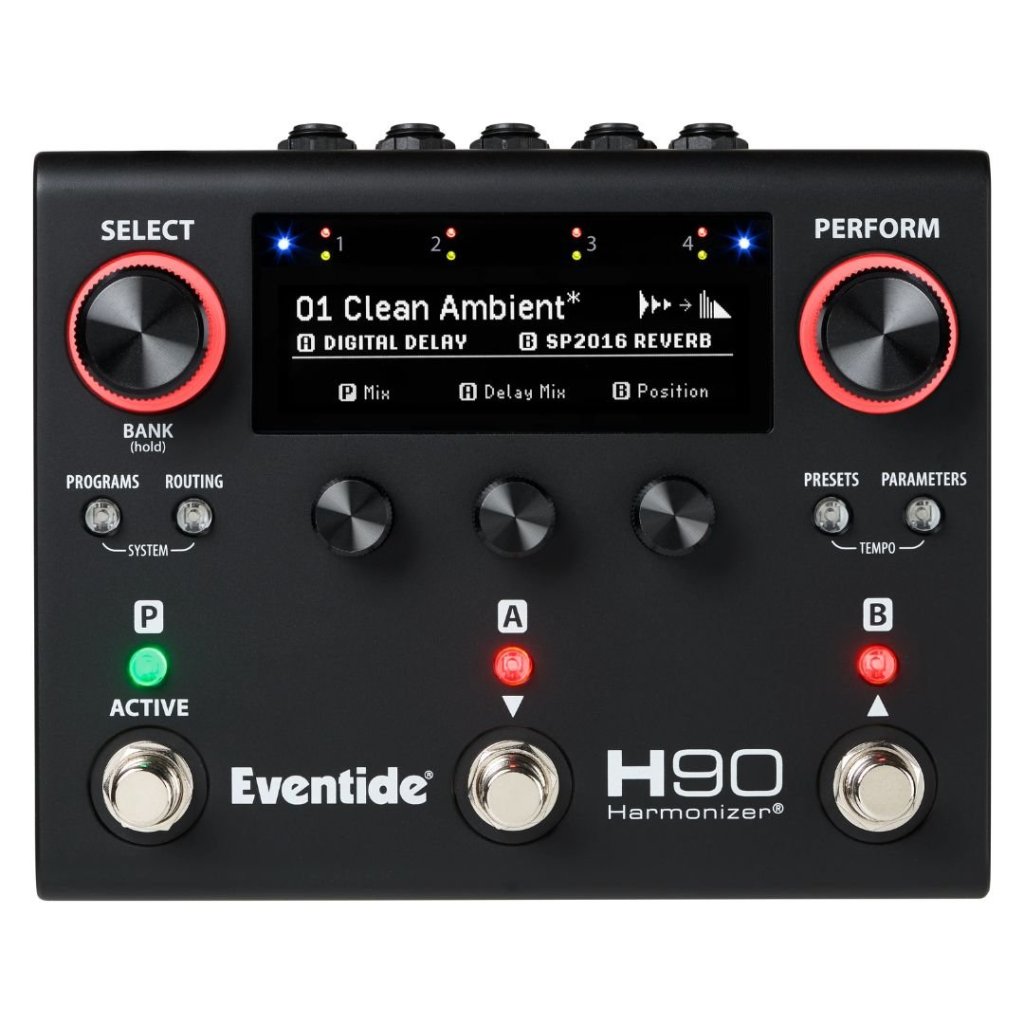
If you’ve ever wanted to add a layer of harmonic richness to your guitar playing, a harmonizer might just be the tool you need. Let’s explore what harmonizer effects are, how they work, and how you can use them to elevate your sound.
What Is a Guitar Harmonizer?
A guitar harmonizer is an effect pedal or unit that adds harmonies to your guitar signal. Essentially, it takes the notes you play and generates additional notes that complement the original ones, creating a richer, more complex sound. This can be especially useful for solos, riffs, or any part of your playing where you want to add some extra depth.

How Does a Harmonizer Work?
Here’s a simple breakdown of how a harmonizer does its magic:
- Input Signal: The harmonizer receives your guitar signal, which is then processed by the unit.
- Pitch Detection: The harmonizer analyzes the pitch of the notes you’re playing. Some advanced models can even recognize chords and scale patterns.
- Harmony Generation: Based on the detected pitch, the harmonizer generates additional notes that fit the harmonic structure. This can be a fixed interval (like a third or fifth) or more complex, scale-based harmonies.
- Mixing: The generated harmonies are mixed with your original signal and output together. This creates a layered sound where the harmonies blend with your playing.
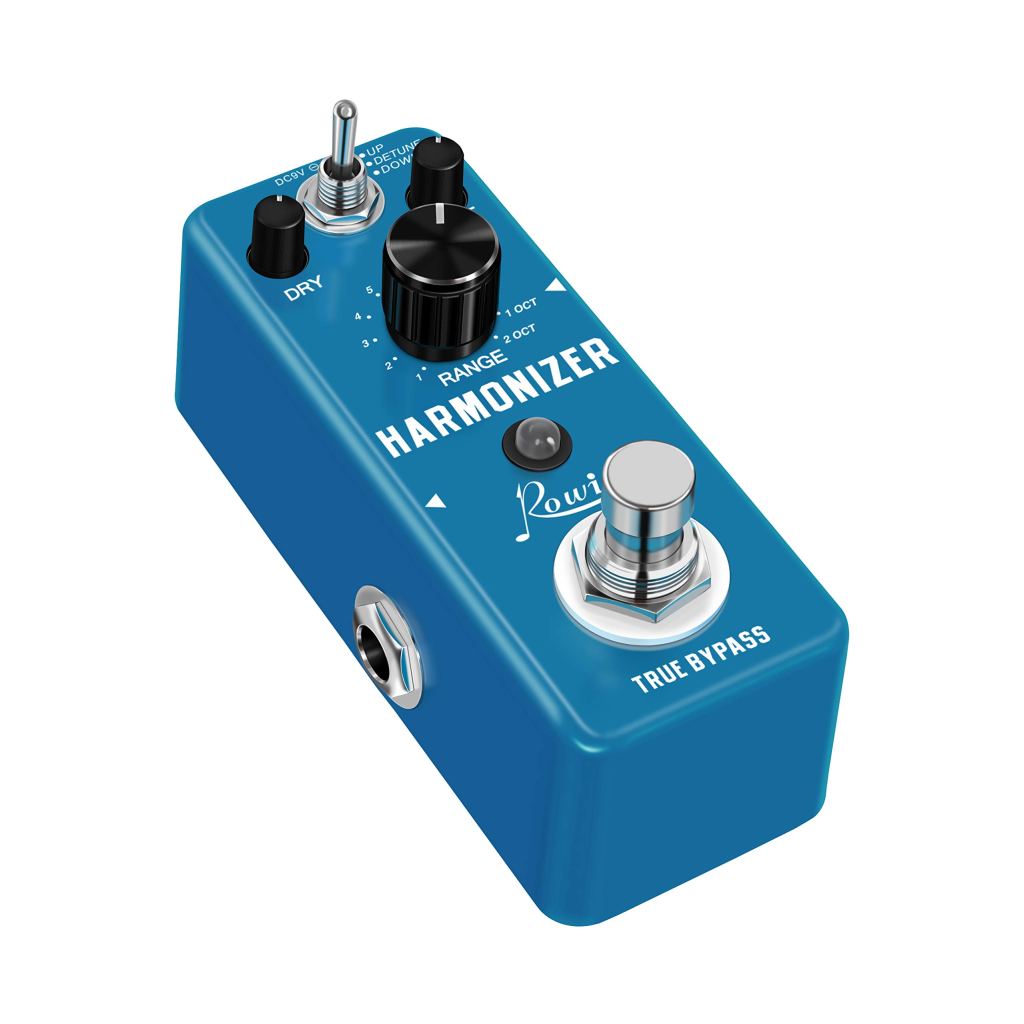
Types of Harmonizer Effects
Harmonizers come in different flavors, and each type can offer something unique:
- Fixed Interval Harmonizers: These are the most straightforward. They add a constant interval (such as a third or fifth) to your original signal. This is great for adding simple harmonies to your solos or riffs.
- Pitch Shifters with Harmony: These units allow for more flexibility. They can shift the pitch of your signal up or down by specific intervals and can often be programmed to follow certain scales or chords.
- Intelligent Harmonizers: These are advanced models that analyze the context of your playing (such as the chords or scale) and generate harmonies that fit seamlessly. They can create more complex and musical harmonies, adapting to different styles and progressions.
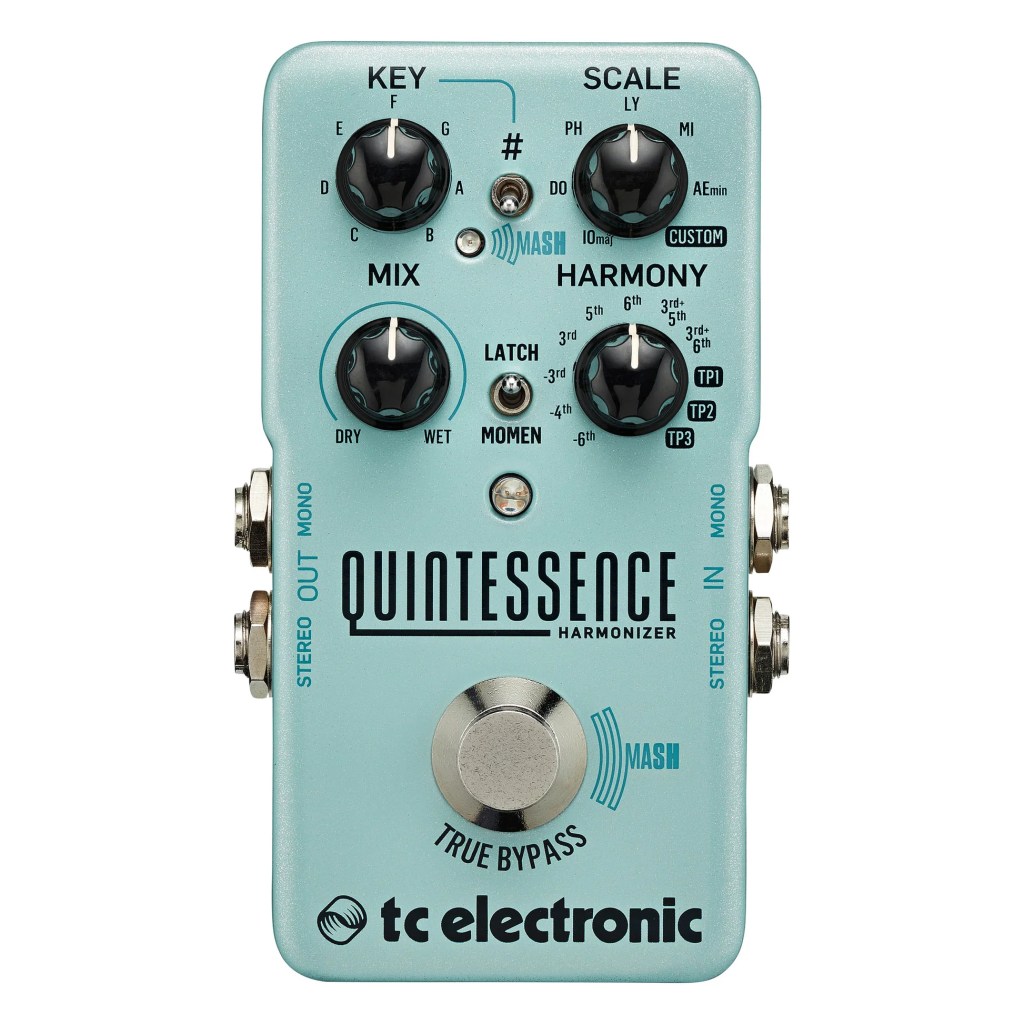
Popular Uses of Guitar Harmonizers
Harmonizers are incredibly versatile and can be used in various musical contexts:
- Solo Enhancement: Adding harmonies to solos can make them stand out and sound more complex. It’s a common technique in rock and metal solos, where additional harmonies add drama and depth.
- Chorus Effects: Harmonizers can be used to thicken up chord progressions, making them sound fuller and more textured.
- Creating Layered Sounds: In live settings or recordings, harmonizers can create the effect of multiple guitarists playing together, adding richness and complexity to the overall sound.
- Experimental Sounds: For those who love to experiment, harmonizers can create unique and unusual sounds by combining different intervals and scales. This is great for genres like progressive rock, electronic, or ambient music.
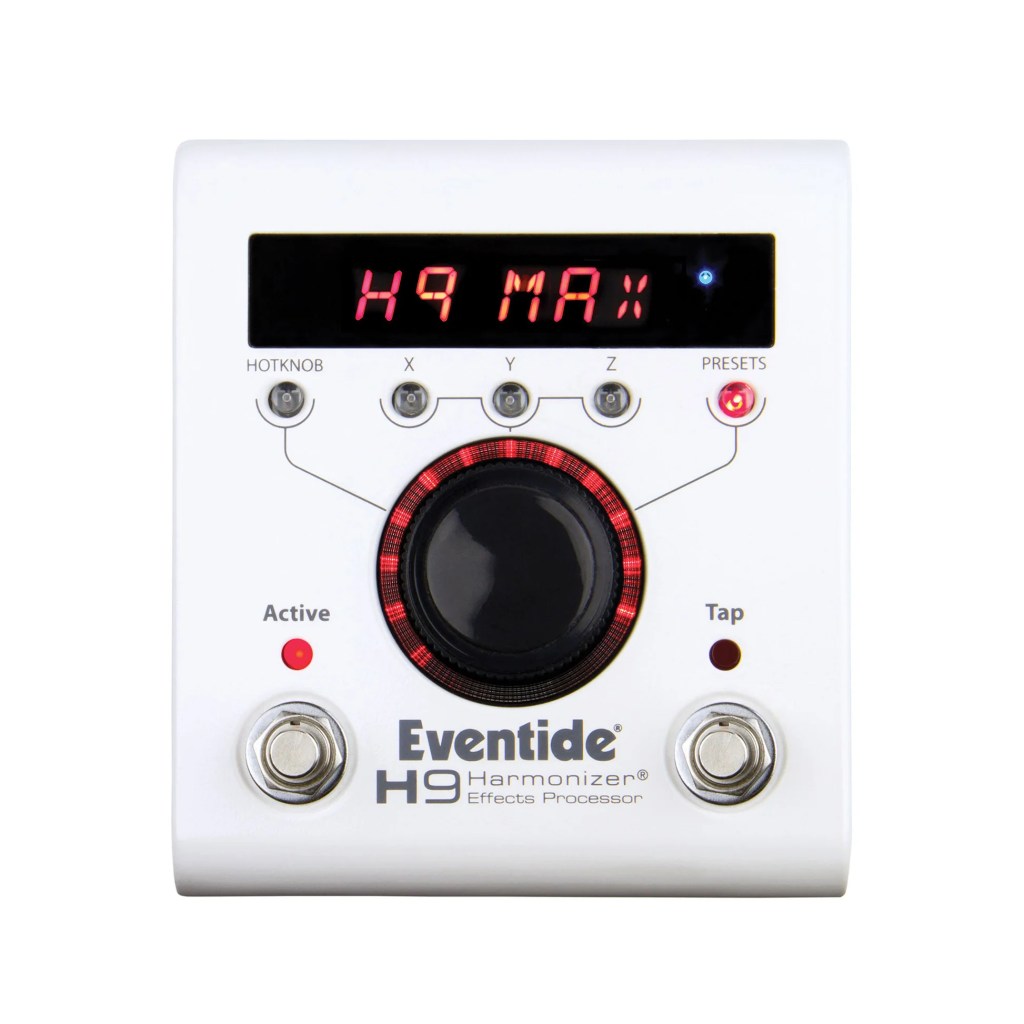
Tips for Using a Harmonizer Effectively
To make the most of your harmonizer, keep these tips in mind:
- Experiment with Intervals: Try different intervals to find what complements your playing best. Simple intervals like thirds and fifths can be effective, but don’t be afraid to explore more complex combinations.
- Adjust the Mix: Balance the level of the harmonies with your original signal. Too much harmony can overpower your playing, while too little might not be noticeable.
- Understand Your Scale: If your harmonizer has scale or chord-based options, familiarize yourself with how it interprets your playing. This can help you create more musical and fitting harmonies.
- Practice with Dynamics: Pay attention to how the harmonies respond to different dynamics. Sometimes, subtle changes in playing intensity can lead to interesting and unexpected harmonic effects.
- Use Sparingly: While harmonizers can add a lot of depth, using them too much can overshadow the natural character of your playing. Use them to enhance your sound without overwhelming it.
Conclusion: Elevate Your Guitar Sound
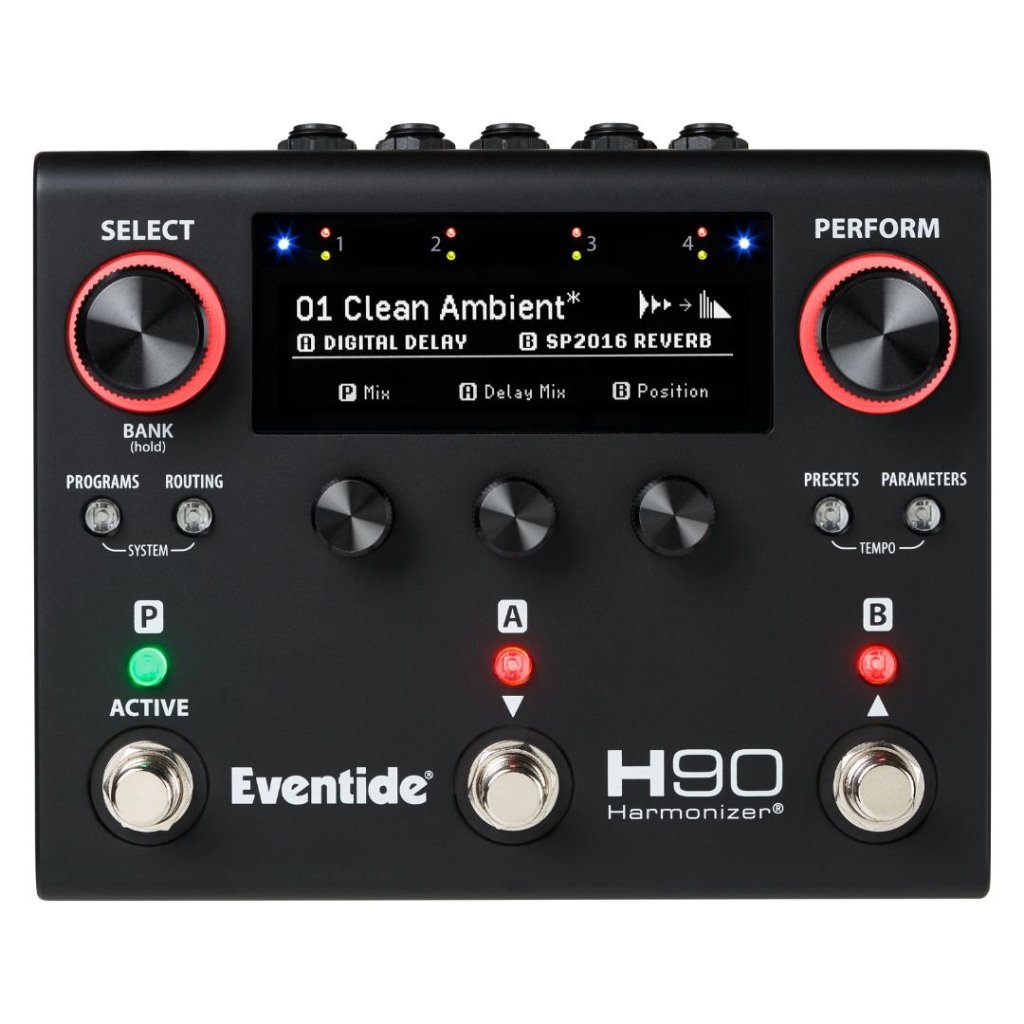
Guitar harmonizer effects can add an exciting layer of complexity and richness to your playing. Whether you’re looking to enhance your solos, add depth to your chords, or experiment with new sounds, a harmonizer can be a valuable addition to your pedalboard.
 oscaronguitars.com
Leave a comment