
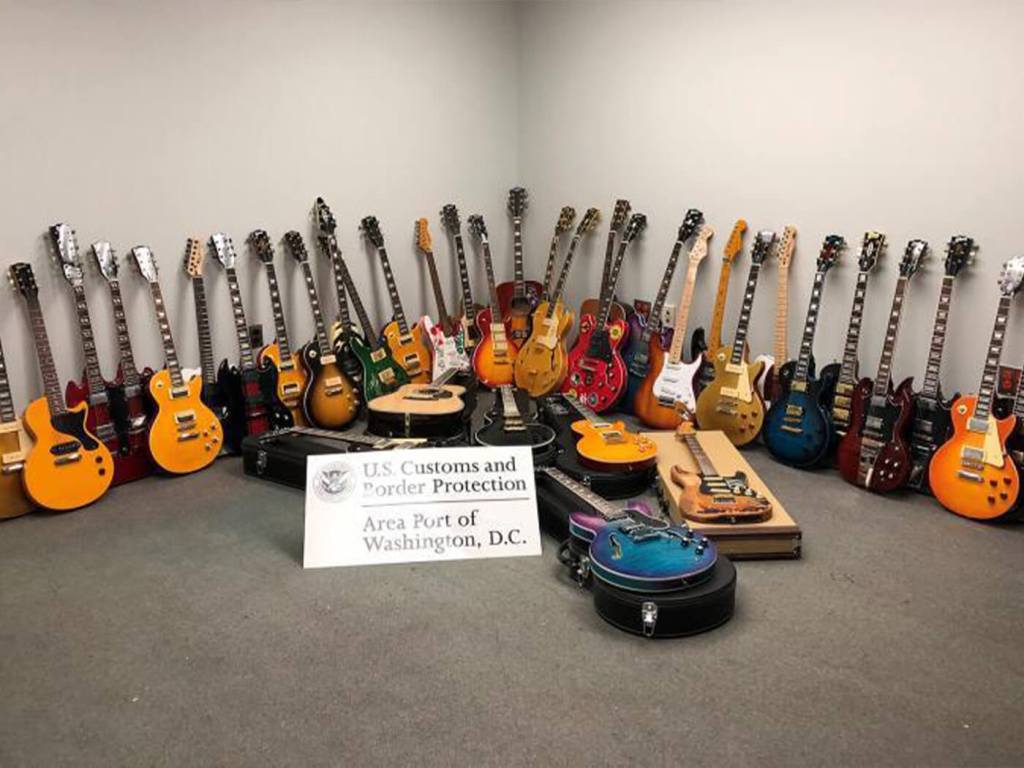
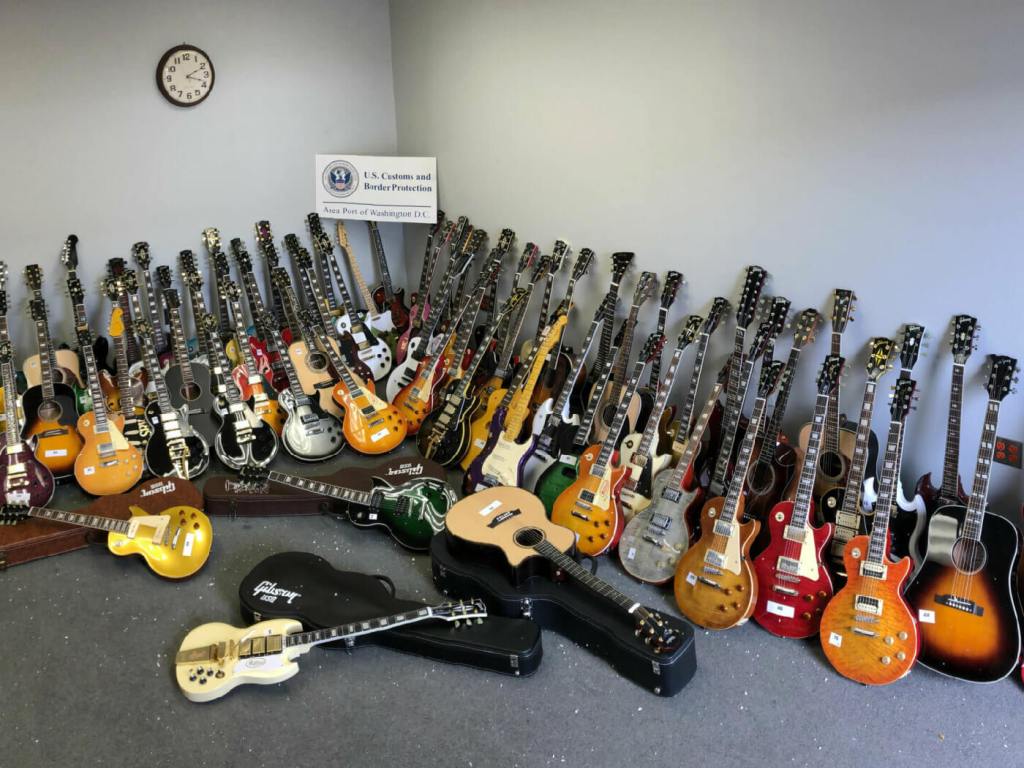
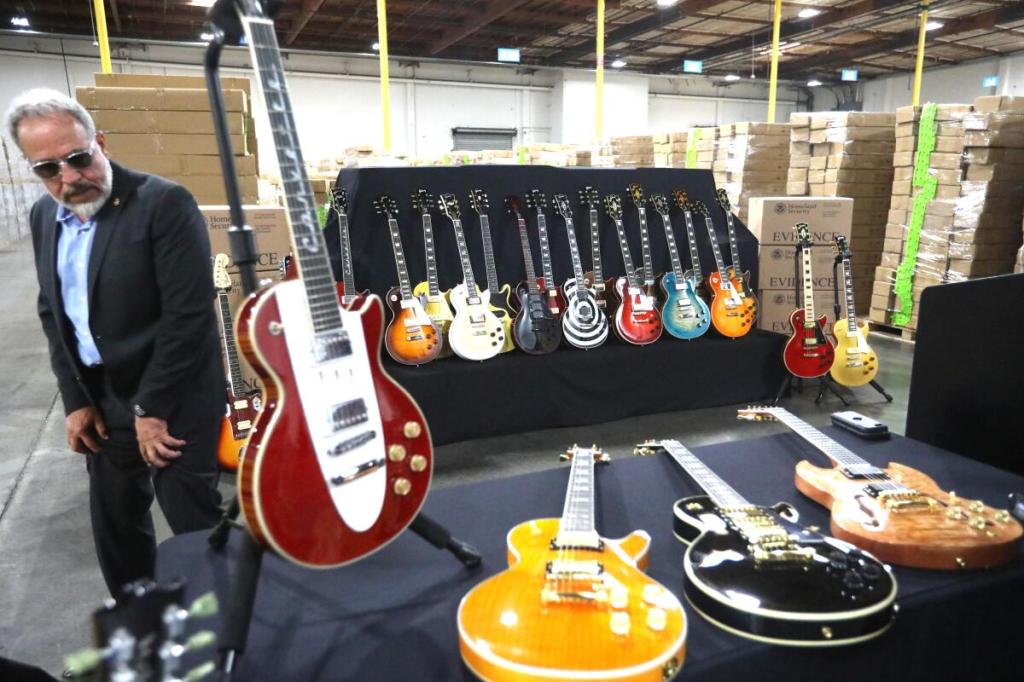
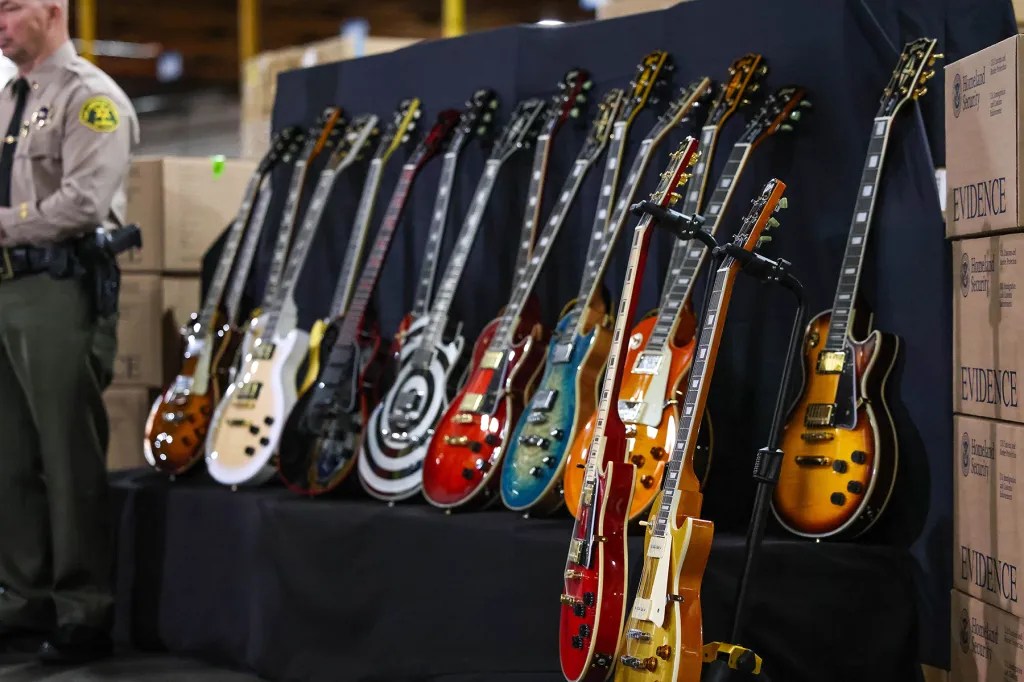
Counterfeit guitars are everywhere, and the recent seizure of 3,000 fake Gibsons in Los Angeles is just more proof that the problem is getting worse. These fakes are becoming more convincing, making it harder for buyers to spot them. At first glance, they might look just like the real thing—correct logo, a nice finish, even a serial number. But once you dig deeper, the problems start showing up: cheap hardware, sloppy craftsmanship, bad electronics, and poor sound.
No one wants to spend good money on a fake guitar. Whether you’re buying new or used, knowing what to look for can save you from an expensive mistake. Here’s how to avoid getting ripped off.
1. Research the Guitar Before You Buy
Before you even start shopping, take the time to research the specific guitar model you want. The more familiar you are with its details, the easier it will be to spot a counterfeit.
- Check the official specs – Visit the manufacturer’s website to understand the materials, hardware, and construction details.
- Look at real images – Study the body shape, inlays, knobs, and headstock so you can notice small differences.
- Know the price – If a deal seems too good to be true, it probably is. A Gibson Les Paul Custom for $900 is a scam.
- Serial numbers – Many brands have online tools where you can verify a serial number. If the number looks off or is missing, that’s a red flag.
2. The Headstock Tells the Truth
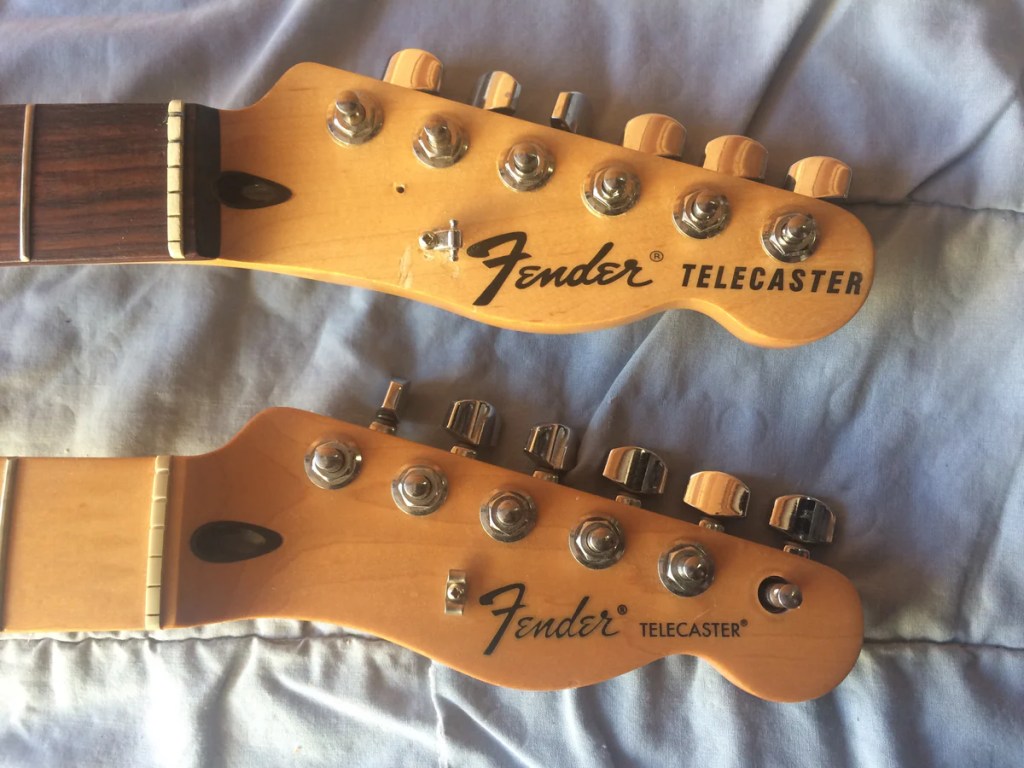
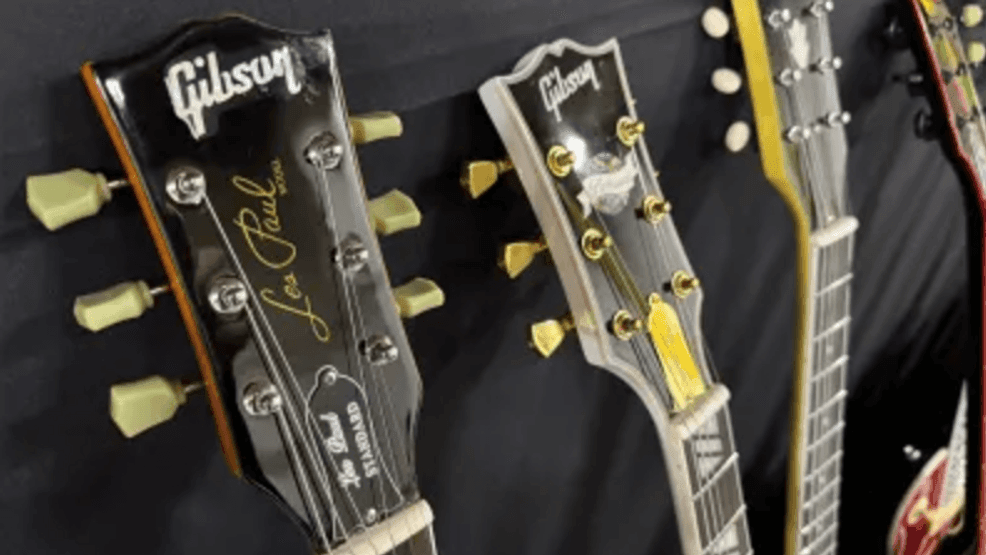
The headstock is one of the hardest parts for counterfeiters to copy accurately. If something looks even slightly off, it’s worth a second look.
- Compare the shape – Check against official images. Even small differences in size or contour can indicate a fake.
- Look at the logo – The font, size, and placement should match official versions exactly. Counterfeits often have slight differences.
- Check the serial number – If it’s messy, out of place, or doesn’t match the correct format for that brand, be cautious.
3. Cheap Hardware is a Warning Sign
High-end guitars use high-quality hardware, while fakes often use cheap, unbranded parts.
- Tuners – Authentic guitars use reputable tuners like Grover or Schaller. If the tuners feel loose, flimsy, or don’t hold tuning well, that’s a warning sign.
- Bridge and tailpiece – Poor craftsmanship, rough edges, or misaligned parts can indicate a counterfeit.
- Pickups – If possible, remove the pickups and check for branding. Authentic pickups from Gibson, Fender, or Seymour Duncan are labeled. Fakes often use generic, unmarked pickups.
4. Feel the Build Quality
A real high-end guitar feels solid and well-made. A fake often shows poor attention to detail.
- Neck joint – Look for gaps, excess glue, or poor alignment. A sloppy neck joint is a major red flag.
- Fretwork – Run your fingers along the edge of the neck. Sharp or uneven frets indicate poor craftsmanship.
- Wood quality – If the guitar feels too lightweight, has an overly thick finish, or has strange wood grain, it may be made from low-quality materials.
5. Test the Electronics
Even if a fake guitar looks good, the electronics often give it away.
- Sound check – Plug the guitar into an amp. If the pickups sound weak, noisy, or muddy, the electronics are likely poor quality.
- Knobs and switches – Volume and tone knobs should feel smooth and solid. Cheap parts feel loose or scratchy when turned.
- Input jack – If the cable connection feels loose or cuts in and out, the wiring is likely low quality.
6. Who’s Selling It?
The seller matters just as much as the guitar itself.
- Buy from authorized dealers – Purchasing from official retailers reduces the risk of fakes.
- Check the seller’s reputation – If you’re buying from a private seller or online shop, look at reviews and feedback.
- Ask for details – A legitimate seller should be able to provide clear answers about the guitar’s history and authenticity.
7. Look for the Right Paperwork
A high-end guitar usually comes with some form of documentation.
- Certificate of authenticity – Some brands include these, especially for limited editions.
- Warranty card – If a new guitar doesn’t come with a valid warranty, be cautious.
- Original receipt – If buying secondhand, ask for proof of purchase.
8. Trust Your Instincts
If something feels wrong, it probably is.
- If the price is too low, it’s a scam.
- If the seller avoids answering questions, walk away.
- If the guitar has small details that don’t match official versions, it’s not worth the risk.
There are plenty of real deals out there. It’s better to take your time and buy from a trusted source than to rush into a bad purchase.
Final Thoughts: Buy Smart and Stay Safe
Counterfeit guitars are getting harder to detect, but if you stay informed and inspect carefully, you can avoid getting scammed.
- Do your research before you buy.
- Inspect the guitar’s details, especially the headstock, hardware, and craftsmanship.
- Buy from trusted sellers whenever possible.
No one wants to realize after the fact that they’ve been scammed. Take your time, ask the right questions, and make sure you’re getting the real thing.
 oscaronguitars.com
Leave a comment