
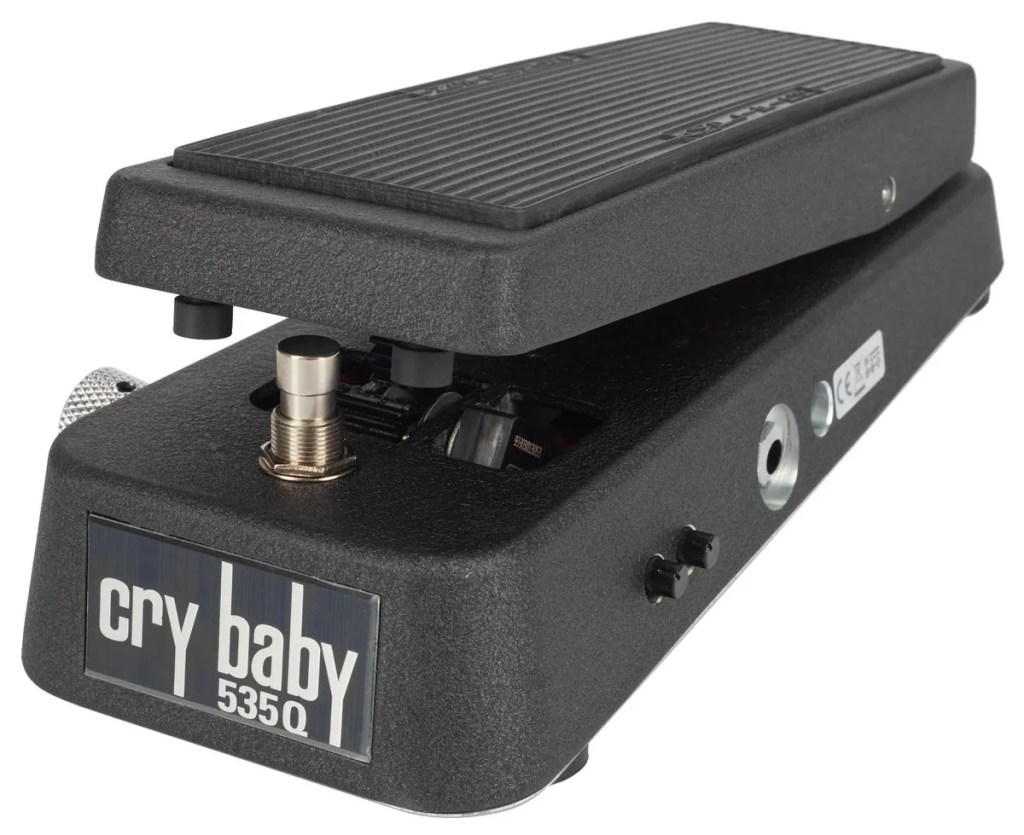
If you’ve ever heard the funky, expressive sound of a wah pedal and wondered how it works, you’re in the right place. The wah pedal is one of the most iconic effects in guitar history, known for its distinctive “wah-wah” sound. Let’s break down what a wah pedal does, the different types available, and how emulations stack up against the real deal.
What Is a Wah Pedal?
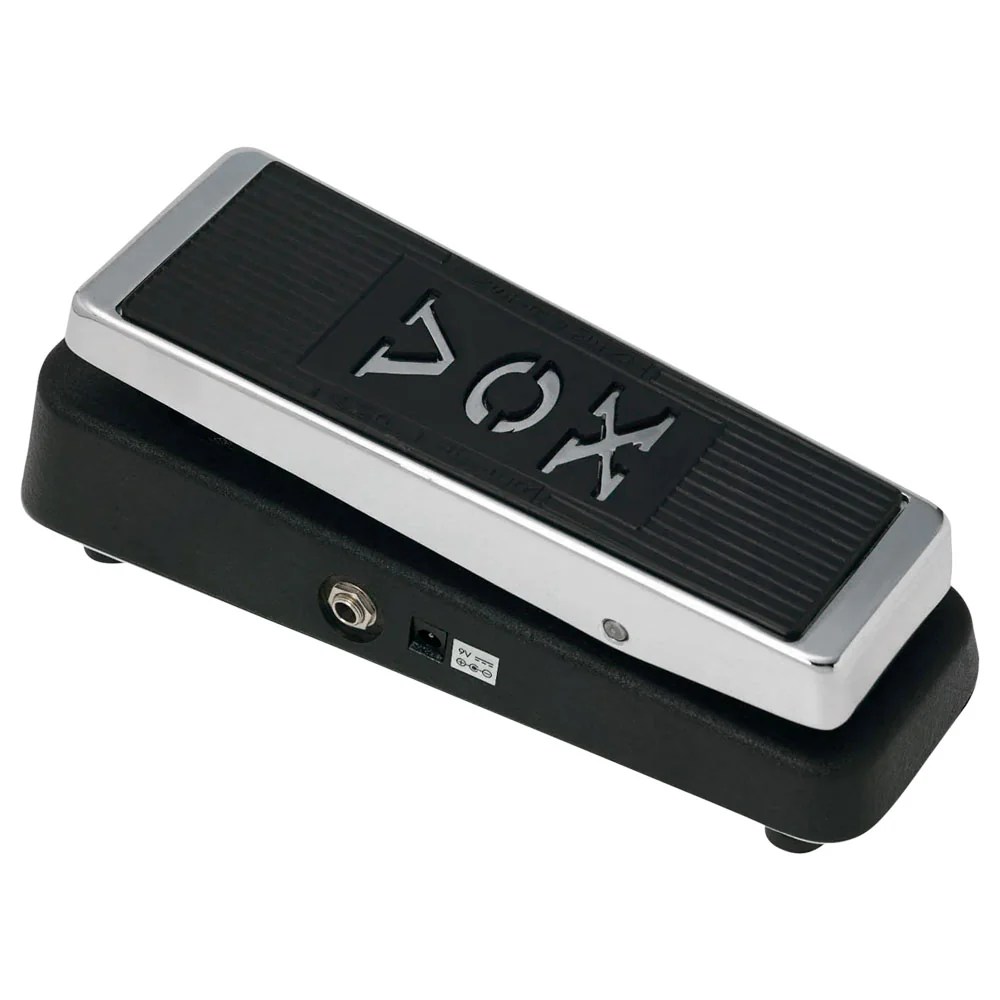
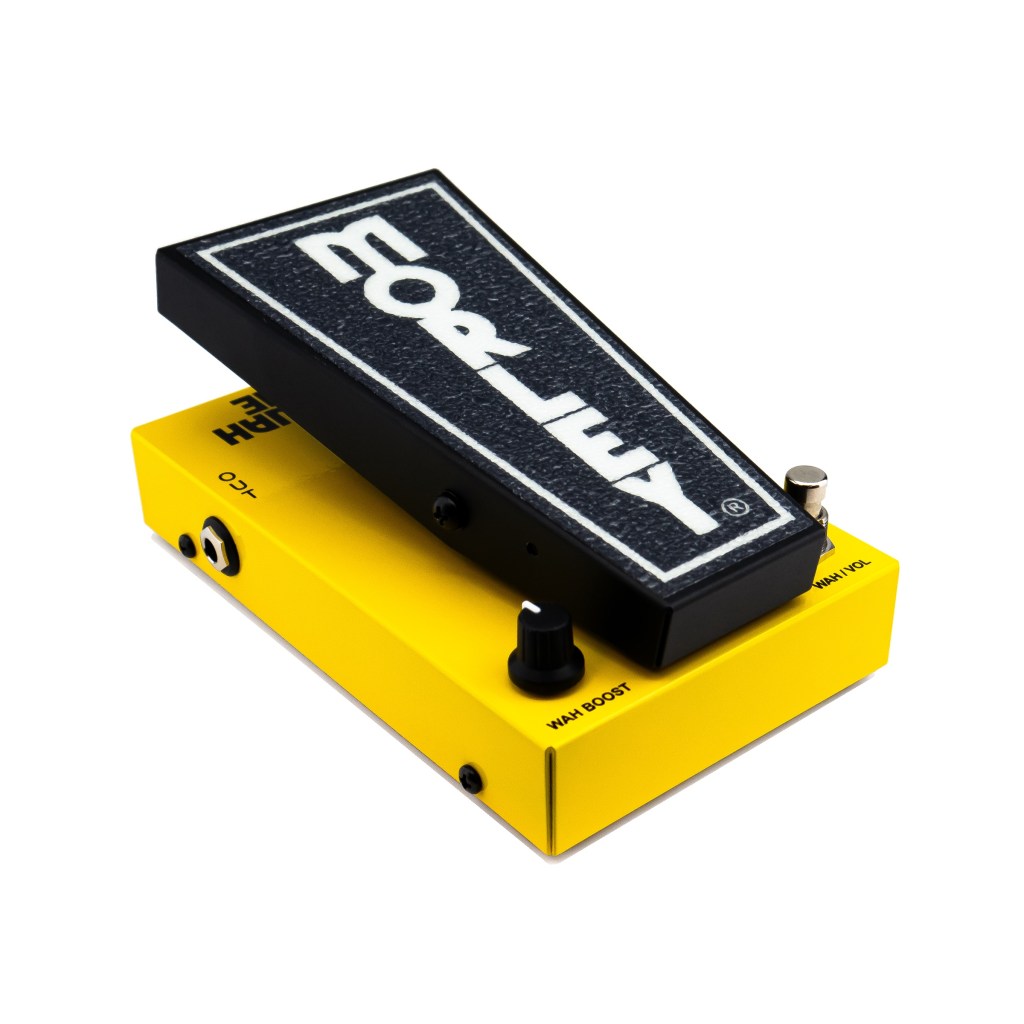
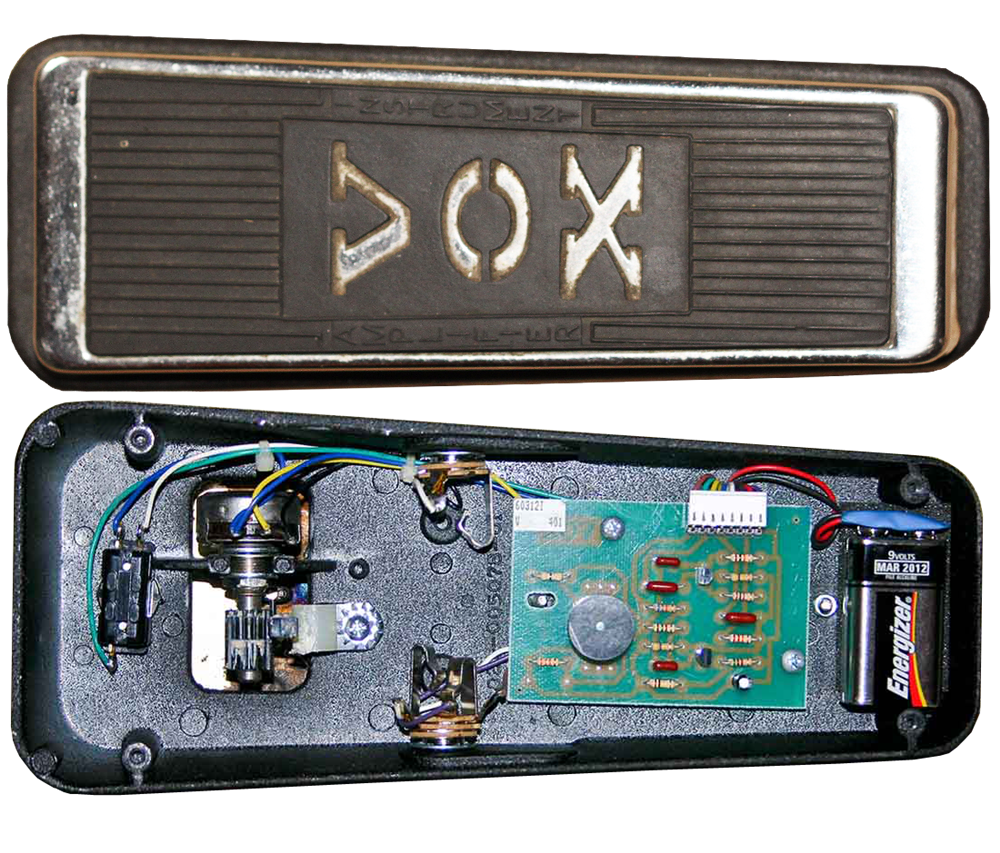
At its core, a wah pedal is a filter effect that alters the frequency spectrum of your guitar signal. It does this by sweeping a band-pass filter up and down the frequency range, creating that signature wah sound. This effect is typically controlled by a foot pedal, which lets you manually adjust the frequency sweep, adding an expressive, vocal-like quality to your playing.
How Does a Wah Pedal Work?
Here’s a simple rundown of how a wah pedal creates its unique sound:
- Signal Input: Your guitar signal enters the wah pedal.
- Filter Sweep: The pedal contains a band-pass filter that lets certain frequencies pass through while cutting others. This filter can be swept up and down across the frequency spectrum.
- Foot Control: By pressing the pedal, you change the position of the filter, altering which frequencies are emphasized. This sweeping motion creates the characteristic wah sound.
- Output: The modified signal is sent out of the pedal, producing the expressive wah effect that can range from a subtle tone shift to a pronounced vocal-like quality.
Types of Wah Pedals
Wah pedals come in various flavors, each with its own unique twist on the classic effect:
- Classic Wah: This is the original wah pedal sound, featuring a simple band-pass filter controlled by a foot pedal. It’s known for its pronounced, sweeping wah effect, often associated with iconic guitarists like Jimi Hendrix and Clapton.
- Clyde McCoy Wah: Named after the renowned trumpet player, this wah pedal emulates the sound of the 1960s wahs used by guitar legends. It typically features a more pronounced mid-range sweep and a distinctive, vintage tone.
- Cry Baby Wah: One of the most popular wah pedals, known for its wide sweep range and dynamic response. It’s a favorite among rock and blues guitarists for its versatility and classic sound.
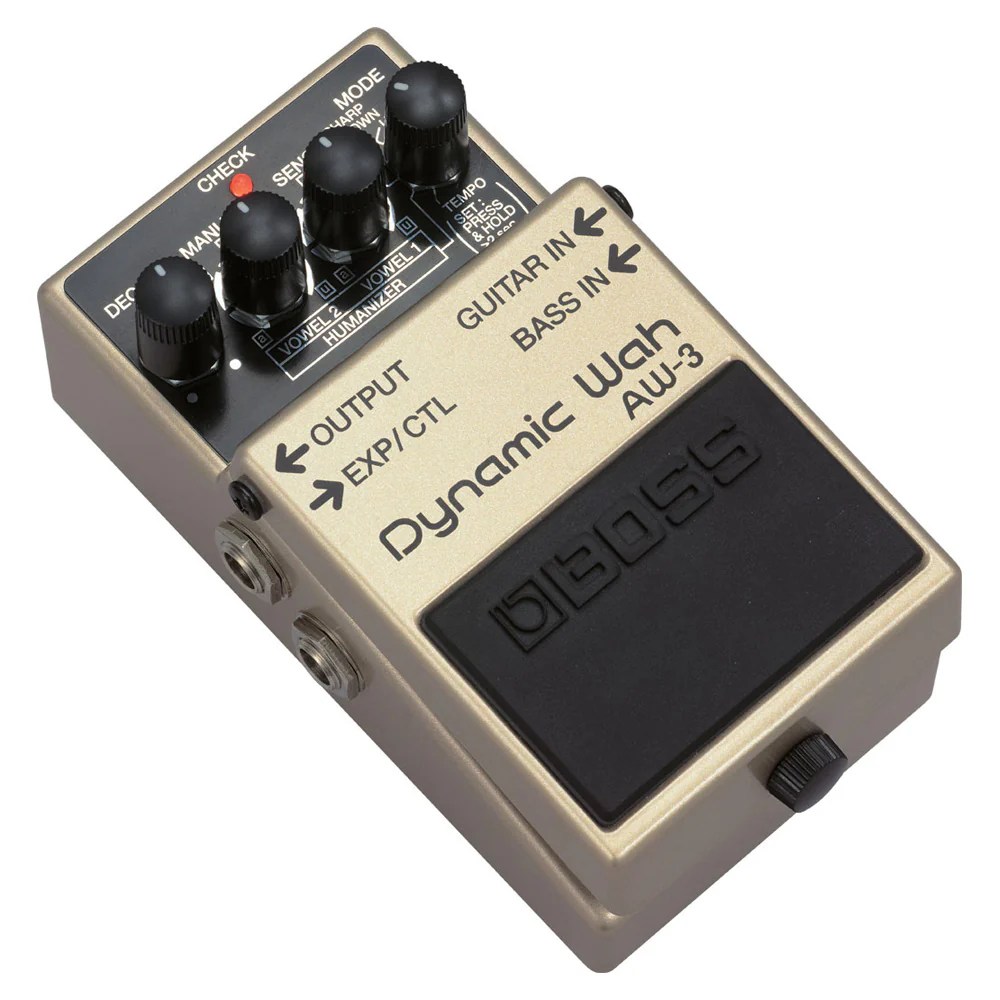
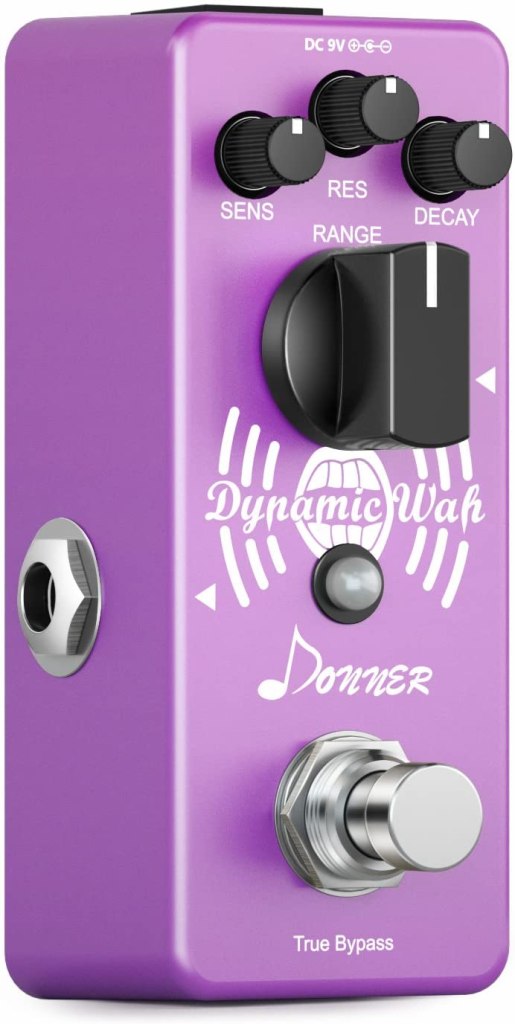
- Auto-Wah: This type of wah doesn’t require a foot pedal. Instead, it’s triggered by the dynamics of your playing. The wah effect is applied automatically based on how hard you play, making it a great choice for those who want a hands-free option.
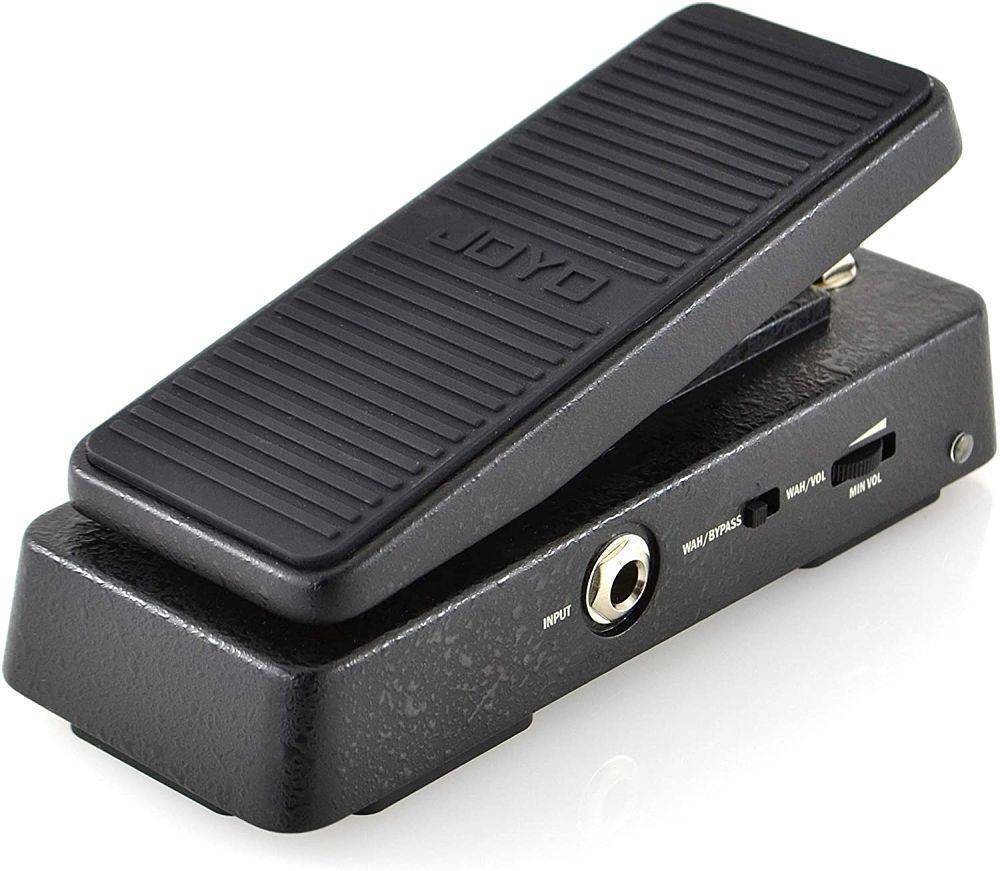
- Multi-Mode Wah: Modern wah pedals often feature multiple modes or settings, allowing you to switch between different wah sounds or filter types. This provides a range of options, from vintage tones to more experimental sounds.
Emulations vs. Real Pedals
In today’s digital age, you can find wah pedal emulations in both software and hardware form. Here’s how they compare to the classic, analog pedals:
- Sound Quality: High-quality emulations can closely replicate the sound of traditional wah pedals, capturing the nuances of the filter sweep and tone. However, some purists argue that there’s a certain warmth and character to analog pedals that digital versions can’t fully replicate.
- Flexibility: Emulations often come with additional features, such as customizable filter settings or built-in effects, giving you more flexibility and options than a traditional wah pedal.
- Convenience: Digital emulations can be more convenient, especially if you’re using a multi-effects processor or software. They save space on your pedalboard and often come with preset options for quick adjustments.
- Cost: Emulations are generally more affordable than high-end analog wah pedals. If you’re on a budget, a digital version might offer a great way to experiment with the wah effect without breaking the bank.
Tips for Using a Wah Pedal Effectively
- Find Your Sweet Spot: Experiment with different settings and positions on the pedal to find the wah sound that best suits your playing style. Subtle adjustments can make a big difference in the final sound.
- Play with Dynamics: The wah effect responds to your playing dynamics, so try varying your attack and touch to see how it influences the sound.
- Use in Moderation: While wah pedals are great for adding character, using them too much can overshadow your playing. Use the wah effect to enhance your sound rather than dominate it.
- Explore Different Genres: The wah pedal isn’t just for rock and funk. Experiment with it in different genres to discover new ways to incorporate the effect into your music.
Conclusion: Embrace the Wah Effect
Whether you’re using a classic wah pedal, exploring digital emulations, or experimenting with different types, the wah effect offers a world of sonic possibilities. Its distinctive sound has become a staple in many genres, adding a unique touch to solos, riffs, and rhythm parts.
 oscaronguitars.com
Leave a comment