
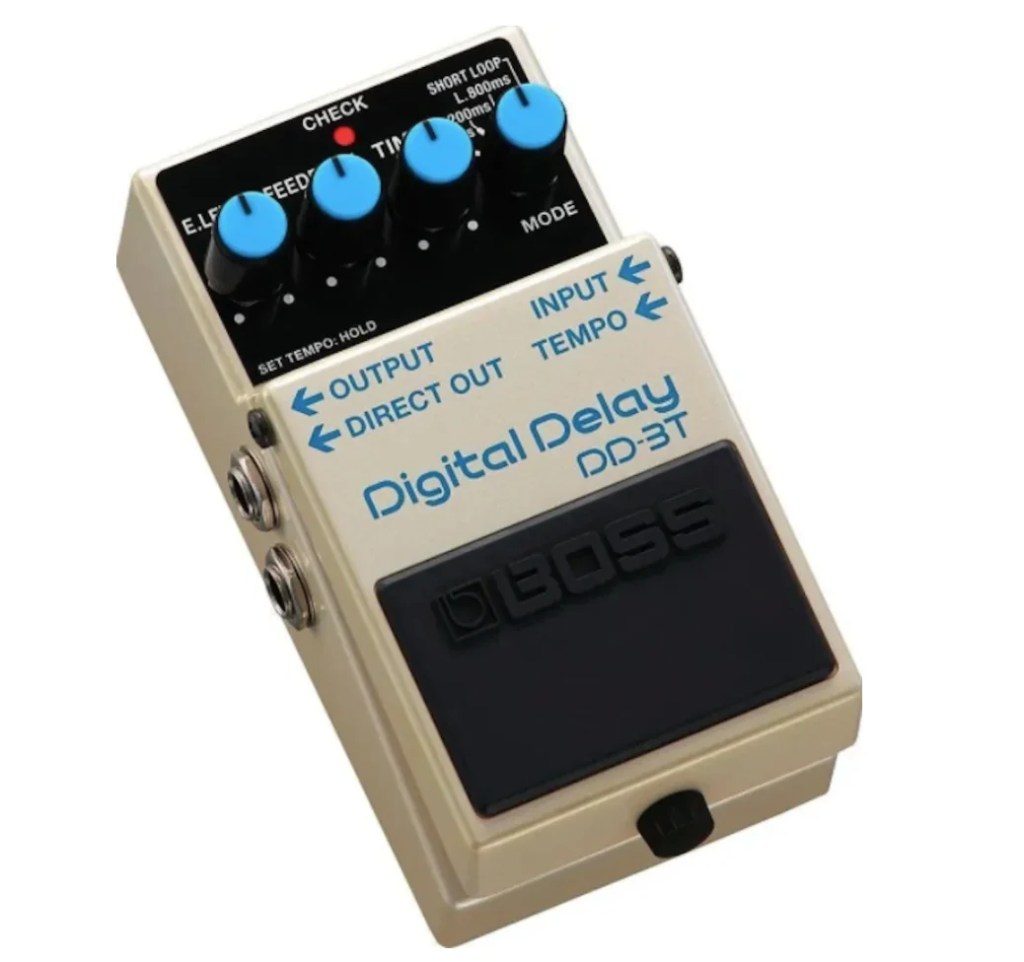
If you’re looking to add some serious depth and dimension to your sound, guitar delay effects are a fantastic way to do it. Whether you’re aiming for a spacious echo, a rhythmic repeat, or a haunting ambient layer, delay effects can transform your playing in incredible ways. Let’s dive into the ultimate guide on guitar delay effects and explore everything you need to know to master this versatile effect.
What Is a Delay Effect?
At its core, a delay effect captures your guitar signal and plays it back after a set period of time. This playback creates an echo or repetition of the original sound, which can be adjusted in timing, intensity, and number of repeats. It’s a simple concept, but the possibilities are endless!
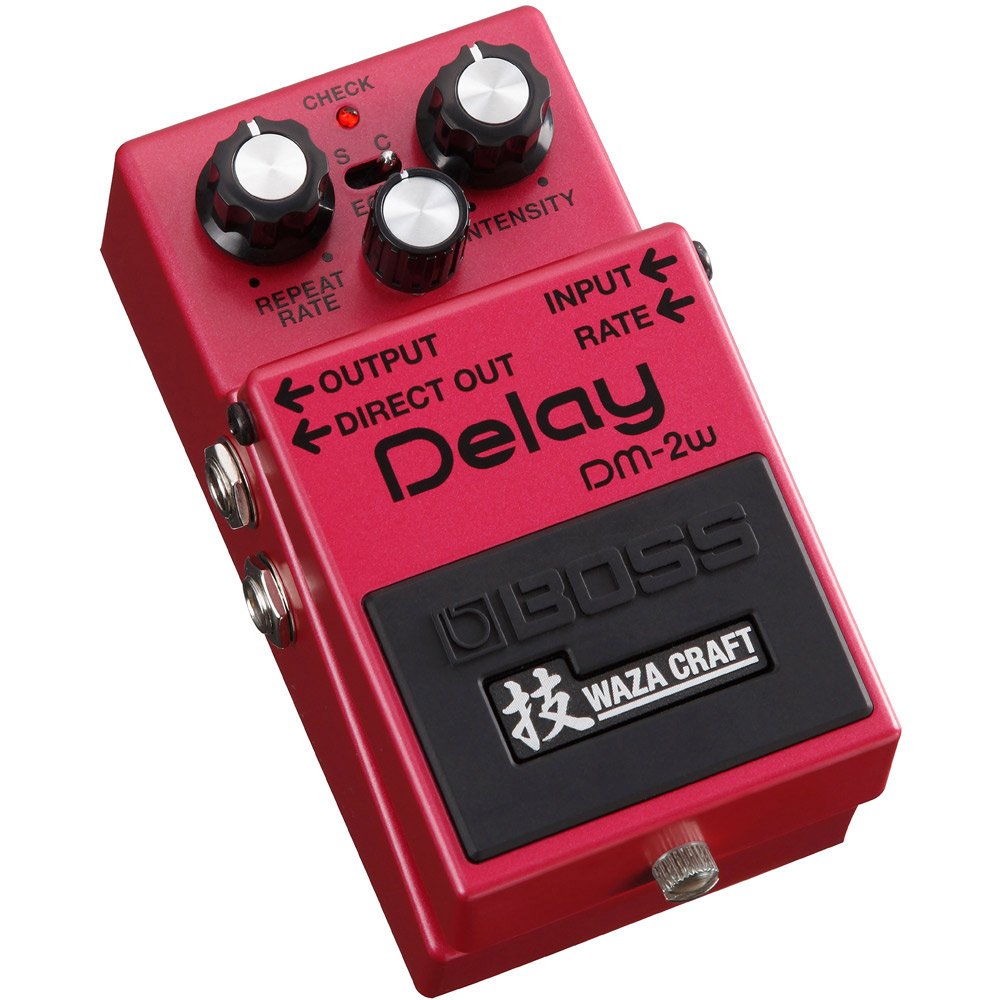
Types of Delay Effects
- Analog Delay: This classic type of delay uses analog circuitry to produce warm, vintage echoes. Analog delay is known for its smooth, natural repeats that gradually degrade in quality with each repeat. It’s perfect for adding a bit of classic vibe to your sound.
- Digital Delay: Utilizing digital processing, digital delays offer precise control over delay times and repeat patterns. They can produce everything from crystal-clear echoes to complex, multi-tap delays. If you need versatility and reliability, digital delay is your go-to.
- Tape Delay: Emulating the sound of old tape-based delay machines, tape delays offer a unique, vintage character with a bit of warmth and modulation. The repeats tend to degrade in a natural, musical way, giving you that classic tape echo sound.
- Bucket Brigade Delay (BBD): This type uses analog bucket brigade chips to create delay effects. Known for their distinctive character, BBD delays can range from smooth to gritty, and they often have a warm, vintage feel.
- Multi-Tap Delay: This advanced delay type allows you to set multiple delay times and create complex rhythmic patterns. It’s great for achieving a more intricate and layered sound.
- Reverse Delay: In reverse delay, the delayed signal is played backward. This creates an unusual effect where echoes come before the original sound, producing a surreal, otherworldly effect.
- Modulated Delay: Adding modulation (like chorus or vibrato) to your delay can create rich, evolving echoes with a lush, three-dimensional quality. It’s ideal for creating atmospheric or experimental sounds.
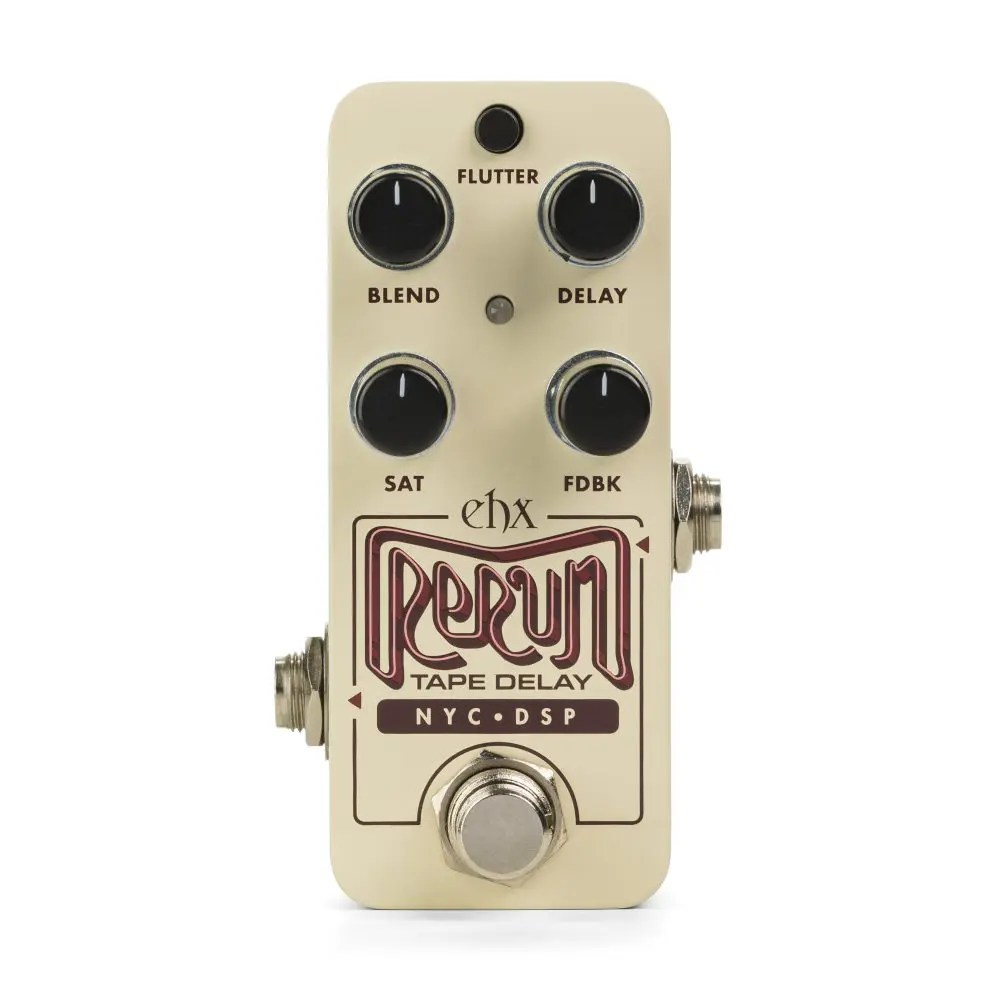
Key Parameters to Understand
- Delay Time: This controls how long it takes for the echo to occur. It can range from milliseconds to several seconds. Shorter times give quick, tight repeats, while longer times create more spacious and ambient sounds.
- Feedback: This adjusts how many times the delayed signal is repeated. High feedback settings will result in a cascade of echoes that can build up or self-oscillate, while lower settings keep the repeats more controlled.
- Mix/Level: This controls the balance between the original signal and the delayed signal. Adjusting the mix allows you to blend the delay effect with your dry signal, from subtle ambiance to prominent echoes.
- Modulation: Some delay pedals include modulation options that can add movement and texture to the repeats, giving them a richer, more dynamic quality.
- Delay Type/Mode: Many delay pedals offer different modes or algorithms, such as tape, analog, or digital, allowing you to choose the specific character of the delay effect.

How to Use Delay Effectively
- Start Simple: Begin with basic settings and gradually adjust parameters to hear how they affect your sound. A little delay goes a long way, so start with subtle settings and build from there.
- Experiment with Timing: Play around with different delay times to match the tempo of your song or create rhythmic patterns. Syncing delay time with your music can enhance your groove and add depth.
- Use Feedback Creatively: High feedback settings can create interesting textures and soundscapes. Just be cautious, as too much feedback can lead to unwanted noise or feedback loops.
- Mix for Balance: Adjust the mix level to find the right balance between your dry signal and the delay. This helps ensure that the effect enhances rather than overwhelms your playing.
- Explore Modulation: If your delay pedal has modulation options, experiment with them to add movement and character to your echoes. It can transform a simple delay into something more atmospheric and engaging.
- Layer Your Sounds: Combine delay with other effects like reverb, distortion, or modulation to create complex and rich sounds. Layering effects can lead to unique textures and soundscapes.

Examples and Famous Uses
- U2’s The Edge: Known for his extensive use of delay effects, The Edge often uses delay to create wide, ambient soundscapes and rhythmic patterns in U2’s music.
- David Gilmour: The Pink Floyd guitarist used delay to create echoing solos and spacey atmospheres, enhancing the depth of his guitar tones.
- Kurt Cobain: Nirvana’s iconic grunge sound often featured delay effects to add a sense of space and depth to his powerful riffs and solos.
- Brian Eno: As a pioneer of ambient music, Eno utilized delay effects to create lush, evolving soundscapes that defined his experimental approach.

Conclusion: Embrace the Delay Effect
Guitar delay effects offer a vast array of sonic possibilities, from classic echoes to futuristic soundscapes. By understanding the different types, parameters, and creative uses of delay, you can add incredible depth and dimension to your guitar sound.
 oscaronguitars.com
Leave a comment