
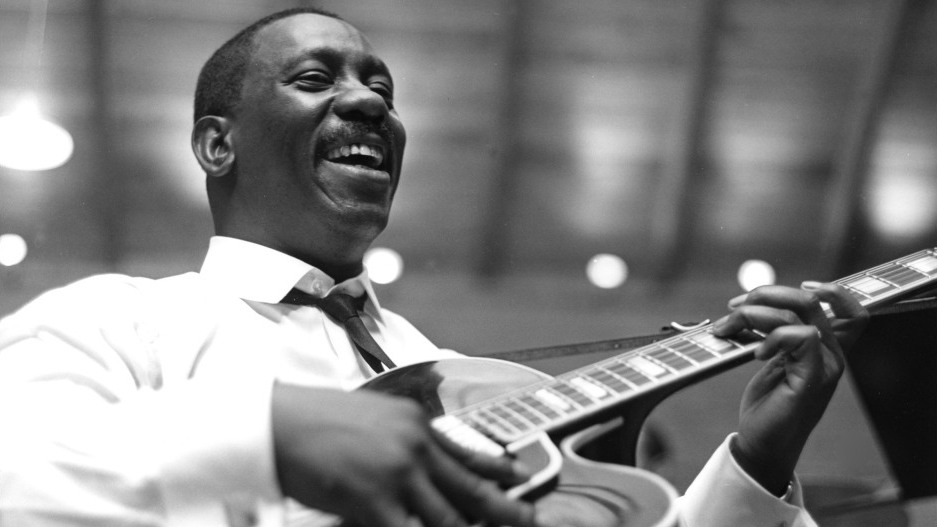
Wes Montgomery stands as one of the most influential guitarists in jazz history, renowned for his distinctive sound and innovative techniques. His mastery of the guitar has left an indelible mark on the music world, inspiring generations of musicians. In this article, we’ll explore how Montgomery began his journey, his influences, iconic albums and tracks, the gear that shaped his tone, his unique techniques, and the lasting legacy he created.
How Wes Montgomery Began: The Making of a Jazz Legend
Wes Montgomery, one of the most influential jazz guitarists in history, was born on March 6, 1923, in Indianapolis, Indiana. Raised in a musical family, he was surrounded by rhythm and melody from an early age. His older brothers, Monk Montgomery (bassist) and Buddy Montgomery (pianist and vibraphonist), would later become accomplished musicians in their own right, reinforcing the strong musical environment that shaped his early years.
Discovering the Guitar: A Late but Passionate Start
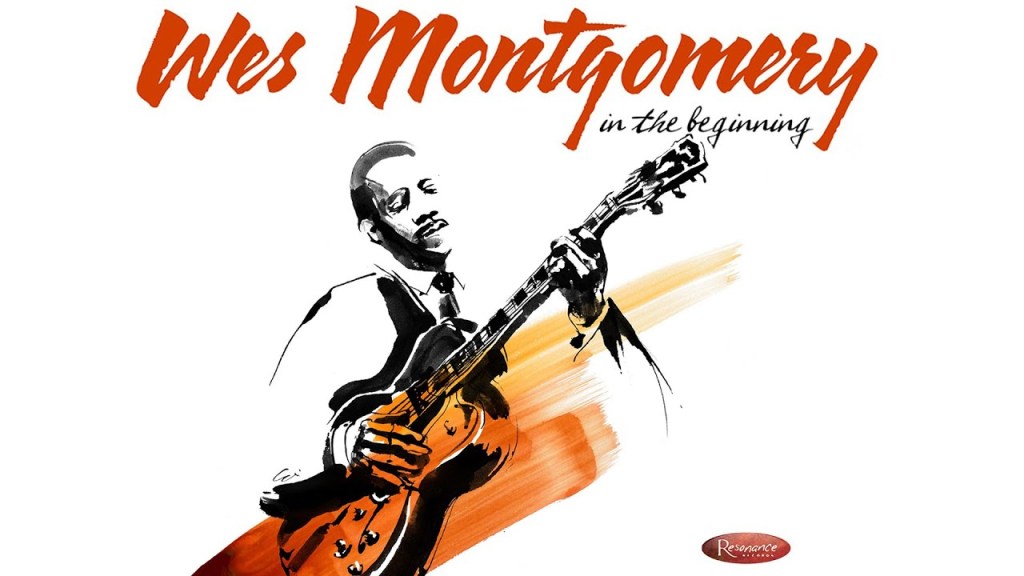
Unlike many guitar virtuosos who start playing as children, Montgomery didn’t pick up the instrument until he was 19 years old. His inspiration? Hearing the recordings of Charlie Christian, the pioneering jazz guitarist who had revolutionized the role of the instrument in jazz. Enthralled by Christian’s fluid phrasing and electric tone, Montgomery dedicated himself to learning the guitar—despite having no formal training.
A quick learner with an innate sense of musicality, Montgomery taught himself by transcribing Christian’s solos note-for-note. He would listen to records, pick up the lines by ear, and practice relentlessly, often late into the night after working long hours to support his family. His self-taught approach led to the development of a distinctive style, shaped not only by his influences but also by necessity.
The Birth of the Thumb-Picking Technique
One of the most defining aspects of Montgomery’s playing was his thumb-picking technique. Unlike most guitarists who use a pick, Montgomery played exclusively with his right-hand thumb, a habit he adopted to keep the noise down while practicing late at night. This unorthodox method resulted in a warm, mellow tone, setting him apart from his contemporaries.
His thumb-picking allowed him to glide across the fretboard with incredible fluidity, making his octave playing and chordal soloing sound exceptionally smooth and dynamic. This approach would later become one of his most recognizable trademarks, influencing generations of guitarists.
Early Gigging and Recognition
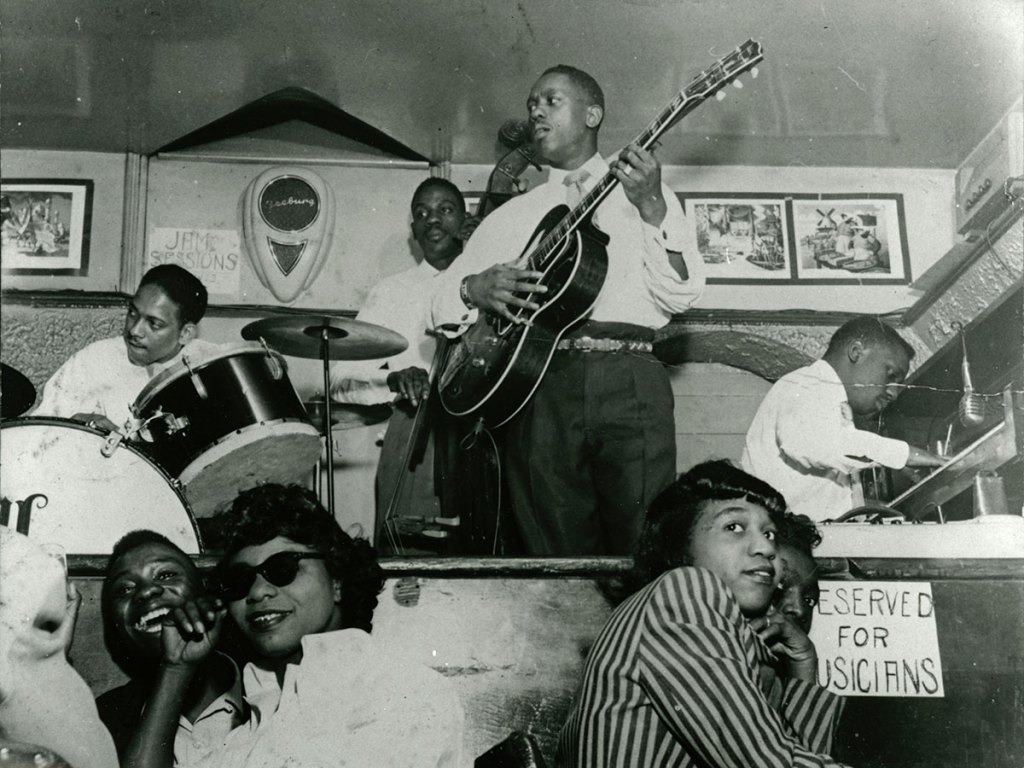
Montgomery’s first performances were in Indianapolis clubs, where he quickly gained a reputation as a gifted player. By the late 1940s, his skills had caught the attention of Lionel Hampton, the legendary bandleader and vibraphonist. In 1948, Montgomery joined Hampton’s big band, which gave him his first major exposure on a national level.
Though touring with Hampton was a valuable experience, Montgomery chose to return to Indianapolis to support his family. He took a job as a welder while continuing to perform in local jazz clubs at night. It was during these years that he refined his sound, developing the sophisticated phrasing, smooth octave melodies, and block chord soloing that would later define his legendary recordings.
By the mid-1950s, he had formed The Montgomery Brothers with his siblings, further establishing himself in the jazz world. However, it wasn’t until the late 1950s and early 1960s that Montgomery’s career would truly take off, leading to the groundbreaking recordings that cemented his legacy as a jazz icon.
Who Were His Influences?
Wes Montgomery’s unique sound was shaped by a diverse range of influences spanning jazz, blues, and swing. While his style was deeply personal, certain musicians played a pivotal role in his development, guiding him toward the revolutionary approach that would later define his career.
Perhaps the most profound influence on Montgomery’s playing was Charlie Christian, the pioneering jazz guitarist who played with Benny Goodman’s orchestra in the late 1930s and early 1940s. Christian was one of the first musicians to establish the electric guitar as a lead instrument in jazz, bringing a horn-like phrasing and fluid, single-note lines to the forefront. Montgomery’s admiration for Christian was so deep that, as a teenager, he meticulously transcribed his solos note-for-note, practicing them repeatedly until he could replicate them with remarkable precision. This foundation became evident in Montgomery’s smooth, flowing single-note lines, his horn-like phrasing, and his emphasis on melodic improvisation over flashy technique. Christian’s influence was a launching pad, but Montgomery would expand far beyond it, developing a richer harmonic vocabulary and a more rhythmic, thumb-driven technique that gave his music a distinct warmth.
Montgomery wasn’t just influenced by guitarists—he absorbed ideas from pianists as well, with Thelonious Monk being a key inspiration. Monk’s compositions were full of unexpected chord voicings, angular melodies, and rhythmic displacement, all of which influenced Montgomery’s approach to improvisation. While Monk’s instrument was the piano, his use of space, harmonic tension, and percussive attack found its way into Montgomery’s guitar playing, particularly in his chord solos and phrasing choices. His ability to use block chords as a soloing technique—something rarely done before on guitar—echoed Monk’s harmonic density and rhythmic unpredictability.
Montgomery’s playing was deeply infused with the raw emotional expression of the blues. While he was primarily a jazz guitarist, his phrasing, bends, and soulful articulation revealed a deep understanding of the blues tradition. He often inflected his lines with blues phrasing, particularly when playing slow ballads or hard-swinging tunes. His sense of dynamics and touch mirrored the way blues musicians would “talk” through their instruments. This blues foundation gave Montgomery’s playing an emotional depth that set him apart from more theoretical, technical players. His music was not just about complexity—it was about feel.
Montgomery also absorbed the essence of swing and bebop, two jazz styles that were integral to his rhythmic approach and harmonic understanding. Swing era artists like Count Basie and Duke Ellington shaped Montgomery’s sense of time, groove, and phrasing, elements that made his solos feel effortlessly smooth and danceable. From the bebop world, he studied the phrasing of Charlie Parker and Dizzy Gillespie, adopting bebop’s fast-moving chord changes and complex melodic lines while maintaining his own uniquely relaxed delivery. His ability to blend bebop’s sophistication with the accessibility of swing and blues made him a rare kind of guitarist—both deeply rooted in jazz tradition and revolutionary in his execution.
Though primarily a jazz musician, Montgomery had an open ear for other styles, including classical and pop music. He admired the rich, orchestral chord structures found in classical compositions, which influenced his harmonic approach. Later in his career, he incorporated elements of pop and R&B, helping jazz guitar find a broader audience. This openness to multiple styles allowed Montgomery’s playing to be both technically impressive and deeply relatable, bridging the gap between hardcore jazz fans and casual listeners.
While Charlie Christian, Thelonious Monk, blues, swing, and bebop all played a role in shaping Wes Montgomery, what made him a legend was his ability to synthesize these influences into something entirely his own. His signature thumb-picking technique, octave melodies, and chord solos were not merely inspired by others—they were groundbreaking innovations that redefined jazz guitar forever.
Iconic Albums and Tracks
Wes Montgomery’s career took off in the late 1950s and early 1960s, marking the beginning of a string of groundbreaking albums that showcased his unparalleled technique, innovative phrasing, and deep sense of swing. His work during this period not only cemented his status as one of the greatest jazz guitarists of all time but also influenced countless musicians across genres.
One of his most celebrated recordings, “The Incredible Jazz Guitar of Wes Montgomery” (1960), is widely regarded as a masterpiece of jazz guitar. This album introduced many listeners to Montgomery’s signature style, featuring his distinctive thumb-picking, octave runs, and seamless improvisation. Standout tracks like “Airegin”, a blistering bebop tune originally composed by Sonny Rollins, and “West Coast Blues”, a sophisticated blues composition with a complex harmonic structure, showcased his ability to navigate intricate jazz arrangements with both virtuosity and ease. This album was a defining moment in Montgomery’s career, establishing him as a leading figure in modern jazz guitar.
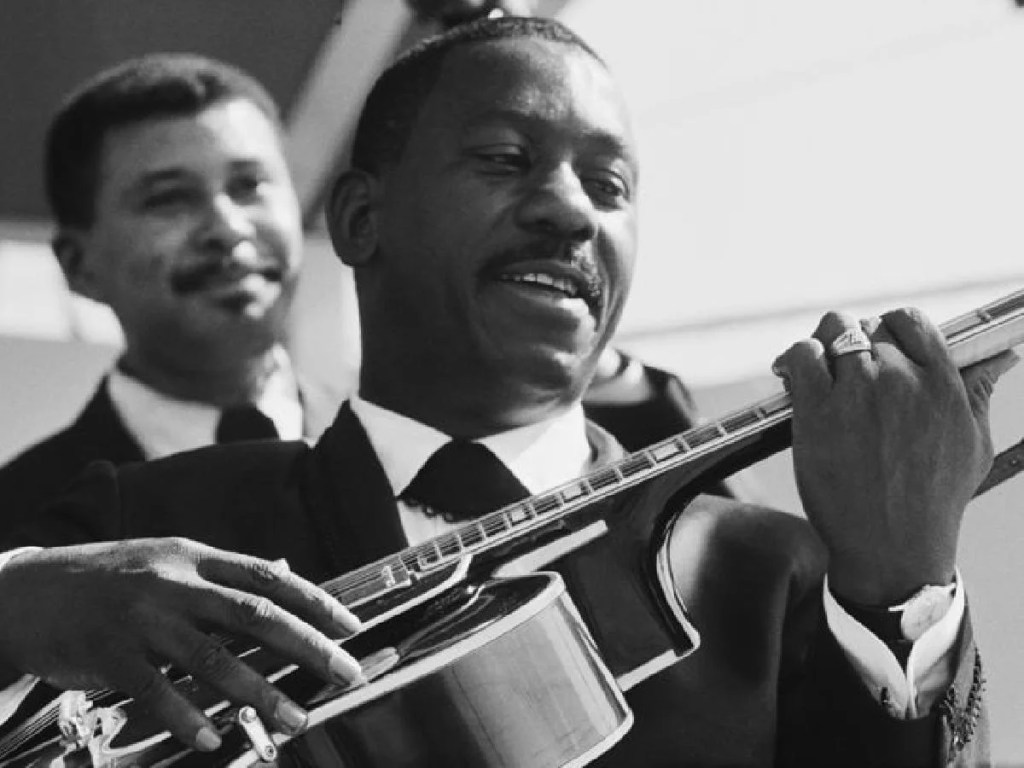
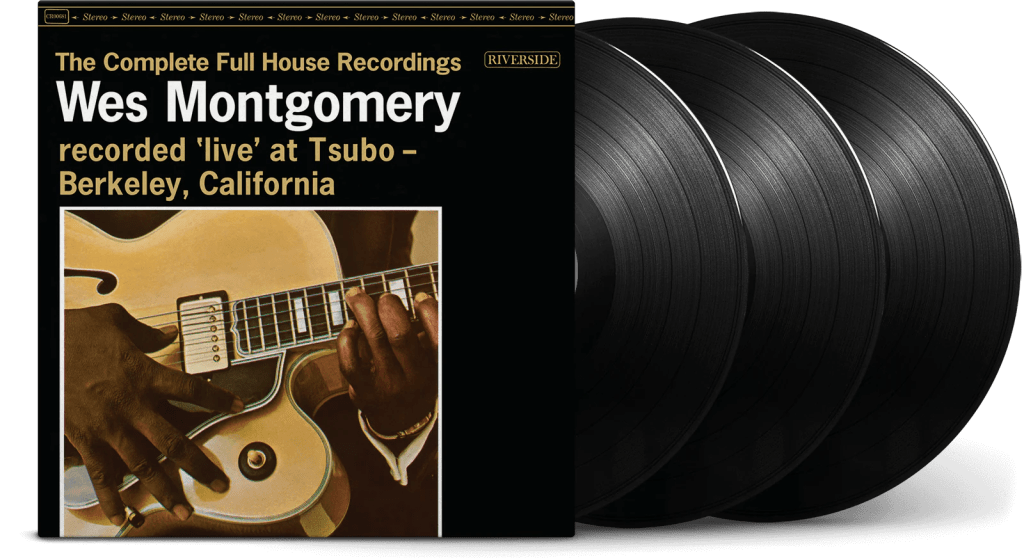
Following this success, Montgomery continued to release albums that pushed the boundaries of jazz guitar. “Full House” (1962), recorded live at Tsubo in Berkeley, California, captured the raw energy of his playing in a club setting. The album featured an all-star lineup, including pianist Wynton Kelly and tenor saxophonist Johnny Griffin, and included standout performances such as the title track “Full House”, which highlighted his ability to mix fluid single-note lines with block chords in a way that few guitarists had attempted before.
Another landmark album, “Smokin’ at the Half Note” (1965), recorded live at the famous Half Note Club in New York, is often cited as one of the greatest live jazz guitar albums ever recorded. Backed by the legendary Wynton Kelly Trio, Montgomery delivered electrifying performances that demonstrated his ability to seamlessly blend fiery improvisation with tight ensemble playing. The track “No Blues”, in particular, is a prime example of his impeccable sense of swing, phrasing, and melodic development, while “If You Could See Me Now” reveals his expressive, lyrical approach to ballads.
While Montgomery was firmly rooted in traditional jazz, he also ventured into more commercially accessible sounds, expanding his audience beyond jazz purists. His album “Bumpin’” (1965) marked his first major foray into orchestrated jazz, incorporating lush string arrangements alongside his signature guitar work. The album’s title track, “Bumpin’”, featured a smooth, sophisticated blend of jazz and pop influences, reflecting his ability to adapt without losing his artistic integrity.
Montgomery’s crossover appeal reached its peak with “A Day in the Life” (1967), where he reinterpreted The Beatles’ iconic song with his warm, melodic touch and soulful phrasing. This track, along with other accessible renditions of pop and R&B tunes, helped introduce a new generation of listeners to jazz guitar, making Montgomery a household name even outside the jazz world.
Though his career was tragically cut short in 1968, Wes Montgomery’s iconic albums and tracks remain timeless, continuing to inspire guitarists and jazz musicians around the world. His ability to fuse technical brilliance with deep emotional expression ensured that his legacy would live on as one of the greatest innovators in jazz history.
Type of Guitar and Amp That Modeled His Tone
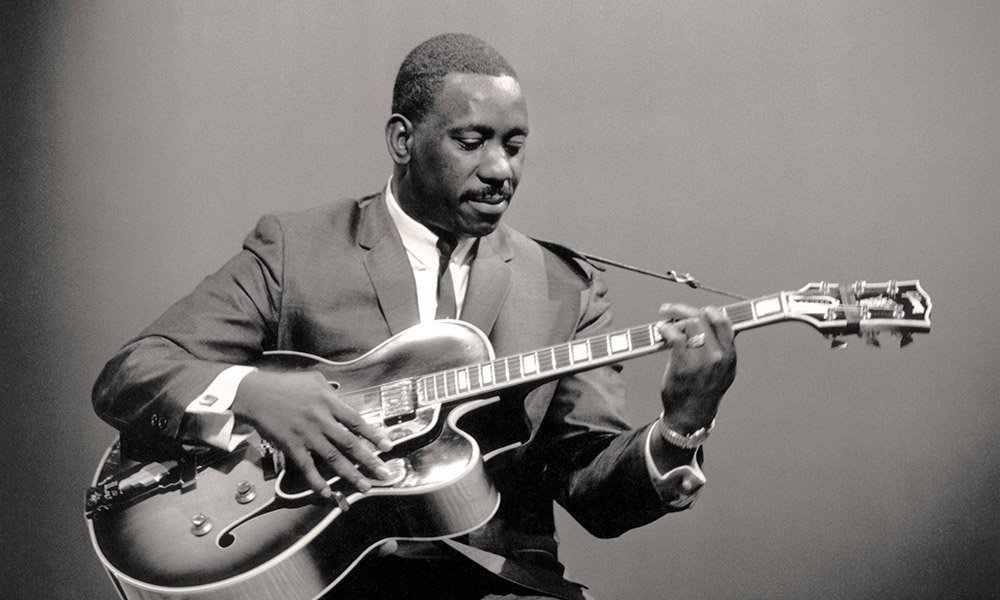
Wes Montgomery’s signature sound was a product of both his distinctive playing technique and his choice of equipment. His guitar and amplifier setup played a crucial role in shaping the warm, full-bodied tone that made his playing instantly recognizable.
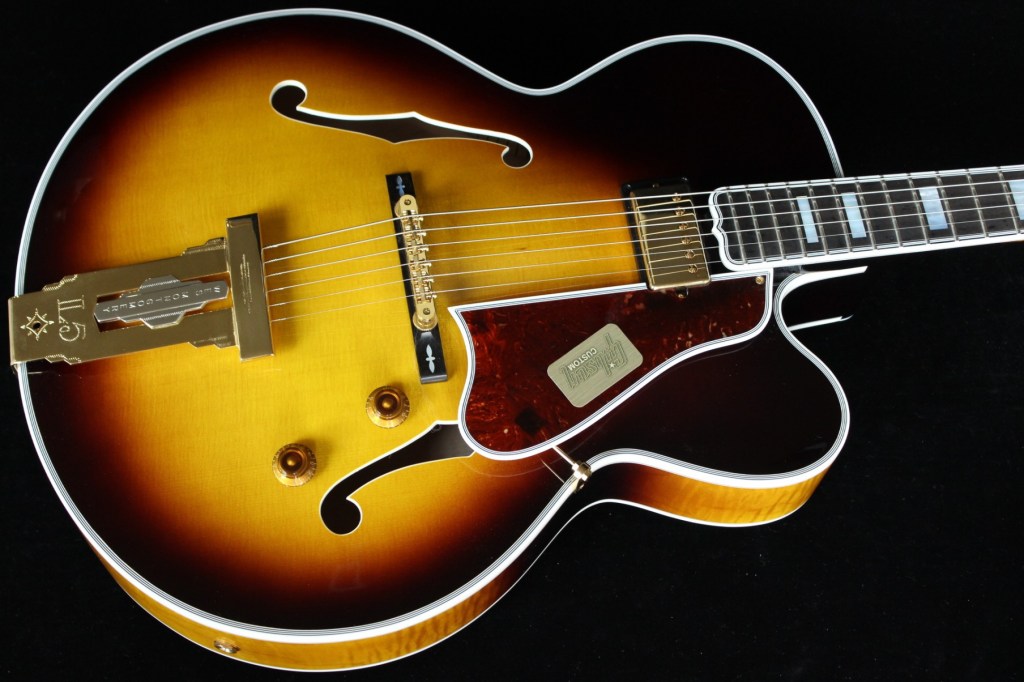
Montgomery is most famously associated with the Gibson L-5 CES, a high-end hollow-body archtop guitar known for its rich resonance and deep warmth. The L-5 had been a favorite among jazz guitarists since its introduction in the 1920s, but in Montgomery’s hands, it became an icon of jazz guitar history. He often played models from the 1950s and early 1960s, typically equipped with humbucker pickups, which contributed to his smooth and rounded tone.
One of Montgomery’s tone-shaping techniques was his use of the guitar’s tone knob. He frequently rolled the tone control down, reducing treble frequencies to produce a mellow, horn-like quality. This helped soften the attack of his thumb-picking technique, giving his lines a smoother and more fluid feel. His preference for flatwound strings further added to the warmth and clarity of his sound.
For amplification, Montgomery typically used Fender tube amplifiers, particularly models such as the Fender Twin Reverb and Fender Super Reverb. These amps were prized for their clean, dynamic response and warm, natural compression, making them an ideal match for his Gibson L-5. His amp settings were usually dialed in for a clean, uncolored sound, allowing the natural resonance of his guitar to shine through without excessive brightness or distortion.
The combination of the Gibson L-5 CES, Fender tube amplifiers, flatwound strings, and thumb-picking technique created a sound that was uniquely Montgomery—a tone that was smooth, expressive, and deeply resonant, defining jazz guitar for generations to come.
Important Technique: Use of Octaves
One of Wes Montgomery’s most defining techniques was his masterful use of octaves, a playing style that became synonymous with his sound. Instead of playing single-note melodies, he would often double the notes an octave apart, striking them simultaneously with his thumb. This approach added fullness, warmth, and a rich harmonic depth to his lines, making even simple phrases sound expansive and sophisticated.
Montgomery’s octave technique was not just a gimmick—it was a carefully developed method of expression. By using his thumb instead of a pick, he was able to achieve a smooth, rounded tone with a natural compression that softened the attack. He also incorporated subtle dynamic variations, sometimes using a staccato attack for a punchy, rhythmic feel and other times letting the notes ring out for a singing quality.
Another aspect of his octave playing was his use of slides and position shifts, allowing him to glide between notes with an effortless fluidity. This made his phrases sound almost vocal-like, with each note seamlessly connected to the next. Whether playing over fast bebop lines or slow ballads, his octaves gave his solos a distinct, orchestral quality that set him apart from other guitarists.
This technique not only showcased his incredible finger dexterity and fretboard knowledge, but it also revolutionized the way guitarists approached melodic playing. It became a trademark of his style, influencing countless guitarists, from George Benson and Pat Metheny to Jimi Hendrix and Eric Johnson. Today, Montgomery’s octave technique remains an essential tool for jazz and fusion guitarists, further solidifying his lasting impact on the instrument.
What Is His Legacy?
Wes Montgomery’s legacy extends far beyond his recordings and live performances—his impact on the world of music is immeasurable. He redefined jazz guitar, pioneering techniques that have influenced generations of musicians across genres, from jazz to blues, rock, and fusion. His signature thumb-picking style, octave playing, and chordal soloing remain essential techniques in the guitarist’s vocabulary, ensuring his influence endures.
Montgomery’s ability to blend technical mastery with deep emotional expression set a new standard for jazz guitarists. His solos were not just exercises in dexterity; they told stories, conveying warmth, soul, and a dynamic sense of phrasing that made his music feel alive and personal. He demonstrated that virtuosity wasn’t about speed or complexity alone—it was about melody, feel, and storytelling through the instrument.
His impact can be heard in the playing of George Benson, Pat Metheny, Lee Ritenour, and countless others who have adopted and expanded upon his techniques. Even beyond jazz, rock guitarists like Jimi Hendrix and Eric Johnson drew inspiration from Montgomery’s smooth phrasing and expressive octave work. His influence also helped elevate the guitar’s status in jazz, proving that it could be as harmonically rich and melodically compelling as the piano or saxophone.
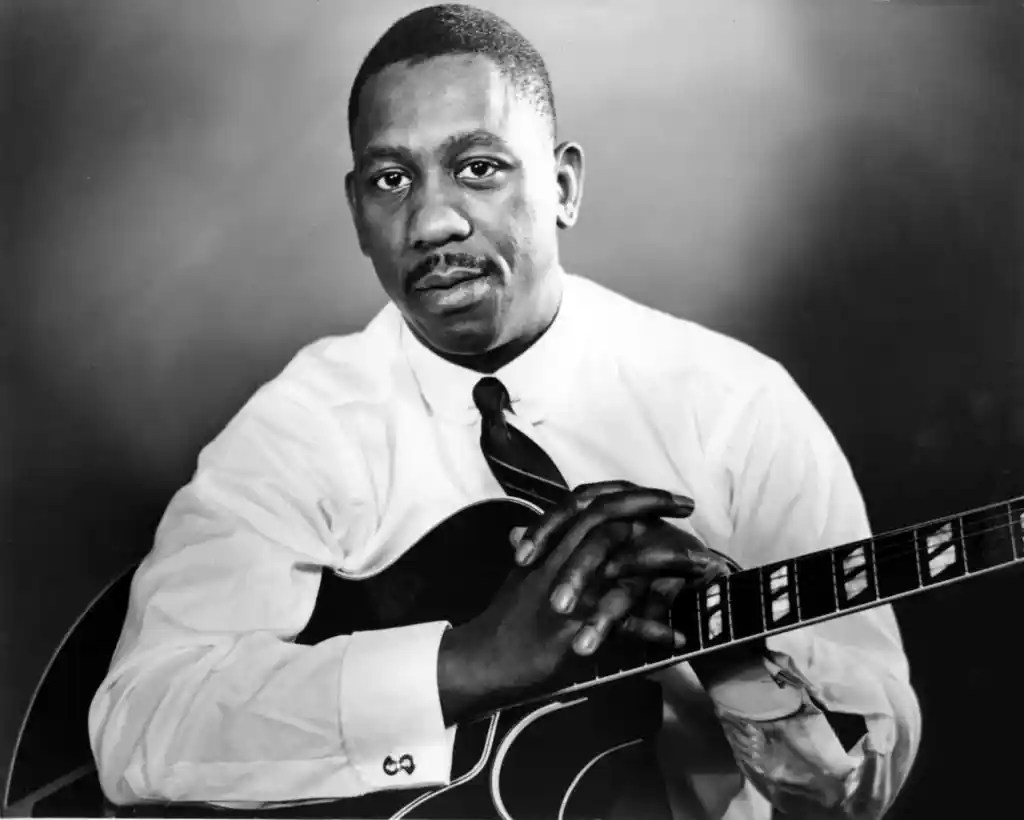
Montgomery also played a crucial role in making jazz guitar more accessible to mainstream audiences. In his later career, he successfully bridged the gap between traditional jazz and more commercially viable sounds, bringing new listeners into the jazz world without compromising his artistry. His ability to interpret popular songs, as seen in his later albums, helped introduce a wider audience to jazz guitar, broadening its appeal beyond hardcore jazz fans.
More than half a century after his passing, Montgomery’s recordings remain essential listening for any aspiring guitarist. His warm tone, innovative phrasing, and soulful approach to improvisation continue to inspire musicians and remind the world of the guitar’s expressive potential. His legacy is not just one of technical innovation but of pure musicality, creativity, and a deep connection to the heart of jazz.
Conclusion
Wes Montgomery was not just a remarkable guitarist; he was a visionary artist who redefined what was possible on the instrument. His signature thumb-picking technique, groundbreaking use of octaves, and fluid chordal solos set new standards for jazz guitar and influenced generations of musicians across multiple genres. More than just a technical innovator, Montgomery had an unparalleled ability to blend virtuosity with deep emotional expression, making his music both sophisticated and profoundly moving.
His legacy continues to shape the sound of jazz guitar and beyond, inspiring everyone from modern jazz greats to rock and fusion guitarists. His recordings remain timeless, serving as both a masterclass in musical expression and a testament to the power of melody, phrasing, and feel. As we continue to celebrate his contributions, it’s clear that Montgomery’s influence will never fade, and his music will resonate with listeners and musicians for generations to come.
Bonus Track: 10 Lesser-Known Facts About Wes Montgomery
- He started playing guitar at 19 after first learning the piano, proving that greatness can come from late starts.
- Montgomery was completely self-taught and never took formal music lessons, relying on his ear and relentless practice to master the guitar.
- He used only his thumb for picking, a technique that developed out of necessity for quiet practice but ultimately became one of the defining elements of his warm, signature tone.
- To avoid disturbing his neighbors, he often practiced by playing along with records late at night at a low volume, shaping his fluid, melodic phrasing.
- Before becoming a full-time musician, he worked as a welder, balancing hard labor during the day with club performances at night to support his family.
- His big break came when he was discovered in an Indianapolis club, catching the attention of jazz alto saxophonist Cannonball Adderley, who helped introduce him to a larger audience.
- His brother, Monk Montgomery, was a jazz bassist and one of the first musicians to popularize the electric bass in jazz, forming a powerful musical family legacy.
- Wes was a master improviser, often crafting intricate solos on the spot, blending bebop complexity with bluesy emotion in a way that felt effortless.
- He was posthumously inducted into the DownBeat Jazz Hall of Fame in 1986, solidifying his place among jazz legends despite his career being tragically cut short.
- Though he was a jazz icon, he had a deep love for the blues, and its influence can be heard throughout his playing, adding an emotional depth that resonated with listeners across genres.
 oscaronguitars.com
Leave a comment