
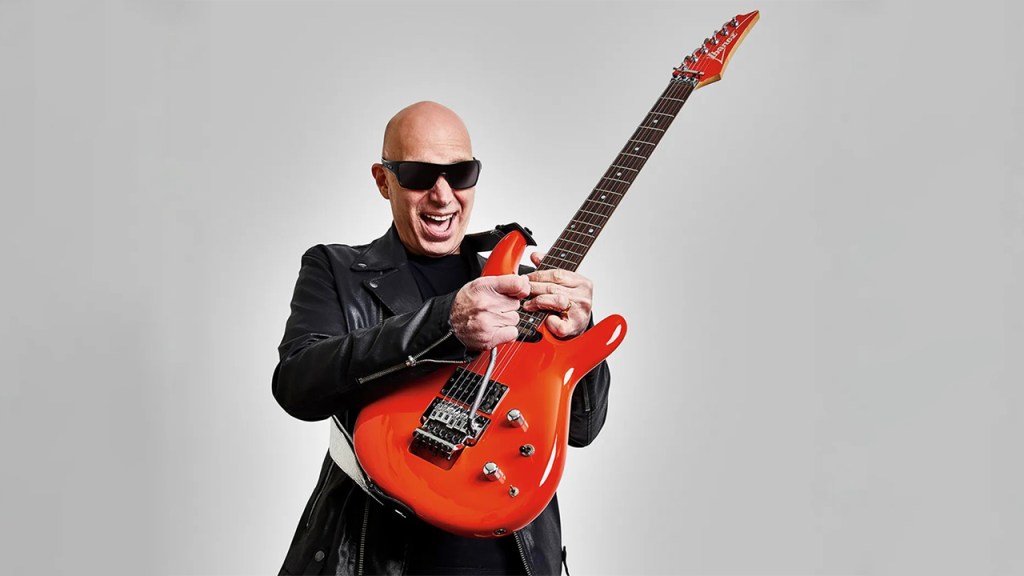
From Guitar Teacher to Guitar Hero
From Guitar Teacher to Guitar Hero: The Extraordinary Rise of Joe Satriani
Joe Satriani—born on July 15, 1956, in Westbury, New York—is universally celebrated as one of the most innovative, virtuosic guitarists of all time. His evolution from a passionate guitar instructor to a globe-trotting instrumental rock icon is a story of remarkable talent, fierce dedication, and a fearless approach to pushing the boundaries of what the electric guitar can do.
Satriani’s musical epiphany arrived at the age of 14, sparked by the tragic death of Jimi Hendrix. So profoundly moved by Hendrix’s passing, Satriani resolved on the spot to become a guitarist. He dove headfirst into music theory and technique, studying under jazz guitarist Billy Bauer and noted music theorist Lennie Tristano. This rigorous educational foundation not only honed his technical mastery—particularly in areas like intricate legato phrasing, two-handed tapping, and whammy bar manipulation—but also fostered a deep sense of musicality that would define his career.
Though Satriani’s own playing is what later catapulted him to international fame, his early career was marked by another impressive accomplishment: teaching. Working as a sought-after guitar instructor, he famously mentored some of rock and metal’s brightest talents. Students like Steve Vai, Kirk Hammett (Metallica), Alex Skolnick (Testament), and Larry LaLonde (Primus) all credit Satriani for instilling in them the discipline, creativity, and technical prowess that would help shape their own signature sounds. Through his teaching, Satriani effectively laid the groundwork for an entire generation of guitar virtuosos, leaving an indelible mark across multiple genres.
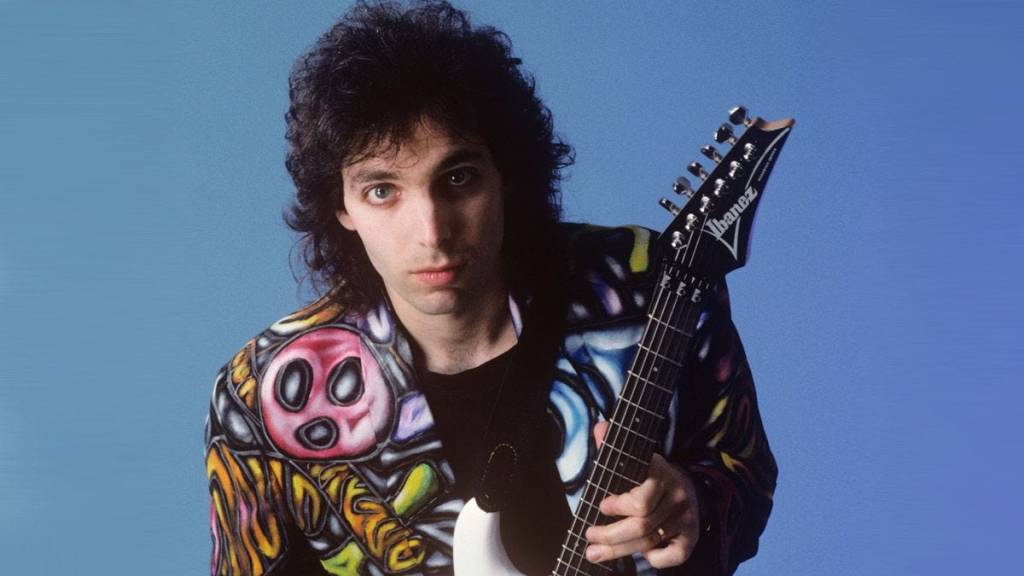
The Breakthrough: Surfing with the Alien and Beyond
Despite his formidable skills and deep understanding of music, Joe Satriani’s early attempts to establish himself as a solo artist faced an uphill battle. His debut album, Not of This Earth (1986), showcased his technical prowess, but it struggled to reach a mainstream audience. While it gained recognition among guitar enthusiasts, it lacked the breakthrough moment that would put him on the map. That moment came a year later with Surfing with the Alien (1987), an album that not only changed Satriani’s career but also revolutionized instrumental rock.
Surfing with the Alien was a bold statement—an instrumental rock record that didn’t just appeal to musicians, but to a much broader audience. Unlike many instrumental albums of the time, which often felt like technical exercises, this album was bursting with energy, emotion, and most importantly, songs that were just as memorable as vocal-driven rock anthems. Satriani had cracked the code, proving that virtuosity and musical accessibility could coexist.
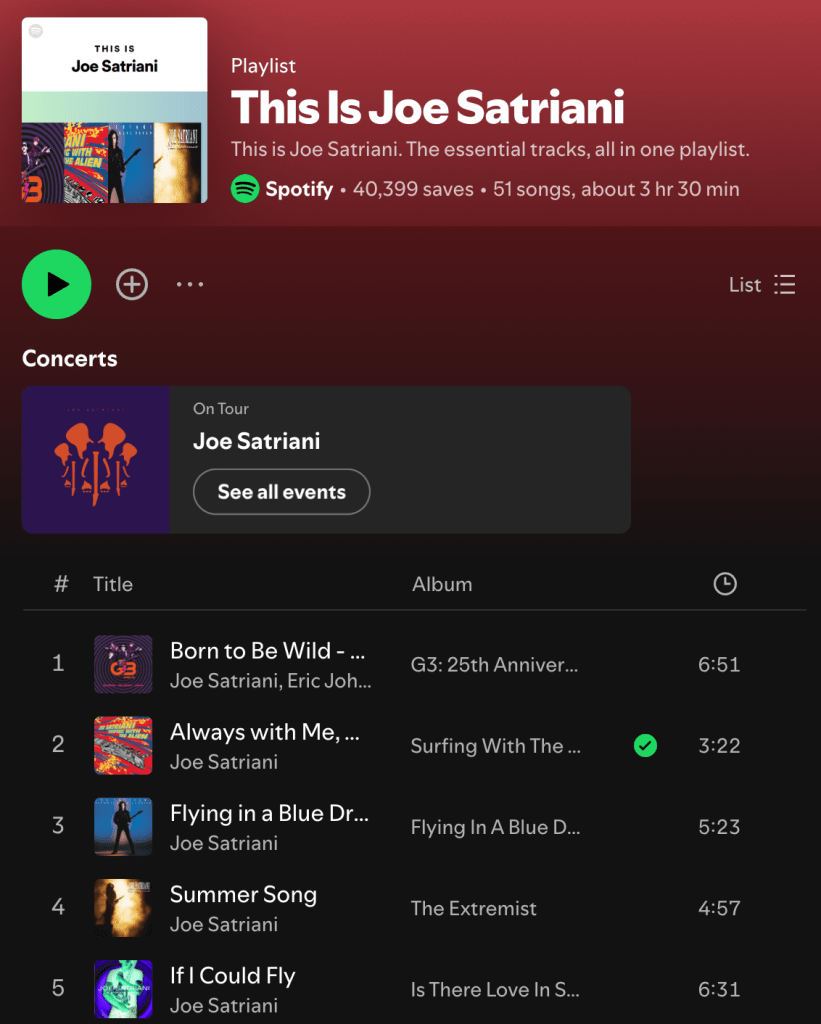
The title track and “Satch Boogie” became instant classics, showcasing Satriani’s signature blend of speed, precision, and soulful expression. “Surfing with the Alien” was a dazzling display of fluid legato runs and whammy bar gymnastics, while “Satch Boogie” delivered a raw, bluesy, yet technically stunning performance that cemented him as a guitar icon. The album’s other tracks, such as “Always With Me, Always With You,” demonstrated his ability to create hauntingly beautiful, lyrical melodies—proving that he wasn’t just about speed, but also deeply emotive playing.
The impact of Surfing with the Alien was immediate and profound. It became one of the first instrumental rock albums to achieve mainstream commercial success, reaching platinum status—an astonishing feat for a record without vocals. It also earned Satriani a Grammy nomination and secured his place as a leading figure in the world of guitar-driven rock.
This breakthrough opened doors for Satriani that had previously been shut. He soon found himself touring with Mick Jagger, filling in for Ritchie Blackmore in Deep Purple, and launching the legendary G3 tour alongside other elite guitarists. Surfing with the Alien wasn’t just a career-defining moment for Satriani—it was a defining moment for instrumental rock as a whole, setting a new standard for what a guitar album could achieve.
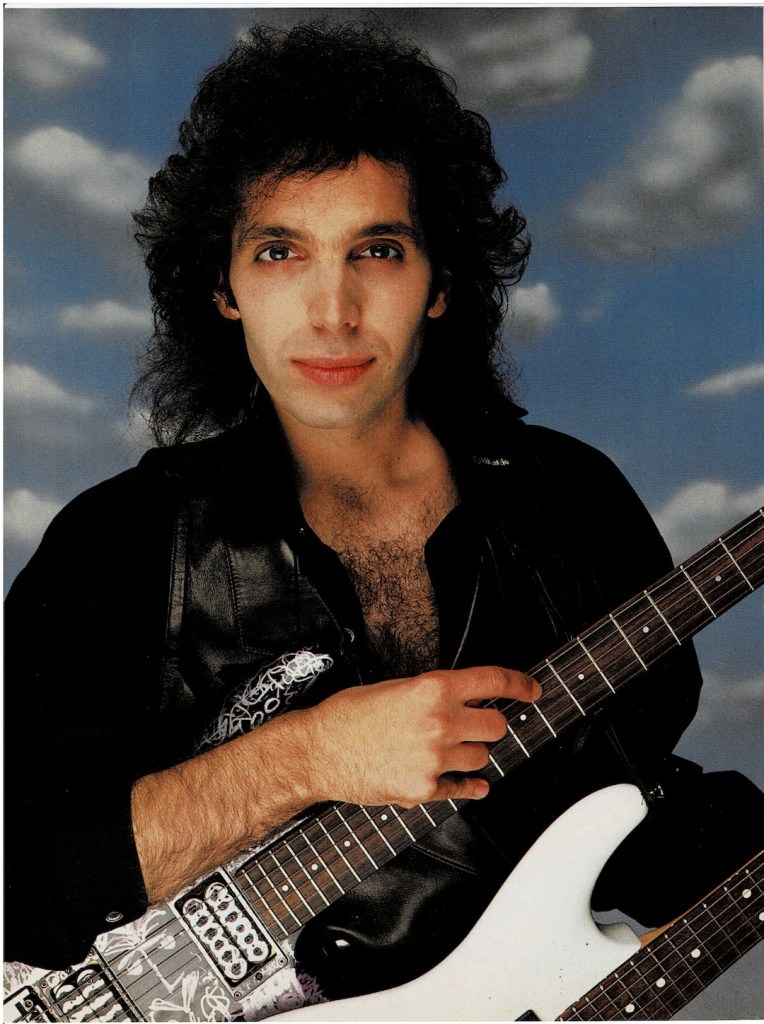
Iconic Tracks: A Legacy of Innovation
Joe Satriani’s career spans over four decades, marked by an ever-evolving sound that has continually pushed the boundaries of instrumental guitar music. His compositions are not merely showcases of technical brilliance—they are masterfully crafted pieces that evoke deep emotions, tell stories, and transport listeners into sonic landscapes. Here are some of his most iconic tracks, each a testament to his innovation and lasting influence:
“Always with Me, Always with You” (1987)
Arguably Satriani’s most beloved composition, this track from Surfing with the Alien is a masterclass in melody and phrasing. Unlike the fast, intricate runs that define many of his pieces, this song relies on pure emotional expression. The beautiful, flowing lead lines are reminiscent of a vocal melody, making it accessible even to those unfamiliar with instrumental rock. A staple of his live performances, this piece remains one of the finest examples of how a guitarist can speak volumes without words.
“Flying in a Blue Dream” (1989)
The title track of his 1989 album, Flying in a Blue Dream, is a sonic journey that perfectly blends technical prowess with emotional depth. Featuring shimmering clean tones, soaring leads, and one of Satriani’s most unique melodies, the track stands as a highlight of his more experimental and atmospheric side. The song also marked one of his few ventures into vocal tracks on the same album, though the instrumental pieces remain its defining moments.
“Summer Song” (1992)
Few instrumental rock tracks have achieved mainstream recognition like “Summer Song.” Released on The Extremist, this high-energy anthem became widely known after being featured in a Sony Walkman commercial in the early ’90s. With its punchy rhythm, driving riffs, and anthemic lead melody, the song captures the vibrant energy of summer, solidifying Satriani’s ability to create music that resonates beyond the guitar community.
“Crystal Planet” (1998)
By the late ’90s, Satriani continued pushing his sound into new territories with Crystal Planet, an album that leaned into futuristic, sonically rich textures. The title track is an electrifying display of his modern approach to guitar tones, effects, and progressive rock influences. The song’s otherworldly feel, combined with intricate phrasing and rapid-fire picking, showcases Satriani’s ability to evolve with the times while maintaining his signature sound.
“If I Could Fly” (2004)
A song that gained additional notoriety beyond the guitar world, “If I Could Fly” from Is There Love in Space? became a major point of discussion in 2008 when Coldplay’s global hit Viva La Vida was accused of bearing striking similarities to it. Though Satriani filed a lawsuit, the case was settled out of court, and the details remained undisclosed. Regardless, the song itself is a beautifully constructed piece, rich in melody and harmony, proving once again that Satriani’s compositions transcend mere technicality—they are emotionally engaging and undeniably memorable.
More Than Just a Guitarist
Each of these songs represents a key moment in Satriani’s artistic journey. Unlike many instrumentalists who focus solely on technical fireworks, Satriani’s legacy is built on his ability to craft compelling, evocative, and universally enjoyable music. Whether through soaring melodies, high-energy rockers, or spacey sonic explorations, he has carved out a legacy that continues to inspire guitarists and music lovers alike.
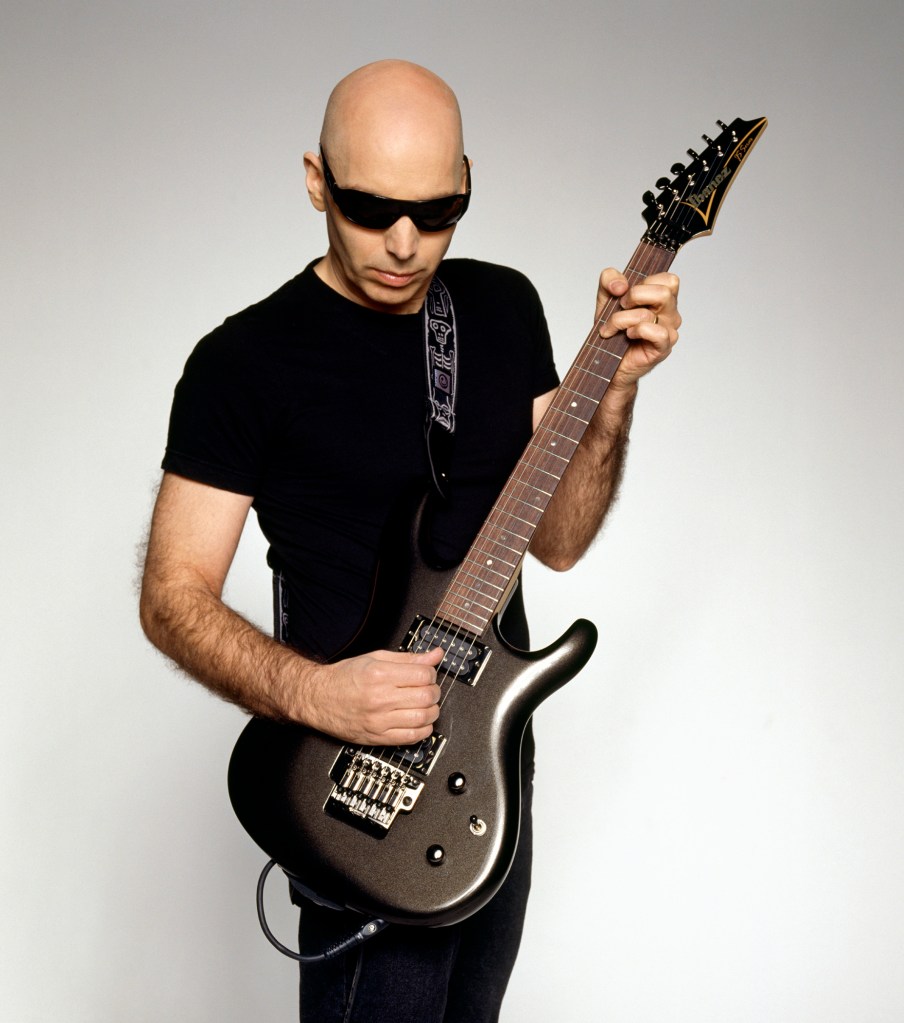
The Satriani Sound: Gear and Technique
The Signature Sound: Gear and Playing Techniques
A significant part of Joe Satriani’s unmistakable sound comes from a combination of carefully chosen gear and masterful playing techniques. His tone is a blend of soaring lead lines, fluid legato phrasing, and expressive melodies, all shaped by years of experimentation with guitars, amplifiers, effects, and playing styles. Here’s a closer look at what makes his sound so unique:
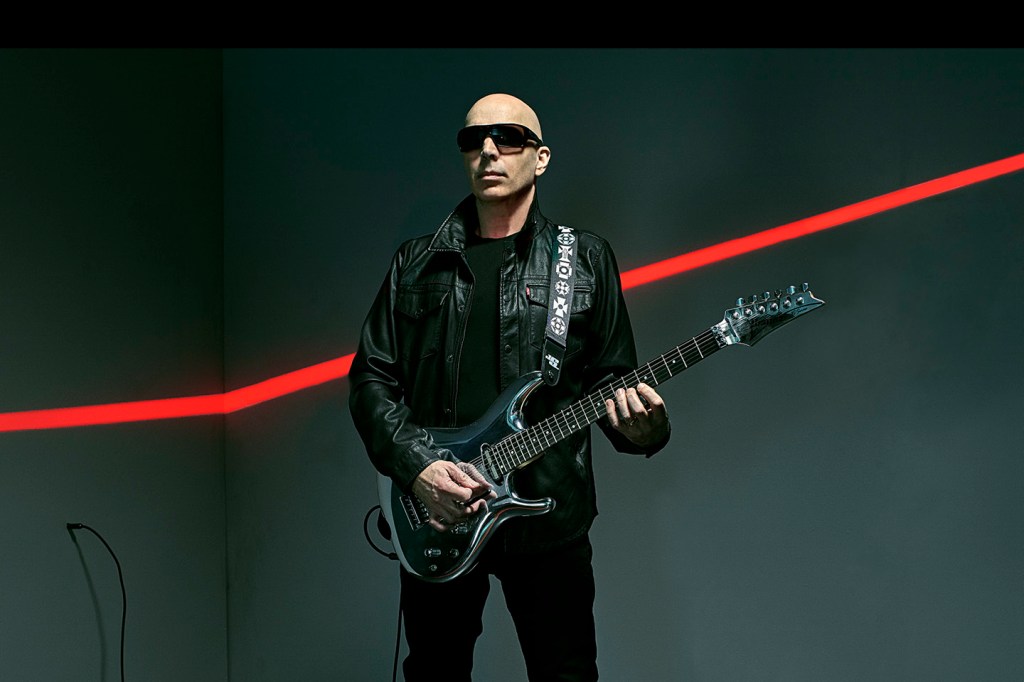
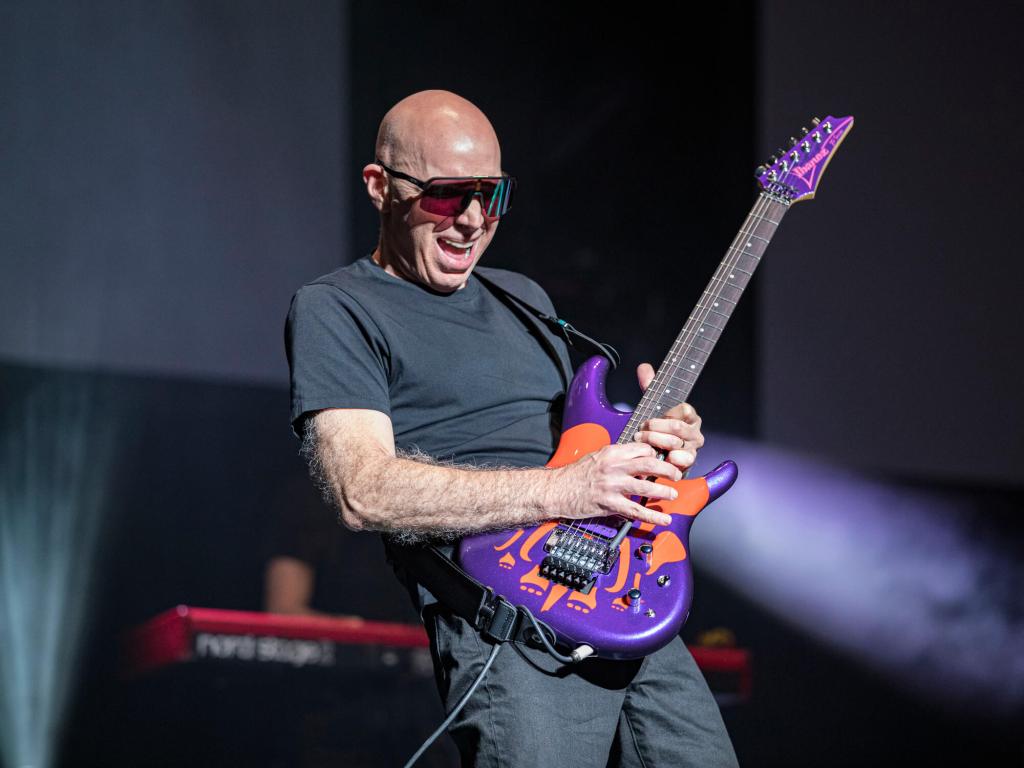
Ibanez JS Series Guitars
Satriani’s primary instrument is the Ibanez JS Series, a line of signature guitars designed to accommodate his diverse playing style. These guitars are known for their sleek, ergonomic design, allowing for both comfort and playability. Key features include:
- A basswood body for balanced tonal response and sustain.
- A JS neck profile, which is thinner than a traditional Strat but slightly rounder than an RG, providing a perfect balance between speed and control.
- DiMarzio pickups, such as the Satchur8 and PAF Joe, which deliver a versatile range of tones from smooth, singing leads to aggressive rock sounds.
- A highly responsive tremolo system, often the Edge or Edge Pro, allowing for Satriani’s signature whammy bar dives, flutters, and sustain-controlled pitch shifts.
Amplifiers: Marshall, Peavey, and Vox
Satriani’s amp choices have evolved throughout his career, but his core sound is often associated with Marshall amplifiers.
- He has used modified Marshall heads, such as the Marshall 6100 Anniversary, to achieve his thick, dynamic lead tone.
- He later collaborated with Peavey to develop the Peavey JSX, a signature amp known for its smooth gain structure and articulate note definition.
- His partnership with Vox led to the creation of the Vox Satchurator distortion pedal and Vox Big Bad Wah, proving his influence extends beyond just guitars and amps.
- More recently, he has worked with Synergy Amps, favoring modular preamps that allow him to dial in his signature tone with greater flexibility.
Effects Pedals: Creating Expansive Soundscapes
Satriani’s approach to effects is not about overwhelming his tone with layers of processing but rather enhancing his expressiveness and creating immersive soundscapes. Some of his essential effects include:
- Delay – Used extensively in songs like “Flying in a Blue Dream” and “Echo,” delay gives his solos a spacious, ethereal quality. His go-to choices have included the Boss DD-3, Eventide TimeFactor, and the Strymon Timeline.
- Wah-Wah – The Vox Big Bad Wah, developed in collaboration with Vox, is a key part of his tone, adding expressive dynamics to his leads.
- Modulation – Chorus and phasers add depth to his clean and distorted tones. The Electro-Harmonix Small Stone Phaser and Boss CE-2 Chorus have been used in various tracks.
- Octave & Pitch Effects – Tracks like “Super Colossal” showcase his use of Digitech Whammy pedals for dramatic pitch shifts.
Playing Style: The Fusion of Speed, Precision, and Expression
What truly sets Satriani apart is not just his gear but his playing style, which blends virtuosic speed with deeply emotional phrasing. Some key aspects of his technique include:
- Legato Mastery – Satriani’s smooth, fluid legato technique allows for lightning-fast runs without the harsh attack of alternate picking. Tracks like “Surfing with the Alien” highlight this approach.
- Two-Handed Tapping – He often uses tapping techniques for melodic passages rather than just for speed, adding a lyrical, almost violin-like quality to his solos.
- Volume Swells – By using the volume knob or a volume pedal, he creates atmospheric, synth-like textures, particularly in ballads like “Always With Me, Always With You.”
- Harmonics & Whammy Bar Tricks – Natural and artificial harmonics, combined with controlled whammy bar use, give his solos a vocal-like expressiveness. He’s known for techniques like dive bombs, fluttering vibrato, and pinched harmonics to add dynamic flair to his playing.
The Sound of a Guitar Visionary
Satriani’s ability to merge technical brilliance with emotional depth is what makes his sound truly special. Whether through his Ibanez JS guitars, his carefully sculpted amp tones, or his masterful use of effects and techniques, he has crafted a signature style that is instantly recognizable. His innovations have not only inspired generations of guitarists but have also expanded the possibilities of what instrumental rock can achieve.
Influence on the Guitar World: A Lasting Legacy
Joe Satriani’s impact on modern guitar playing is nothing short of revolutionary. While many guitarists of his era leaned heavily into speed and technical flash, Satriani took a different approach—emphasizing melody, storytelling, and emotion through the guitar. His ability to seamlessly blend technical brilliance with deeply expressive phrasing has set him apart, making his music accessible to both musicians and casual listeners alike.
Revolutionizing Instrumental Rock
Before Surfing with the Alien, instrumental rock was often seen as a niche genre, largely confined to jazz fusion or progressive rock circles. Satriani proved that instrumental guitar music could be just as engaging and commercially viable as vocal-driven rock. He redefined the role of the guitar as a lead voice, crafting melodies so strong that they felt as if they had lyrics.
Unlike many of his contemporaries, who focused on breakneck speed and complex shred techniques, Satriani’s compositions were built on strong, memorable themes. Songs like “Always With Me, Always With You” and “Flying in a Blue Dream” demonstrated that instrumental rock could be melodic, lyrical, and emotionally powerful—not just a showcase of speed and complexity.
A Mentor to a Generation of Guitar Heroes
One of Satriani’s greatest contributions to the guitar world is his role as a mentor and teacher. Before his own rise to fame, he spent years teaching guitar to aspiring musicians—some of whom would go on to become legends in their own right. His students include:
- Steve Vai – A longtime friend and one of the most technically accomplished guitarists in history, Vai has credited Satriani with shaping his approach to playing.
- Kirk Hammett (Metallica) – Hammett, known for his melodic yet aggressive solos, studied under Satriani in his formative years.
- Alex Skolnick (Testament) – A standout lead guitarist in the thrash metal world, Skolnick’s sophisticated phrasing and technical prowess were influenced by Satriani’s teaching.
- Larry LaLonde (Primus, Possessed) – A guitarist who ventured into avant-garde and experimental styles, LaLonde’s versatility reflects the broad musical foundation he received from Satriani.
Beyond individual students, Satriani’s instructional books, DVDs, and masterclasses have educated countless guitarists worldwide. His lessons focus not just on technique, but also on developing one’s unique voice on the instrument. Concepts like modal playing, phrasing, and dynamic expression are central to his teaching philosophy, ensuring that players learn to think musically rather than just mechanically.
The G3 Legacy: Bringing Guitarists Together
In 1996, Satriani launched the G3 tour, a concert series that brought together three elite guitarists on the same stage. This tour has featured legends like Eric Johnson, Steve Vai, John Petrucci, Paul Gilbert, Yngwie Malmsteen, and more. G3 became a celebration of guitar mastery, fostering collaboration rather than competition among virtuosos. The tour has introduced audiences to different styles of guitar playing while inspiring young musicians to explore the instrument beyond traditional rock and metal boundaries.
Shaping the Future of Guitar Music
Satriani’s influence extends far beyond his own recordings and students. His impact can be seen in:
- The rise of melodic shredders who prioritize emotion alongside technical skill (e.g., John Petrucci, Andy Timmons, Guthrie Govan).
- The instrumental rock resurgence, as seen in the success of artists like Plini and Polyphia.
- The continued evolution of guitar gear, with Satriani’s signature Ibanez models, amp collaborations, and effect pedal designs becoming industry standards.
Even after four decades, Satriani remains at the forefront of guitar innovation. His commitment to pushing musical boundaries, inspiring new generations, and elevating instrumental music ensures that his legacy will continue shaping the guitar world for years to come.
Grammy Nominations and Industry Recognition: A Legacy Beyond Awards
Despite being one of the most celebrated and influential guitarists of all time, Joe Satriani has never won a Grammy Award—a surprising fact considering his extraordinary contributions to instrumental rock. Over the years, he has amassed more than 15 Grammy nominations, a testament to his consistent excellence and widespread industry recognition.
A Career of Near-Wins at the Grammys
Satriani’s Grammy nominations span multiple albums and decades, covering categories such as Best Rock Instrumental Performance and Best Pop Instrumental Performance. Some of his most notable nominated tracks and albums include:
- “Always With Me, Always With You” (Surfing with the Alien, 1987)
- “The Crush of Love” (Dreaming #11, 1988)
- “Flying in a Blue Dream” (Flying in a Blue Dream, 1989)
- “Summer Song” (The Extremist, 1992)
- “Speed of Light” (Time Machine, 1993)
- “The Extremist” (The Extremist, 1992)
- “Starry Night” (Strange Beautiful Music, 2002)
- “Always” (Super Colossal, 2006)
- “Shockwave Supernova” (Shockwave Supernova, 2015)
Each of these tracks showcases his technical prowess, melodic sensibility, and ability to create instrumental compositions that captivate listeners. Yet, despite his numerous nominations, Satriani has never taken home the coveted trophy.
A Running Joke Among Fans
Satriani’s lack of a Grammy win has become a long-running joke in the guitar community. Fans and fellow musicians alike express disbelief that one of the most revered guitarists in history has been consistently overlooked by the Recording Academy. However, this omission does little to tarnish his legacy.
Recognition Beyond the Grammys
While he may not have a Grammy on his shelf, Satriani’s industry impact and recognition far outweigh any single award. His achievements include:
- Platinum and Gold Certifications – Surfing with the Alien went platinum, while several other albums, including Flying in a Blue Dream and The Extremist, achieved gold status.
- World Tours and Festival Headlining – Satriani has headlined some of the most prestigious rock and guitar festivals worldwide, proving his enduring popularity.
- G3 Guitar Tours – His creation of the G3 tour, which has featured icons like Steve Vai, John Petrucci, Eric Johnson, and Paul Gilbert, has cemented his status as a key figure in modern guitar culture.
- Signature Guitars, Amps, and Pedals – His Ibanez JS Series guitars, Peavey JSX amplifiers, and Vox Big Bad Wah pedal have been widely adopted and respected in the guitar industry.
A Legacy That Transcends Awards
Ultimately, Satriani’s legacy is not measured in awards, but in his profound influence on guitarists worldwide. He has shaped the modern landscape of instrumental rock, mentored some of the greatest guitarists of the past few decades, and continues to inspire musicians with his passion, innovation, and technical brilliance.
In the end, while a Grammy would be a well-deserved recognition, Satriani’s true reward lies in the millions of fans, students, and musicians who have been inspired by his work—a legacy that no trophy could ever match.
Satriani Beyond Guitar: His Other Passions
While Joe Satriani is primarily known for his groundbreaking contributions to instrumental rock, his interests and influence extend far beyond the world of guitar. His career is a testament to lifelong creativity, curiosity, and a willingness to explore new artistic avenues. Whether through environmental advocacy, collaborations with diverse artists, or his ability to tell stories through music, Satriani continues to leave a mark beyond the six strings.
Environmental Advocacy: A Musician with a Mission
Though not as vocal as some celebrity activists, Satriani has expressed concerns about environmental sustainability and has shown support for eco-conscious initiatives. Given his extensive touring schedule, he has acknowledged the impact of global travel on the environment and has backed efforts to reduce carbon footprints in the music industry. His mindful approach to sustainability is reflected in his lifestyle choices, as well as his support for organizations that work toward conservation and climate action.
Collaborations: Bridging Genres and Generations
Satriani’s ability to adapt and collaborate with a diverse range of musicians has been a defining trait of his career. Some of his most notable collaborations include:
- Mick Jagger – In 1988, Satriani played lead guitar for Jagger’s solo tour, showcasing his ability to blend into classic rock while adding his signature style.
- Deep Purple – In 1993, he stepped in as a temporary replacement for Ritchie Blackmore, helping the band complete their tour. Though he declined to join as a permanent member, his stint with the legendary group further cemented his versatility and respect within the rock community.
- G3 Tour – His G3 project has allowed him to share the stage with some of the most influential guitarists of all time, from Steve Vai and Eric Johnson to Yngwie Malmsteen, John Petrucci, and Paul Gilbert.
- Chickenfoot – In 2008, Satriani co-founded Chickenfoot, a supergroup featuring Sammy Hagar (Van Halen), Michael Anthony (Van Halen), and Chad Smith (Red Hot Chili Peppers). The band brought a raw, bluesy hard rock edge to Satriani’s typically futuristic sound, proving his ability to step outside the instrumental realm and thrive in a collaborative, vocal-driven band setting.
Art and Storytelling: A Vision Beyond Sound
Satriani has always approached music as a form of storytelling, often crafting albums with conceptual and visual inspirations. His 2022 album, The Elephants of Mars, is a perfect example of his ability to blend music, imagination, and narrative elements into a cohesive artistic vision.
- The album explores otherworldly landscapes and futuristic themes, much like a science-fiction epic in musical form.
- It showcases his ever-evolving approach to tone and composition, proving that even after decades in the industry, he continues to innovate and push creative boundaries.
Beyond music, Satriani has also dabbled in visual arts, contributing to the design of his album covers and merchandise. His attention to aesthetics and storytelling demonstrates a multi-dimensional artistic approach, proving that his creativity extends far beyond just playing the guitar.
The Enduring Legacy of Joe Satriani
A Future Still Being Written
Even after more than four decades in the industry, Satriani shows no signs of slowing down. He continues to tour, release new music, and explore new creative directions, proving that true artistry is about constant growth. His ability to stay relevant, innovative, and inspiring is what makes him one of the greatest and most respected guitarists in history.
Few musicians have managed to blend technical mastery with such profound musicality, and for that, Joe Satriani will always be in a league of his own.
 oscaronguitars.com
Leave a comment