
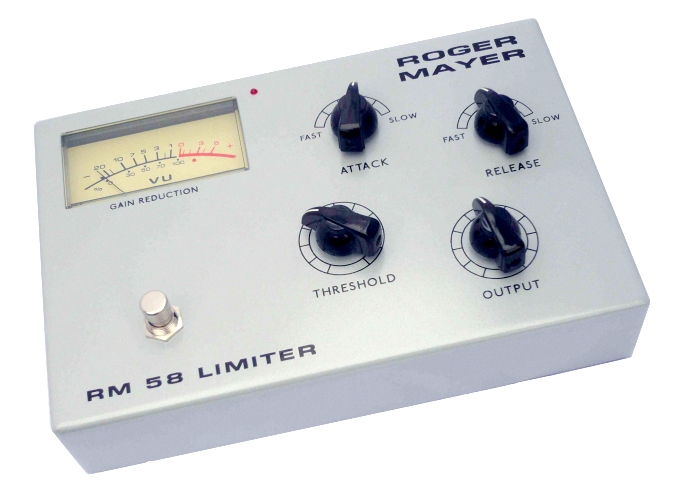
If you’ve been exploring different effects to shape your tone, you might have come across something called a “limiter.” While not as flashy as a distortion or delay, a limiter is a powerful tool for controlling your sound. But what exactly does a guitar limiter do, and how can it enhance your playing? Let’s break it down.
What Is a Guitar Limiter?
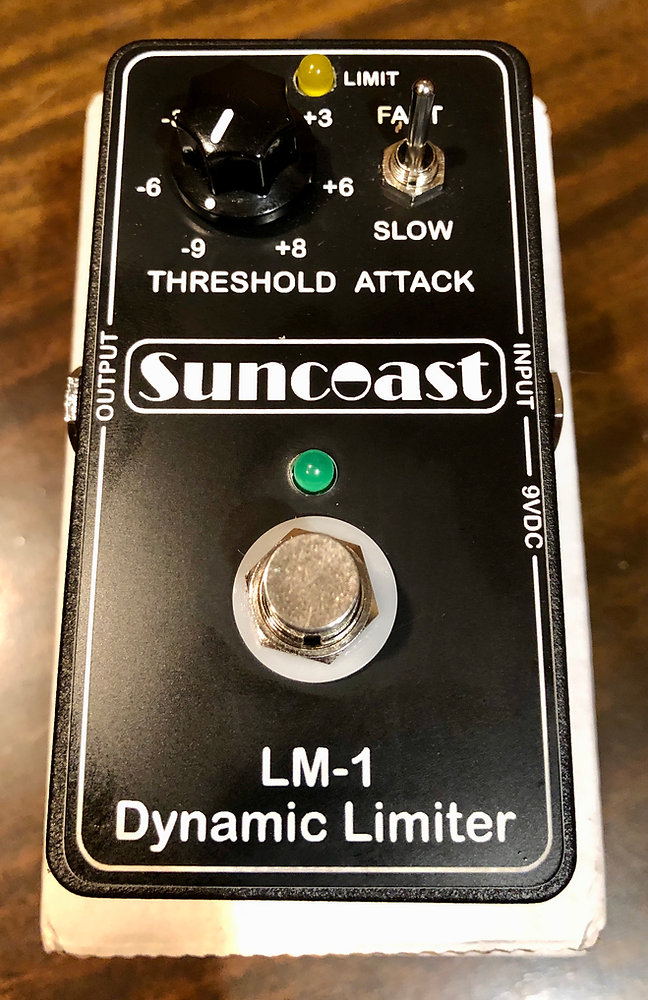
A guitar limiter is an effect that controls the dynamic range of your guitar signal by capping the maximum volume level. Unlike a compressor, which gradually reduces the volume of your signal when it exceeds a certain threshold, a limiter acts more like a hard ceiling, preventing the signal from going above a set level. This is particularly useful for preventing distortion or clipping in high-gain settings or when playing with aggressive dynamics.
How Does a Limiter Work?
Here’s a basic rundown of how a limiter works:
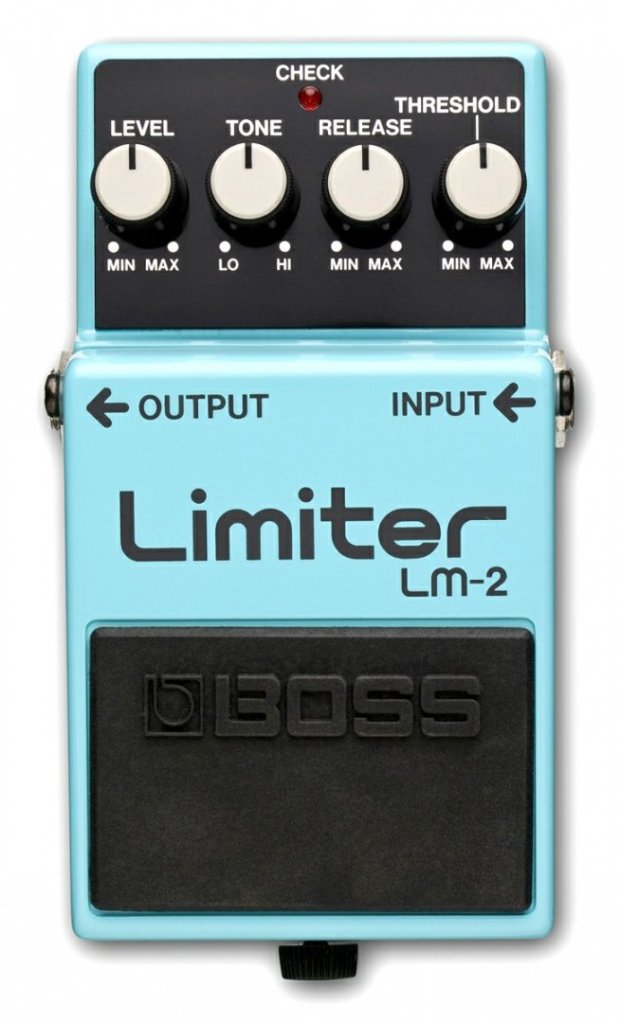
- Threshold Setting: The limiter allows you to set a threshold, which is the maximum volume level your signal can reach. Once your signal hits this level, the limiter prevents it from going any higher.
- Attack and Release: These controls determine how quickly the limiter responds to signals that exceed the threshold (attack) and how quickly it stops limiting once the signal falls back below the threshold (release).
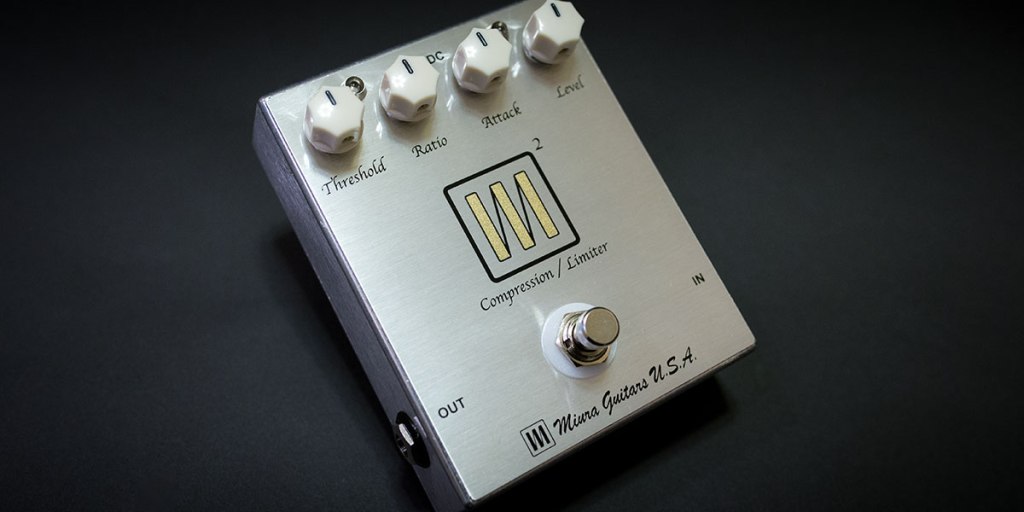
- Ratio: In some limiters, you can adjust the ratio, which determines how aggressively the limiter clamps down on signals that exceed the threshold. A high ratio means the signal is tightly controlled, while a lower ratio allows for more natural dynamics.
- Ceiling: The ceiling is the hard limit that your signal cannot exceed, no matter how loud you play.
Why Use a Limiter on Guitar?
Here are a few reasons why you might want to incorporate a limiter into your guitar rig:
- Prevent Clipping: In high-gain settings or when using a lot of effects, it’s easy for your signal to get too hot and start clipping. A limiter ensures that your signal stays clean and free from unwanted distortion.
- Maintain Consistent Volume: If you’re playing in a live setting, a limiter can help maintain a consistent volume level, preventing sudden spikes that could disrupt the mix.
- Control Dynamics: For styles of playing that involve a lot of dynamic range (like funk or fingerstyle), a limiter can help smooth out the extremes, ensuring that everything from the softest note to the hardest hit remains balanced.
- Protect Your Equipment: A limiter can help protect your amps and speakers from damage caused by excessive volume spikes.
Limiter vs. Compressor
It’s easy to confuse limiters with compressors since both affect the dynamic range of your signal. However, they serve slightly different purposes:
- Compressor: A compressor reduces the volume of your signal gradually as it exceeds a threshold, evening out the overall dynamics.
- Limiter: A limiter prevents your signal from exceeding a certain level, acting as a protective measure against distortion and clipping.
Conclusion: The Power of the Limiter
While it might not be the first effect you think of, a guitar limiter is an invaluable tool for controlling your sound. By setting a maximum volume level, it helps maintain consistency, prevent clipping, and protect your gear. Whether you’re playing live or recording in the studio, a limiter can be a subtle yet powerful addition to your pedalboard, ensuring that your tone stays clean, controlled, and professional.
 oscaronguitars.com
Leave a comment