
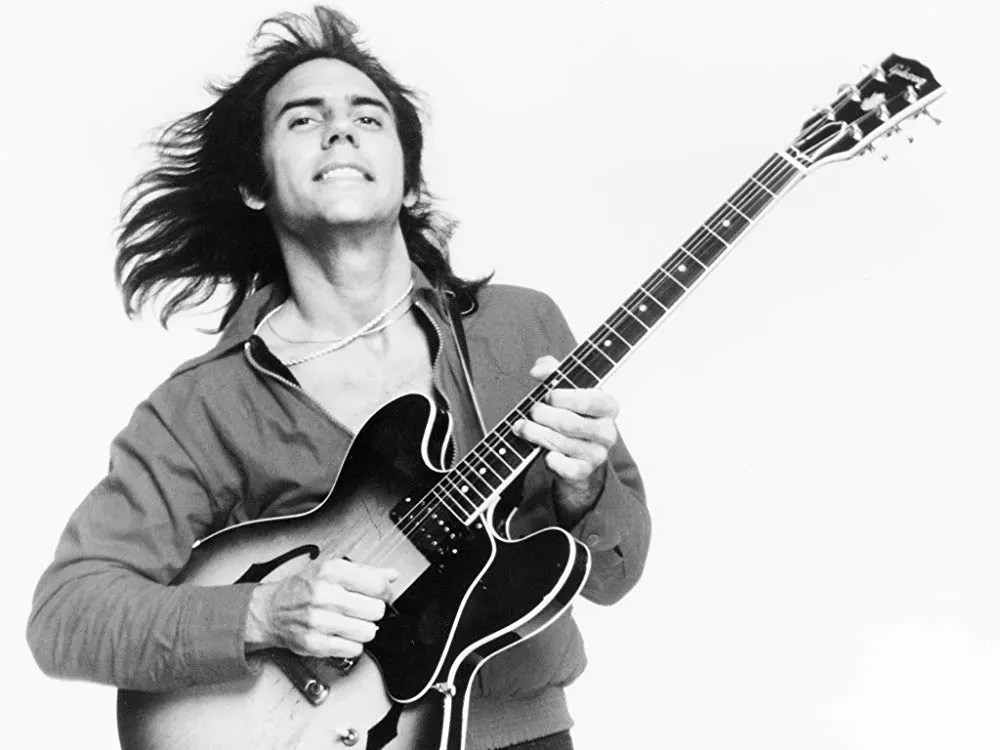
Larry Carlton is a name that resonates deeply in the world of jazz and contemporary guitar. With a career spanning over four decades, he has left an indelible mark on music through his exceptional skills, unique sound, and collaborations with countless artists. In this article, we’ll explore Carlton’s beginnings, his influences, notable albums, the gear that shaped his tone, his important techniques, and the lasting legacy he created.
How He Began
Born on March 2, 1948, in Torrance, California, Larry Carlton was surrounded by music from a young age. He picked up the guitar at age six and was heavily influenced by the sounds of rock, jazz, and blues. Carlton began his musical journey as a teenager, performing in local bands while developing his signature style that would later garner widespread acclaim.
By the time he reached his late teens, Carlton was already making a name for himself, performing with various artists in Los Angeles. His big break came when he joined the band The Crusaders, which allowed him to showcase his skills and creativity in a professional setting.
Who Were His Influences?
Larry Carlton’s influences are as diverse as his musical output. He cites jazz guitar legends such as Wes Montgomery and Joe Pass as significant inspirations, along with rock icons like Jimi Hendrix and Eric Clapton. Carlton also drew from blues music, which helped shape his emotive playing style.
His ability to blend these influences has allowed him to create a unique sound that transcends genres, making him a versatile guitarist who can adapt to different musical contexts with ease.

Iconic Albums and Tracks
Throughout his illustrious career, Larry Carlton has released numerous albums that highlight his extraordinary talent. His breakout album, “Larry Carlton” (1973), features the iconic track “Room 335,” which showcases his smooth guitar lines and impeccable phrasing. This album established him as a formidable force in the world of jazz fusion.
Other noteworthy albums include “Sleepwalk” (1979), a beautiful interpretation of the classic instrumental, and “Last Nite” (1996), which features a blend of jazz, blues, and rock elements. His collaboration with fellow guitarist Lee Ritenour on the album “Larry & Lee” (1981) also garnered attention and praise, further cementing Carlton’s reputation as a masterful musician.
Type of Guitar and Amp That Modeled His Tone
Larry Carlton is often associated with the Gibson L-5, a stunning archtop guitar known for its rich tone and warm sound. He also frequently plays a Fender Stratocaster, particularly during his rock-oriented projects. Carlton’s choice of guitar allows him to explore a wide range of sounds, from smooth jazz to bluesy rock.
In terms of amplification, Carlton typically uses a combination of Fender amplifiers, which complement the natural warmth of his guitars. This combination of gear has played a crucial role in developing his signature sound, characterized by clear, melodic lines and a warm, full-bodied tone.

Important Technique: Melodic Improvisation
One of Larry Carlton’s most important techniques is his mastery of melodic improvisation. He has a unique ability to create memorable melodies and compelling solos that resonate with listeners. Carlton often combines intricate phrasing with bluesy bends and fluid runs, allowing him to express his musical ideas beautifully.
His improvisational skills are highlighted in live performances, where he effortlessly weaves in and out of chord progressions, creating spontaneous and captivating solos. This technique has not only solidified his reputation as a top-tier guitarist but has also influenced countless musicians seeking to develop their improvisational skills.

What Is His Legacy?
Larry Carlton’s legacy is marked by his incredible contributions to jazz, blues, and rock music. His innovative playing style and unique sound have inspired generations of guitarists, earning him accolades and respect within the music community. He has worked with some of the biggest names in the industry, including Steely Dan, Michael McDonald, and Quincy Jones, further solidifying his position as a sought-after session musician and collaborator.
Carlton’s ability to cross genres and adapt to various musical styles has paved the way for future guitarists, encouraging them to explore their creativity and push the boundaries of their instrument. His work has become a cornerstone of contemporary guitar playing, serving as a reference for aspiring musicians around the world.
Conclusion
Larry Carlton is not just a guitarist; he is a musical innovator who has transformed the landscape of jazz and contemporary music. His unique sound, incredible techniques, and deep understanding of melody have left a lasting imprint on the genre and continue to inspire musicians worldwide. As we celebrate his contributions, it is clear that Carlton’s music will resonate for years to come.
 oscaronguitars.com
Leave a comment